





 Portuguese
  English
  Spanish
  4 min of reading
  13 comments


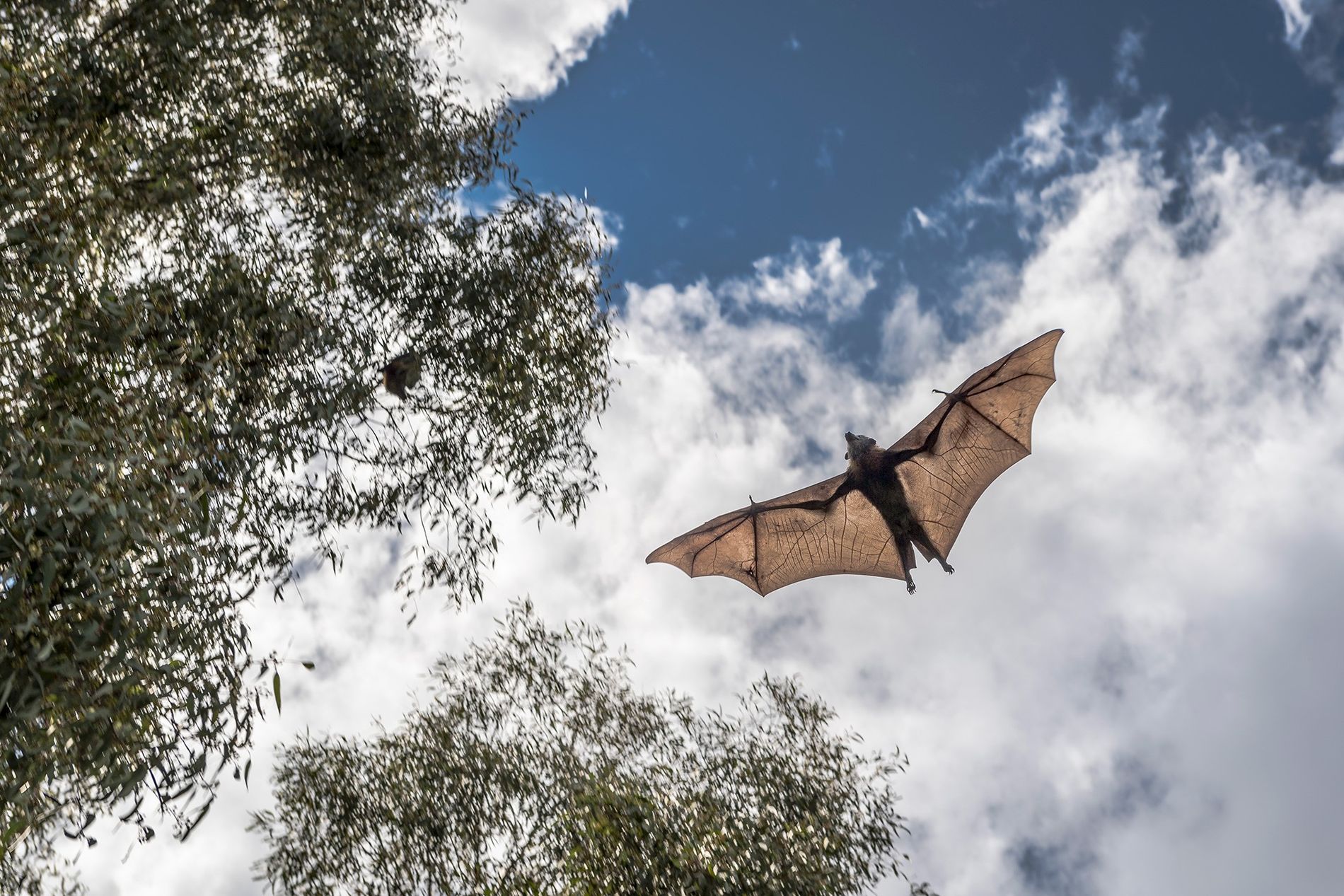


The Largest Bat On The Planet Can Reach 1.7 M In Wingspan, Weigh More Than 1.5 Kg, And Plays A Vital Role In Southeast Asian Ecosystems.
When it comes to bats, the most common image is usually that of small nocturnal animals flying unnoticed in the skies. However, there is one exception so impressive that it completely challenges this perception. The Pteropus vampyrus, commonly known as the giant fruit bat, is considered by science to be the largest bat in the world in terms of wingspan and one of the heaviest ever documented. It is a real, living animal, studied by zoologists and ecologists, and whose presence has a direct impact on entire forests.
This winged giant impresses not only for its size but also for the fundamental ecological role it plays in densely populated tropical regions, where the relationship between fauna, flora, and human activity is extremely delicate.
What Makes The Pteropus vampyrus The Largest Bat In The World
The title of the largest bat on the planet is neither symbolic nor controversial. It is based on actual measurements made by researchers over decades.
-
At an altitude of 400 km by astronauts from the International Space Station, Paris transforms at night into a golden mesh so precise that it reveals the outline of the Seine River, avenues, and entire neighborhoods like a luminous map drawn over the Earth.

-
iPhone 17 reaches historic low price with 256 GB, 120 Hz display, and drops to R$ 5,703 on Shopee, featuring A19 chip, dual 48 MP cameras, battery life of up to 30 hours, and advanced AI features.

-
Trip to Mars getting closer: Pulsar Fusion, from the UK, advances with plasma ignition in fusion engine and could drastically reduce space travel time, making crewed missions faster, safer, and economically viable.

-
Made with recycled plastic, a Lego-inspired brick builds a 180 m² house in 15 days, providing thermal comfort, preventing moisture, and turning waste into income, kits, and accelerated construction in the country.


The giant fruit bat can reach a wingspan of up to 1.7 meters, a distance comparable to the width of an adult human with arms outstretched. In weight, large individuals can exceed 1.5 kg, an exceptional figure for a bat.
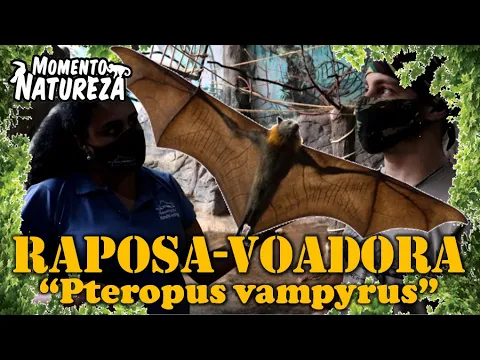

In body length, the animal can reach about 40 centimeters, not counting the wings. Unlike common insectivorous bats, its body is robust, with developed musculature to sustain long flights between feeding and resting areas.
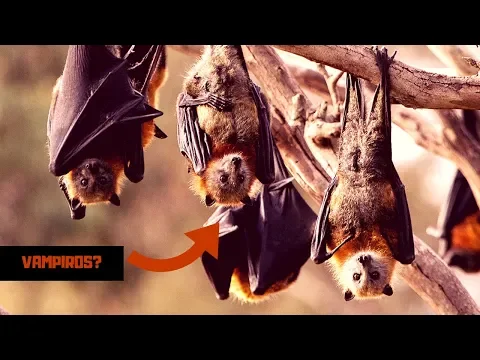
Another striking detail is its appearance: the face resembles that of a fox or a small dog, which explains the common name “flying fox”. This feature, far from being merely aesthetic, is associated with a very specific diet and behavior.
Where The Largest Bat On The Planet Lives
The Pteropus vampyrus is native to Southeast Asia, with confirmed records in countries like Indonesia, Malaysia, Thailand, the Philippines, and parts of Vietnam. It primarily inhabits tropical forests, mangroves, and wooded areas near rivers.
These bats often form large colonies, which can gather hundreds or even thousands of individuals, resting in tall trees during the day. At night, they undertake long movements in search of food, covering several kilometers in a single journey.
This ability to fly for extended periods is essential for their survival and also for the maintenance of the ecosystems where they live.
Fruit-Based Diet And The Ecological Role Of The Winged Giant
Contrary to what many might think, the largest bat in the world is not a predator. It feeds almost exclusively on fruits, nectar, and flowers. Figs, mangoes, bananas, and other tropical fruits are part of its natural diet.
This eating habit turns the Pteropus vampyrus into one of the most important seed dispersers in Southeast Asia. By consuming fruits in one place and flying great distances, the animal spreads seeds over wide areas, aiding forest regeneration and plant diversity.
Additionally, by visiting flowers in search of nectar, it contributes to the pollination of various species, some of which are economically important for human communities. Ecologically, the absence of this bat could jeopardize entire chains of forest regeneration.
Comparison With Other Giant Bats
Although there are other large bats in the world, none surpass the Pteropus vampyrus in wingspan. Species like the Pteropus neohibernicus also reach impressive sizes, but they generally fall short of the record-holder in confirmed measurements.
Famous bats from Latin America, such as the Vampyrum spectrum, although they are the largest predators on the American continent, do not come close to the size of the giant fruit bat. The Vampyrum spectrum has a wingspan of around 1 meter, significantly smaller.
This comparison reinforces that the title of the largest bat in the world consistently belongs to the Pteropus vampyrus.
Relationship With Humans And Frequent Conflicts
The extraordinary size of this bat also generates conflicts. In agricultural regions, it can be seen as a pest by fruit producers, as it feeds on cash crops. In some countries, this has led to hunting and drastic reductions in local populations.
There are also myths and misinformation associating the animal with exaggerated risks to human health, which has contributed to unjustified persecution. Scientific studies indicate that the greatest threat to the Pteropus vampyrus is not humans, but the rapid loss of habitat and forest fragmentation.
Conservation Status And Future Risks
Currently, the Pteropus vampyrus is classified as threatened on several conservation lists. Deforestation in Southeast Asia, combined with hunting and illegal trade, has significantly reduced its populations in some areas.

The loss of this bat would have profound environmental impacts. Without it, seed dispersal would decrease, forests would struggle to regenerate, and local biodiversity would be affected in a chain reaction.
Therefore, conservation projects have been implemented to protect resting areas, flight paths, and feeding sites of these animals.
A Real Giant That Challenges The Common Idea About Bats
The Pteropus vampyrus shows that the natural world still houses living animals capable of rivaling, in grandeur, famous extinct species. Its size, longevity, and ecological importance make it a true colossus of the tropical skies.
More than a curiosity, the largest bat in the world is a clear reminder of how seemingly discreet species can sustain entire ecosystems and how the loss of a single animal can trigger effects much larger than one might imagine.









You know there are flying foxes in Australia too right??
“Scientific studies indicate that the greatest danger to the **** … Pteropus vampyrus … is not man, but the accelerated loss of habitat and fragmentation of forests” … by man.
I love flying foxes and probably would have learned something IF background noise had not been so loud as to block out most of words. Maybe captioned explanations would have been better to get past language barrier issues too. I didnt get more than a few words that were said. Too bad.