





 Portuguese
  English
  Spanish
  4 min of reading
  0 comments


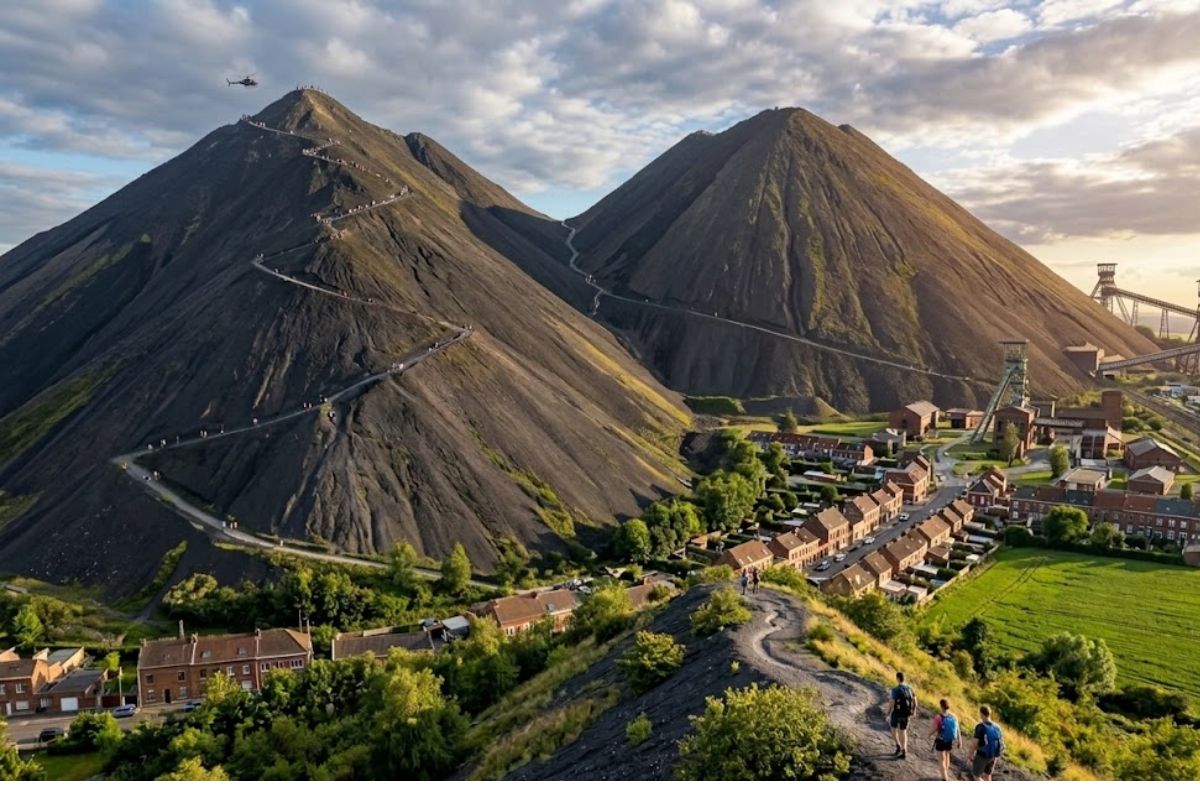
Formed by enormous volumes of mining waste from coal mining accumulated over decades of industrial activity, the slag heaps of Loos-en-Gohelle, in northern France, reach up to 186 meters in height and today function as scenic trails, natural lookouts, and protected areas with rich biodiversity.
The mining waste that once symbolized only the impact of coal exploitation in northern France has undergone an unexpected transformation. In Loos-en-Gohelle, gigantic slag heaps formed over decades have become true artificial mountains, now considered the tallest in Europe.
At up to 186 meters in height, these structures created from mining waste have ceased to be mere industrial deposits and have come to function as scenic trails and natural areas. The site features impressive landscapes, growing biodiversity, and a new significance for a region marked by mining history.
Slag Heaps That Surpass Natural Mountains
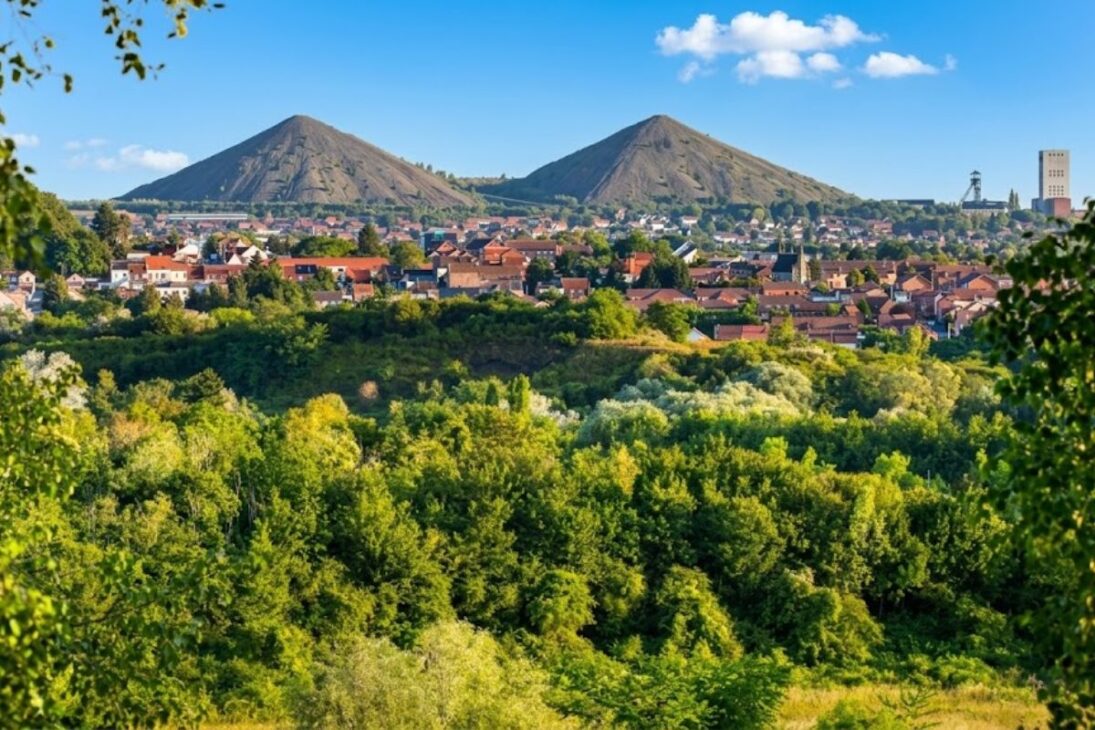
For decades, coal mining in northern France generated enormous volumes of mining waste, known as slag or shale. These materials were piled near the mines, gradually forming large heaps over time.
-
A gigantic dam project in the Himalayas could solve one crisis but silently create another for millions of people.
-
Nikola Tesla said that intelligent people tend to have fewer friends, and now science partially confirms this: a study with over 15,000 people showed that for the more intelligent, socializing too much can even reduce life satisfaction.

-
A superyacht worth US$ 17 million is delivered in impeccable condition, sets out to sail, and hits a bridge in the Bahamas just two hours later.

-
Residents of Australia woke up to a sky completely red like blood before the arrival of Cyclone Narelle, which hit the coast with winds of 250 km/h, tearing off roofs and lifting iron dust in a scene they described as apocalyptic.

In Loos-en-Gohelle, two of these twin heaps stand out due to their size. They reach about 186 meters above sea level, becoming the tallest slag heaps in Europe. The scale is impressive: structures created from industrial waste have completely transformed the regional landscape.
Over the years, these artificial hills have ceased to be seen solely as remnants of mining activity. Today they are recognized as part of the industrial heritage of the region, representing an important phase in the economic and social history of northern France.
Scenic Trails and Lookouts Over the Former Mining Region
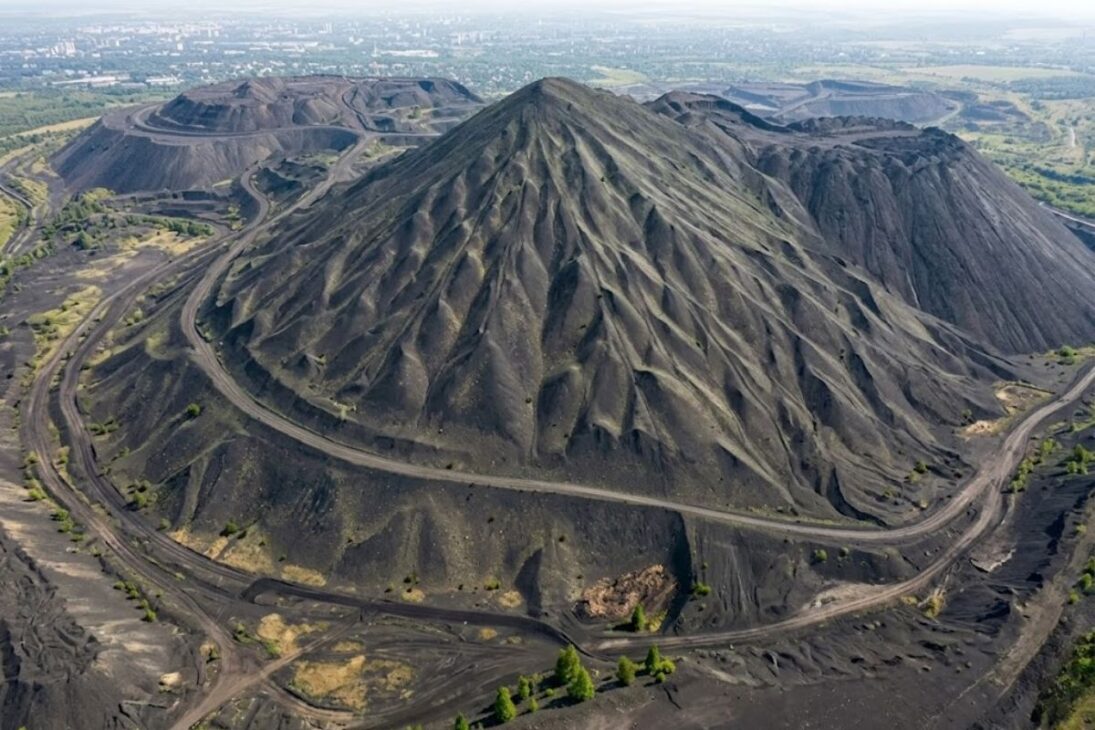
One of the most well-known heaps in the area is the slag heap No. 74a, adapted to welcome visitors. Trails have been created to allow ascent to the top, transforming the former accumulation of mining waste into a prime observation point.
The ascent can be challenging, as the path is steep, but along the way, there is an intermediate platform for rest. At the top, visitors find a 360° panoramic view of the entire mining region, revealing a landscape marked by old industrial structures and a succession of slag heaps.
Access to the site occurs via Base 11/19, on Léon Blum Street in Loos-en-Gohelle. From there, trails lead visitors to the heights of these artificial mountains, showing how mining waste has become part of tourism and leisure activities.
When Industrial Heritage Meets Nature
Another important area is in Pinchonvalles, where one of the largest slag deposits in Europe is located. The site is approximately 1.5 kilometers long and about 500 meters wide, dimensions that reinforce the impressive scale of these accumulations of mining waste.
Despite its industrial origins, the location has undergone a natural process of environmental transformation over the years. More than a hundred species of plants, birds, lizards, and amphibians have been recorded there, resulting from the gradual adaptation of nature to the new environment.
Recognizing this ecological wealth, the Pas-de-Calais Council designated the site as a Sensitive Natural Area. Today, walking trails between 1.5 km and 5 km allow exploration of the region while nature observers and visitors traverse a space that originated from industrial waste.
Steps, Trails, and Views Over Kilometers of Landscape
In Haillicourt, another striking example of the presence of mining waste in the landscape can be seen at slag heap No. 2. It rises about 180 meters above sea level and dominates the horizon for miles.
To facilitate access to the top, 420 steps were excavated on the slope of the artificial mountain, allowing visitors to reach an overlook with a wide view over the Artois hills and the chain of slag heaps scattered throughout the region.
These structures demonstrate how former industrial deposits have become unique observation points. From the top, it is possible to understand the magnitude of the mining activity that marked the territory for generations.
Mountains of Waste That Gained New Meaning
Another example is slag heap 110, located in the former complex of Pit 9-9bis in Oignies. Although it is not the tallest, the site offers a different experience for walking, running, and outdoor activities.
At about 70 meters in height, the highest point allows observation of the entire mining area surrounding it. The location integrates one of the five main memorial spaces of mining in the region, preserving the history associated with mining waste.
These heaps show how structures created from industrial waste can gain new functions over time. What was once seen merely as a consequence of mining now forms part of the cultural, historical, and environmental identity of the region.
The transformation of the slag heaps of Loos-en-Gohelle reveals a profound change in how former industrial areas are perceived. Formed from mining waste, these artificial mountains have transitioned from waste deposits to scenic trails, natural reserves, and symbols of European mining history.
In addition to preserving the memory of a significant period in the regional economy, these spaces demonstrate how industrial landscapes can be reinterpreted over time. The result is a unique blend of historical heritage, nature, and tourism.
And you, what do you think of this transformation? Places created from industrial waste can become natural and tourist destinations in the future? Share your opinion and join the conversation.








Seja o primeiro a reagir!