





 Portuguese
  English
  Spanish
 6 min of reading
  5 comments


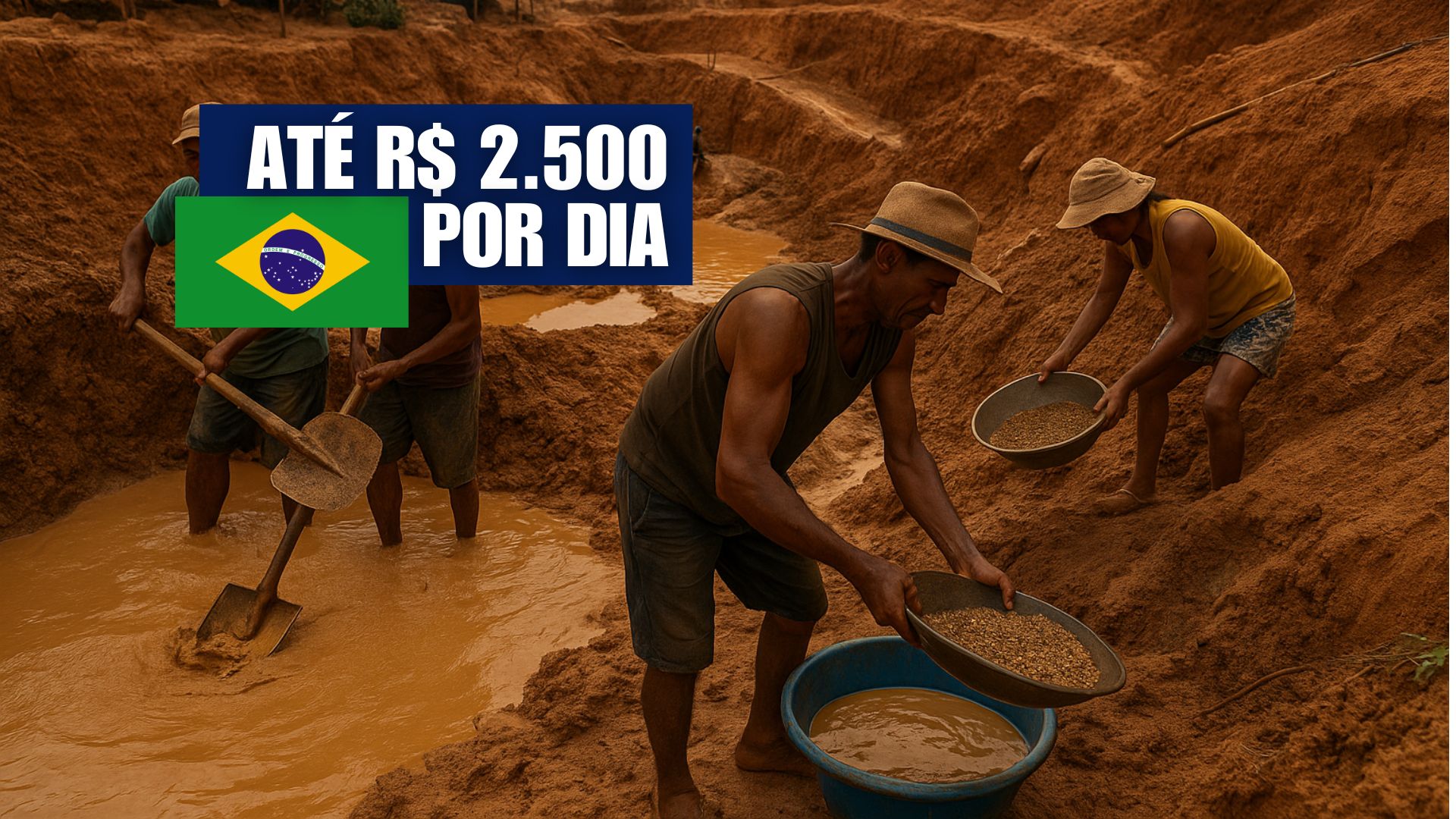


Mining in Tailings, Armed Conflict, and Social Impacts Drive Serra Pelada Amidst the Search for Remnant Gold.
In craters filled with mud and remnants of mining in southern Pará, hundreds of pickers scour through the tailings left by Vale daily in search of small gold particles.
The extraction is done with shovels, buckets, and sieves, without protection against contamination from mercury that affects soil, water, and air.
The risk is high, but the potential for gain is also: during periods of higher metal prices, a worker can earn up to R$ 2,500 per day, an amount greater than the monthly minimum wage in the region.
-
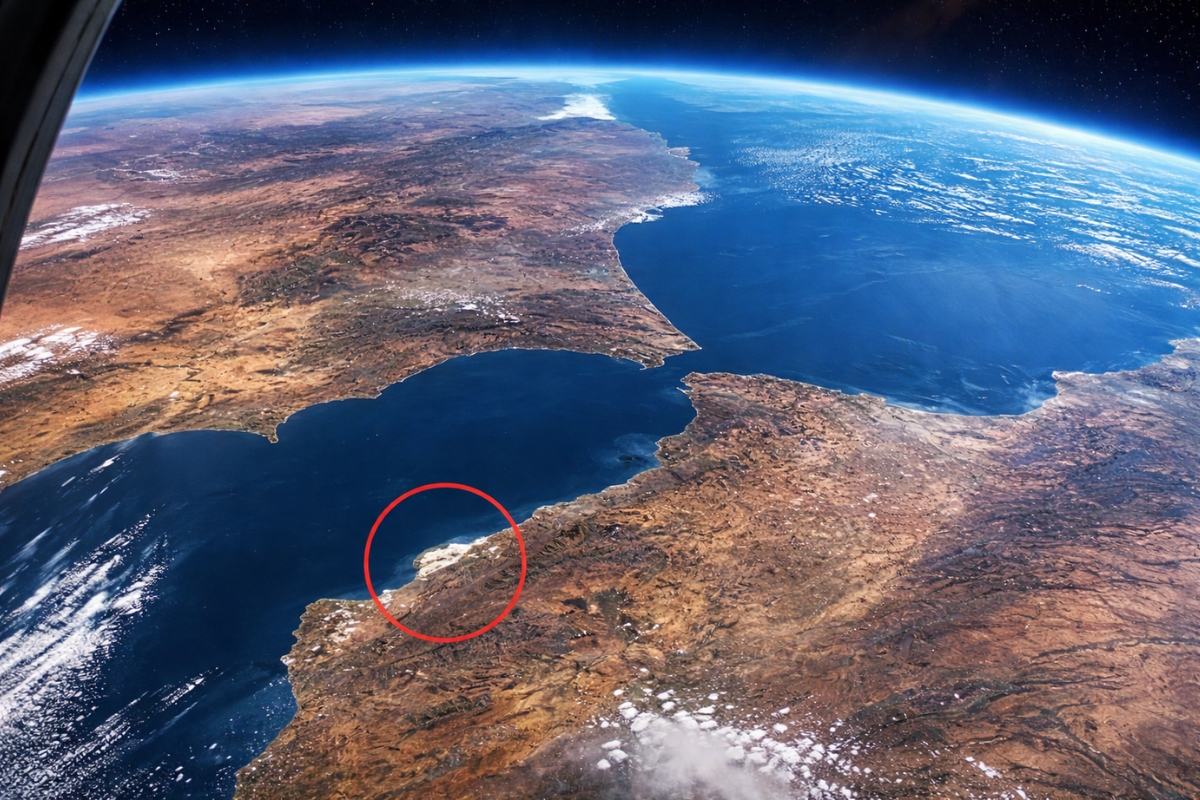
According to an analysis by NASA, only one human-made structure is visible from space, and it is not the Great Wall of China or the Pyramids of Egypt.
-
After 377 years of history, the Brazilian Army will have its first female general: Colonel Claudia Cacho has been promoted to brigadier general by Lula and will receive the sword and command baton this Wednesday in Brasília.

-
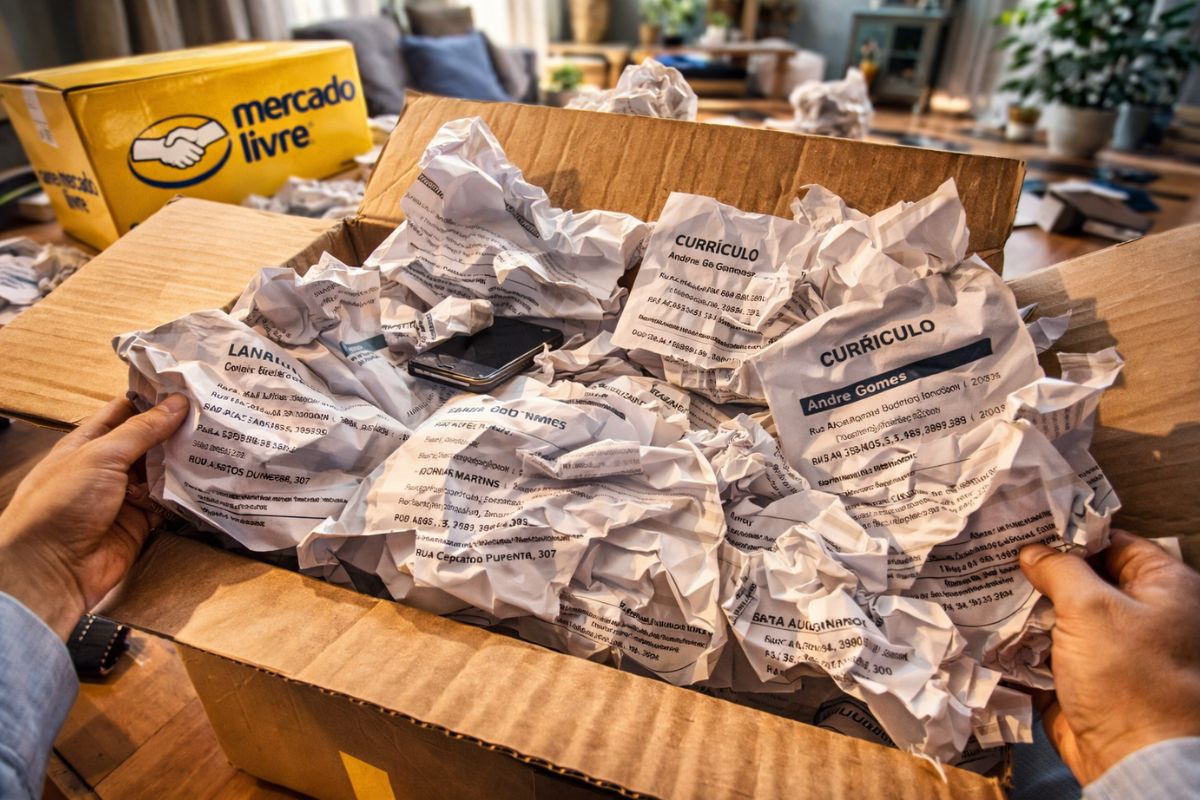
A Mercado Livre customer opened their package and found 32 resumes of people looking for jobs crumpled as protective paper inside the box, exposing names, addresses, documents, and phone numbers of dozens of candidates.
-
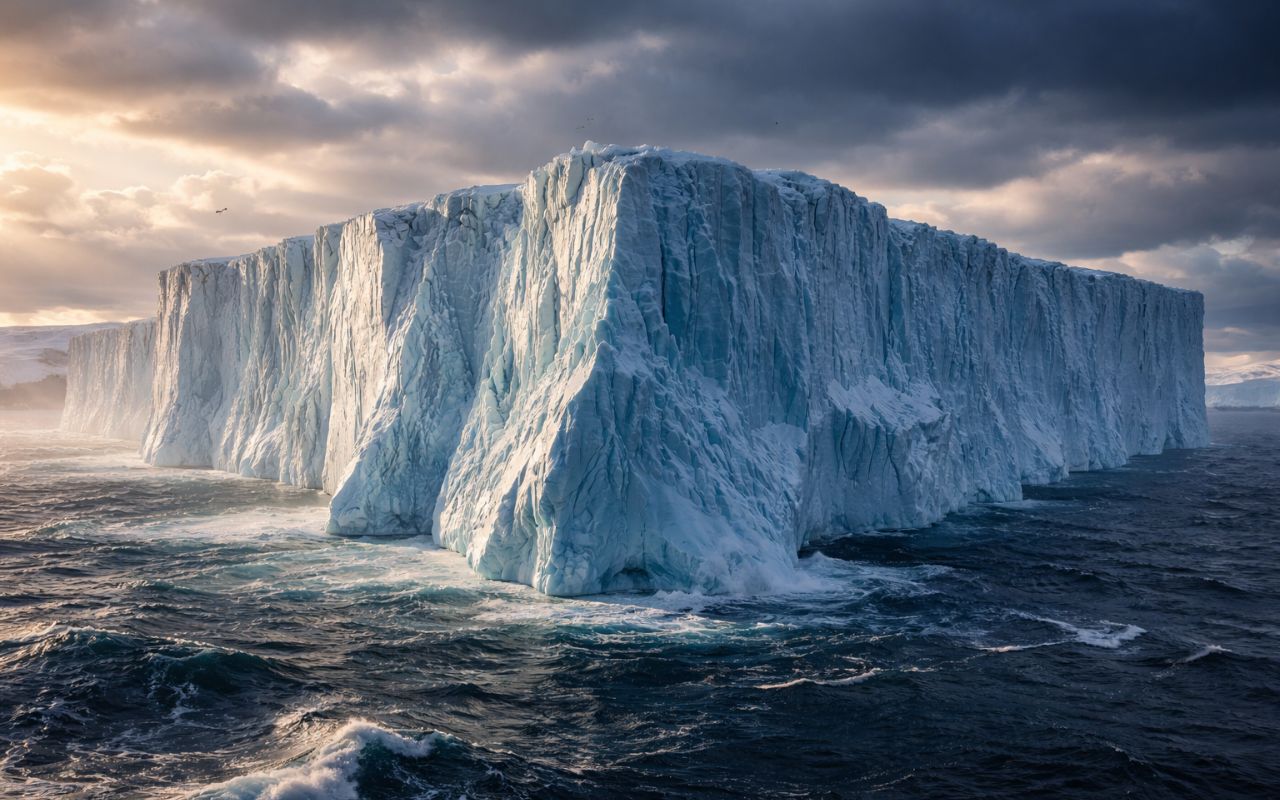
Iceberg A23a, one of the largest in the world, is undergoing accelerated collapse and may disappear: what explains the end of the ice giant?

Alongside the earnings, data from 2025 indicate 14 deaths in armed conflicts related to the control of mining areas in Curionópolis, a municipality that concentrates what is called “new Serra Pelada.”
Mining in Tailings and the Rise of Violence
The resurgence of mining in Serra Pelada gained momentum starting in 2024, fueled by gold prices above US$ 2,500 per ounce and high unemployment in the Carajás region, where cities like Curionópolis recorded an unemployment rate close to 15%.
Instead of new official fronts, the exploration shifted to the tailings accumulated in the old mining deposits.
Reports from the Brazilian Mining Institute identify more than 20 active points of illegal extraction in the residues of the former mine, with groups processing up to 50 tons of material per week.
The recovered gold largely goes to clandestine schemes that supply the external market, according to police investigations and data from the Federal Revenue Service.
Repression has not been able to completely dismantle the activity.
In April 2024, a Federal Police operation disabled five fronts of illegal mining in Curionópolis, destroying equipment estimated at R$ 5 million.
Even so, excavations continued in more isolated locations.
According to public security authorities, part of these locations is currently contested by organized groups operating in the region.
Where Serra Pelada is Located and How Mining Redesigns the Territory

The district of Serra Pelada is part of Curionópolis, in southeastern Pará, about 130 kilometers from Marabá, in the area of Serra dos Carajás, one of the largest mineral reserves in the country.
Before the gold rush, the economy depended on subsistence agriculture, extensive cattle ranching, and fishing in communities along the Tocantins River.
The discovery of gold in 1979 attracted around 90,000 miners and resulted in 42 tons of gold officially recorded.
The process left behind a lake of approximately 100 hectares formed by tailings.
Today, estimates from companies in the sector suggest that the tailings may contain about 50 tons of remnant gold, based on old surveys. This potential helps explain the resumption of activity.
In 2025, the Federal Public Ministry recorded 14 deaths in Curionópolis attributed to disputes over tailings areas.
According to public security reports, factions present in Amazonian municipalities have been active at these sites.
Routes from Tocantins and Maranhão are used by armed groups to access the region, according to police investigations.
Illegal gold exports originating from Pará totaled billions of reais in 2024, with growth compared to 2023.
The area has become one of the most monitored by environmental and security agencies due to the expansion of mining and the increase in land conflicts.
Pickers’ Routine: Mud, Heat, and Shootouts
The pickers’ routine begins early, in the tent shacks that surround the main excavation.
In improvised structures, families prepare food before descending into the crater, which reaches a depth of 10 meters in some sections.
There, workers enter pools of mud mixed with tailings and mercury residues, using buckets, shovels, and sieves.
The shifts last 12 hours under heat above 35 degrees and humidity close to 90%.
Each group moves between 2 and 5 tons of material per day.

During periods of high prices — such as the approximately US$ 2,700 per ounce recorded in 2025 — pickers report extracting up to 10 grams per shift, sold for around R$ 500 per gram.
On productive days, the collective income can reach R$ 10,000, with individual earnings of R$ 2,000 to R$ 2,500.
Armed confrontations frequently interrupt work. Residents claim that weekly shootouts occur in contested areas.
In one of these incidents, two people died in 2025, according to the Civil Police. Heavy rains between November and March flood shacks and wash residues into the Itacaiúnas River.
During the dry season, the mud compacts and raises dust with toxic particles, according to environmental technicians.
Veteran Workers and Mercury Contamination
Among the older workers is Francisco Osório, known as Chico, 71 years old, who leads a group of about 20 pickers.
He worked in the original mining during the 1980s and reports finding hundreds of kilos of gold during that time.
“The hunger for gold hasn’t ended,” he stated in an interview given in 2025. According to him, two shootouts were reported in the camp this year, one resulting in the death of a worker.
Health teams conducted tests showing elevated levels of mercury in some of the assessed workers.
Professionals report symptoms such as tremors, chronic fatigue, and difficulty concentrating, especially among the elderly.
Youth Out of School and Inside the Pit
The resumption of mining directly influences school attendance. In Curionópolis, dropout rates in basic education reached about 35% in 2025, according to state data.
The possibility of immediate income leads youths aged 14 to 20 to join family groups.
In some families, a month of work in the tailings covers annual expenses, which intensifies school abandonment.
The commute to Marabá, which can reach up to 50 kilometers, also hinders the continuation of studies.
Reports from the Department of Education mention a shortage of teachers, overcrowded classrooms, and inadequate infrastructure.
In areas of extreme poverty, adolescents represent about one quarter of the family income.

Academic studies show that mining districts such as Serra Pelada have a lower rate of high school completion.
Community leaders report contamination of locally consumed fish associated with mercury, with neurological symptoms in children.
Manual Techniques and Use of Mercury in Extraction
Extraction in Serra Pelada occurs with rudimentary methods. Shovels, hoes, buckets, and improvised pumps replace industrial machinery.
In several areas, mercury is still used to form amalgams, which are later heated in bonfires or adapted containers.
This practice contradicts the guidelines of the Minamata Convention, which restricts the use of mercury in artisanal mining.
Environmental operations estimate that each group may dump dozens of kilos of mercury per month into the environment.
A basic kit — including shovels, buckets, sieves, and pumps — costs around R$ 500, usually financed by intermediaries.
Nearby preservation areas, such as the Carajás National Forest, show extraction points overlapping protected zones.
Environmental agencies mention difficulties in monitoring due to the territorial expanse and reduced teams.
Quick Money and Persistence in Precarity
Even with high earnings on productive days, local infrastructure remains precarious.
A significant portion of the income is spent on fuel, tools, food, and medications.
On rare occasions, a worker manages to save around R$ 1,000 net.
The shacks remain as makeshift structures of canvas and wood, exposed to rain and armed confrontations.
Resettlement programs have built some wooden houses, but many families remain close to the pit. The circulation of money stimulates local informal trade.
At the same time, medical costs related to mercury poisoning and accidents reduce part of the income, according to health professionals.
In 2025, the Federal Police dismantled a mercury trafficking network that supplied mining operations in the region.
The New Gold Tourist Route of Serra Pelada, launched with the support of Sebrae/PA, aims to present the history and local cultural activities.
Meanwhile, police operations and reports of violence continue to be recorded in the camps.
Pickers work among tents made of fabric, muddy pools, and residues from the old mining.
When you observe the persistence of youth and adults in areas marked by conflict, what should be the long-term impact of this new rush for tailings in Serra Pelada?




É triste ler uma noticia dessas e pensar que foram investidos milhões de reais para realizar um evento que não vai beneficiar nem mudar a vida de ninguém numa região que precisa tanto de mudança. Com isso vemos que quanto mais pobre o ESTADO te deixar mais fácil será te controlar.
Ilegal é o país ter DONO e o dono ser o ESTADO, formado por POLITICOS e FUNCIONÁRIOS PÚBLICOS, que nem trabalho degradante, em condições que nenhum dos DONOS do país suportaria eles permitem que as pessoas trabalhem.
O ESTADO é o maior CÂNCER do país, fazendo de TUDO para atrapalhar de todas as formas os Brasileiros de bem.
Sob o pretexto ridículo de meio ambiente, direitos humanos, etc, tem a CORAGEM de chamar TRABALHO de GARIMPO ILEGAL.
Ilegal é tudo aquilo que não beneficia o ESTADO.
Concordo plenamente… Esses **** que estão no congresso nacional, senado federal e presidência da república… Esses são ilegais… Pois foram eleitos pra defender a vontade do povo brasileiro… E só defendem interesses do próprio bolso 🤮🤮🤮🤮
Perdi 10 anos dentro de garimpos pura ilusão
E vc morou, comeu, viveu, trabalhou onde nestes 10 anos? Não foi no garimpo? Se vc tivesse outro trabalho não iria para lá.