





 Portuguese
  English
  Spanish
  7 min of reading
  1 comment


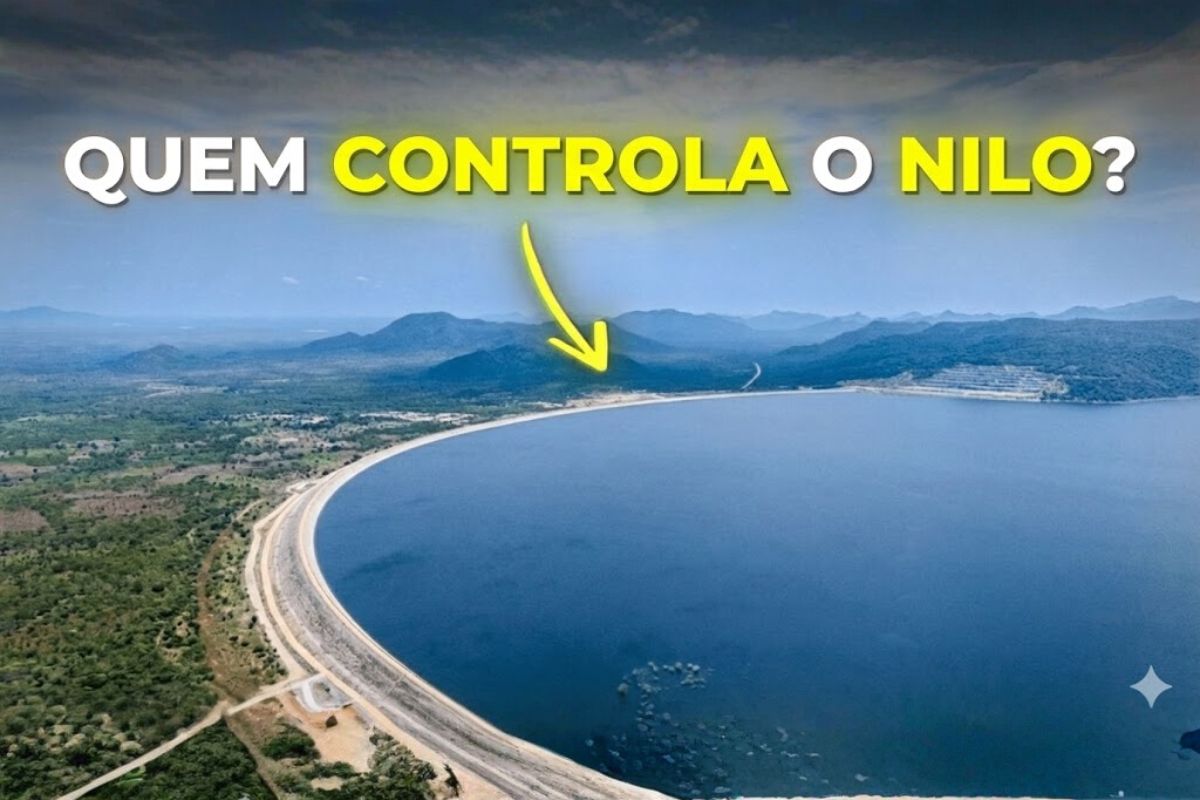


While Countries Race to Erect Hydraulic Megaprojects, the Largest Dams Under Construction Divert Rivers, Concentrate Energy at Each Hydroelectric Plant, Expand Controversies at the Medog Hydroelectric Plant, Design the Diamer-Bhasha Dam, and Expose the Political, Environmental, and Economic Impact of This Global Dispute Over Water, Security, Development, and Global Future.
Hydraulic megaprojects have ceased to be merely large engineering works and have become strategic instruments of power. Each new hydroelectric plant, each expanded reservoir, and each river diversion redefines water flows, energy chains, and regional balances, from the interiors of Colorado to the mountains of Pakistan, from Ethiopia to Tibet.
At the same time, the largest dams under construction raise urgent questions: who controls the water, who pays the environmental cost, and who captures the economic gains. From the Diamer-Bhasha Dam to the Medog Hydroelectric Plant, the map of energy and water security is being redrawn in real time, with direct impacts on millions of people downstream of these projects.
Why Hydraulic Megaprojects Have Returned to the Agenda

Hydraulic megaprojects are regaining prominence in a context of more unstable weather, prolonged droughts, heatwaves, and increasing demand for electricity.
-
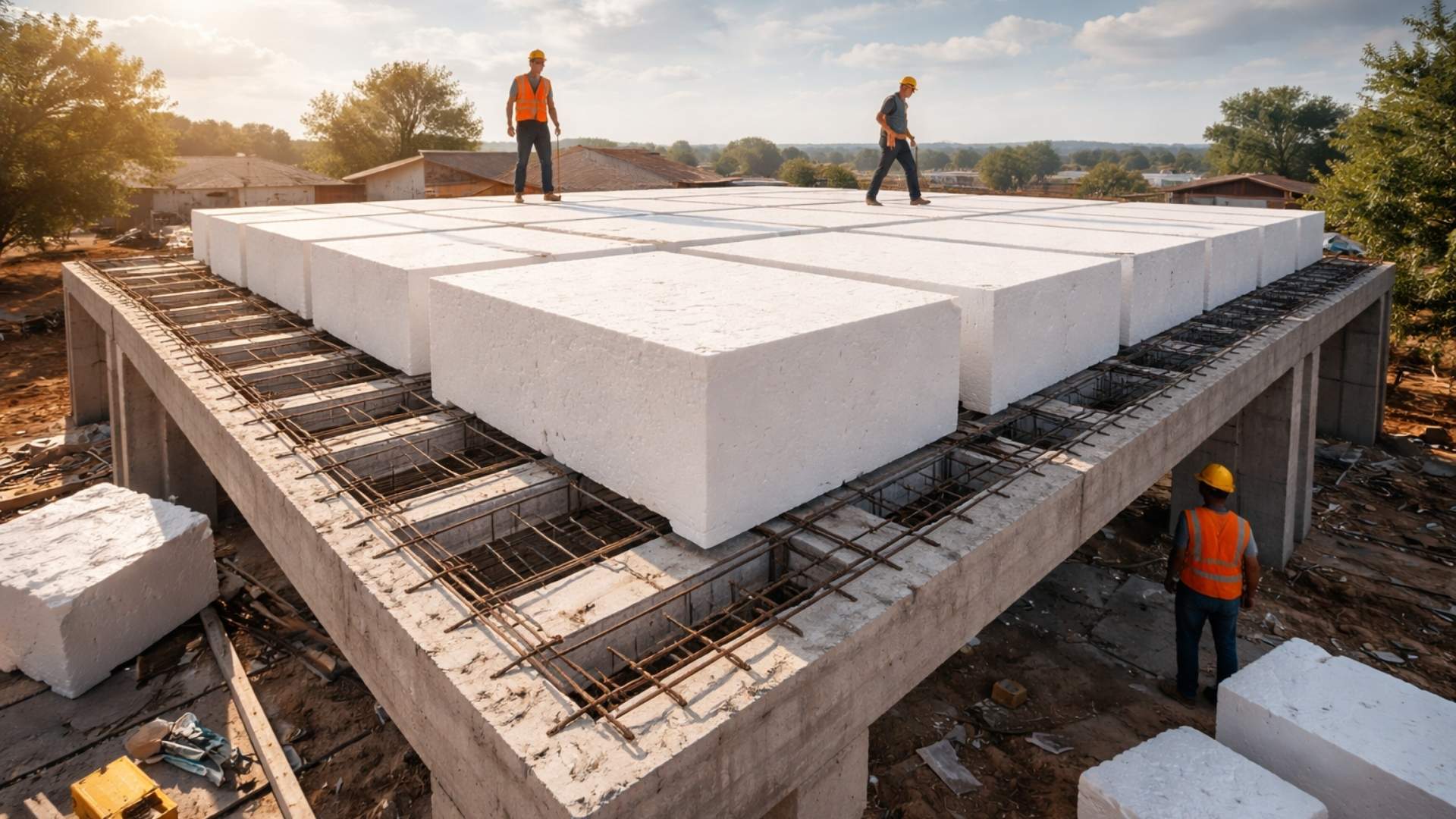
Forget concrete: architects are replacing tons of concrete with giant blocks of expanded polystyrene to build the roofs of houses and reduce structural weight by up to 50%, cut costs, improve thermal insulation, and speed up construction.
-
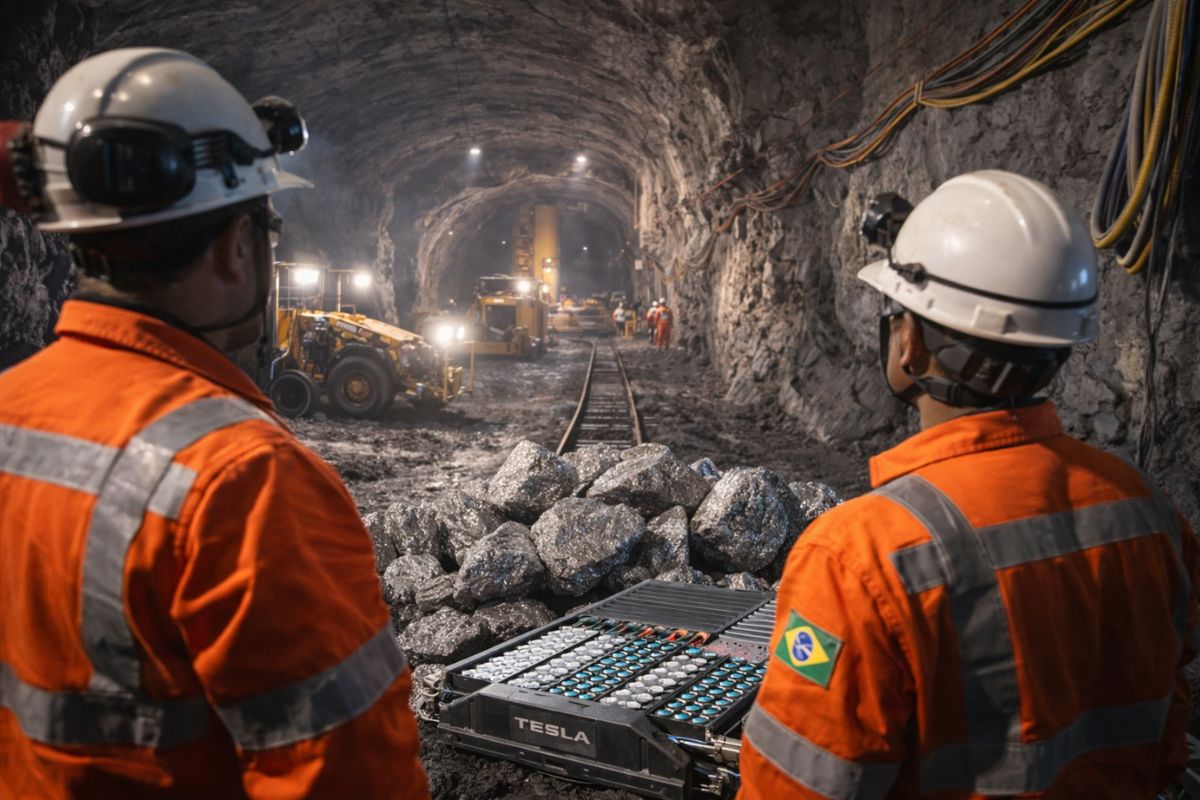
The Brazilian state enters the center of the global race for critical minerals by starting the construction of the largest underground nickel mine in Latin America, a mineral essential for electric car batteries that the entire world is competing for at this moment.
-
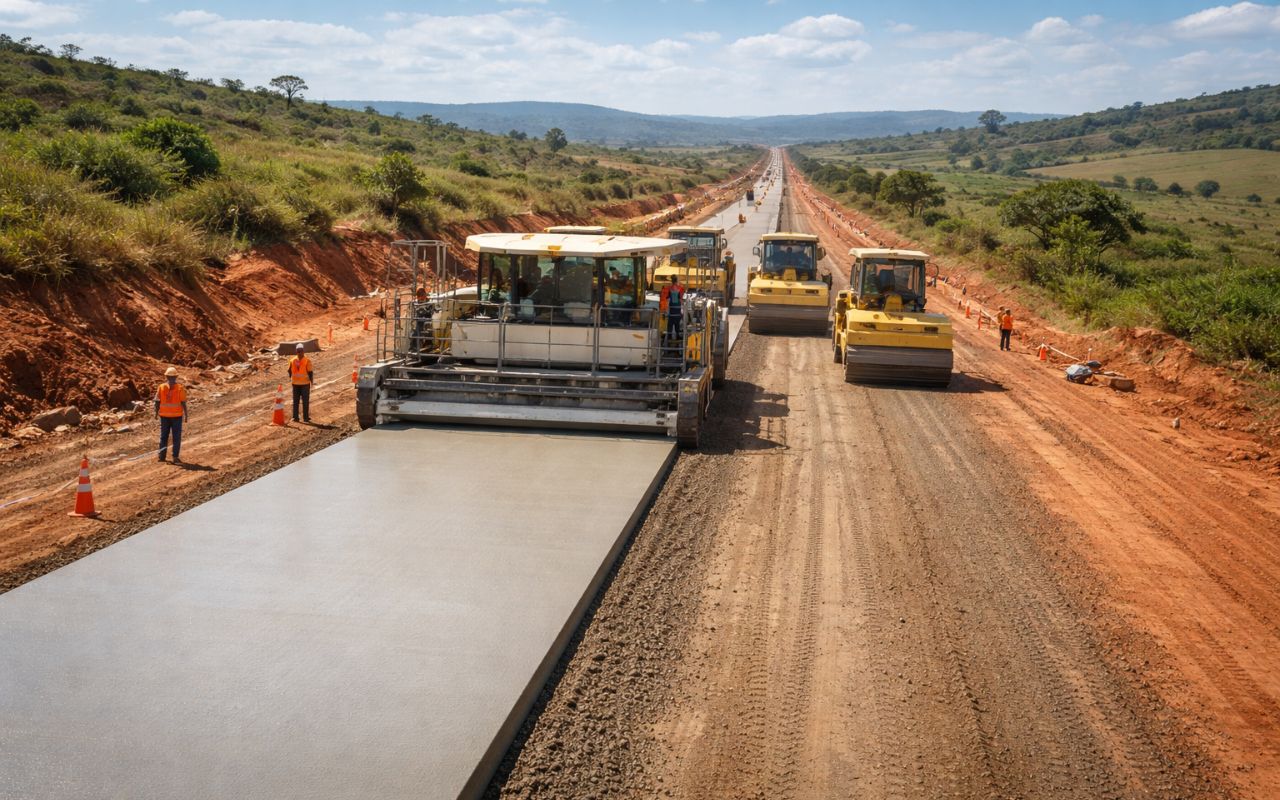
New CCR concrete paving technology promises roads up to 3x more durable, less maintenance, and cost reduction in Brazil.
-
Made from recycled plastic, plastic wood is gaining space in the construction industry because it does not rot, resists moisture, and reduces maintenance costs over the years.


Governments see the largest dams under construction as a way to combine three goals at once: storing water, generating energy at hydroelectric plants, and mitigating flood risks.
In Colorado, the expansion of Gross Reservoir illustrates the logic of reinforcing water security without abandoning existing structures.
By raising the original dam by about 40 meters, with 118 compacted concrete steps, the reservoir’s capacity increases from approximately 52 million to 147 million cubic meters, nearly tripling the available volume. In practice, it serves as insurance against fires, droughts, and contaminations that have previously jeopardized Denver’s supply.
What Is at Stake in the Largest Dams Under Construction

When discussing the largest dams under construction today, the focus shifts from merely local to clearly geopolitical.
The Diamer-Bhasha Dam, in northern Pakistan, is an emblematic example.
Built on the Indus River, the Diamer-Bhasha Dam is expected to exceed 270 meters in height, create a reservoir of about 10 billion cubic meters, and integrate a large hydroelectric plant aimed at stabilizing the national electrical grid.
This reservoir, which can store around 15% of the annual flow of the Indus, is a key piece for irrigating over 80% of Pakistan’s agriculture that depends on this river, in addition to functioning as a buffer against seasonal flooding.
Simultaneously, the project faces classic technical challenges of hydraulic megaprojects: diversion tunnels excavated into the mountain slopes to move the river away from the construction area, temporary cofferdams, and foundations anchored in rock to withstand the pressure of a lake extending dozens of kilometers.
In Africa, the Grand Ethiopian Renaissance Dam on the Blue Nile follows a similar logic.
With about 145 meters in height and 1.8 kilometers in width combining the main dam and saddle dam, the project is designed to form one of the largest reservoirs in the region and power a hydroelectric plant with an estimated annual capacity of 15.7 terawatt-hours.
It represents a leap in electricity generation for Ethiopia but also a sensitive point for downstream countries, which fear the impact on the flow of the Nile.
Further north, in Central Asia, the Rogun Dam in Tajikistan is moving towards becoming the tallest dam in the world, at around 335 meters.
There, the option was not concrete, but a rockfill dam with a compacted clay core, forming a structure capable of storing about 13 billion cubic meters of water to feed a planned hydroelectric plant with six turbines and a combined power of 3.6 gigawatts.
Power, Water, and Tension: From the Nile to the Indus
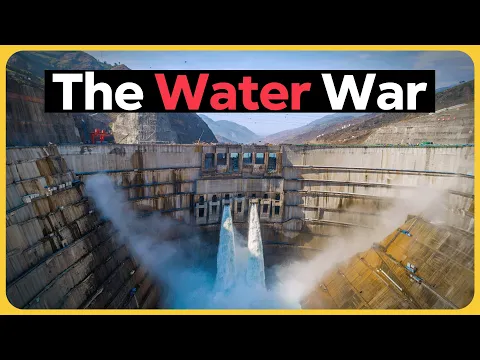

These hydraulic megaprojects do not exist in a technical vacuum.
They are situated in basins shared by different countries and thus quickly become national security topics.
When a new hydroelectric plant controls the flow of a transboundary river, the debate shifts from mere engineering to sovereignty.
In the case of Ethiopia, the Grand Ethiopian Renaissance Dam places a significant portion of the Blue Nile’s flow under Ethiopian control, just a few kilometers from the border with Sudan.
Egypt and Sudan fear that the filling and operation of the reservoir will significantly alter the availability of water for irrigation and urban consumption, turning the dam into a source of intense diplomatic dispute and, at times, conflict rhetoric.
In Pakistan, the Diamer-Bhasha Dam also holds strategic significance beyond internal borders.
While integrating into a hydroelectric system to ensure energy and irrigation, the Diamer-Bhasha Dam influences the regime of the Indus River in a sensitive region, with geopolitical interfaces and historical disputes.
Control over reservoirs and sluices becomes bargaining power at negotiation tables and an instrument of internal and external policy.
From the Diamer-Bhasha Dam to the Medog Hydroelectric Plant: Extreme Escalation
If the Diamer-Bhasha Dam represents a significant leap in storage and generation capacity for Pakistan, China projects an even more extreme level at the Medog Hydroelectric Plant.
The project, located on the Yarlung Tsangpo River in the region of the world’s deepest canyon, was conceived as a run-of-river complex with five plants distributed around the so-called Great Bend, interconnected by four giant tunnels excavated in the mountain.
The expectation is that when fully completed, the Medog Hydroelectric Plant will be capable of generating about 300 terawatt-hours per year, surpassing the combined output of other large hydroelectric plants.
This is one of the most ambitious hydraulic megaprojects ever planned, with an estimated cost of more than $160 billion and a completion timeline around 2033, according to the presented projections.
In this context, the Medog Hydroelectric Plant exceeds the classic role of generation infrastructure.
It consolidates Chinese control over a strategic stretch of the Yarlung Tsangpo, which continues towards India and Bangladesh, in a basin that hundreds of millions of people depend on.
The combination of a hydroelectric plant of this scale, the intensive use of diversion tunnels, and intervention in an unstable and seismically active canyon reinforces the perception of risk for neighbors and environmentalists.
Environmental and Social Risks of Hydraulic Megaprojects
Behind the discourse of clean energy and supply expansion, hydraulic megaprojects carry a robust set of social and environmental impacts.
Displacement of communities, alteration of aquatic ecosystems, loss of biodiversity, accelerated siltation, and seismic risk associated with the weight of large reservoirs are recurring effects in works of this scale.
In China, the Baihetan Dam, standing at 289 meters high, spanning over 700 meters wide and equipped with 16 turbines of 1 gigawatt each, required the relocation of tens of thousands of residents in a remote and mountainous area, as well as severe interventions in steep valleys.
In Tajikistan, the Rogun Dam progresses over a narrow gorge of the Vakhsh River, demanding deep excavations and continuous stabilization of the slopes.
Even projects aimed at reinforcing supply, such as Gross Reservoir in Colorado, impose delicate environmental challenges.
Maintaining the reservoir in operation during the elevation of the dam work, using compacted roller concrete and a stepped structure, requires strict control of sediments, water quality, and the stability of the existing structure.
In all these cases, hydraulic megaprojects concentrate risks and benefits at a few points in the basin, making transparency of impact studies, negotiation with local communities, and the adoption of consistent socio-environmental compensation plans crucial.
The Future of Hydraulic Megaprojects
The simultaneous advancement of dams like Rogun, the Diamer-Bhasha Dam, the Grand Ethiopian Renaissance Dam, Baihetan, and the Medog Hydroelectric Plant shows that hydraulic megaprojects will continue to shape the 21st century.
Engineering has evolved with techniques such as roller-compacted concrete, large-diameter diversion tunnels, and real-time monitoring systems, making feasible works that were once considered impractical.
At the same time, there is increasing pressure for the largest dams under construction to be compared, in cost and benefit, to alternatives such as solar, wind, and more distributed generation networks, especially in countries with limited budgets.
In nations like Tajikistan, whose GDP is several times smaller than the estimated cost of the Rogun Dam, dependence on external financing and long-term debt are variables as relevant as the capacity of the hydroelectric plant to be installed.
In the end, hydraulic megaprojects are not just engineering landmarks, but political decisions about who will have water and energy, in what quantity and under what conditions.
The challenge is to balance water security, electrical expansion, environmental integrity, and regional stability on a board where the pieces are entire rivers, excavated mountains, and millions of people downstream.
And you, do you think it still makes sense to bet on giant hydraulic megaprojects like the Medog Hydroelectric Plant and the Diamer-Bhasha Dam, or should the future prioritize smaller, more distributed, and less risky solutions for the climate and local populations?








Why this article is silent about dams in India, especially those in occupied Kashmir.