





 Portuguese
  English
  Spanish
 3 min of reading
  4 comments


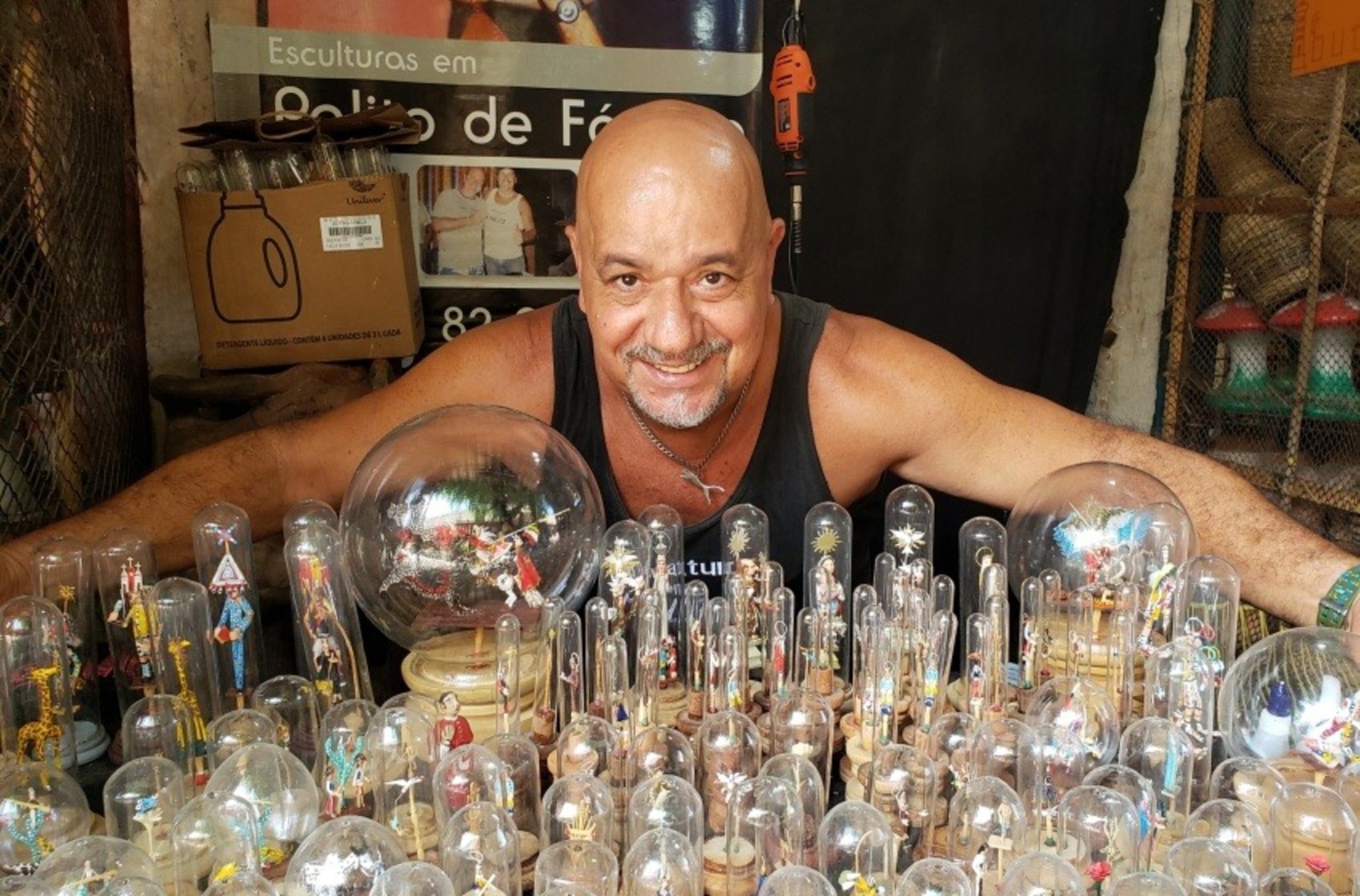


Craftsman from Maceió Creates Sculptures from Matchsticks and Has Produced Around 50 Thousand Pieces, Including Works Shown in a Globo TV Soap Opera
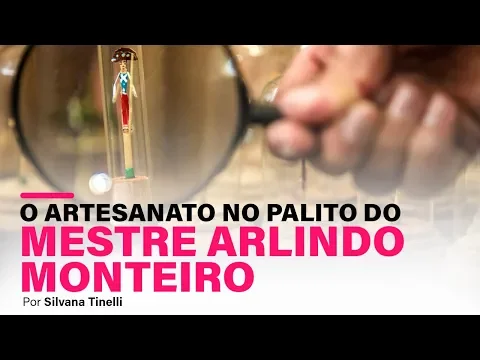
With a scalpel, glue, and paint, craftsman Arlindo Monteiro, 64, transforms matchsticks into detailed sculptures. His work in Maceió has gained national recognition and appeared in the opening of the soap opera “Da Cor do Pecado,” aired in 2004.
Craftsman Transforms Matchsticks into Sculptures
Arlindo Monteiro became known as “Arlindo dos Palitos” for dedicating decades to creating matchstick sculptures.
This rare technique in Brazil requires delicate cuts and manual precision to transform simple objects into intricate pieces.
-
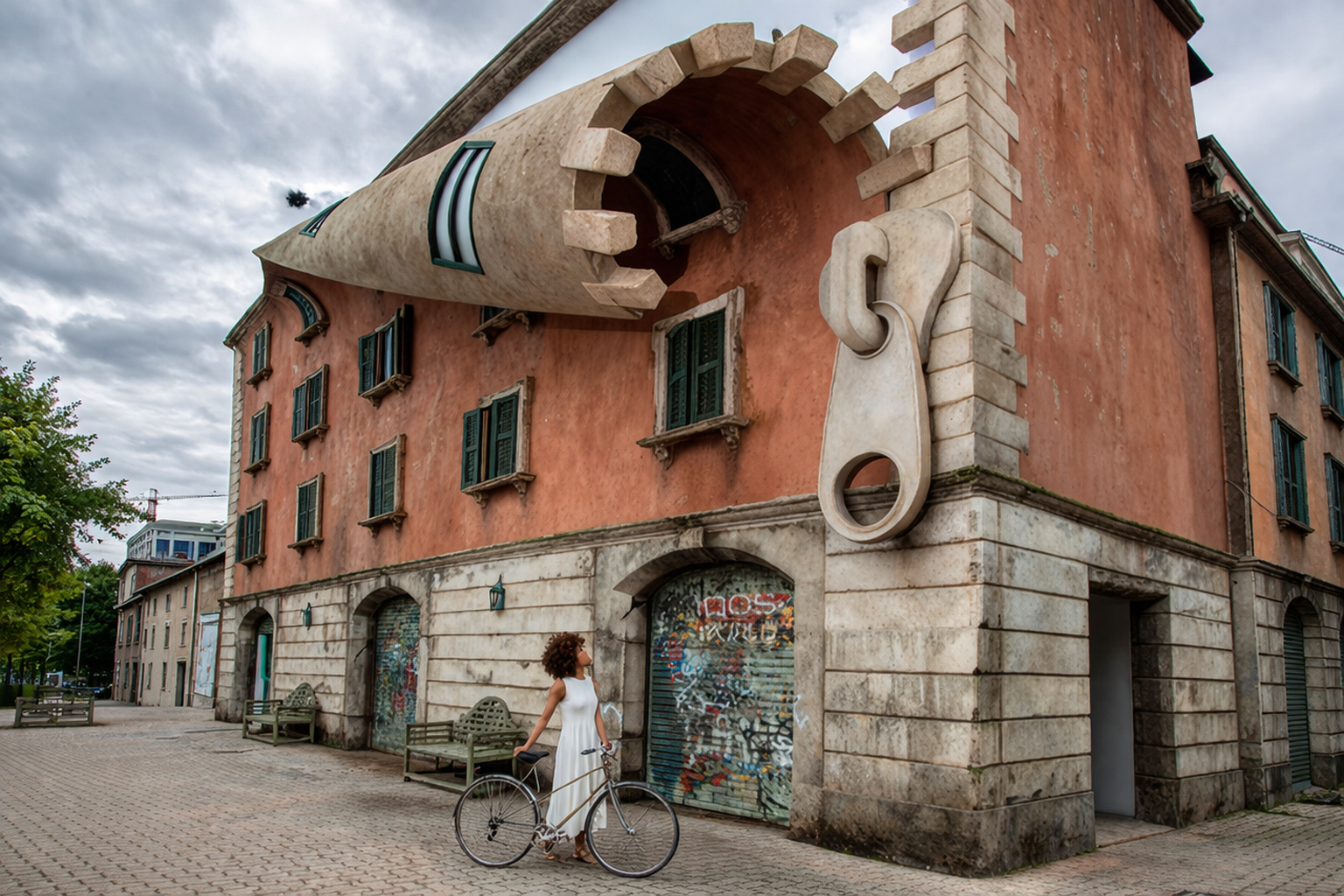
With a façade that resembles a giant zipper, the building in Milan creates a sense of strangeness, featuring lighting that transforms engineering and attracts the attention of residents and tourists.
-
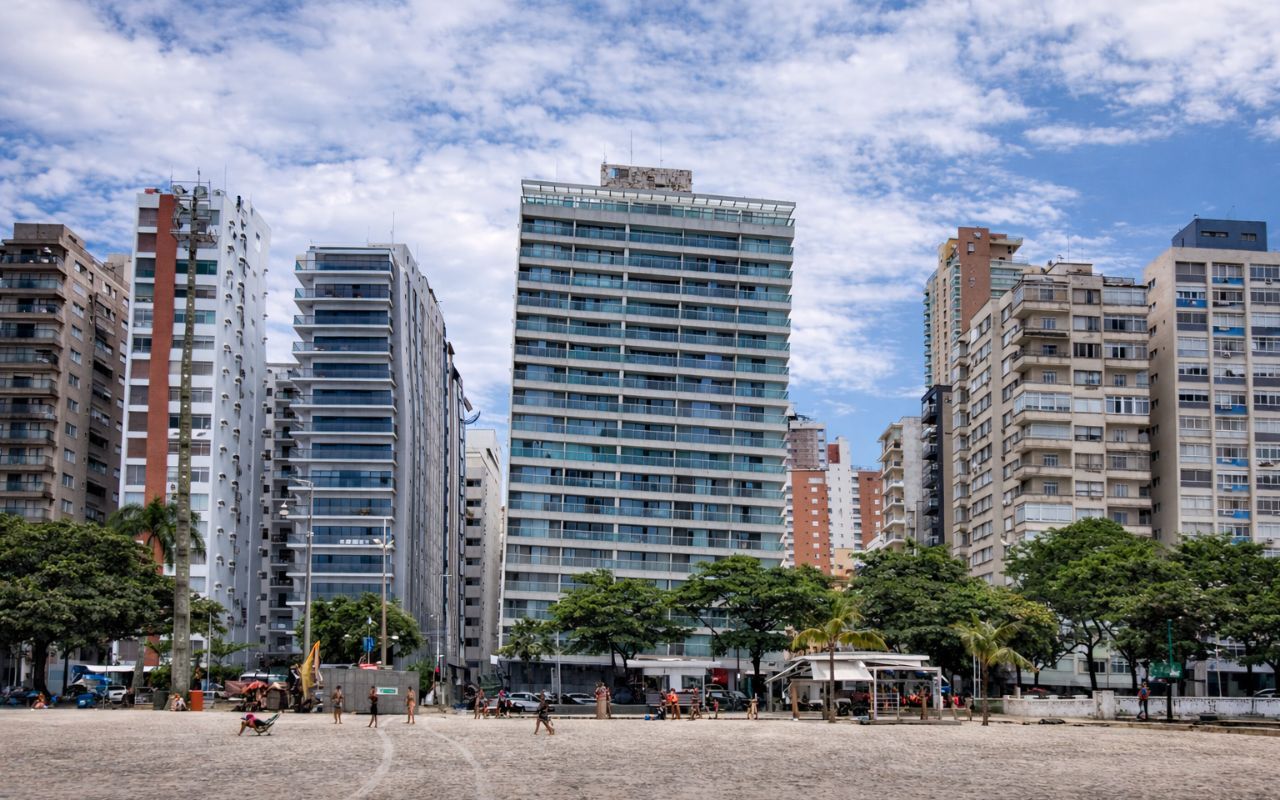
The Brazilian city has 319 crooked buildings built on sandy soil without proper deep foundations, houses the largest beach garden in the world, with over 5 km, and is still considered the birthplace of surfing — meet Santos, in São Paulo.
-
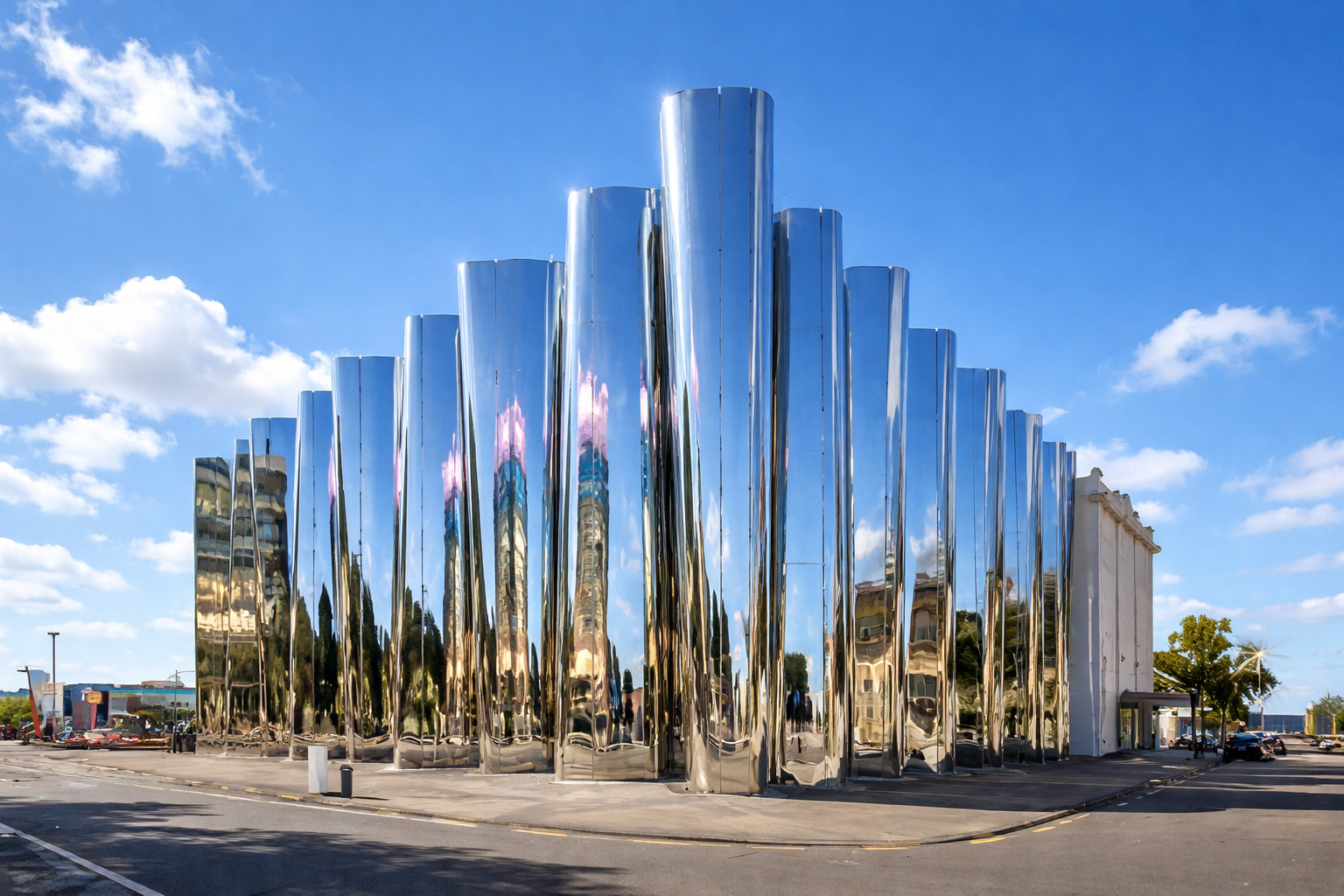
New Zealand builds a shimmering building that vibrates, featuring a 62-seat cinema, moving sculptures, and an environment where sound, light, and energy are felt in the body.
-
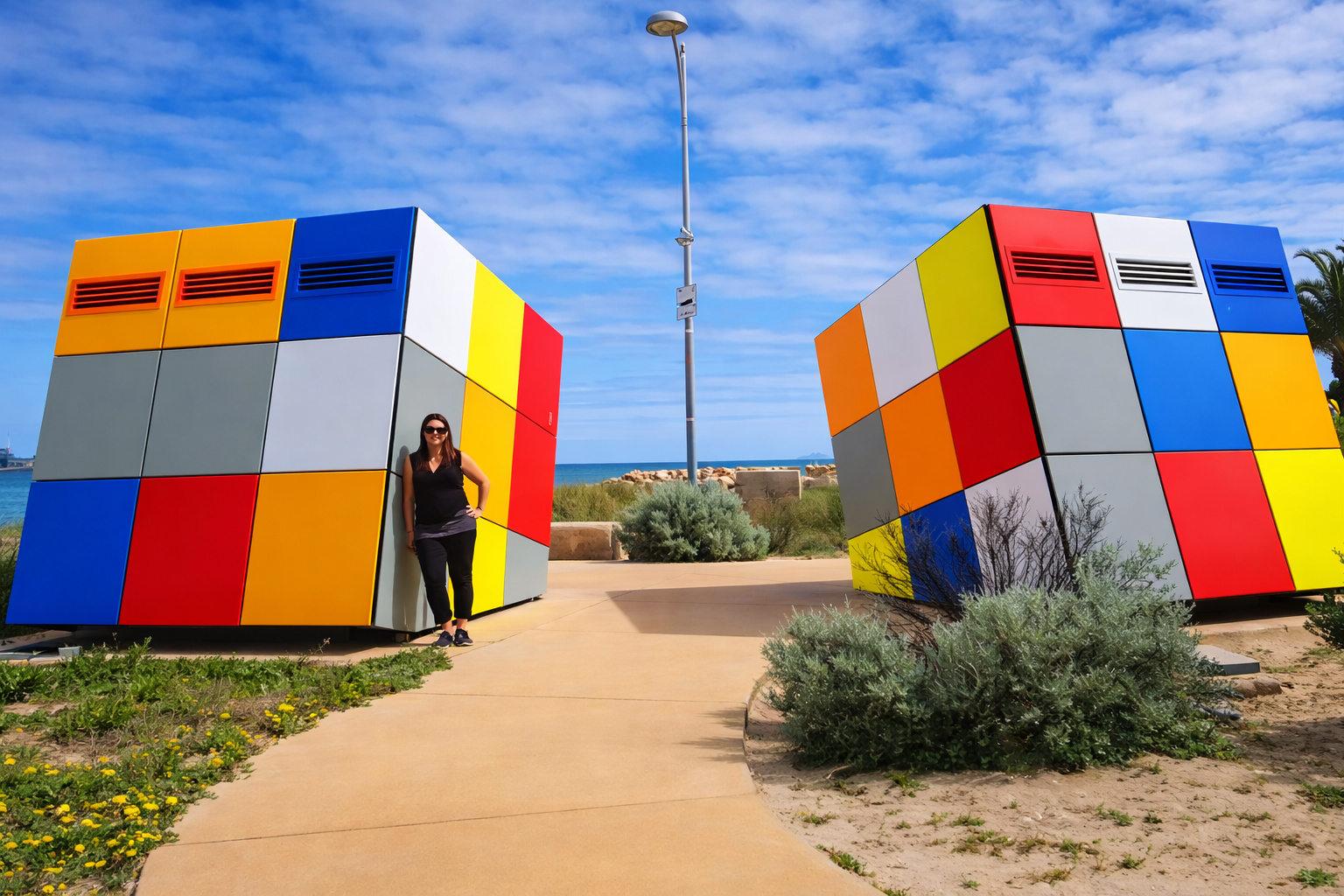
Two colored cubes of 2.5 m transform a public bathroom into a selfie spot in Western Australia, costing up to 75% less than traditional construction and helping to reduce vandalism in public spaces.

Throughout his career, he has produced around 50 thousand sculptures. The pieces have spread across different regions of Brazil and have also reached other countries, expanding the recognition of his artisanal work.
The craftsman states that the recognition received over decades of dedication represents an important reward.
According to him, being called a master after so many years working with manual art is a source of great satisfaction.

Participation in Soap Opera Brought Art to Millions of People
Part of the Brazilian audience has already come into contact with Arlindo’s work without knowing. In 2004, his mini sculptures were used in the opening of the soap opera “Da Cor do Pecado,” aired by Globo TV.
The pieces were produced at the invitation of designer Hans Donner, responsible for the station’s bumpers. Arlindo created matchstick versions of the characters from the plot.
The work took his art from Maceió to millions of televisions across the country. The matchstick sculptures appeared in the opening of the soap opera, highlighting the artisanal technique and the level of detail of the pieces.
Process Requires Concentration and Absolute Precision
In the improvised studio, each sculpture is born from cuts made with a scalpel on a single matchstick. From these interventions, figures such as flowers, birds, saints, and characters from popular culture emerge.
The process requires patience and total concentration. Arlindo says he often loses track of time while working on the matchstick sculptures, immersed in the construction of intricate pieces.
Among the themes represented are saints such as St. Francis of Assisi, St. Michael the Archangel, and St. George. Also depicted are portraits of artists, scenes from everyday life, and figures related to music and sports.
Origin and Trajectory in Craftsmanship
Arlindo was born in Bezerros, Pernambuco, but has lived in Maceió for about 40 years. Son of a shoemaker and a seamstress, he began developing manual skills early.
In childhood, he helped his father with work and also stood out in school. According to him, classmates wanted to do group projects because they recognized his ease in drawing.
Before dedicating himself to matchstick sculptures, he experimented with other forms of art. He produced paintings on canvas and sculptures made from coconut trunks.
A Dream That Defined His Artistic Path
The decision to work with matchsticks arose 36 years ago, after a dream that marked his trajectory. In it, Arlindo saw a crucified Christ carved from a matchstick.
The vision inspired the first piece produced with this material. Since then, matchsticks have become the craftsman’s primary raw material.
Today he divides his time between the studio set up at the back of his house and the Maceió Crafts Market, where he exhibits and sells his matchstick sculptures.
Even with recognition outside the state, Arlindo states that manual art still needs to be more valued locally. After 51 years dedicated to craftsmanship, he continues to produce new pieces daily.
With information from G1.







Parabéns ao artista e sem contar que são trabalhos tão minuciosos e o cara não usa uma lente de aumento e muito menos óculos.
Parabéns mesmo. E a delicadeza dos detalhes e o prazer que ele passa em fazer o trabalho dele.
Que Deus cultive esse dom eternamente.
🙏🏻🙏🏻🙏🏻🙏🏻🙏🏻
Um deboche de lindo….maravilhoso.estive no armazém do artesanato mas não vi….
Muito lindo e magnífico seu trabalho merece uma nota altíssima.