





 Portuguese
  English
  Spanish
  5 min of reading
  0 comments


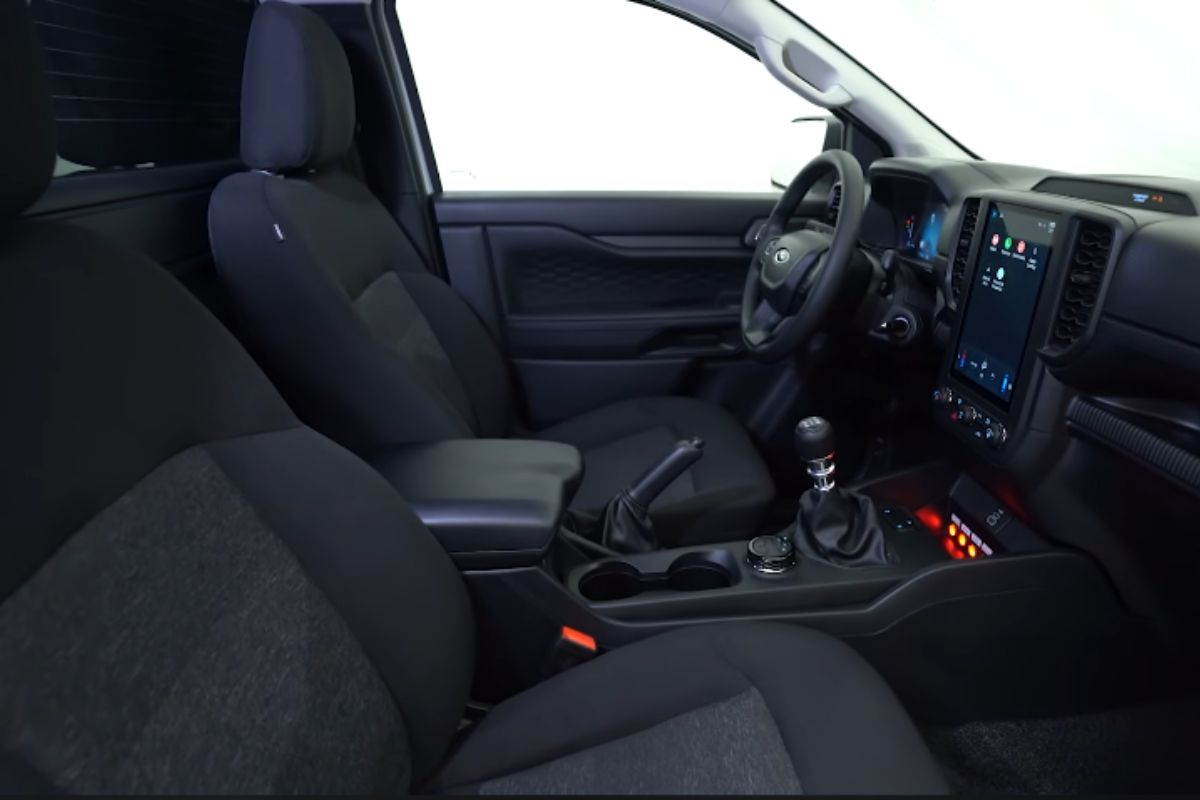
The New Ford Proposal Expands the Professional Line of the Ranger in Brazil with Single Cab and Chassis Versions Focused on Heavy-Duty Work, with Manual or Automatic Transmission Options, 4×4 Traction, and Focus on Implements, Load, and Operation in Different Terrains.
The Ford brand is stepping up its presence in the professional segment with the debut of the Ranger single cab and Ranger chassis in Brazil, expanding the brand’s portfolio for those in need of a vehicle designed for heavy-duty work. The proposal includes versions with manual and automatic transmissions, 4×4 traction, low range, differential lock, and a payload capacity that reaches 1,371 kg in the chassis configuration.
In practice, Ford targets an audience that needs robustness, safety, operational comfort, and flexibility for different types of applications. The brand makes it clear that it didn’t enter this segment to test its presence, but to compete seriously in the market, with versions prepared for commercial use and the possibility of receiving various implements.
Ford Expands the Ranger for Heavy Professional Use
The arrival of the Ranger single cab and Ranger chassis shows that Ford wants to increase its presence among customers who depend on the vehicle as a work tool.
-
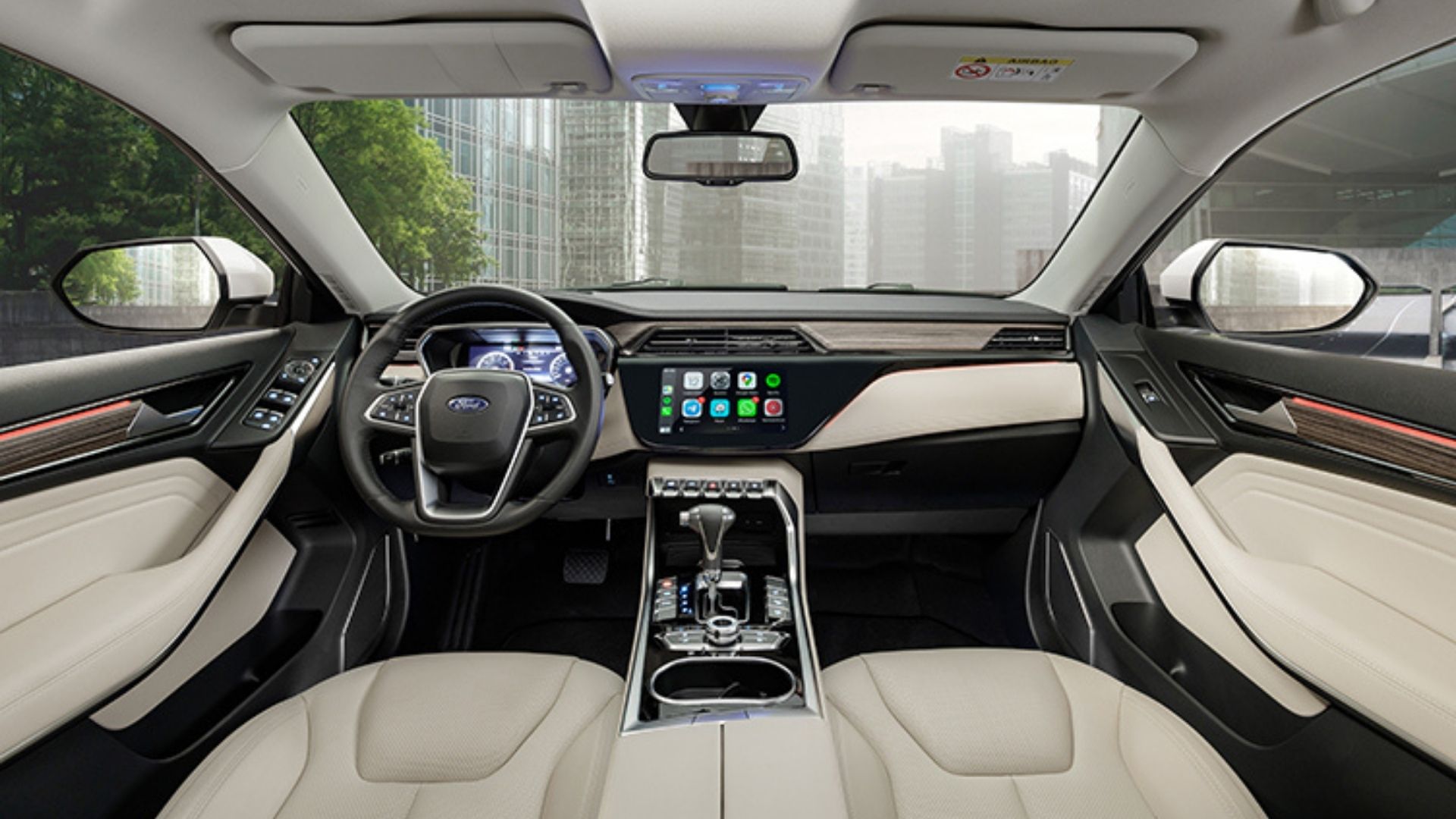
Around R$ 24,000: 4 used Ford SUVs with up to 253 hp, V6 engine, all-wheel drive, 7 airbags, panoramic sunroof, and a complete package that surprises with its price and performance in Brazil.
-
A brand new car starts at around R$ 75,000 in Brazil, but what stands out the most is seeing streets filled with SUVs and expensive sedans in a country where millions remain in debt.

-
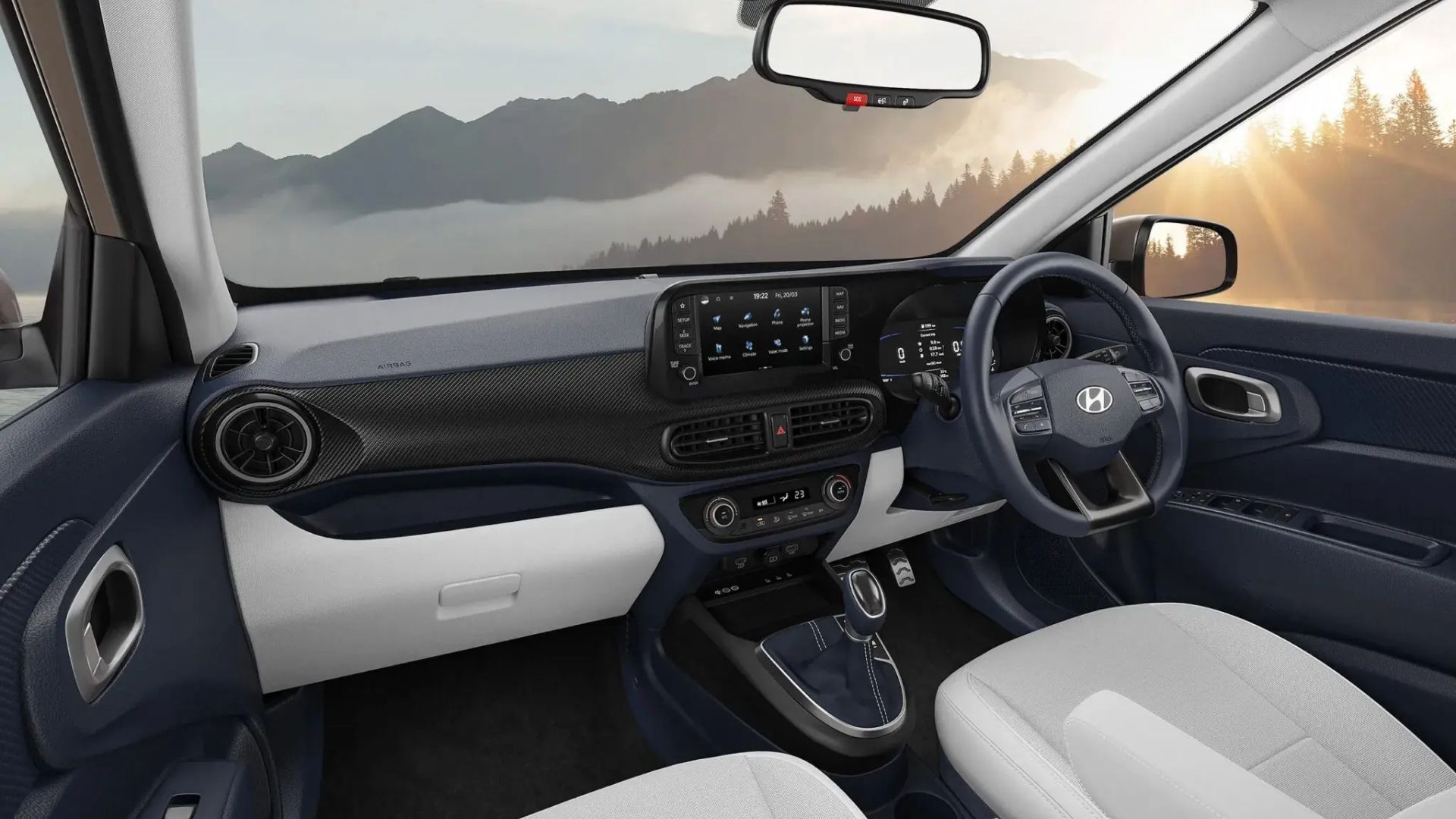
For R$ 32,000, a brand new Hyundai car is a rival to the Kwid with a 1.2 engine producing 82 hp, 6 airbags as standard, multimedia with wireless Android Auto, up to 391 liters in the trunk, and a refreshed look for 2026 in India.
-
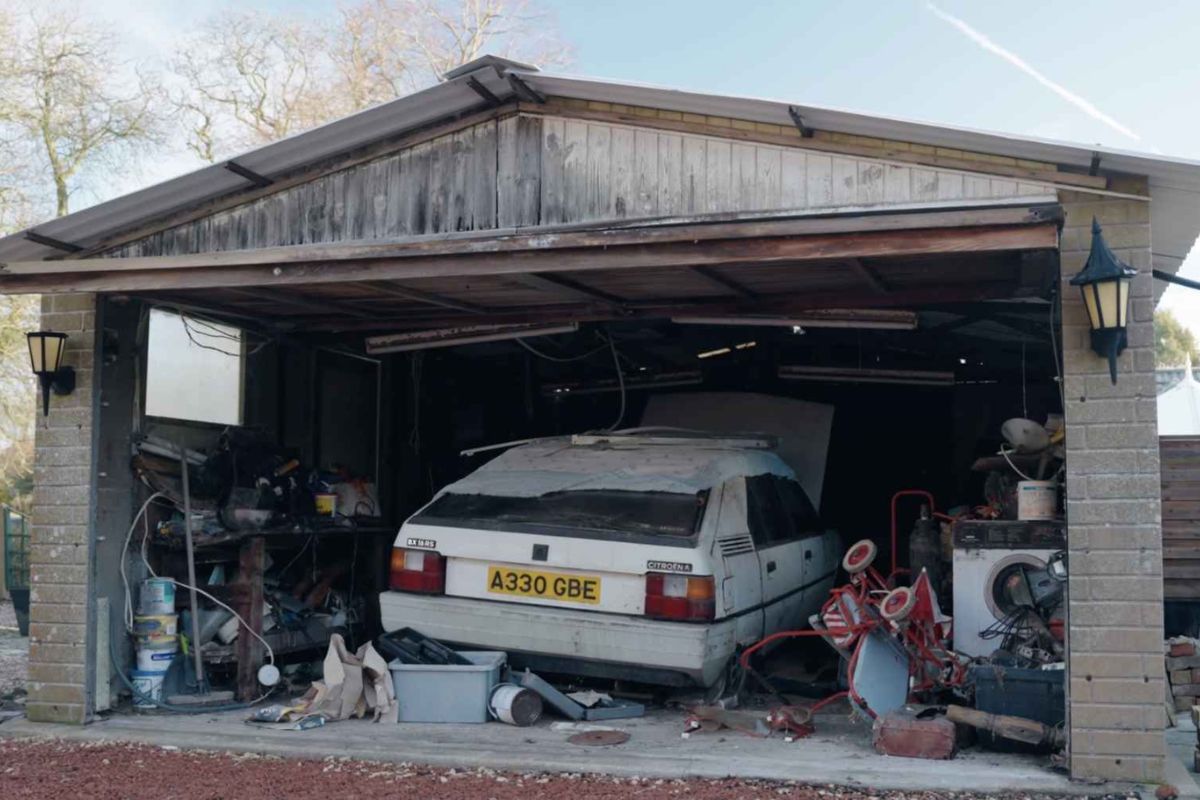
He bought a new car in 1983, locked it in the barn in 1988, and no one opened the door for 38 years until the family discovered what was stored inside and realized it looked like something out of a movie.

According to the presentation, both configurations were designed for professional applications, focusing on productivity and durability.
In the case of the chassis version, the proposal is to serve as a base for different implements. The single cab version caters to those who need a pickup with a large rear volume and a high payload capacity.
Ford is betting precisely on this versatility to position the Ranger as a strong option in the professional market.
Payload Capacity is One of the Main Assets
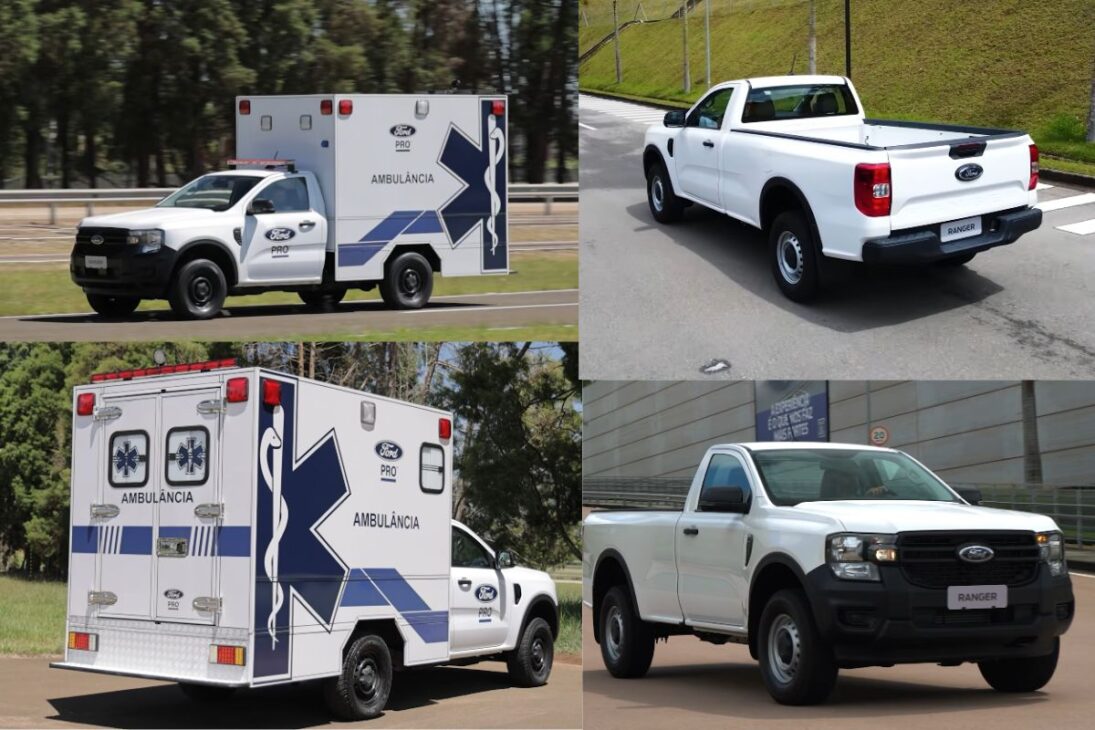
The chassis Ranger presented by Ford has a maximum payload capacity of 1,371 kg. Meanwhile, the single cab version reaches 1,223 kg in the manual version and 1,190 kg in the automatic, in addition to offering 1,690 liters of cargo bed volume.
These numbers place Ford’s new offensive at the center of the competition for those seeking a vehicle ready for heavy-duty services.
The brand’s argument is clear: to deliver capacity, reinforced structure, and a base ready for severe applications.
A Longer Wheelbase Assists in the Installation of Implements
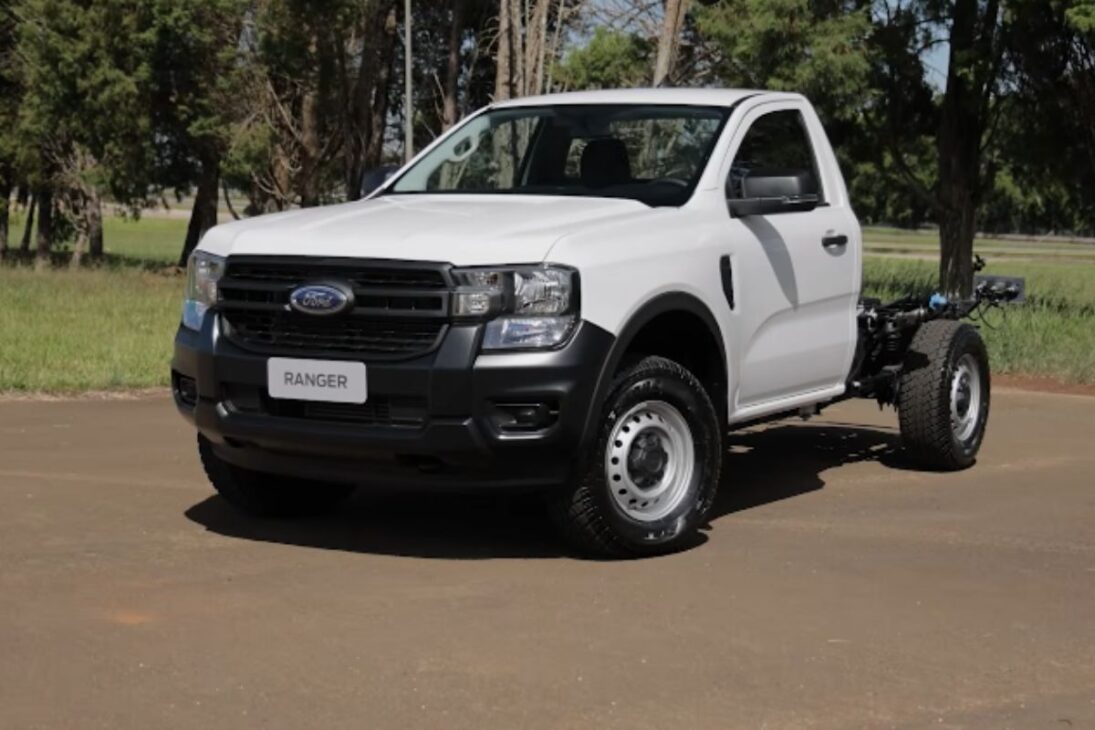
Another point highlighted by Ford is the 3,270 mm wheelbase in the chassis version. According to the explanation given, this measurement favors the installation of larger implements within what the legislation allows regarding rear overhang.
In practice, this expands the range of applications of the chassis Ranger. Ford itself showed an example of an ICU ambulance model, highlighting that the configuration allows for more internal volume and greater capacity to accommodate equipment. This reinforces the vehicle’s vocation for technical and specialized uses.
Ford Bets on 4×4, Low Range, and Locking to Extend Off-Road Work
All versions launched by Ford come with 4×4 traction, low range, and differential locking. The package also includes attributes geared for off-road use, such as a 30-degree approach angle, a 26-degree departure angle, and a wading capability of 800 mm.
This set helps explain the brand’s focus on operations that go beyond asphalt. Ford is trying to show that the professional Ranger is not just for carrying weight, but also for reaching places where other vehicles have more difficulty.
Safety and Technology Gain Space in the Work Versions
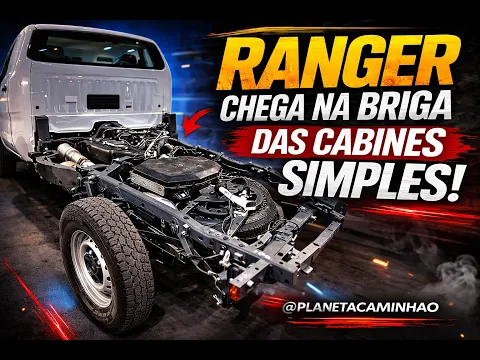

Ford also highlighted the safety package. The single cab Ranger offers seven airbags and the AdvanceTrac system, a set that brings traction and stability controls with automatic reading of load variations and the vehicle’s dynamic behavior.
According to the explanation, the system can perceive changes in the center of gravity and the rolling of the cab and the implement, making automatic corrections to reduce risks during operation.
It’s an important differentiator because it brings embedded technology to a segment traditionally more focused solely on load and durability.
Automatic Transmission Becomes Ford’s Bet in the Professional Segment
One of Ford’s most important moves was to introduce automatic transmission for all XL versions, including double cab, single cab, and chassis.
The brand emphasized that this type of transmission has been gaining ground in the segment and is approaching 30% of purchases.
The justification is operational. Ford claims that automatic transmission helps reduce repetitive effort, increase comfort, and lessen driver stress in urban and professional use. The proposal is to make the work pickup a more comfortable vehicle without sacrificing robustness.
2.0 Turbodiesel Engine Targets Commercial Use with a Focus on Torque and Efficiency
Under the hood, Ford uses the 2.0 diesel Panther engine, producing 170 horsepower and 405 Nm of torque. According to the presentation, this engine was developed with a focus on commercial application, paying special attention to delivering power at low RPM.
The brand also highlighted that this calibration helps in real-world use, improves the useful operating range, favors fuel economy, and reduces emissions.
The presentation mentioned a homologated consumption of 10 km/l, with possible variation depending on the implement and driving style.
Ford seeks to demonstrate that performance and efficiency can go hand in hand even in severe applications.
Electric Structure Reinforces Vocation for Special Services
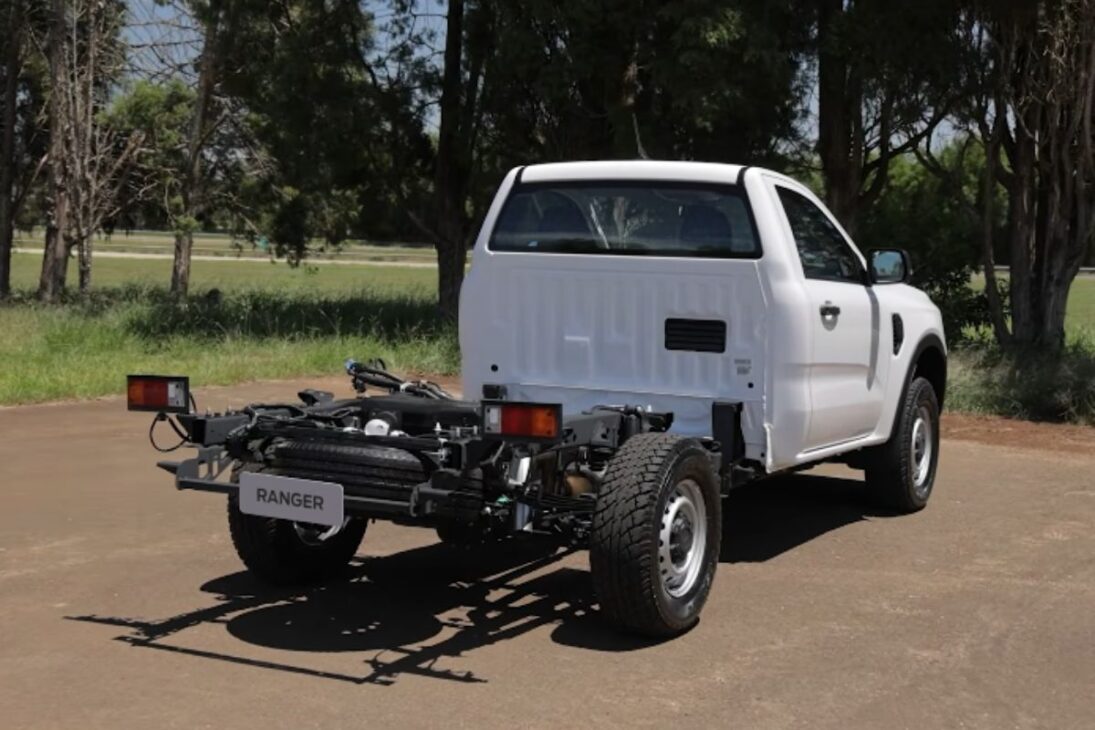
Ford also drew attention to the possibility of an additional battery and the 210 A alternator, important resources for applications that require higher electrical energy consumption.
This detail makes a difference in uses such as ambulances, police work, and technical services. It’s further evidence that Ford has structured the professional Ranger to meet real operations, not just to expand its catalog.
Prices Start at R$ 248,600
Ford confirmed the prices for the new versions. The manual chassis Ranger starts at R$ 248,600, while the automatic costs R$ 258,600. In the single cab, the manual version sells for R$ 256,600 and the automatic for R$ 266,600.
The brand also informed the prices of the automatic double cab XL, at R$ 282,600, and the manual version, at R$ 272,600.
With this positioning, Ford aims to enter the market competitively in a segment that values operational cost, robustness, and versatility.
Ford Reinforces Offensive in the Professional Market with a Clear Focus on Heavy-Duty Work
The new push by Ford with the Ranger single cab and Ranger chassis shows a clear strategy to enhance presence among professional customers.
With automatic transmission, 4×4 traction, a robust safety package, a 2.0 diesel engine, and high payload capacity, the brand wants to transform the Ranger into a reference in heavy-duty work as well.
More than just launching new versions, Ford seeks to occupy a larger space in commercial use with a proposal that combines load, comfort, technology, and off-road aptitude.
The brand’s message is clear: the professional Ranger arrives in the Brazilian market to compete for the attention of those in need of a versatile vehicle ready for heavy-duty service.
Do you think Ford made the right move by betting on a single cab and chassis with automatic transmission for heavy-duty work in Brazil?






Seja o primeiro a reagir!