





 Portuguese
  English
  Spanish
 7 min of reading
  0 comments


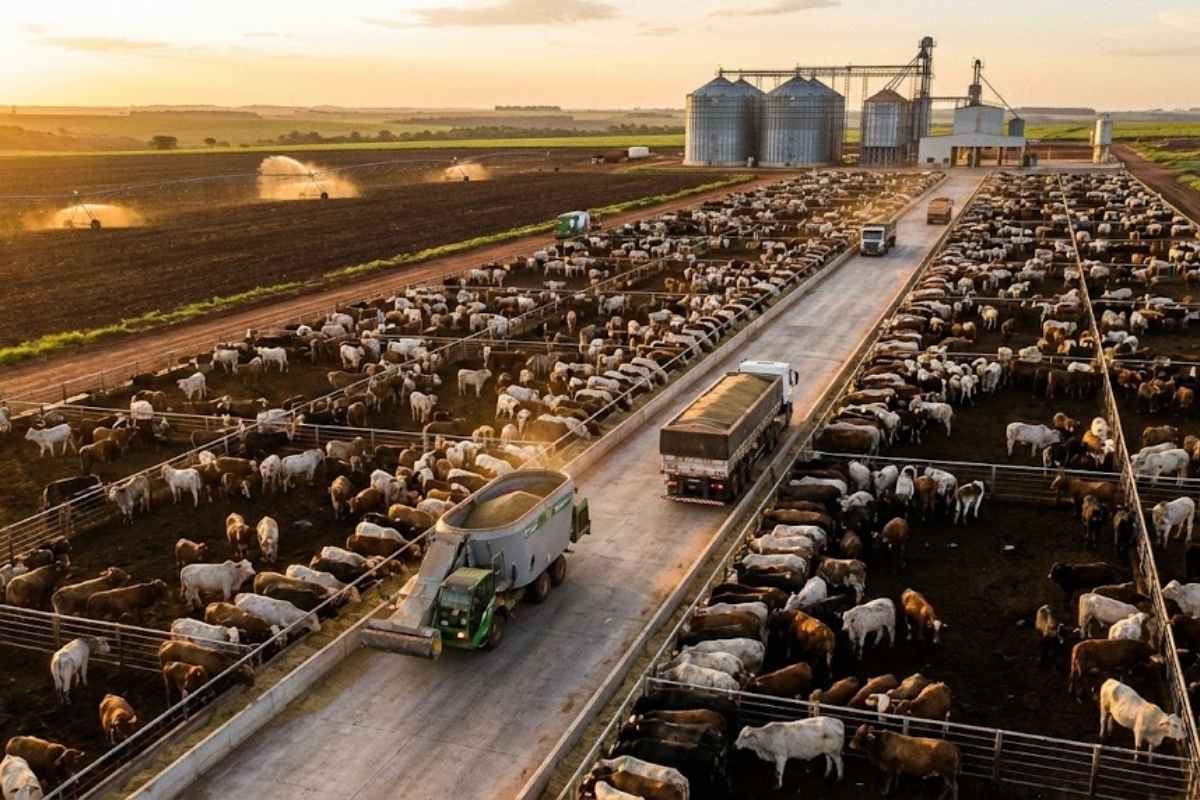
With Efficient Confinement, In-House Composting, and Daily Indicator Control, the Most Profitable Farm in Brazil Shows How 90-Day Cycles, Home-Made Silage, and Risk Management Transform Pasture, Grains, and People into Net Margins Above the Average of Intensive Livestock Farming in Southern Minas and Beyond.
When a common property in Campestre, in Southern Minas, earns the title of champion in profitability in a large national benchmarking, the label of the most profitable farm in Brazil ceases to be an empty compliment and becomes a case study. At Fazenda Cigana, every cattle enters, gains weight, and leaves in a short cycle, with numbers on the spreadsheet and justifications in the soil, the trough, and the meeting room.
Nothing there was born ready. In a region historically known for coffee cultivation, the area that today houses confinement, TIP, integrated crop-livestock farming, grain storage, composting yard, and solar plant was, until 15 years ago, just a coffee farm. Step by step, the family transformed the structure into an integrated system where every real invested needs to return in arroba, turnover, and cash, a basic condition to sustain the title of most profitable in Brazil throughout the harvests.
Where It Is and Who Commands the Most Profitable Farm in Brazil

The most profitable farm in Brazil featured in the video is Fazenda Cigana, in Campestre, Southern Minas Gerais.
-
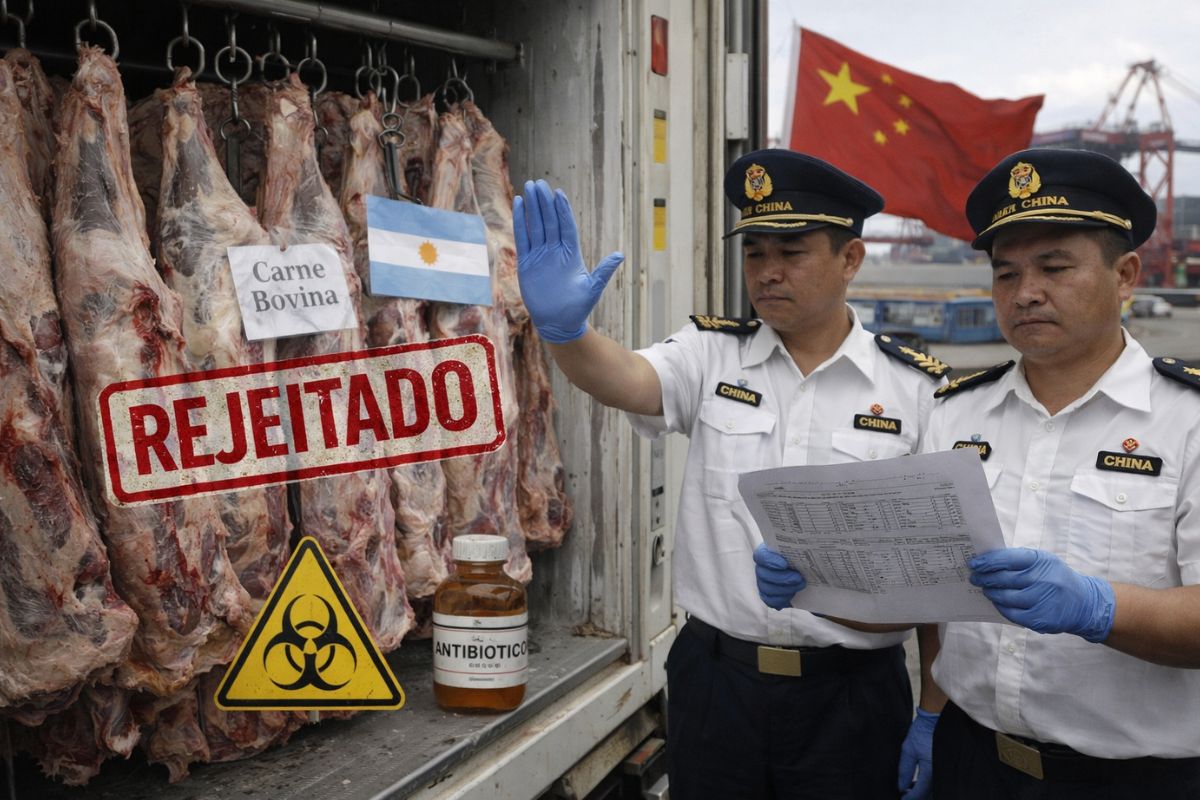
China rejected an entire shipment of beef from Argentina after detecting an antibiotic so dangerous that it has been banned for human consumption for over 30 years, and now the export sector is facing a crisis of international trust.
-
With nearly 500 thousand tons per year, barley production is growing in Brazil, while a decline in beer consumption among Generation Z raises alarms in the sector.

-
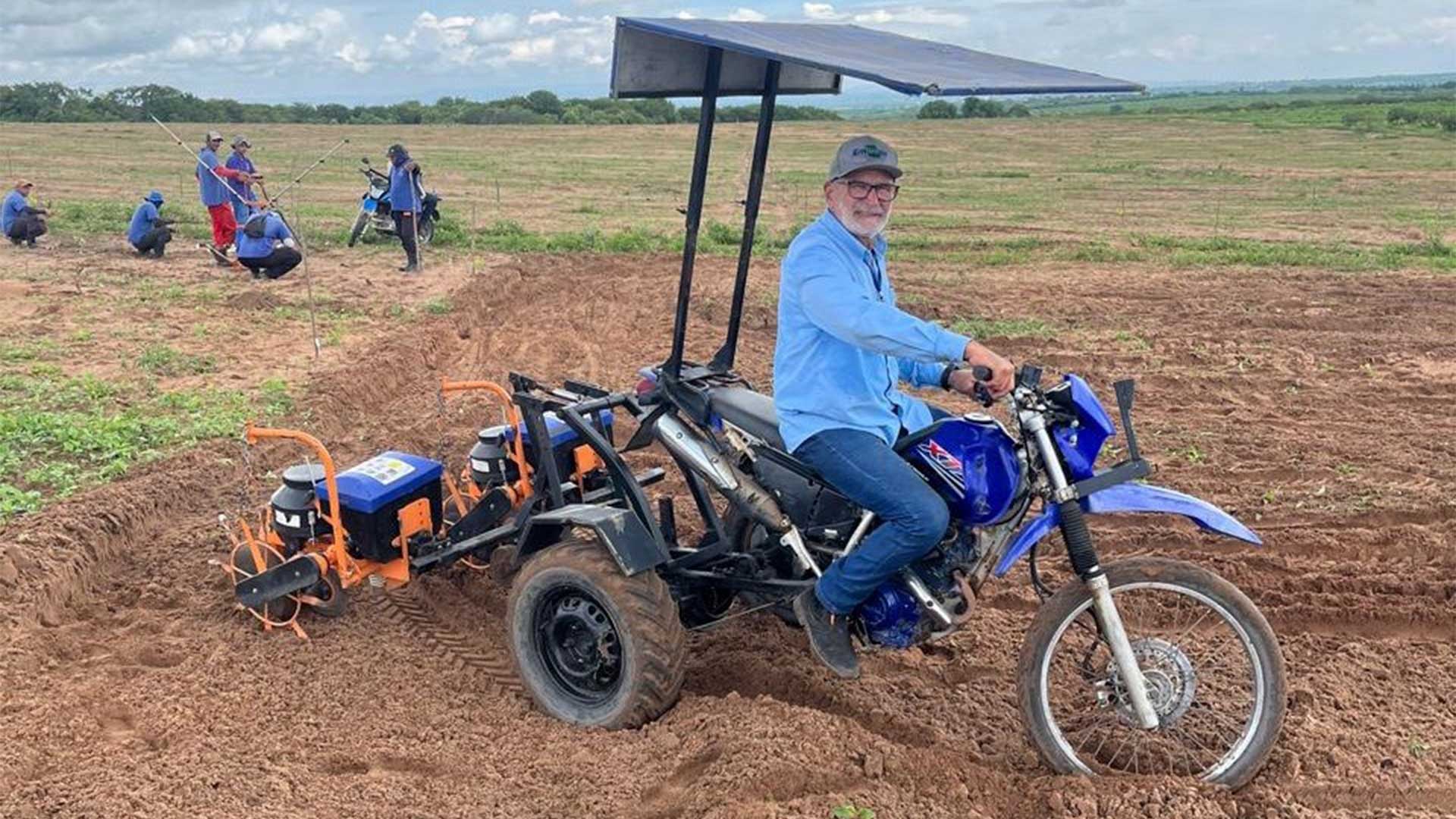
With tractors out of reach for small producers, a tricycle created by Embrapa Algodão becomes a cheap and efficient solution and gains national prominence.
-
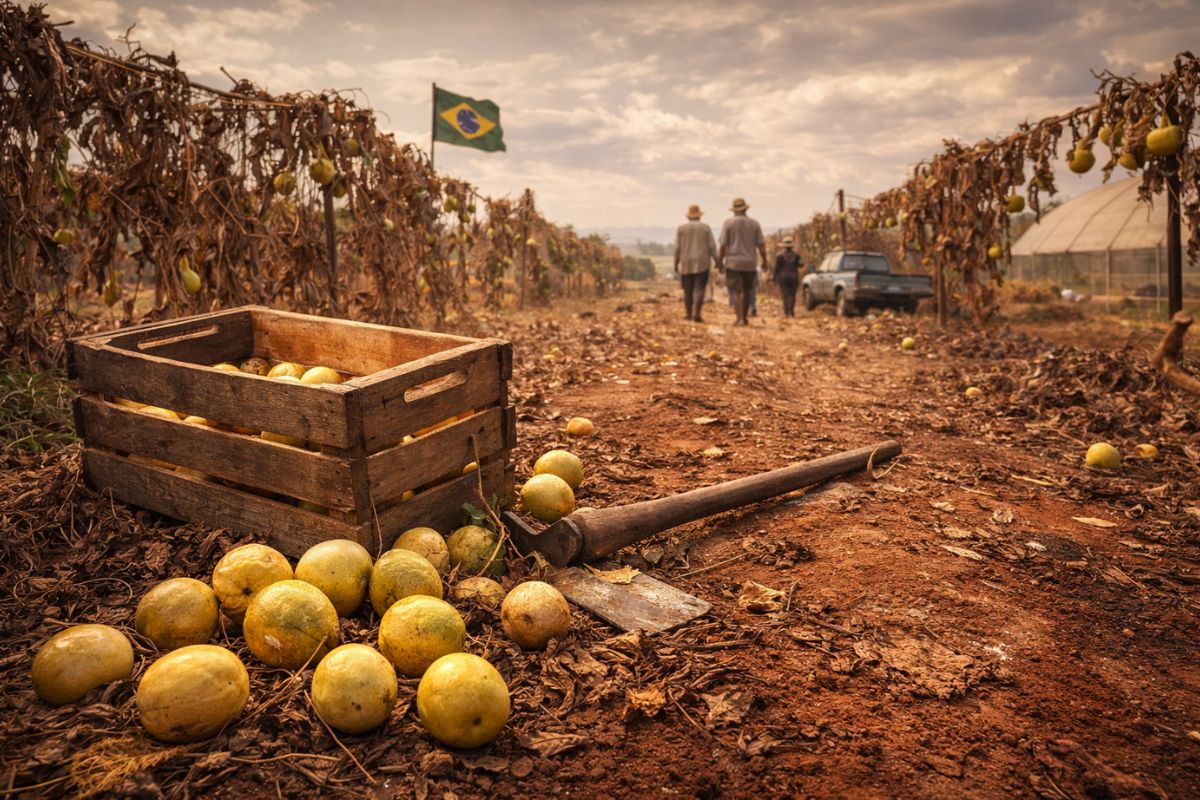
From 130 producers in the year 2000 to just 15 today: the dramatic decline of passion fruit in Araguari shows how the lack of labor in the Brazilian countryside is killing a decades-old agricultural tradition, even with Brazil being the largest producer in the world.

The command is in the hands of the family, with zootecnist Ana Paula leading the technical and financial management, alongside her father, who initiated the migration from coffee to livestock.
There, the “champion farm” does not rely on a single magic formula.
The foundation is a clear tripod: well-established productive structure, fertile soil in constant evolution, and real-time indicator management.
The title of top 1 in profitability arises from the combination of systems such as TIP, confinement, integrated crop-livestock farming, and composting, all designed to increase revenue without losing control of cost per head, per arroba, and per hectare.
Short Cycles, Well-Used TIP, and Cattle That Turn Faster

In practice, what makes the most profitable farm in Brazil different is the way it shortens the path from cattle to the slaughterhouse.
Rather than relying solely on classic confinement, Cigana has structured a well-planned TIP system, with pasture directed toward the trough, for final fattening on pasture with supplementary feed.
The animals enter the TIP already heavier, around 420 to 450 kg, and the goal is clear: cattle enter the TIP to come out fat straight to the slaughterhouse, not as a transitional stage.
The pasture provides the base for bulk feed, and a simple and objective diet enters the trough, with ground corn, peanut meal, a nutrient mix, and urea, without the need for specific silage for this system.
This format allows the farm, which confines from May to November, to maintain revenue also in the summer, using TIP as a second source of income.
The result is a less seasonal cash flow and a more constant cattle turnover throughout the year, a central piece for any farm wanting to approach the most profitable farm in Brazil in financial performance.
Compact Confinement, Simple Diet, and Cost per Arroba on the Tip of the Pencil


The heart of the most profitable farm in Brazil is still confinement.
At Cigana, the static capacity is around 1,800 animals, with short cycles of 90 to 100 days, ensuring several turnovers per year in the same structure.
The focus is to finish both nelore and the typical crossbred cattle of the region, without the need for “catalog” genetics, but with well-measured performance.
The diet is a classic of confinement: corn silage made on the farm, peanut meal from the region, wet corn grain, mineral mix, and urea.
The goal is not to create sophisticated feed but to control the cost of dry matter per arroba produced.
The average reported results hover around 1.5 kg of live weight gain per day, with carcass gain close to 1 kg/day, numbers that help sustain margins even in tight markets.
The gain, however, does not come solely from within the barn.
The farm works with three critical points of profitability: buying lean cattle very well, producing food on the farm with controlled costs, and selling fat cattle with market strategy and price protection.
Without these three pillars aligned, no confinement can remain at the top of profitability, regardless of how good the average daily gain is.
Turbocharged Soil: Heavy Composting and Own Fertilizer as a Silent Weapon
If the most profitable farm in Brazil has a “backstage secret,” it lies beneath the cattle’s feet.
In the composting yard at Cigana, 11 piles total about 1,200 tons of organic compost, mixing confinement manure with coffee husks, sugarcane bagasse, sawdust, capiaçu, and correctives such as rock powder, dolomite, and gypsum.
This material returns to the pasture and crop areas and has been changing, year after year, the diagnosis of soil analyses.
Pastures that had phosphorus levels of 2 to 8 mg/dm³ now reach 30 or 40, reducing the dependence on chemical fertilizers and increasing forage productivity.
In practical terms, this means more arrobas per hectare, with less money leaving for fertilizer, a decisive differential to sustain the position of the most profitable farm in Brazil in a scenario of expensive inputs.
The logic is simple and harsh: farmers who do not take care of the soil do not take care of profits.
Cigana chose to spend energy producing its own fertilizer, compacting silages well, and closing the nutrient cycle within the gate, instead of accepting a growing bill for imported fertilizer.
Water, Structure, and Small Adjustments That Add Up to Much in the Result
Not everything on the most profitable farm in Brazil is perfect, and the team itself opens up about the points for improvement.
In the TIP areas, for example, the excessive spacing between posts and the presence of “balance beams” favor the mixing of lots and the passage of animals between paddocks, which increases work and complicates management by category.
Another challenge lies in the still natural water points, located in lower areas, while the trough lines are up higher.
This forces the cattle to walk more to the watering point, a matter that is already under review with plans to bring water to the middle of the TIP corrals.
These adjustments, seemingly minor, constitute the difference between a farm that stagnates and the most profitable farm in Brazil, which publicly acknowledges where it erred and how it intends to correct it.
Profitability is not a snapshot of a good year, it’s a film of several years of course correction, detail by detail.
Energy, Wood, and Diversification to Reduce Risk
Cigana also works to shield the most profitable farm in Brazil against cost shocks outside the producer’s control.
In the same yard where composting takes place, the property installed solar panels for energy generation and maintains eucalyptus areas to provide its own wood, reducing expenses with the purchase of firewood and structures.
Additionally, the farm operates integrated crop-livestock farming and grain storage, allowing better planning of land use, crop rotation, producing its own corn for silage and wet grain, and negotiating grains with greater flexibility.
This diversification reduces exposure to the risk of a single market and provides breathing room in years of tighter arroba prices.
Management, Meetings, and Numbers: What Consolidates the Most Profitable Farm in Brazil
At the end of the day, what keeps the most profitable farm in Brazil on top is not just fat cattle, it’s systematic management.
In the main room, a large farm map covered with glass serves as a live board: new fences are drawn there, paddocks are repositioned, and plantings and pasture renovations are planned.
The routine includes monthly meetings with the entire team, always with breakfast, clear goals by section, and an open space for suggestions, in addition to weekly objectives communicated via message.
Standardized uniforms, provided with the support of partners, reinforce team belonging and identity while preserving the personal clothing of the employees.
Behind the scenes, the farm maintains financial and production control through systems and spreadsheets, monitoring indicators such as average daily gain (ADG), costs per arroba produced, monthly outlay per head, stocking rate, and performance by area.
Without this, the label of the most profitable farm in Brazil would merely be talk.
There, profitability is measured, compared, and audited harvest after harvest, using data sent for benchmarking with other properties.
The family’s final message is direct: the current scenario of championship was not the scenario of the past.
The most profitable farm in Brazil is, above all, the farm that decided to learn, correct, and note everything, year after year, until transforming soil, cattle, and people into a business that knows exactly where it wants to go.
And you, what would be the first adjustment you would make today on your farm to take a step toward becoming the most profitable farm in Brazil?









-

-

-

5 pessoas reagiram a isso.