





 Portuguese
  English
  Spanish
  5 min of reading
  0 comments


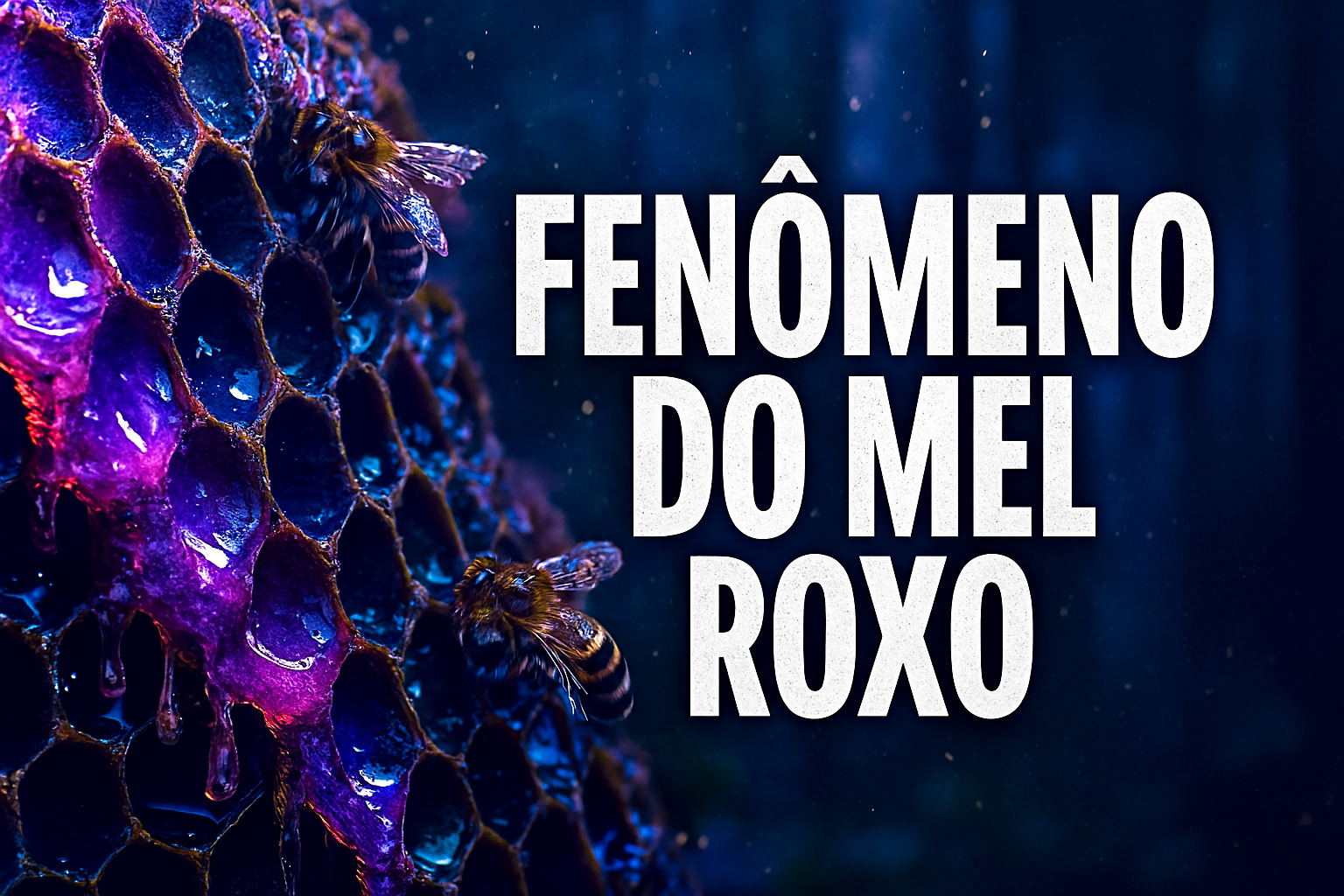
Purple Honey Reappears in North Carolina, Intrigues Beekeepers and Reveals How Environmental Changes Can Alter the Chemistry of Honey Production.
Between the end of summer and the beginning of fall in the United States, beekeepers in the Sandhills region of North Carolina have once again reported a rare phenomenon that has intrigued breeders and researchers for decades: hives producing honey in shades of purple, lavender, and violet. The situation gained momentum again in 2024, when local producers reported that upon opening the frames of the hives, they found combs filled with a thick, shiny liquid of unusual color and not directly related to the predominant flora at the time. The episode, although not unprecedented, remains largely unexplained and fuels scientific discussions about climate change, the foraging behavior of bees, and the impacts of new sources of artificial sugars in the environment.
Purple honey has been observed in different years but remains surrounded by uncertainties. The Sandhills region is known for its sandy soils, the presence of wild blueberries, and a landscape marked by pine forests. None of these species, however, produce naturally purplish nectar. Therefore, the appearance of this hue raises curiosity among specialists, who have been trying for years to understand whether the phenomenon results from chemical peculiarities of the local vegetation, genetic alterations in the bees, nearby industrial waste, or climatic factors that have begun to alter foraging behavior.
The Geography of Purple Honey and the Influence of Climate
North Carolina is one of the states that has expanded urban and rural beekeeping the most in the United States. The combination of native flora and small-scale crops favors productive hives but also makes the region sensitive to environmental changes, especially during periods of prolonged drought or sudden temperature increases.
-
After decades of failed attempts, Brazil is once again looking to space with an orbital rocket measuring 12 meters, weighing 12 tons, costing R$ 189 million, and scheduled for launch in 2026, in a new race to finally achieve autonomous access to orbit.

-
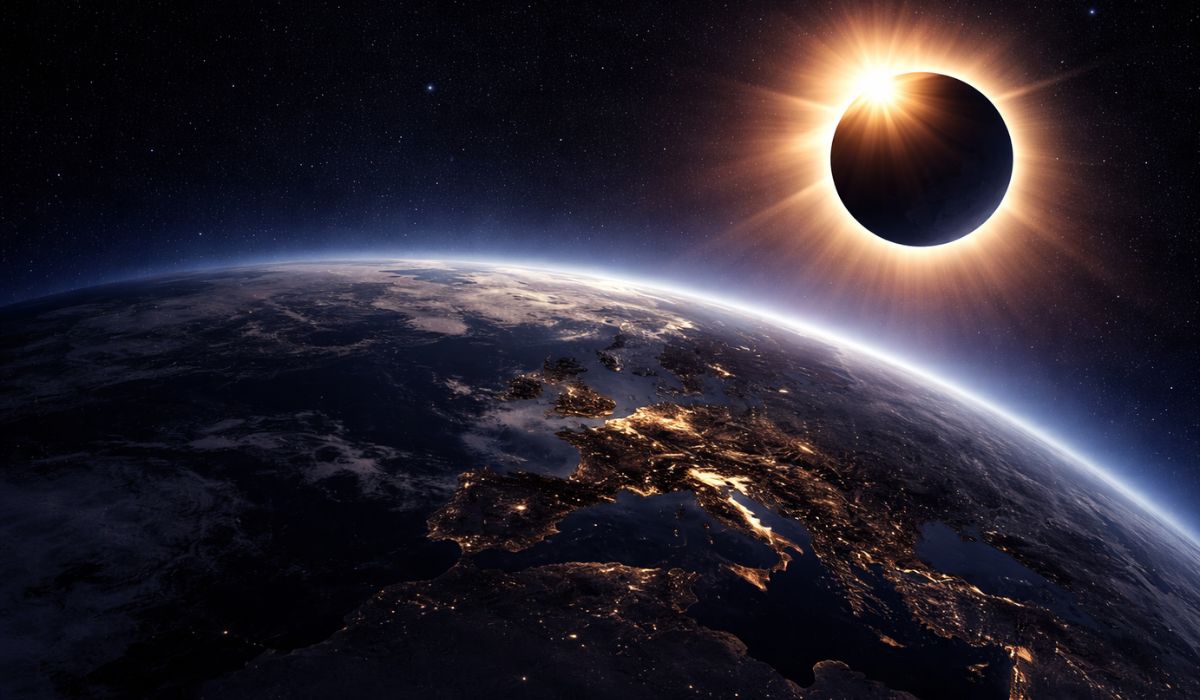
The Earth will plunge into a few minutes of darkness in broad daylight in August 2026, when a total solar eclipse transforms the sky into one of the most impressive astronomical phenomena in recent years.
-
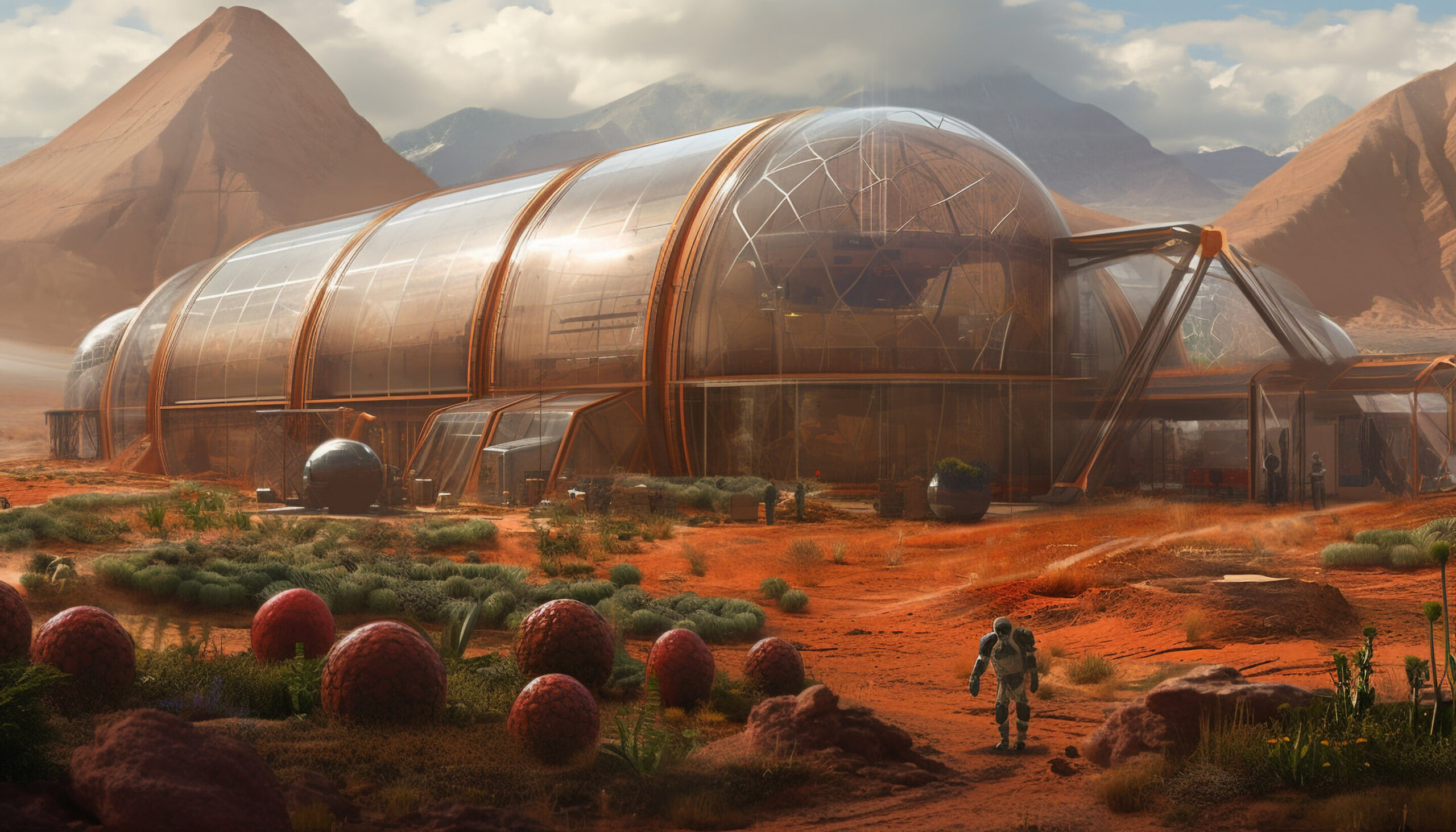
How the terraforming of Mars can transform the planet: artificial aerosols can increase the temperature by up to 35°C in 15 years, creating conditions for liquid water.
-
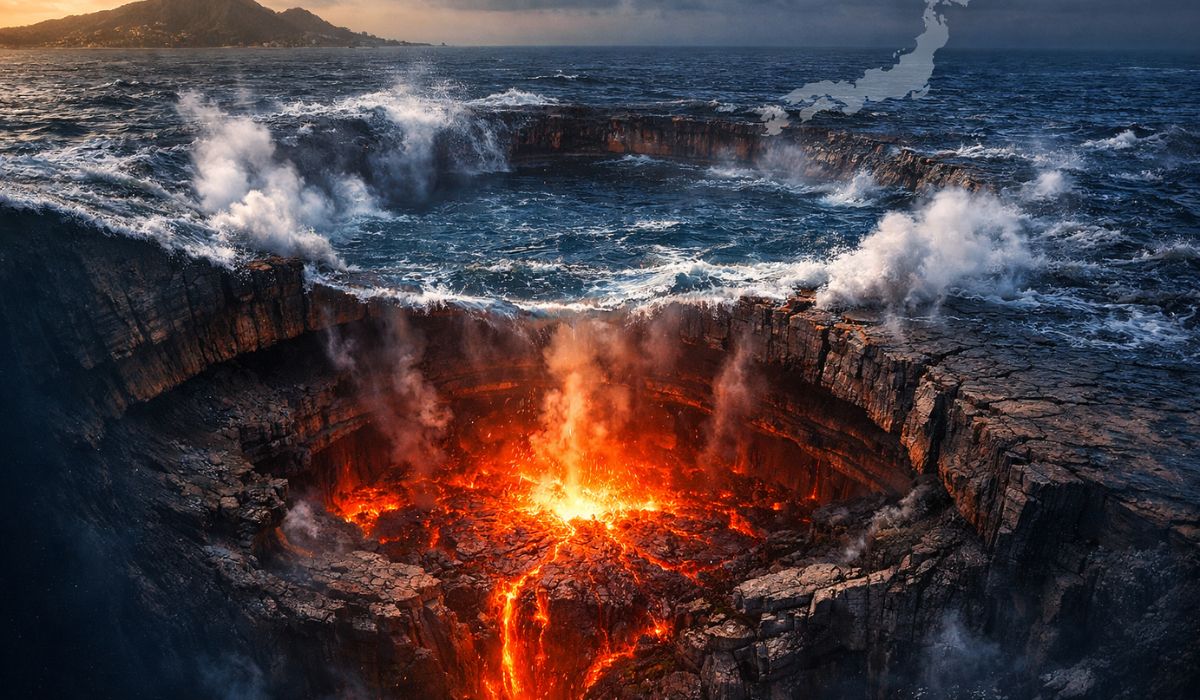
Scientists drilled nearly 8,000 meters into the ocean floor above the fault that caused the 2011 tsunami in Japan and discovered that a layer of clay 130 million years old was responsible for making the wave much worse than any model had predicted.


Reports released by agricultural extension institutions in the state show that years of intense heat accelerate the flowering cycles of some plants and reduce the availability of nectar in others. When this happens, bees tend to seek alternative sources of carbohydrates, including ripe fruits, exposed sap, and even sugary residues from human activities.

This behavior expands the list of potential causes for the purplish coloration. A group of researchers from North Carolina State University analyzed samples collected in previous episodes and found changes in the chemical profile of the honey compared to traditional products.
Pigments similar to those found in local fruits, such as muscadine grapes and species of blueberries, were detected, but in concentrations that are insufficient to fully explain the intense color observed in some combs.
The report also ruled out the hypothesis of industrial contamination in several cases, reinforcing that the phenomenon may have multiple origins that vary from hive to hive.
The Search for Scientific Explanations and the Complexity of Natural Pigments
The difficulty in explaining the purple hue lies in the fact that the pigments present in foods and plants — such as anthocyanins — easily degrade when exposed to heat or the natural process of honey production.
For the coloration to remain stable within the combs, it is necessary for the pigments to be carried intact to the hive, that the invertase enzyme does not destroy them, and that the maturation of the honey does not neutralize the color. It is an unusual combination, which makes the phenomenon extraordinary.


Researchers involved in the study suggested that rare substances present in certain regional fruit species could resist this chemical process. This includes varieties of grapes native to the southeast United States and lesser-known wild fruits that concentrate pigments of high stability.
The challenge is that, even in these cases, the intensity of the color recorded in some hives exceeds what would be expected for nectar or juices coming from these plants.
To complicate matters further, there are years when purple honey appears in locations where such fruits were not abundant. These inconsistencies reinforce the need for deeper investigations.
Anomalous Foraging Behavior as a Result of Environmental Changes
The reappearance of purple honey in 2024 reignited debates about environmental changes that influence the foraging behavior of bees. In years of unstable weather, short flowering periods, or increased competition among hives can lead insects to explore non-traditional food sources.
This pattern has been observed in various parts of the world where bees consume fermented sap, crushed fruits, or even residues from agricultural and industrial productions.
One of the most well-known cases occurred in France, when hives near an M&M’s processing plant produced blue and green honey after consuming colorful sugary waste discarded at the facility.
In the case of North Carolina, the possibility that bees are accessing alternative sweet sources is also considered.

Field records show that rural areas of the state contain small agro-industrial facilities, family orchards, and organic waste disposal sites that may attract hives seeking carbohydrates during periods of scarcity.
Although there is currently no concrete evidence that artificial residues caused the purple coloration, beekeepers report that years of low flowering often coincide with the appearance of off-standard honey.
Impact on Beekeeping and Public Perception
The presence of purple honey does not pose a direct health risk, according to preliminary analyses, but the phenomenon affects the production chain in other ways.
Some beekeepers hesitate to market the product, fearing consumers will interpret the color as a sign of adulteration. Specialized laboratories are frequently called upon to analyze purity, and the additional cost of this evaluation weighs heavily on small producers.
On the other hand, purple honey sparks significant scientific and tourist interest. The peculiarity of the phenomenon attracts researchers from various fields, including botany, organic chemistry, ecology, and climatology. This has increased the visibility of the region and encouraged systematic monitoring of the hives, contributing to a more precise mapping of environmental changes that have occurred over the years.
Local universities have begun to maintain detailed records of the episodes, cross-referencing climatic data, flora availability, bee behavior, and hive locations.
This accumulation of information is strategically valuable for understanding how environmental changes affect pollinators, which are essential for agriculture. Episodes like that of purple honey reveal not only the behavioral plasticity of bees but also the sensitivity of the ecosystem to small alterations in climate, diet, and resource availability.
The Next Steps in Research and the Role of Environmental Monitoring
The renewed interest in the phenomenon has led researchers to plan new collections to analyze purple honey using more advanced techniques, including high-resolution mass spectrometry and precise identification of pigments resistant to enzymatic degradation.
The goal is to map all substances involved in the process and compare samples from different years to understand whether the phenomenon is becoming more frequent or if it occurs only in specific cycles of the local vegetation.
North Carolina has also expanded its monitoring programs for native and exotic bees, as pollinators are considered sensitive indicators of environmental conditions.
Recent reports show declines in some populations due to habitat reduction, pesticide use, and rising annual average temperatures, factors that can directly influence foraging behavior and, consequently, the emergence of phenomena like purple honey.







Seja o primeiro a reagir!