





 Portuguese
  English
  Spanish
 4 min of reading


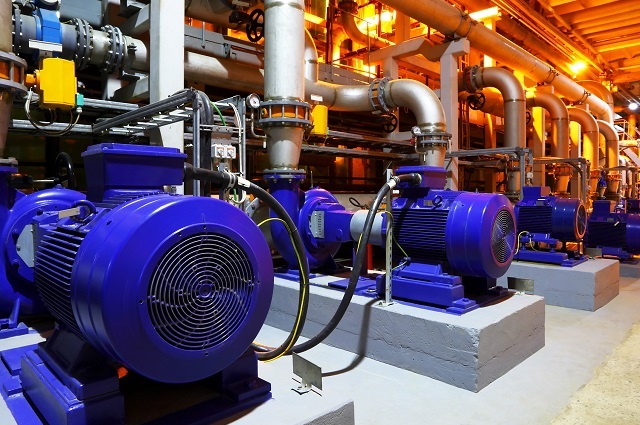
São Paulo, October 2020 – In Brazil, the industrial sector is one of the ones that has shown the best recovery from the impacts of the crisis caused by the covid-19 pandemic. According to data from the latest Monthly Industrial Survey (PIM) from the Brazilian Institute of Geography and Statistics (IBGE), released at the beginning of October, the Brazilian industry completed its fourth consecutive month of growth in August, with an increase of 3.2% compared to July – a month in which, for the first time in the historical series that began in 2002, 25 of the 26 sectors showed a positive rate. The result does not eliminate the 27% loss accumulated in March and April, reflecting the initial effects of social isolation, but shows an important recovery – and it is expected to continue increasing until the end of the year.
These forecasts remain in September, according to data from the Comerc Index, which measures energy consumption in the 11 main sectors of the economy. The Electromechanics sector – which encompasses the industrial production of various items, from electronic components to household appliances – registered an increase of 8.7% compared to August, marking the fifth consecutive increase for the year; when compared to September 2019, the index is at 11.48%. This is the highest increase compared to the previous year since May 2019, when energy consumption in the sector was influenced by the truck drivers’ strike in early 2018. Excluding the effects of the strike, this increase is the largest recorded since April 2018.
For Marcelo Ávila, Vice President of Comerc Energia, this scenario reflects the natural movement towards economic recovery. “In recent months, we have observed different peaks in energy consumption. First, in the Pulp and Paper and Packaging sectors, reflecting the increased demand for paper for hygiene purposes and packaging for delivery, respectively. Then, in the Construction Material sector, where many consumers took advantage of the isolation period to carry out renovations. Now, we see production intensifying, aiming for dates like Black Friday and Christmas and preparing for the beginning of 2021,” he comments. The performance of Brazilian manufacturing activity in September is remarkable and follows the trail of order expansion, production, and export sales, according to the Purchasing Managers’ Index (PMI).
-
With 74% of companies facing difficulties in hiring, technicians and engineers in renewable energy are becoming scarce in Brazil and are essential to support the expansion of solar, wind, and green hydrogen projects.

-
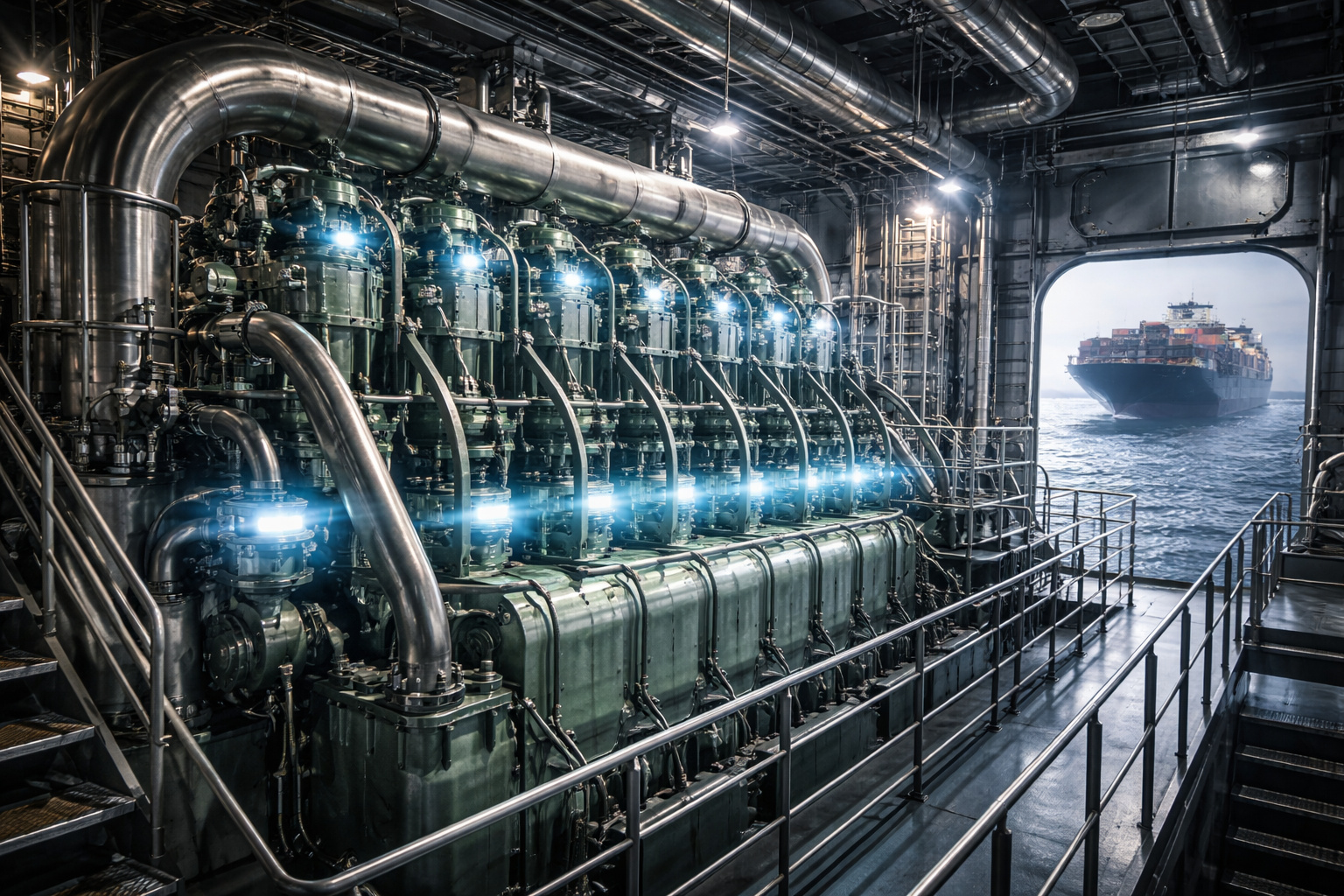
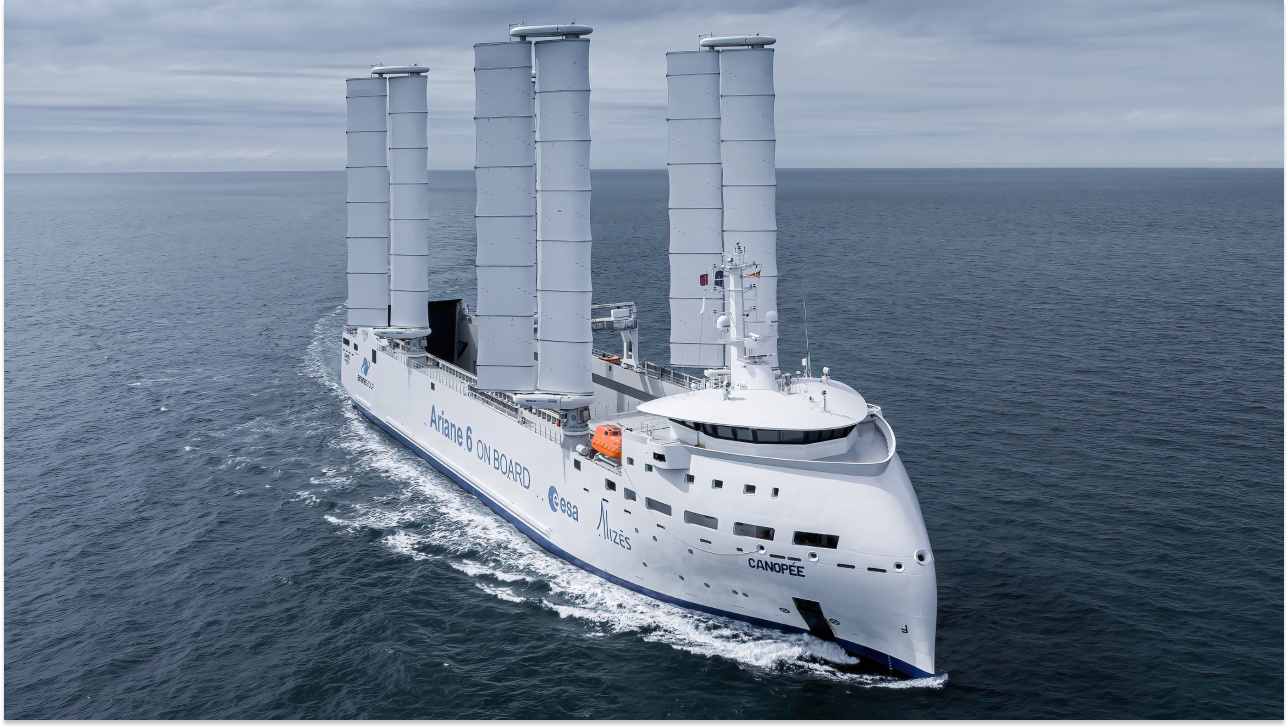
Europe is trying to create an ammonia-powered marine engine without auxiliary fuel, which could unlock the race for giant emission-free ships. The technology aims to eliminate one of the biggest obstacles to clean maritime propulsion.
-
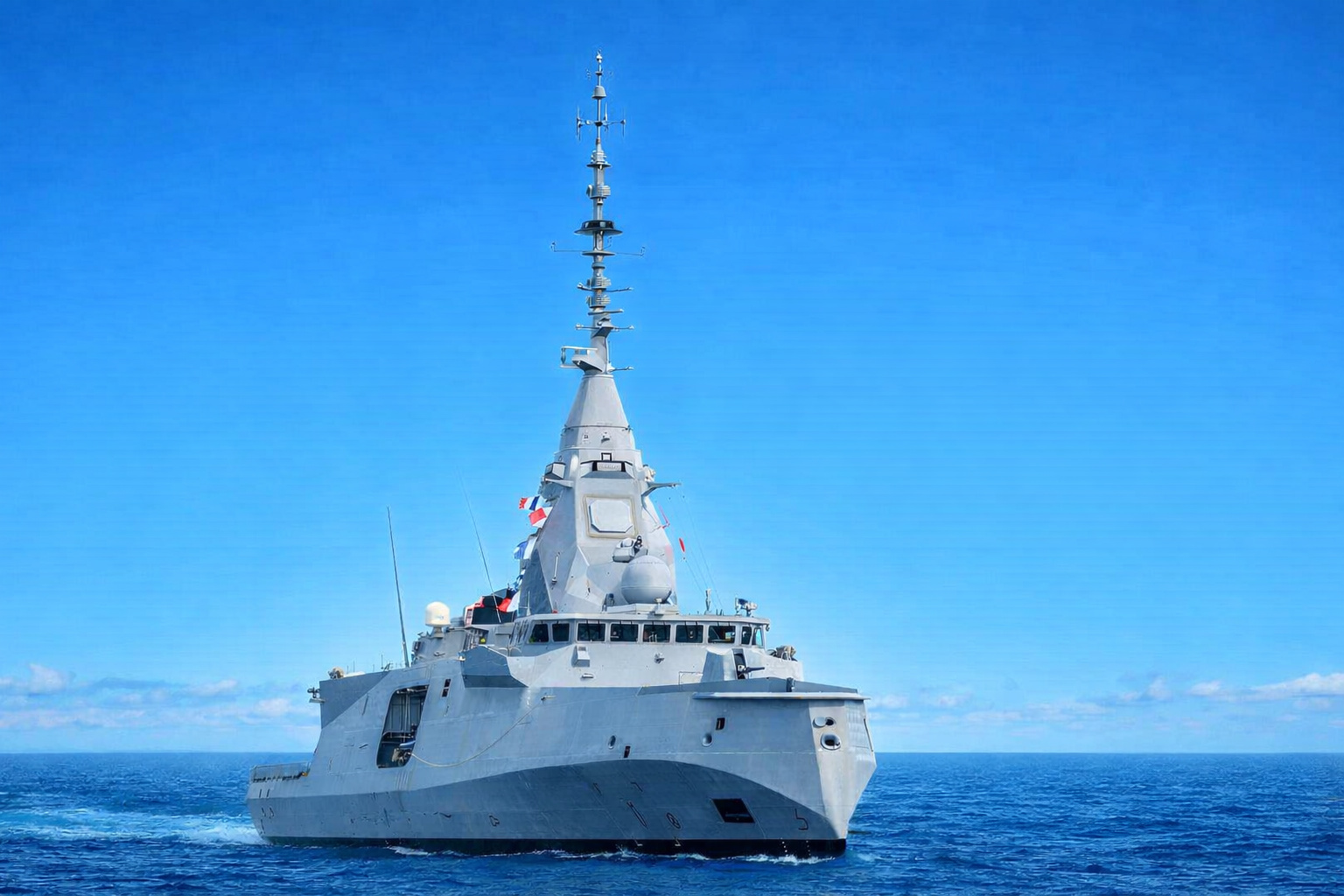
A 4,500-ton frigate with just over 100 crew members, state-of-the-art radar, and cruise missiles is being touted as the new standard of naval warfare in the 21st century.
-
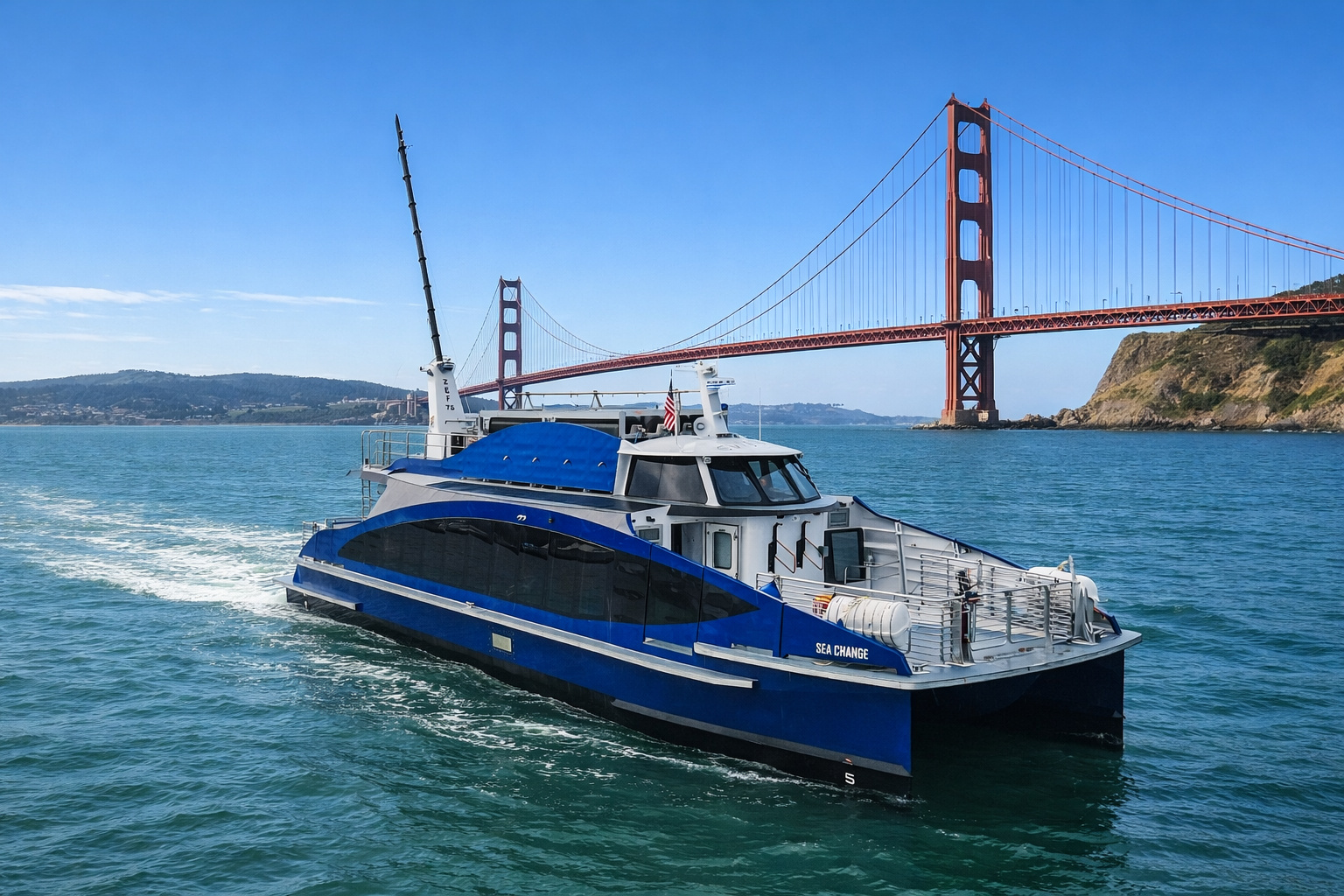
The first commercial hydrogen-powered ferry enters operation in the U.S., eliminates the use of diesel, uses fuel cells to generate clean energy on board, and transforms San Francisco Bay into a landmark of the new era of emission-free navigation.

The third quarter ends with only two of the 11 sectors registering a decline in energy consumption: Packaging with -1.74%, within the historical average, and Steel and Metallurgy with -13.85%, the largest drop since September 2015, when the Index started being measured.
“We have noticed a certain optimism in demand, which is confirmed by the expansion of industrial production capacity. We should remain cautious, but this is a good sign that points to a last quarter with good recovery,” Ávila concludes.
Methodology
The Comerc Energia Index, published monthly, takes into account the consumption of more than 2,300 units in its portfolio, belonging to approximately 1,100 companies that purchase electricity in the free market.
About Comerc Energia
Comerc Energia is the largest and most complete service provider related to the energy market in Brazil. With a portfolio consisting of more than 2,300 consumption units, belonging to approximately 1,100 companies, its revenue was about R$ 3 billion in 2019. Comerc Energia is made up of seven business units to fully meet the needs of its clients. The Comerc Gestão is the largest energy manager in the country, responsible for managing, in 2019, 3,500 MW average, or the equivalent of 5% of the energy consumed in the country. It also manages approximately 5 GW of capacity from over 130 generators, independent producers, and self-producers, the equivalent of 35% of the total capacity of the Itaipu hydroelectric plant.
The Comerc Trading is one of the largest independent traders in the country, trading in 2019 an average of 1.6 GWm per month, considering both buying and selling operations. Meanwhile, the Newcom is an independent trading company, focused on structuring complex operations involving the buying and selling of energy contracts. Its portfolio also includes results protection operations and financial anticipation. The Comerc Gás manages natural gas consumption, assisting in the procurement of this input, with options for cost reduction for companies and support for complex regulatory solutions. Simultaneously, the Comerc Esco structures distributed generation projects and manages generation and consumption, as well as develops and implements energy efficiency solutions, focusing on reducing electricity consumption. Finally, the MicroPower-Comerc develops electricity storage projects in batteries. In the field of innovation and technology, Comerc acts through DocLabs, providing a space to accelerate startups; and offers technology solutions for corporations, with the company DOC 88.








Seja o primeiro a reagir!