





 English
  Francês
  Alemão
  Italiano
  Japonês
  Norueguês
  Portuguese
  Spanish
  3 min of reading


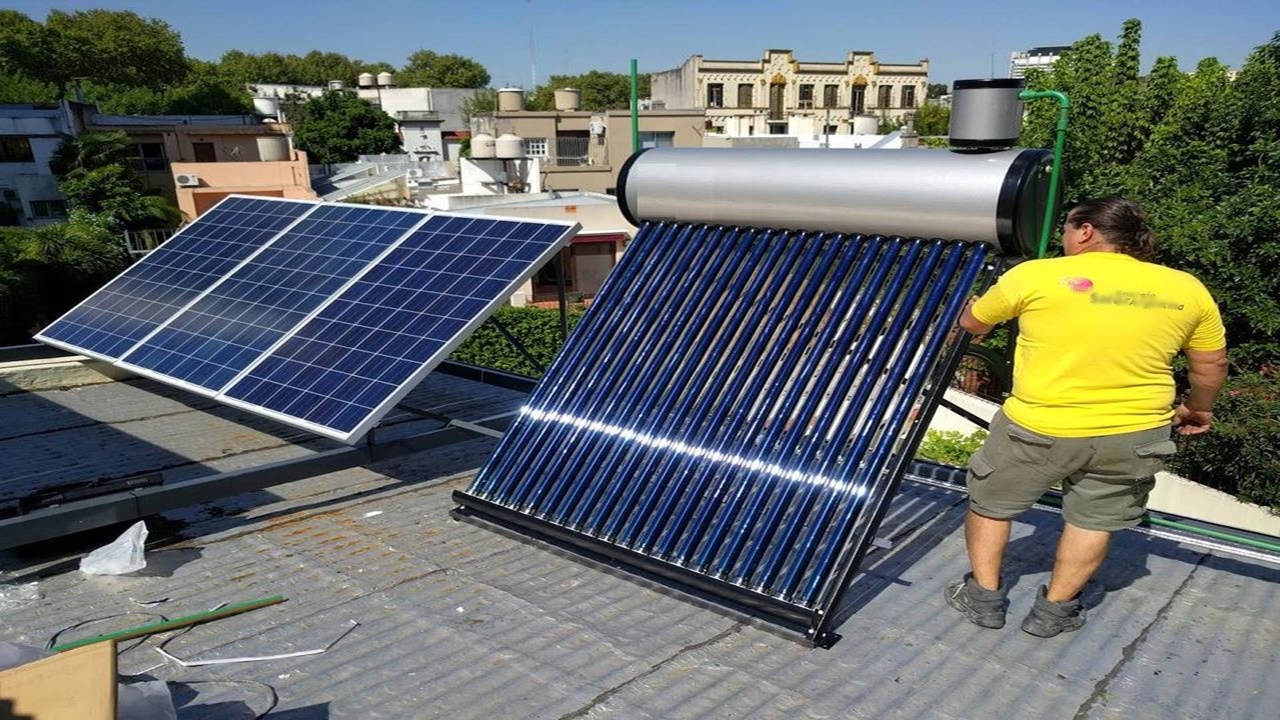
Expenditure On Interest Turns Out To Be Lower Than Electricity Expenses, Which Keep Rising. Furthermore, It Concludes With The Repayment.
The surge in electricity tariffs has made Brazilians seek alternatives, and investing in solar energy has been one of them. When consumers do not have the total necessary resources, financing options prove advantageous. After all, even with the interest rates applied to the financed amount, in the end, the result is saving money: cutting expenses with the electricity bill and its continuous increases.
Read Also
- 91,300 tons of nickel, a key raw material used in the production of batteries for electric vehicles, produced in Bahia, were exported to China by the only producer of the ore in Brazil, Atlantic Nickel
- Iron flow batteries can remain active for 25 years or more without suffering degradation throughout their lifespan and will revolutionize energy storage worldwide
- Rede Globo opens a recruitment process for job vacancies in various areas of high school, technical, and higher education in RJ, SP, Recife, and more
- Stop fueling with ethanol now; it is no longer advantageous in Brazil, even with Petrobras’ new adjustment in gasoline prices
Just this year, the electricity bill is expected to rise by an average of 12%. The conventional tariff has already been adjusted by 7%, and the red flag (value for every 100 kWh) by 52%, according to the National Electric Energy Agency (Aneel). For 2022, the estimate is an average increase of 16.68%.
These percentages are above the basic interest rate of the economy, the Selic, currently at 6.25% per year. The rate sets the value of credit, which is added to other costs, and the total varies from institution to institution. However, in addition to being within the average of electricity bill increases, the cost of interest ends once the financing is paid off; while energy rate adjustments do not cease.
-
With 160,000 m² of collectors, an area larger than 20 football fields, Silkeborg, in Denmark, hosts a solar thermal plant that heats 19,500 homes and could become the largest solar heating plant in the world.

-
A study reveals the expansion of renewable energy procurement in Brazil and shows how companies are taking advantage of opportunities to reduce expenses, ensure energy efficiency, and strengthen strategic environmental commitments.

-
Roraima bets on the sun to escape high tariffs: Amid the energy crisis and price hikes, solar energy is growing in Roraima and transforming consumption in the North region.
-
Mato Grosso do Sul excels in the sugar-energy sector: the state reaches a milestone of 22 operating mills and accelerates the production of clean energy in MS with a focus on sustainability.


The comparison is made by the director of Entec Solar, a developer of technology for generating photovoltaic energy, Tiago Sarneski. “In practice, it is not a real interest rate, because the rate [paid on the financing] replaces the tariff increase that the consumer avoids by investing in their own energy generation,” the specialist points out.
More Than Half (54%) Of Investments In Installing Panels And Generating Solar Energy In Brazil Is Made Through Financing
Moreover, after the financing is paid off, this expense (with interest) is eliminated. According to Tiago Sarneski, investments in photovoltaic energy generation offered in the market by Entec Solar can be paid in up to 96 months. On average, sales are made for payment in five years. “In other words, after this period, the consumer no longer has to deal with either the electricity bill adjustments or the financing interest,” he reiterates.
More than half (54%) of investments in installing panels and generating solar energy in Brazil are made through financing, according to the “Strategic Study – Distributed Generation: Photovoltaic Market” by Greener, a consulting company in the area. It is a mechanism widely used by micro and small consumers – a group that accounts for almost three-quarters (74%) of financing.
Another piece of data that makes the investment worthwhile is the so-called “payback,” meaning the time it takes for the initially spent resources to be compensated. The manager of Entec Solar cites an average investment of R$ 420,000. Year after year, with the cuts in electricity bill expenses, this amount is amortized. Until, in the fourth year, with the savings achieved, the invested resources are recovered.
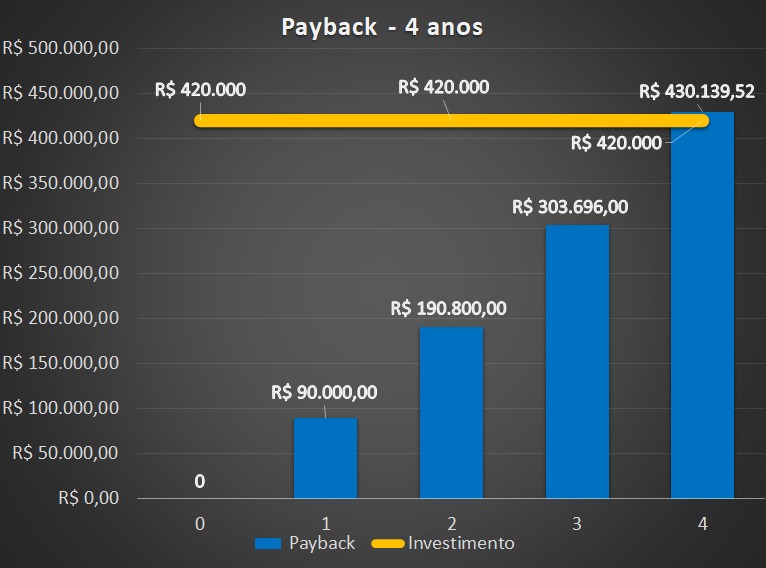
Chart Shows The Payback – Recovery Of Solar Energy Investment
“Both for residences and for commercial establishments, it is indeed a considerable investment. However, with financing options, with the ‘payback,’ and even more so in this context of water crises that have increased the cost of energy in Brazil, it is an investment with a financial return, not to mention the importance of environmental sustainability,” observes the director of Entec Solar.









Seja o primeiro a reagir!