





 Portuguese
  English
  Spanish
  3 min of reading
  0 comments


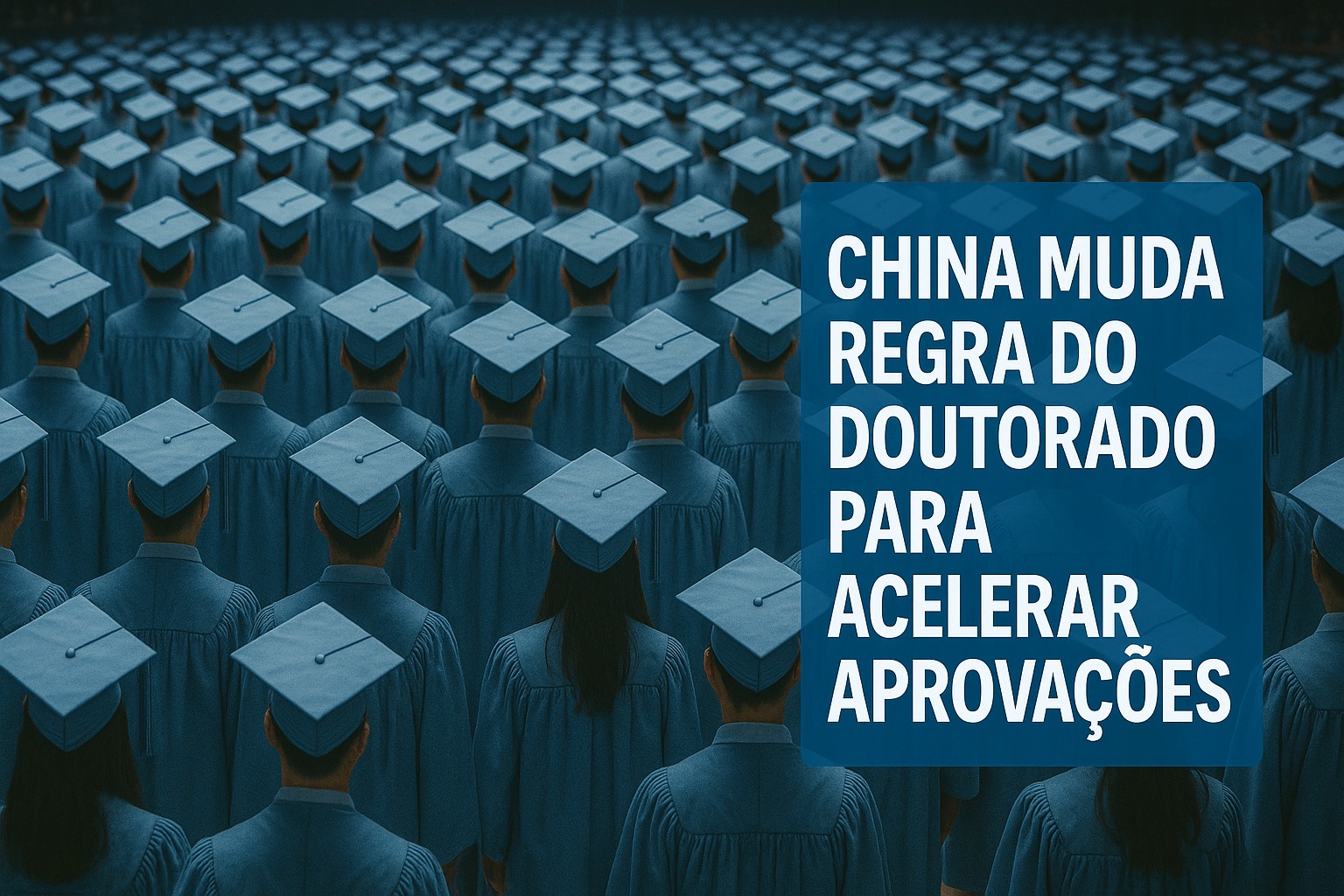
The Change In Chinese Doctorate Prioritizes Applied Results, Reduces The Weight Of The Traditional Thesis And Integrates Companies Into The Process, Creating A Model Designed To Accelerate Technological Advancements Amid The Global Competition For Scientific Innovation
China has built a broad plan to advance in the technological race because it decided, over four decades ago, to heavily invest in the training of engineers. This move is reflected in the hiring of Meta’s superintelligence team, where most professionals are Chinese.
The country has expanded this effort and is now adjusting its academic model to accelerate the attainment of doctorates, prioritizing practical experience and placing the traditional thesis in the background.
This change aims to respond to increasingly rapid technological competitions.
-
Goodbye common charger: users around the world are replacing the old item with this more compact, powerful, and efficient GaN model that charges a phone, tablet, and laptop at the same time.

-
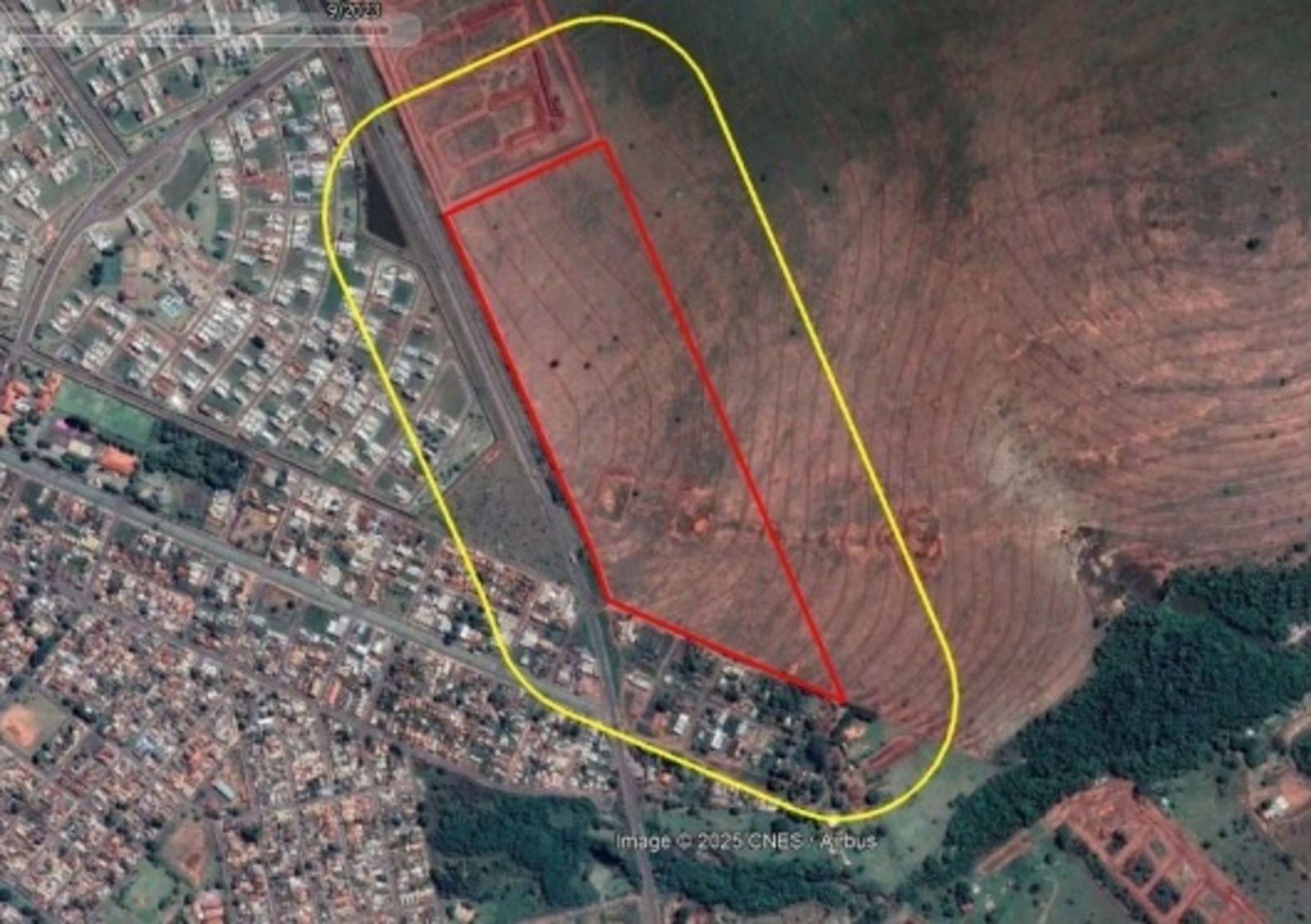
New high-end condominium in Campo Grande comes under scrutiny for being too close to an archaeological site and may have construction affected.
-
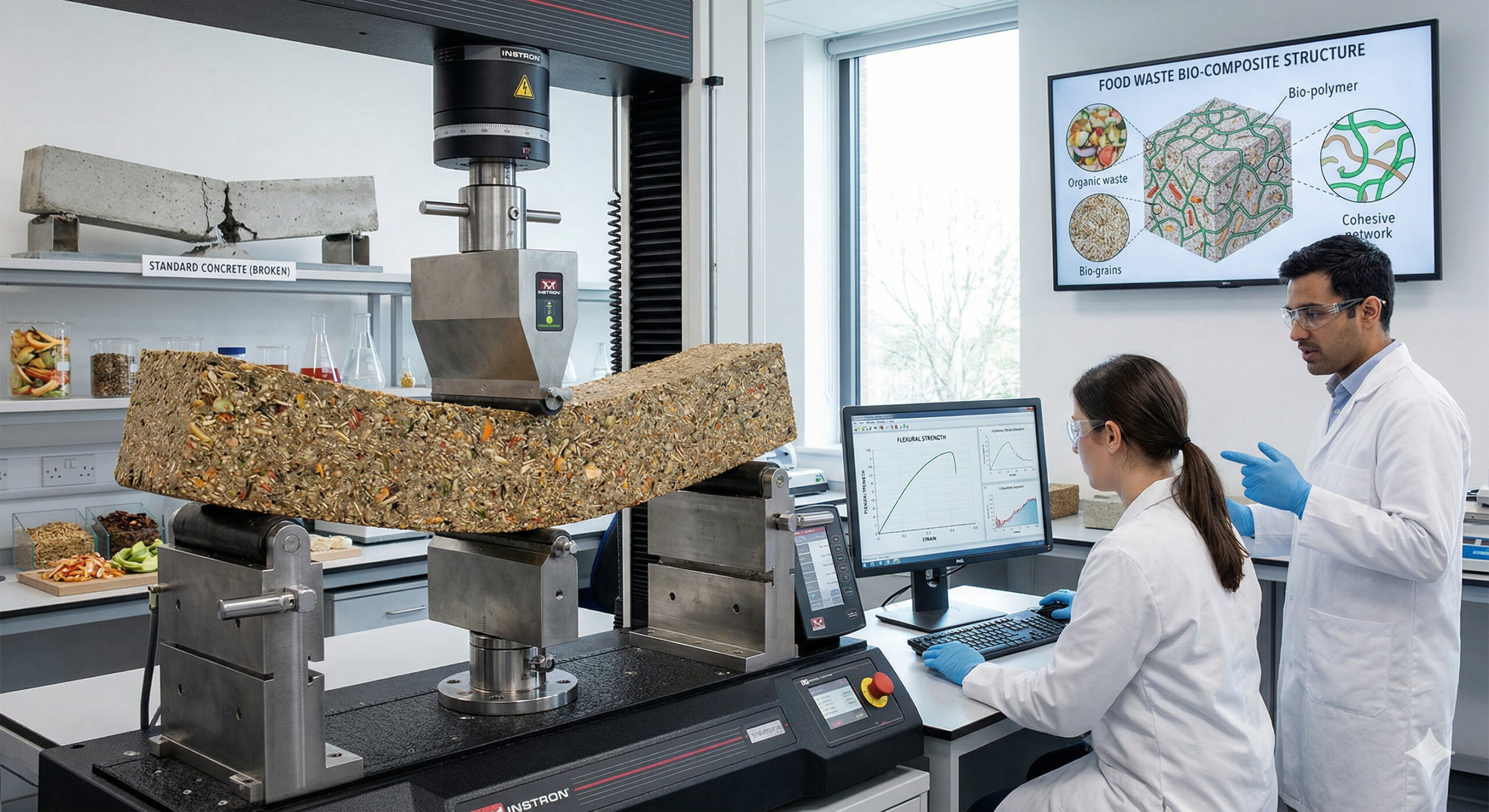
Researchers transform food waste into a material stronger than concrete, made without cement, using cabbage, peels, and coffee grounds, which can still be consumed in an emergency.
-
A 3,000-year-old city found in a “hidden treasure” in Uzbekistan reveals a preserved wall, interconnected rooms, and artifacts that help explain how urban life emerged along the ancient Silk Road.

New Policy
According to the South China Morning Post, Chinese universities have initiated a policy that alters the process for students in STEM fields seeking a PhD.
The degree, which always required a theoretical thesis, now accepts real products and systems as evaluation bases.
Harbin Institute of Technology is leading this transition. The proposal brings academia and industry closer together by valuing applicable results. This creates a different path for future researchers. It is a significant change.
Wei Case
The first PhD awarded under the new format was granted to Wei Lianfeng in September. He graduated in 2008 and joined the China Nuclear Institute, where he stayed for over a decade before returning to the university.
Wei presented results in the development of a vacuum laser welding system. Additionally, he underwent an oral defense accompanied by industry experts, who evaluated his performance directly.
The case has become a showcase for the model.
Strategic Impact
The training of technical professionals has been a priority of the Chinese government for many years. In 2022, a national program reinforced STEM education, with a special focus on semiconductors and quantum computing because these sectors are considered strategic.
Cooperation between companies and universities was already anticipated in this plan. Therefore, the current policy consolidates the idea of uniting theory and practice to accelerate results.
Faster Engineers
The measure aims to solve an old bottleneck. It is not enough to train more engineers. The country needs to train them faster and with the capacity to deliver practical solutions.
The extensive thesis, with hundreds of pages, does not always meet the urgency of the technological race.
This point has gained strength in light of the US restrictions on technologies deemed essential. China is trying to reduce dependencies and create local alternatives.
Consistent Expansion
The push for technical training is part of a plan that began in the post-Mao period. The progress appears in the most recent figures and indicates a long-term strategy that seeks stability.
In 2023, data shows that China awarded 51,000 doctorates in STEM, compared to 34,000 in the US. The projection for 2025 was 77,000 new degrees.
Scale Of Engineer And Doctorate Training
The gap widens when we look at undergraduate degrees. In 2020, China was already leading globally with 3.57 million graduates in STEM. India registered 2.55 million and the US had 822,000.
Today, the country totals 5.8 million graduates. More than 40% of students choose careers in STEM, reinforcing the necessary base to support technological and industrial advancements.
It is an expanding movement, even with some internal setbacks or small deviations.
China’s Prospects
The practical doctorate model indicates that China is adjusting its educational priorities. It is an attempt to align training with productive needs.
The strategy also reinforces the pursuit of technological autonomy in the face of external pressures.
These elements compose the long-term plan that the government has been executing and which continues to gain momentum.
With information from Xataka.







-

Uma pessoa reagiu a isso.