





 Portuguese
  English
  Spanish
  3 min of reading
  0 comments


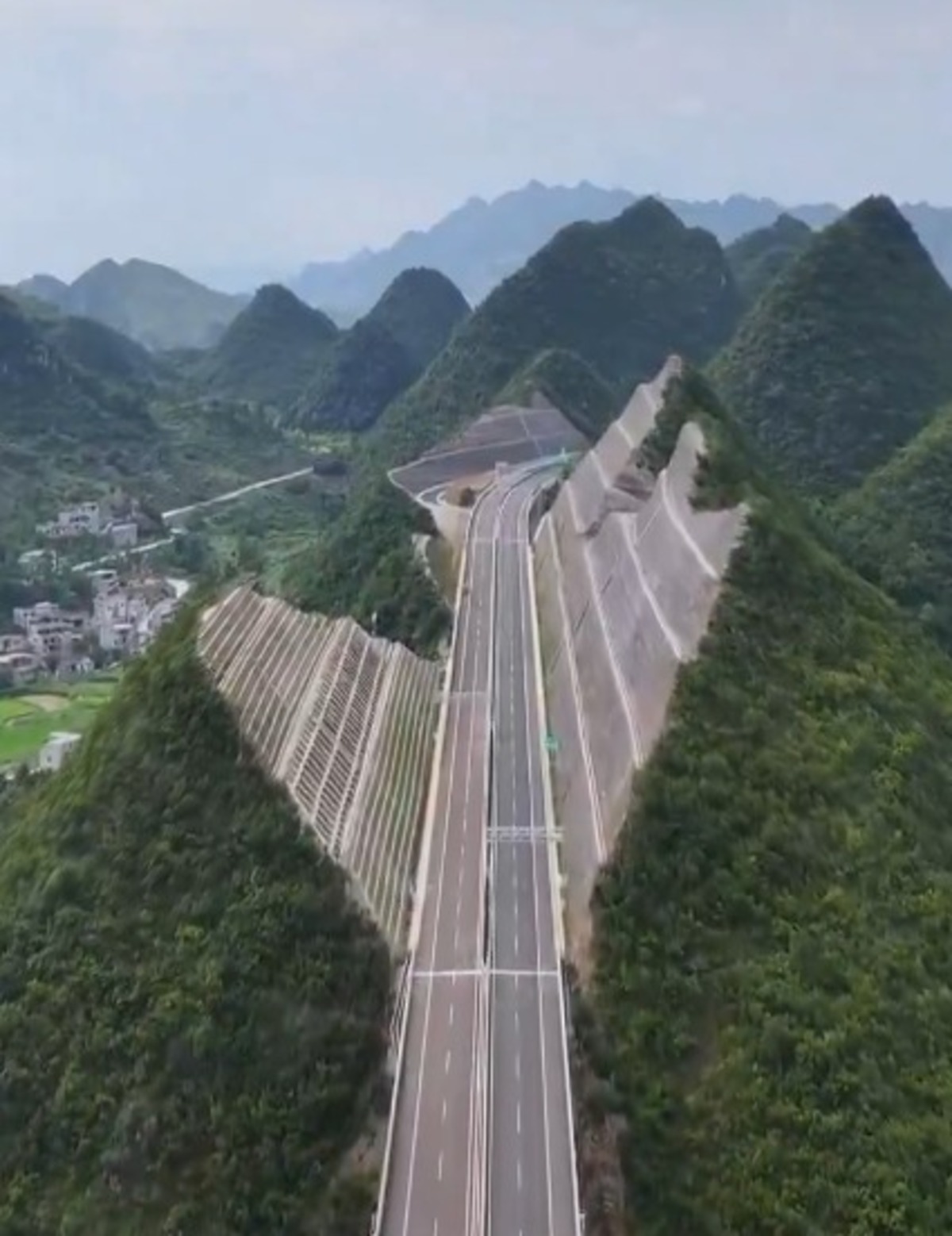
China Cuts Mountains With Vertical Walls Up to 200 Meters, Replaces Tunnels in Karst Provinces, and Reduces Journeys From Hours to Minutes on Strategic Highways and Railways
The China has been adopting the technique of cutting mountains to open roads and railways for decades, using controlled explosives and heavy excavation to create open passages, reduce travel times, and enable connections where tunnels would be expensive, risky, or impractical.
The practice replaces long detours with direct cuts in rock formations, shortening routes and enhancing logistical integration between cities separated by steep and complex terrain.
The method requires detailed geological studies to map composition, fractures, and stability, defining routes and volumes for removal with meticulous planning and controlled detonation sequences.
-
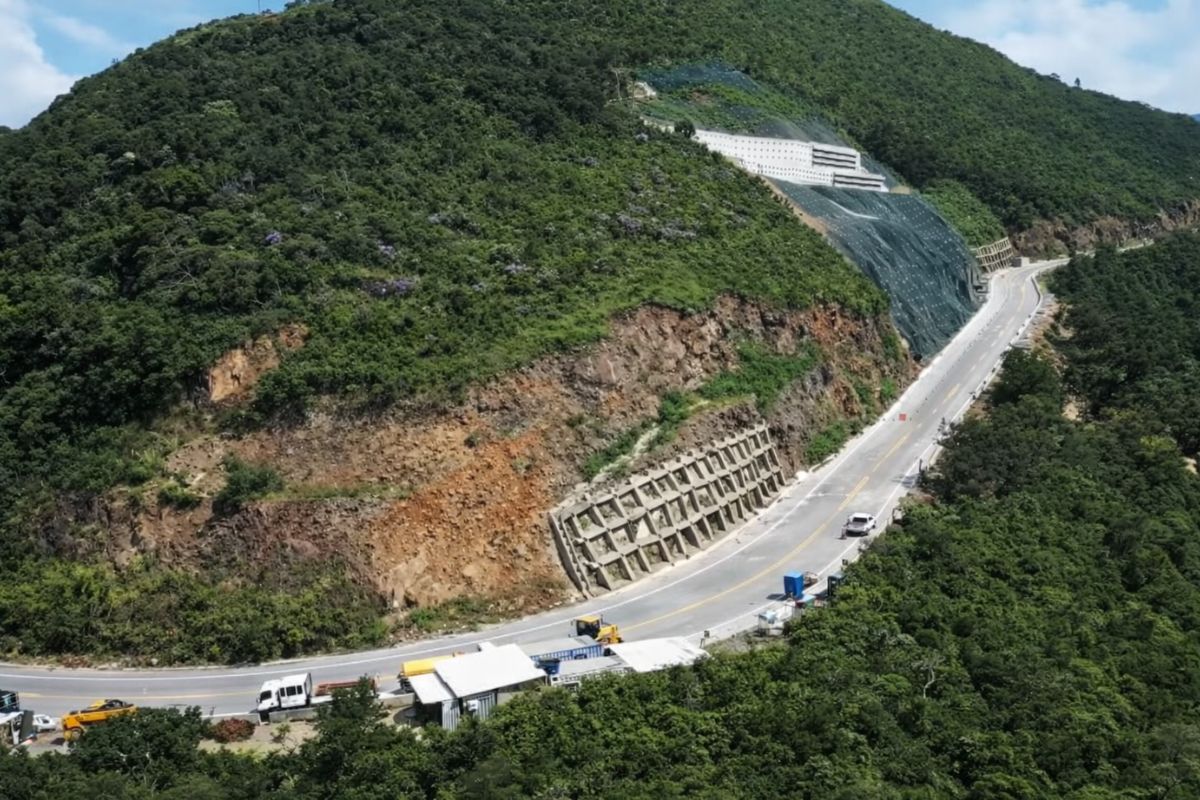
The section of Serra da Rocinha on BR-285 is now open in Timbé do Sul: 50 m tensioned curtains and top-down technique stabilize the slope, with a stairway duct controlling the water.
-
Scientists use sawdust mixed with clay to create a lighter brick, promising efficient thermal insulation and impressing by transforming waste into a solution for construction.

-
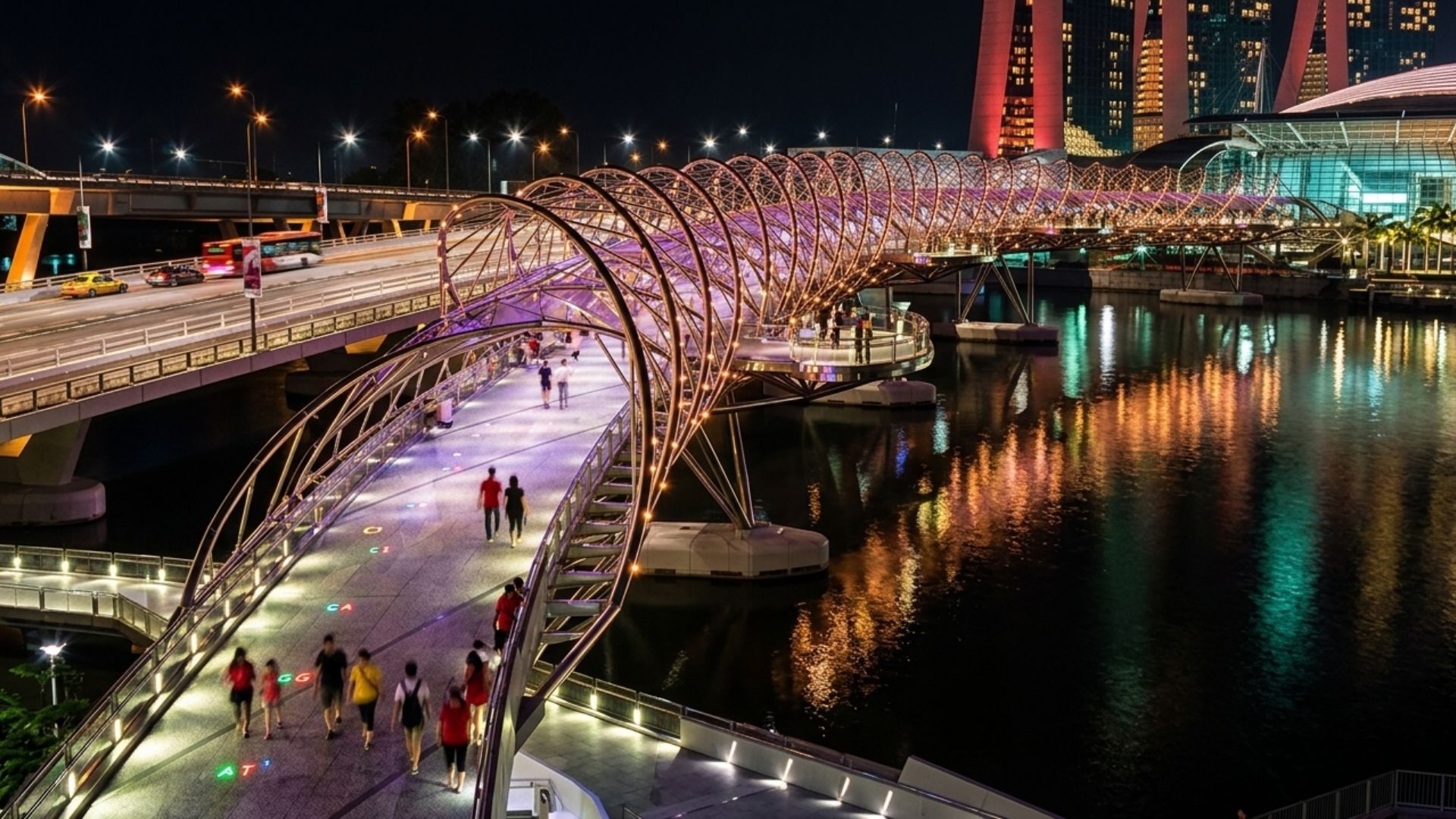
With a DNA shape, this bridge in Singapore draws attention in modern architecture and surprises tourists by transforming a simple crossing into an unforgettable visual experience in the urban heart.
-
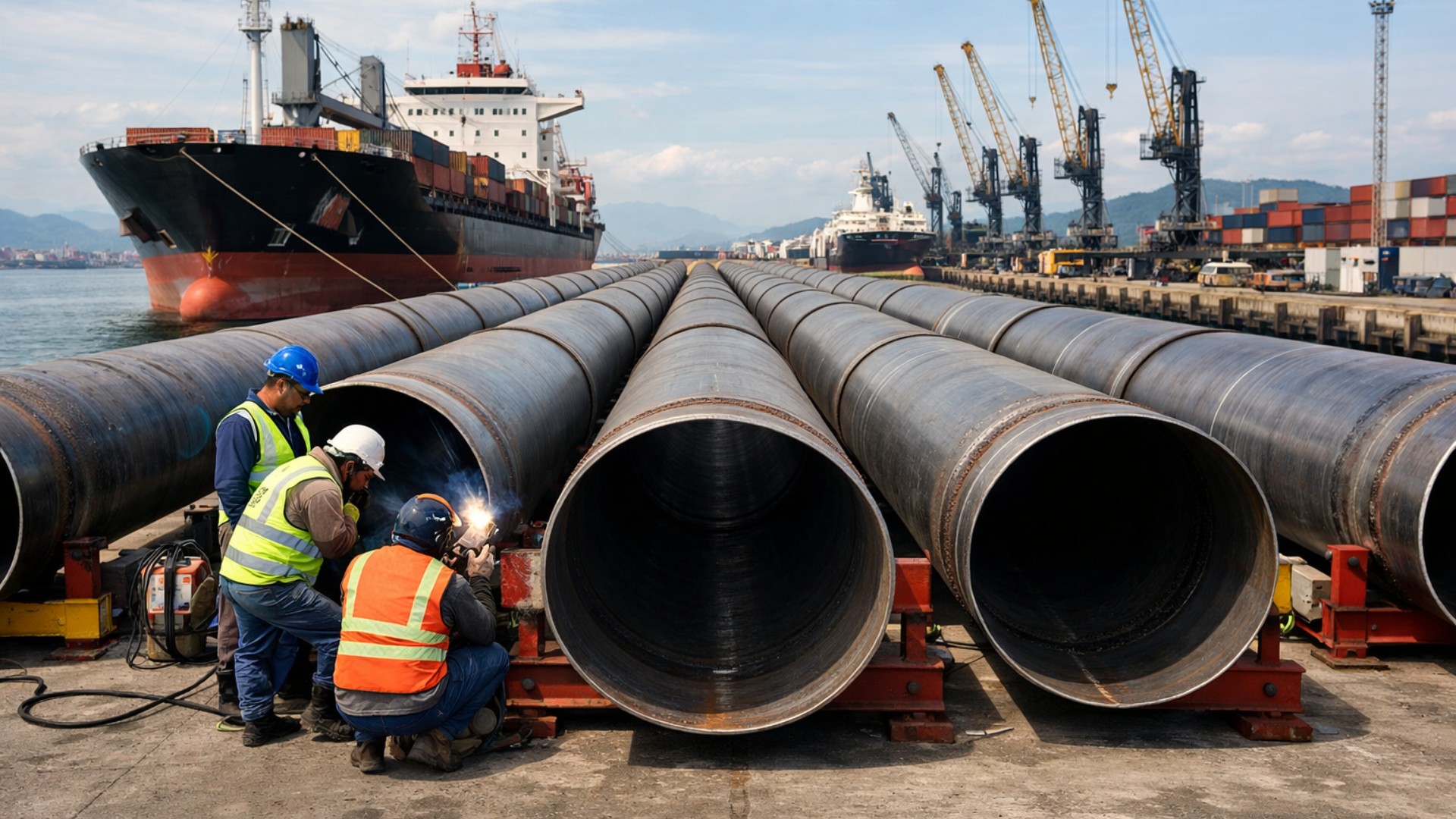
Giant underwater pipeline begins to take shape with a R$ 134.7 million project at the Port of Santos: the 1.7 km structure uses 12-meter and 700 mm pipes to supply water to 450,000 people in Guarujá.

After the initial fractures, excavators and drillers capable of advancing dozens of meters in depth per day come in, removing masses and shaping continuous vertical slopes.
How The Open-Cut Technique Works
The remaining walls receive stabilization with metal nets, shotcrete, and surface drainage, reducing risks of rockfalls and infiltrations over time.
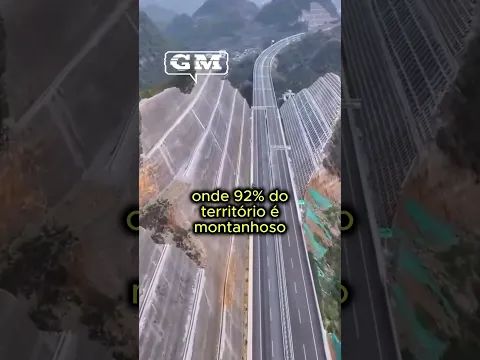
The result is corridors with vertical walls reaching up to 200 meters in height, visually clean, allowing open traffic and direct access to the landscape.
The solution has spread in areas where the terrain and geology make tunnels difficult, especially in karst terrain and fractured rocks.

Regions Where The Method Has Consolidated
The cut passages are common in Guizhou, Yunnan, and Sichuan, mountainous provinces with complex formations and high demand for quick connections.
In these locations, the open alternative has overcome technical and economic limitations, making construction feasible in areas previously considered unviable for traditional tunnels.
Direct Impact on Highways and Railways
Projects like the Guiyang-Qianxi highway and the Taihang Mountains mountain passage have reduced journeys from hours to minutes.
The technique has also been applied in sections of the Beijing-Guangzhou high-speed railway, where segments pass through literally open mountains.
Why Cut Instead of Drill
The choice prioritizes technical criteria and costs, especially in areas with abundant groundwater or unstable rocks, which increase the risks and costs of deep tunneling.
Open passages simplify maintenance, eliminate the need for continuous ventilation, and enhance the circulation of heavy vehicles, an important factor for road freight transport.
International Comparisons
Outside of China, similar methods appear in Norway, in fjords where cuts surpass drillings, despite tunnel projects such as Rogfast.
In the United States, the Cumberland Gap passage used cuts on a smaller scale, without achieving the Chinese amplitude.
Environmental Debate and Exceptions
Despite logistical gains, the technique raises environmental debates for altering drainage, fragmenting habitats, and generating dust, noise, and large volumes of waste.
For this reason, it remains an exception: tunnels are still preferred, while open cutting is applied when risks, costs, and geology make drilling disadvantageous.
With information from Xataka.








-

-

-

-

31 pessoas reagiram a isso.