





 Portuguese
  English
  Spanish
  4 min of reading
  0 comments


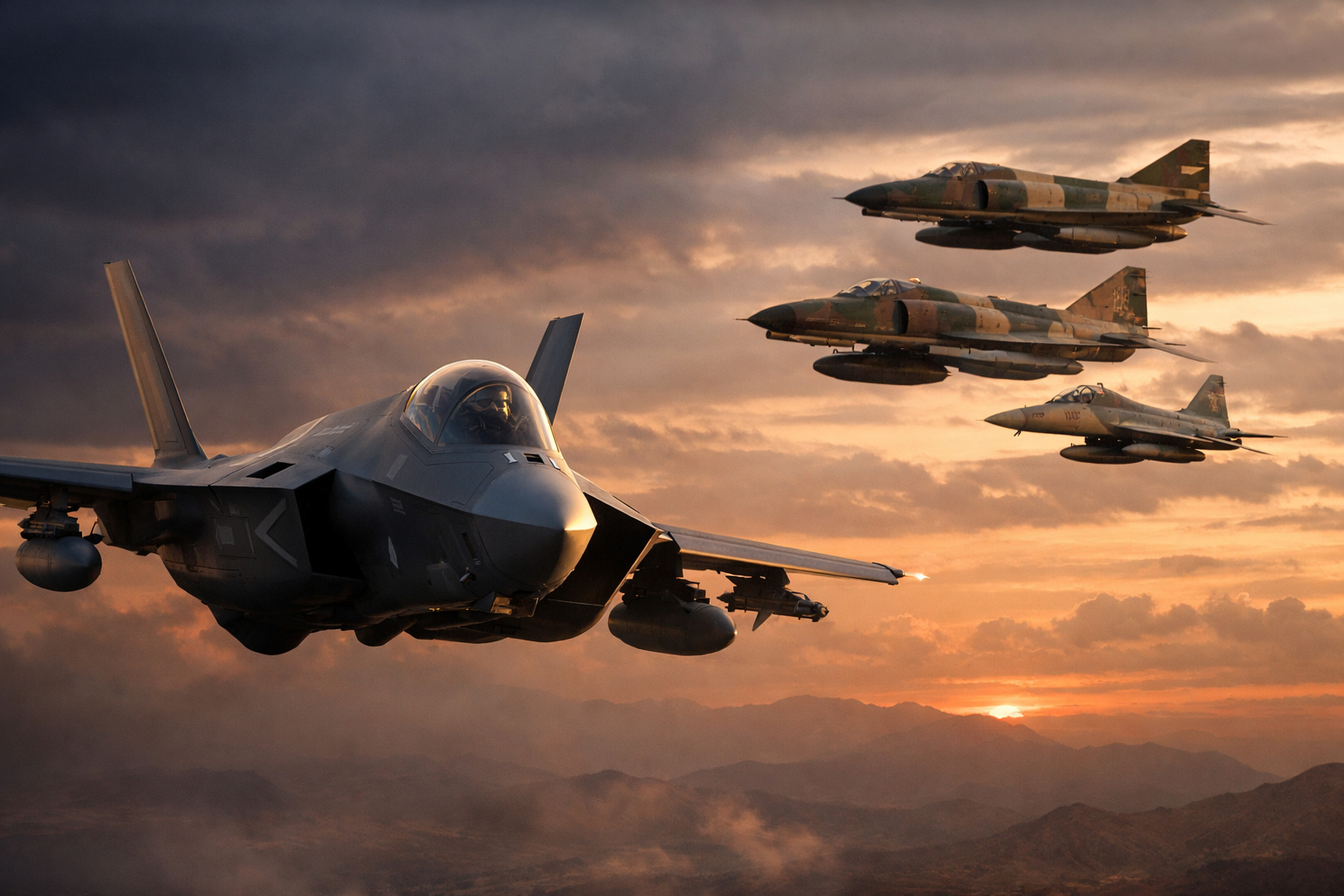
Technological Inequality Between Iranian Aircraft and Western Stealth Fighters Reveals a Scenario of Strong Military Disparity in the Skies of the Middle East and Helps Explain Tehran’s Strategy to Invest More in Ballistic Missiles and Drones
The supremacy of the war in the skies exercised by the United States and Israel has once again highlighted a structural problem in the Iranian Armed Forces: the obsolescence of a large part of its air force. Currently, many of the operational Iranian airplanes and helicopters belong to technological generations dating back to the 1960s and 1970s, which raises doubts about their ability to face modern aircraft in an eventual direct confrontation in the Middle East.
In fact, the operational reality demonstrates a significant contrast. While the United States and Israel operate fifth-generation fighters like the F-35, with stealth technology, advanced sensors, and real-time data integration, the Iranian air force maintains outdated aircraft in active service, many of which are closer to museum pieces than to modern air combat platforms.
Moreover, this technological disparity is not limited to the age of the aircraft. It also involves modernization capabilities, maintenance, and parts replacement, which are fundamental factors in any contemporary air force.
-
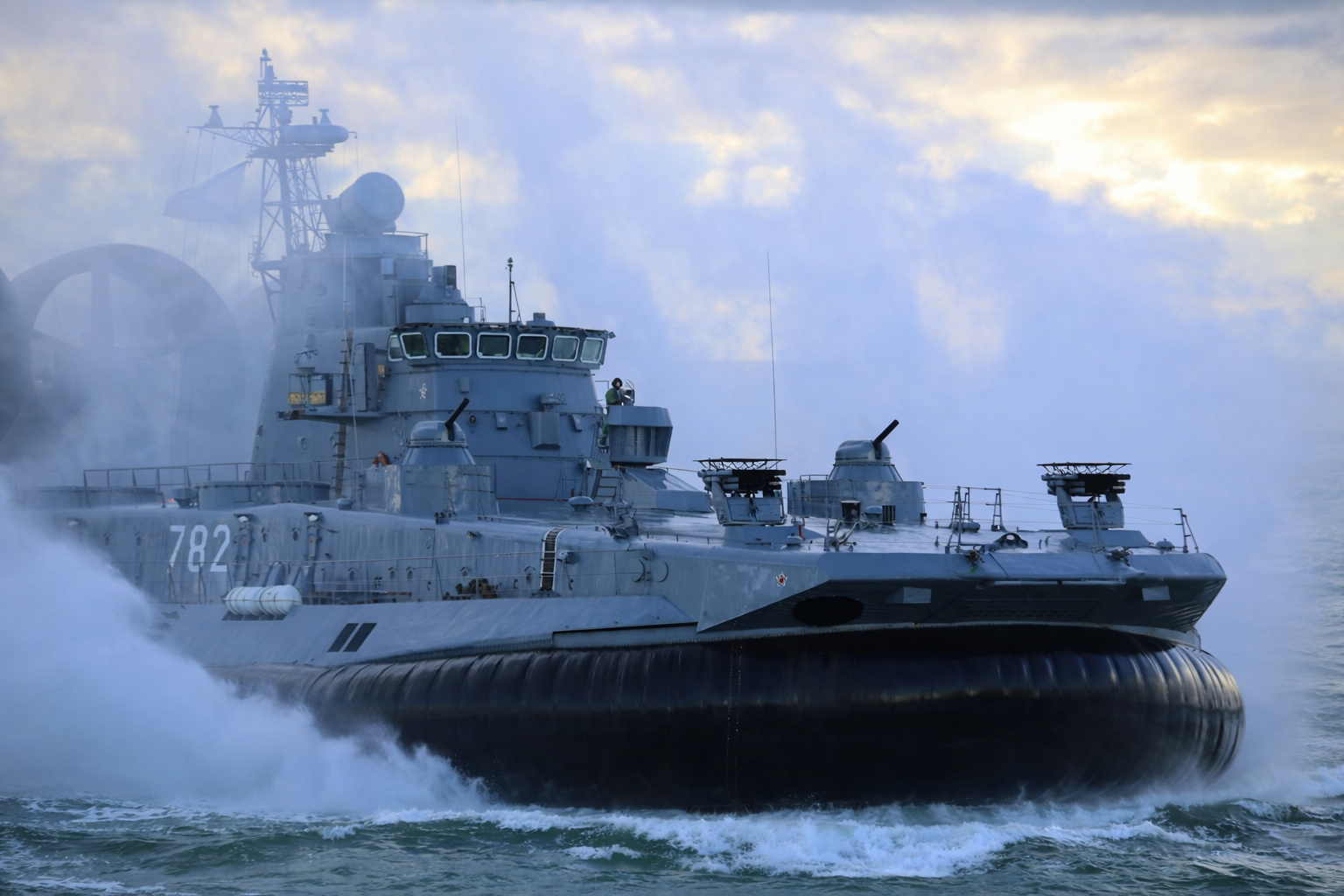
Classified as a “amphibious monster” weighing 555 tons, 57 meters long, and featuring three propellers with a diameter of 5.5 meters, the Zubr is the largest military hovercraft ever built, capable of transporting 3 tanks or 500 soldiers at speeds exceeding 100 km/h over water, ice, and sand, and China has resumed production of it to project power in the South China Sea.
-
The U.S. Army receives the first Black Hawk helicopter that can fly without pilots, be controlled by a tablet, and even land on its own during high-risk missions.

-
With 11,000 tons and sensors capable of hunting submarines at long distances, the Type 055 has become one of the most feared floating arsenals of the Chinese navy.

-
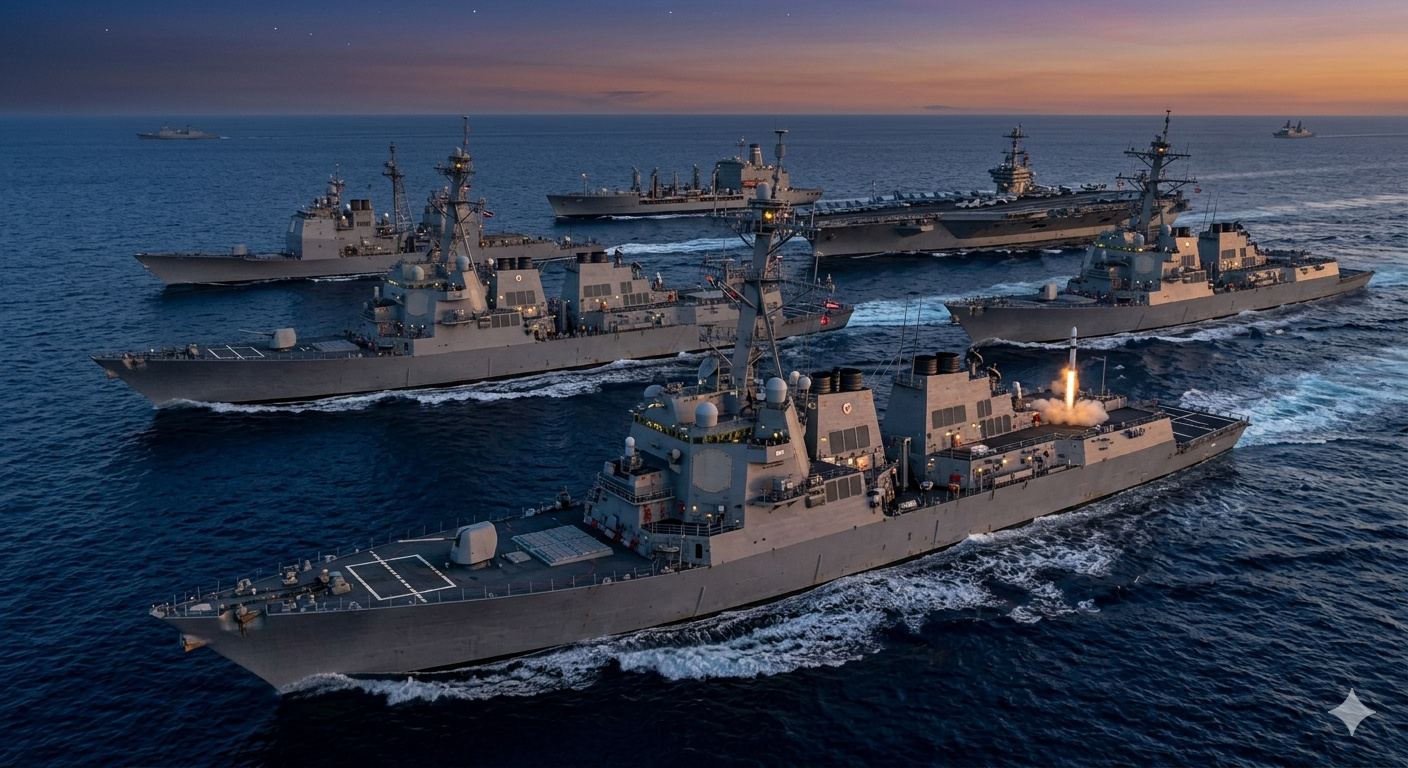
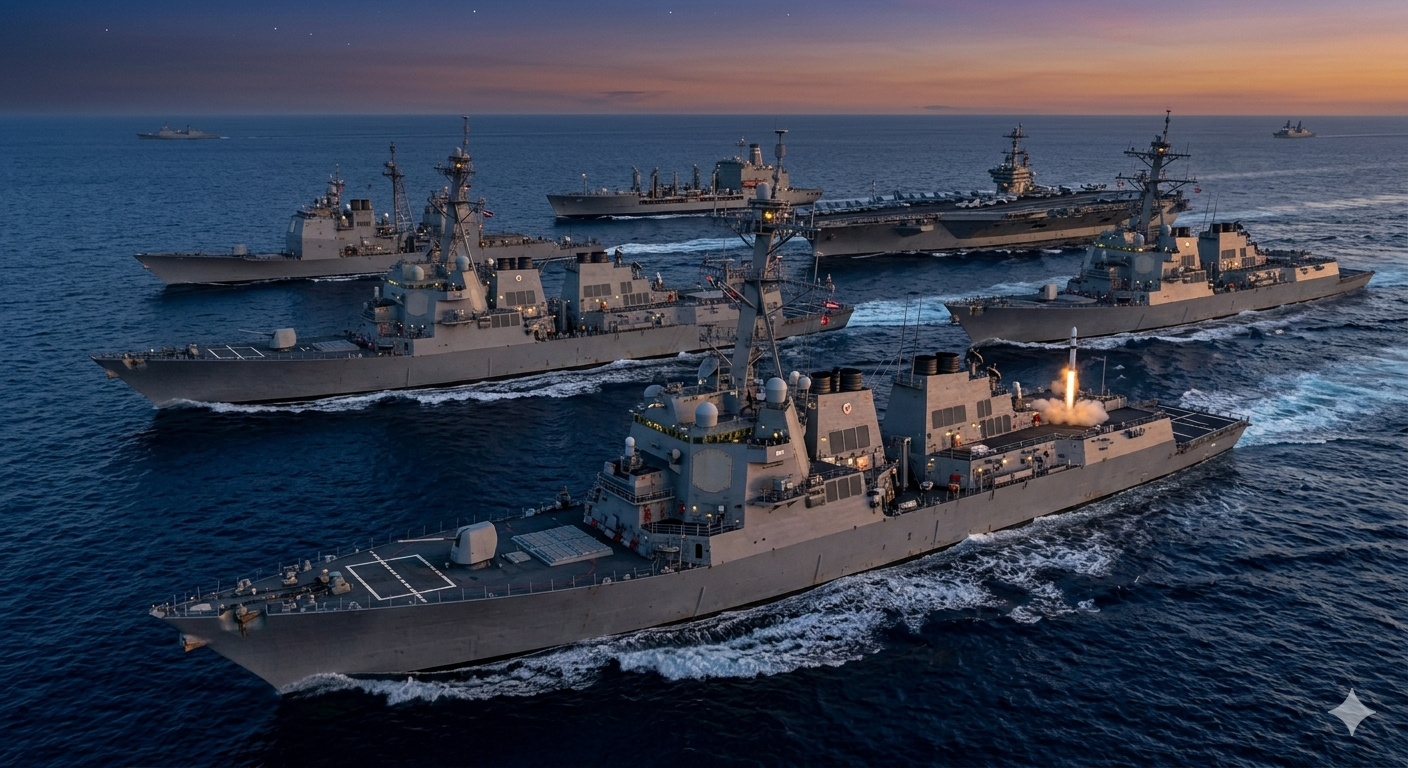
With over 15,000 tons, radars capable of tracking hundreds of targets simultaneously, and more than 120 missiles ready for launch in seconds, modern destroyers cease to be escorts and begin to dominate the naval battlefield.

Iranian Fleet of 218 Aircraft Faces Aging and Logistical Challenges
Currently, the Iranian air force has about 218 aircraft in its fleet, according to estimates cited in international analyses. However, the vast majority of these planes are old, outdated, and often rely on parts acquired from the alternative market, a direct consequence of decades of international sanctions and difficulties accessing original components.
As a result, keeping these aircraft operational requires constant logistical effort. Parts need to be adapted, rebuilt, or obtained through indirect routes, which inevitably impacts the availability and reliability of the equipment.
This scenario became even more evident after the release of a recent video that gained international attention. In the footage, an Israeli pilot flying a modern F-35 is seen engaging an Yak-130 from the Iranian air force.
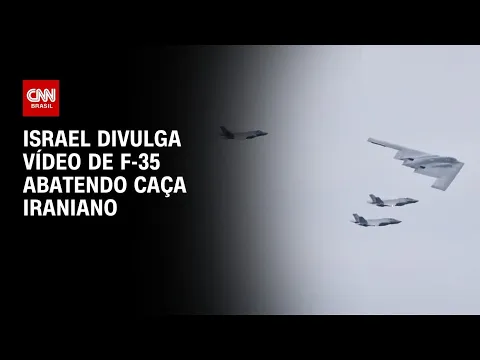

The Yak-130, of Russian origin, is actually an advanced training simulator for fighter pilots, developed in the 1990s and classified as a subsonic jet. In mere seconds of combat, the Israeli F-35 neutralizes the adversary aircraft, reducing the Yak-130 to a fireball heading toward the ground, highlighting the enormous technological gap between the two sides.
Absence of Stealth Aircraft Places Iranian Jets at a Clear Disadvantage
Another decisive factor contributing to the inequality in the skies is the absence of stealth aircraft in the Iranian fleet. Unlike the United States and Israel, which operate fighters with stealth technology capable of drastically reducing their detection by radars, Iran still has no such aircraft in operation.
Consequently, Iranian jets become relatively easy targets for detection systems and modern aircraft, especially in high-intensity confrontations.
In light of this reality, Iran has begun to invest heavily in ballistic missiles and military drones, which provide a strategic alternative to compensate for the limitations of its combat aviation. These systems have comparable firepower in certain scenarios, although they present operational limitations when compared to the flexibility of a modern air force.
This information was disclosed by The Wall Street Journal (WSJ), which analyzed the current composition of the Iranian fleet and highlighted that many of the aircraft acquired by the country Date back to before the overthrow of the Shah and the Islamic Revolution of 1979, an event that transformed the country’s political regime and profoundly changed its relationship with Western military suppliers.
Vietnam War Fighters Still Comprise Part of the Iranian Air Force
Among the aircraft that still form part of the Iranian inventory are the well-known F-4 Phantom and F-5 fighters, models that were purchased during the 1960s and 1970s, a period marked by the height of the Vietnam War.
Although these aircraft were widely used in the past by various air forces around the world, they are currently considered technologically outdated when compared to the fifth-generation fighters that dominate the contemporary military landscape.
Recently, an incident reinforced concerns about the state of the Iranian fleet. According to the WSJ, an Iranian F-4 fighter crashed during a night training mission in Hamedan province, located in western Iran.
Incidents of this kind raise questions about the structural wear and tear on these aircraft, especially considering that many of them have already exceeded several decades of operation.
Old Helicopters Also Face Operational Problems
The situation of obsolescence is not limited to combat aircraft. The Iranian helicopter fleet also faces similar challenges, with several models acquired during the regime prior to the Islamic Revolution.
A recent example involves an AH-1J helicopter, a model that was purchased in 1971. The aircraft recently crashed in the Isfahan area, hitting a fruit and vegetable stand.
The accident resulted in the deaths of the pilot, the co-pilot, and two vendors, once again highlighting the risks associated with operating old equipment in an increasingly demanding operational environment.
Thus, the combination of old aircraft, maintenance challenges, and the absence of stealth technology helps explain why military experts point out that Iran faces a clear disadvantage in air superiority, especially against adversaries equipped with F-35s and other state-of-the-art platforms.
Given an aging fleet and lack of stealth technology, could the Iranian Air Force confront Israel and the United States in a struggle for supremacy in the skies?






-

-

-

-

-

35 pessoas reagiram a isso.