





 Portuguese
  English
  Spanish
  6 min of reading
  1 comment


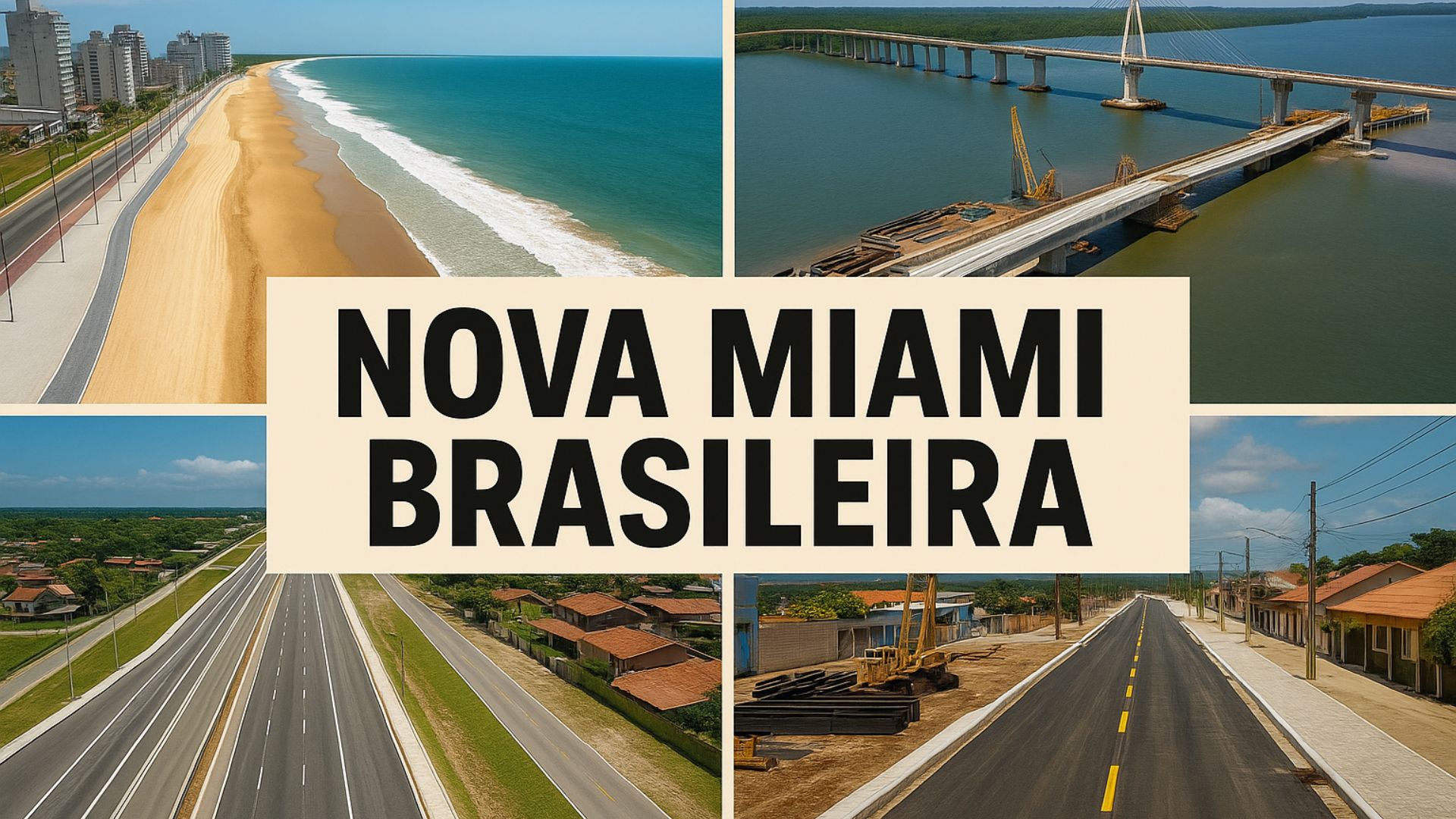


The Coast of Paraná Goes Through an Unprecedented Cycle of Works Involving Reurbanization, Expansion of Waterfronts, and New Transportation Axes, Changing the Touristic and Economic Dynamics of the Region.
The coast of Paraná is undergoing one of the largest cycles of public works in its recent history.
Together, the ongoing projects represent over R$ 1.7 billion in urban, road, and touristic infrastructure, focusing on Matinhos, Guaratuba, and Pontal do Paraná.
The state government’s objective is to reposition the coastal area on the national tourism map, reduce chronic flooding, and improve mobility in a region that has dealt with a precarious structure for decades.
-
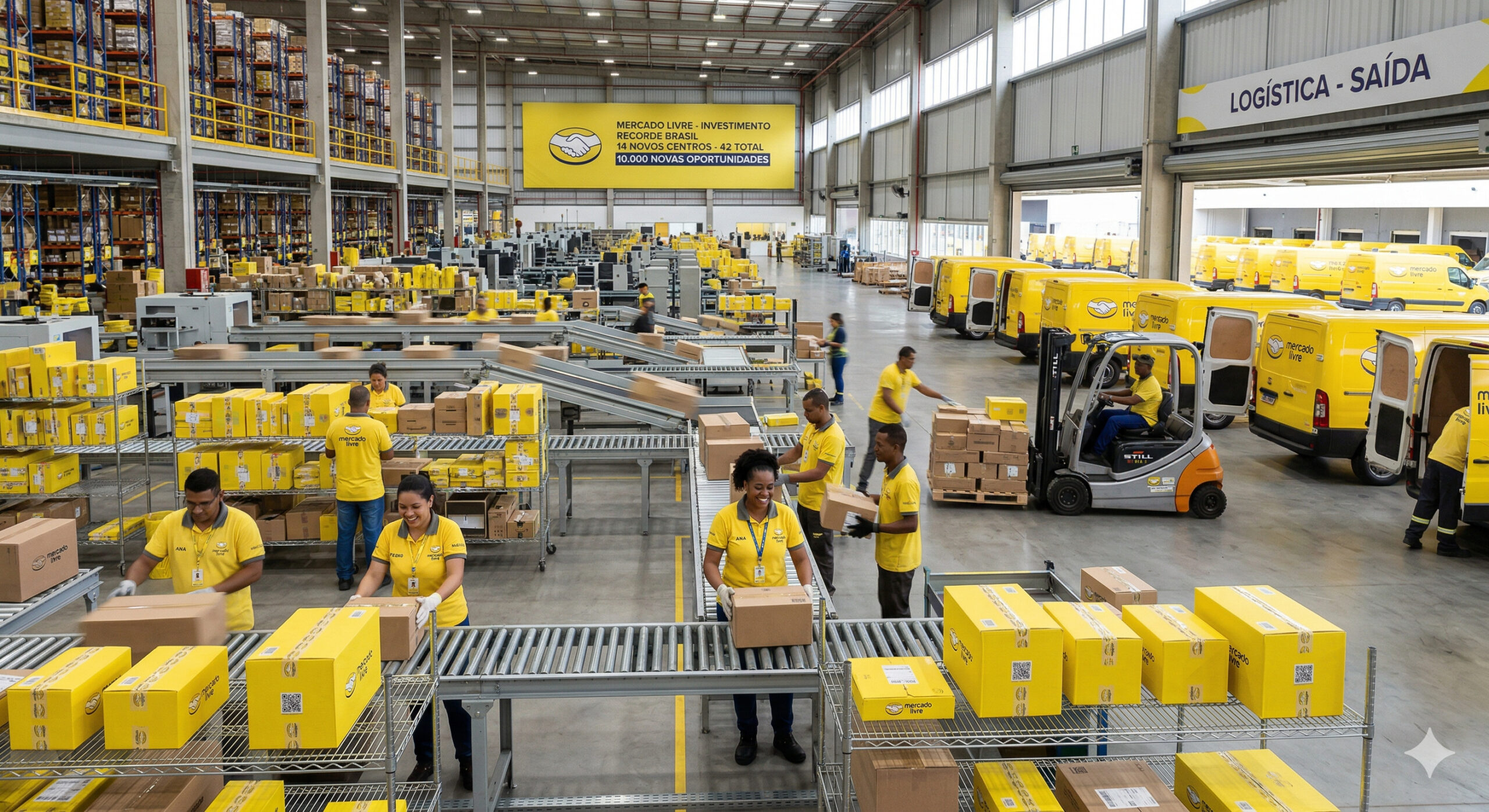
Mercado Livre “opens the vault” and announces a record investment of R$ 57 billion in Brazil in 2026, a value 50% higher than the previous year, with an expansion plan that includes 14 new logistics centers, totaling 42 units in the country and hiring an additional 10,000 employees.
-
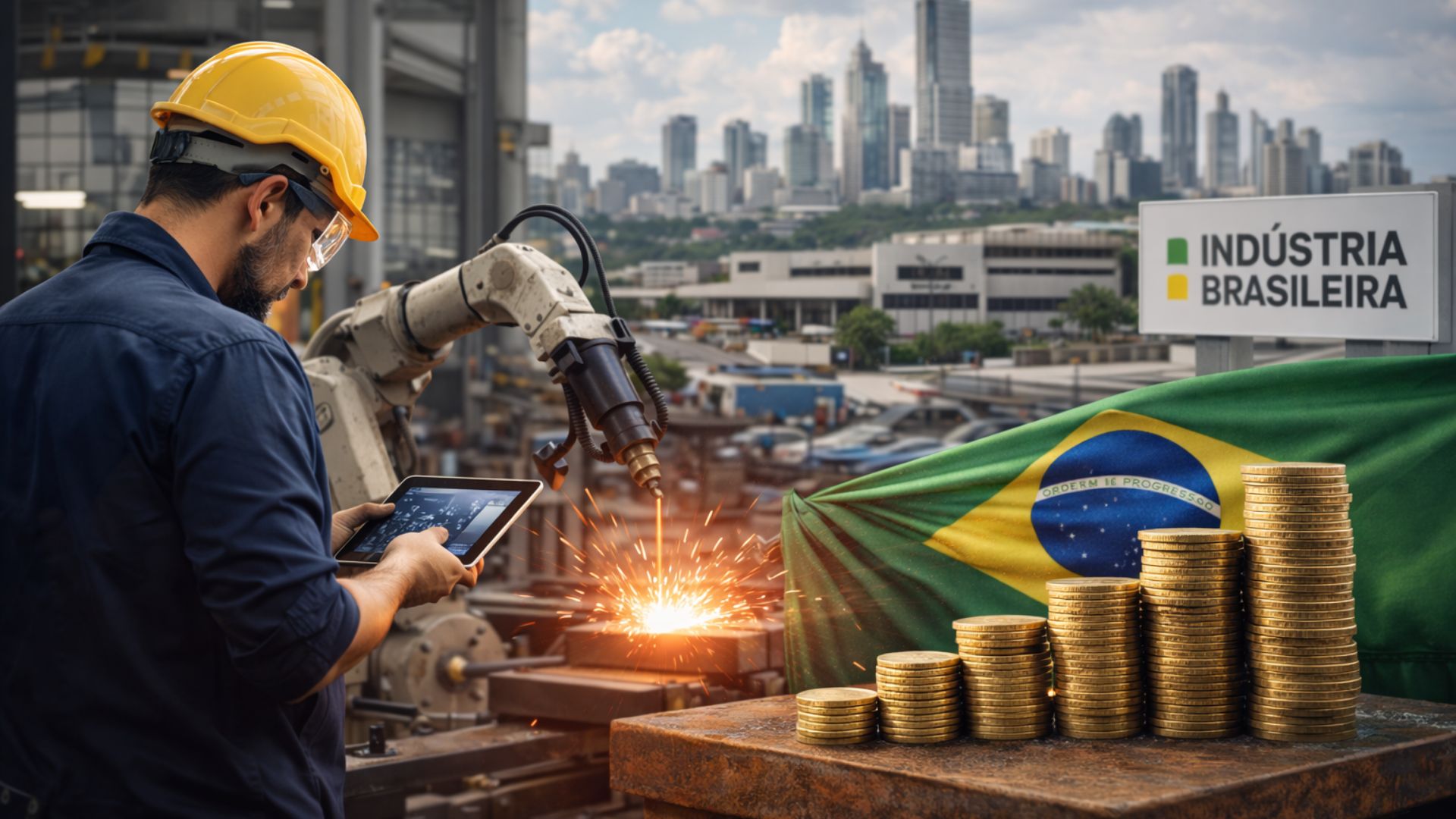
How investment in technology can revolutionize the national economy and enhance industrial gains, according to a study that highlights the direct impact on productivity, innovation, and wealth retention within Brazil.
-
The largest food company on the planet, JBS, has just opened a 4,000 square meter laboratory in Florianópolis to develop customized proteins that modulate muscle mass gain, immune response, and metabolic performance.

-
After nearly 30 bids and competition among industry giants, a Spanish company purchases one of the largest airports in Brazil for almost R$ 3 billion and takes over the management of Galeão in a concession that will last until 2039.


Urban Transformation on the Coast of Paraná
In Matinhos, the most emblematic intervention is concentrated.
The recovery of the waterfront combines hydraulic fill, a technique used in destinations like Miami and Dubai, with deep drainage works, new marine structures, boardwalks, bike paths, and LED lighting.
The beach nourishment and reurbanization total over R$ 500 million in investments contracted by the state government.
For years, the combination of high tides, storm surges, and heavy rains caused erosion of the sandy beach and constant flooding on roads near the sea.
The current project expands the beach, strengthens coastal protection, and reorganizes the urban space of the waterfront.

In addition to the widened sandy beach, the package includes macro-drainage, micro-drainage, paving, and recovery of internal streets, focusing on areas that historically suffered from flooding.
The interventions are executed in stages.
The initial phase focused on beach nourishment and marine structures.
Subsequently, drainage networks and the definitive urbanization of the boardwalk will advance, with a gradual completion expected by mid-2026, according to schedules released by the Paraná government.
Hydraulic Fill and Waterfront Modernization
The use of hydraulic fill is the aspect that most closely aligns the Paraná project with international references.
The technique consists of removing sand from submerged areas and depositing it on the beach strip, widening the waterfront and reducing coastal erosion effects.
The method has been adopted in resorts like Miami Beach and luxury developments in Dubai, and is being replicated in Brazilian cities like Balneário Camboriú.
On the coast of Paraná, the nourishment extends for several kilometers.
Millions of cubic meters of sand have been dredged and relocated.

The intervention seeks not only to create more space for bathers but also to protect properties, coastal avenues, and public facilities exposed to storm surges.
According to the Water and Earth Institute, the project combines coastal engineering and environmental actions to reduce impacts and ensure the stability of the new sand strip.
Moreover, the redesign of the boardwalk and bike paths aims to integrate leisure, active mobility, and safety, with improved public lighting and reorganization of pedestrian and cyclist flow.
The tourism sector’s expectation is that the new waterfront will attract real estate developments, hotels, and services, repositioning Matinhos as one of the main summer destinations in the South of the country.
Guaratuba Bridge and Mobility Corridors
Another pillar of the transformation is the Guaratuba Bridge, which advances over the bay connecting the municipalities of Matinhos and Guaratuba.
The project envisions a structure of approximately 1.2 kilometers in length, with four traffic lanes, two safety lanes, a bike path, and sidewalks, in addition to concrete protection barriers.
The total investment approaches R$ 400 million.
When completed, the bridge will replace the current ferry crossing, which has long been the main mobility bottleneck in the region.
The official projection is to release vehicle traffic starting in 2026.

The work will create a continuous road corridor between Matinhos, Pontal do Paraná, and Guaratuba, shortening travel times and reducing queues.
The works have already surpassed the halfway mark.
There have been advances in the assembly of the cable-stayed section, launching of precast beams, and construction of access roads.
Recent reports indicate more than 50% of the services completed.
Duplication of the PR-412 and Touristic Structuring
The PR-412 is another axis considered strategic for the Paraná coast.
Between Matinhos and Praia de Leste, a stretch of approximately 14 kilometers is undergoing concrete duplication, construction of service roads, U-turns, and new safety devices.
The contract is estimated at R$ 274.5 million.
In another segment of the same highway, between Guaratuba and the border with Santa Catarina, the state government authorized interventions that expand the road’s capacity, reinforce drainage, and modernize signage.
The improvements include new U-turns, a concrete gallery replacing the existing bridge, and safety works at critical intersections.
The combination of the duplication of the PR-412 and the future Guaratuba Bridge forms a structuring corridor for regional tourism.

The projection is to reduce congestion, facilitate the transportation of light cargo, and enhance areas previously underdeveloped due to a lack of efficient access.
Progress in Pontal do Paraná and Tourism Expansion
In Pontal do Paraná, the package of interventions mixes drainage works, paving, slope stabilization, and requalification of the waterfront.
In 2025, the municipality began the first phase of the revitalization of the coast, with environmental licenses aimed at macro-drainage, micro-drainage, earthworks, and paving on sections totaling over 3 kilometers between resorts like Monções and Praia de Leste.
The city hall is discussing with merchants and residents the redesign of urban sections, with standardized sidewalks and reorganization of parking spaces in resorts like Ipanema.
The improvement of infrastructure is expected to stimulate new real estate projects and the expansion of services aimed at vacationers and permanent residents.
Part of the investments in urban infrastructure is concentrated on paving and drainage works in internal streets.
The goal is to reduce flooding points and improve access to beaches even during heavy rain.
Touristic Repositioning and the Future of the Coast

For a long time, the coast of Paraná was seen as a destination with high potential but limited infrastructure.
The combination of narrow beaches, saturated roads, and ferry crossing imposed restrictions on tourism growth.
With the current cycle of works, the state government aims to reduce this historical deficit.
The requalification of waterfronts, the construction of the Guaratuba Bridge, the duplication of the PR-412, and urban modernization in Matinhos, Guaratuba, and Pontal do Paraná form a block of interventions that alters the region’s scale.
The full economic impact still depends on the completion of the works, maintenance of the new infrastructure, and private investments in real estate, hotels, and services.
In a moment of accelerated transformation, will the Paraná coast manage to consolidate the image of “strong>New Brazilian Miami” and attract a tourist flow compatible with the new urban standard?





Políticos com visões diferenciada precisam tomar o rumos de nosso país pra alavancar o desenvolvimento e forma um grande legado para as futuras gerações e colocar o Brasil aonde ele merece estar que um lugar de destaque isto é questão honrar pra homens sérios e honesto da política eu ainda acredito em uma porcentagem muita pequena deste servidores públicos.