





 Portuguese
  English
  Spanish
  4 min of reading
  0 comments


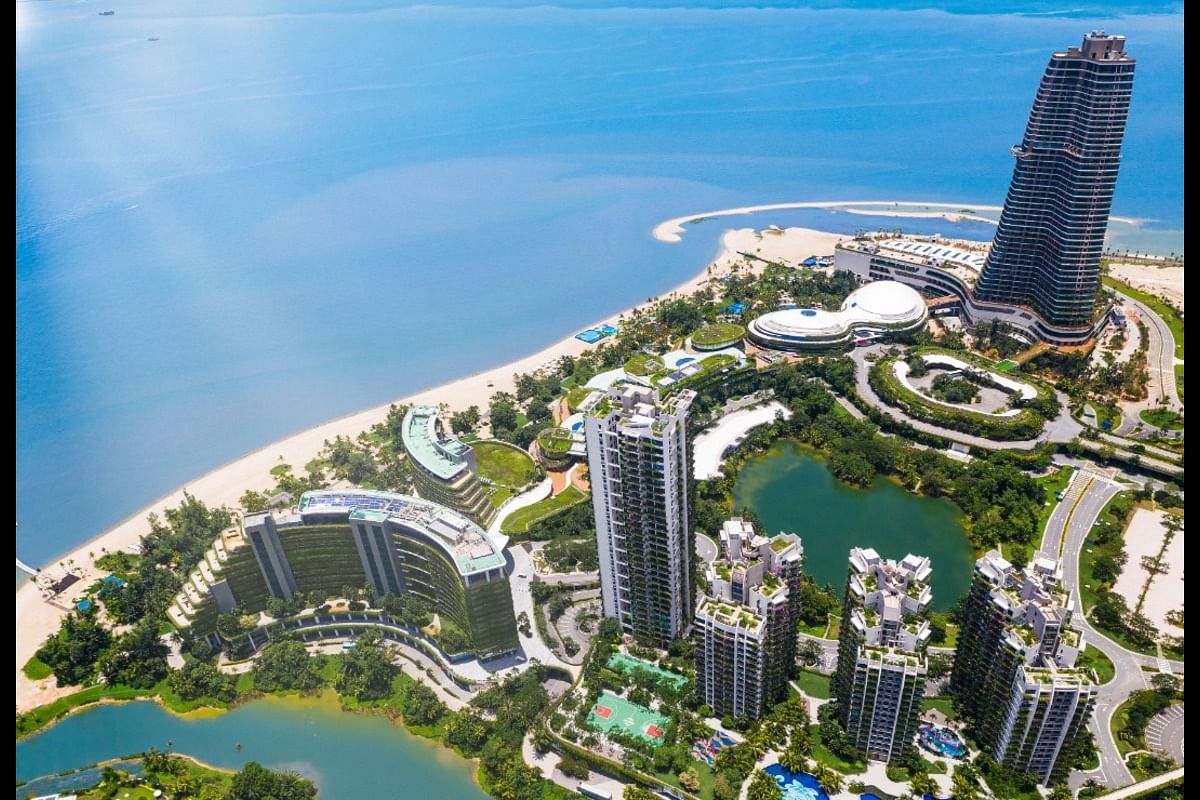
With An Investment Of US$ 100 Billion And Four Artificial Islands Over The Sea, Forest City, The Futuristic Megaproject Promised To House 700 Thousand People, But It Became A Modern Ghost Town.
Built over the Johor Strait, between Malaysia and Singapore, the so-called Forest City was born to be a symbol of Asian modernity. The project, valued at over US$ 100 billion, was conceived by the Chinese giant Country Garden Holdings, in partnership with the Malaysian government. The goal was to create a smart city, 100% sustainable, aimed at the global elite, with futuristic skyscrapers, luxury shopping malls, international schools, and floating condominiums. However, years after construction began, the dream turned into an almost absolute silence — a labyrinth of empty buildings housing only a fraction of the expected residents.
A City Over The Sea And The Promise Of A Green Future
Officially announced in 2016, the project occupied an area of 14 km², entirely built on four artificial islands created with sand dredged from the sea floor. The promise was bold: to erect a self-sufficient metropolis with 700 thousand inhabitants, cutting-edge infrastructure, and total connectivity with Singapore, which is just a few kilometers away.
The works were accelerated by Chinese companies that used modular construction technologies and advanced coastal engineering, a feat comparable to the artificial islands of Dubai, but with a residential and urban focus.
-
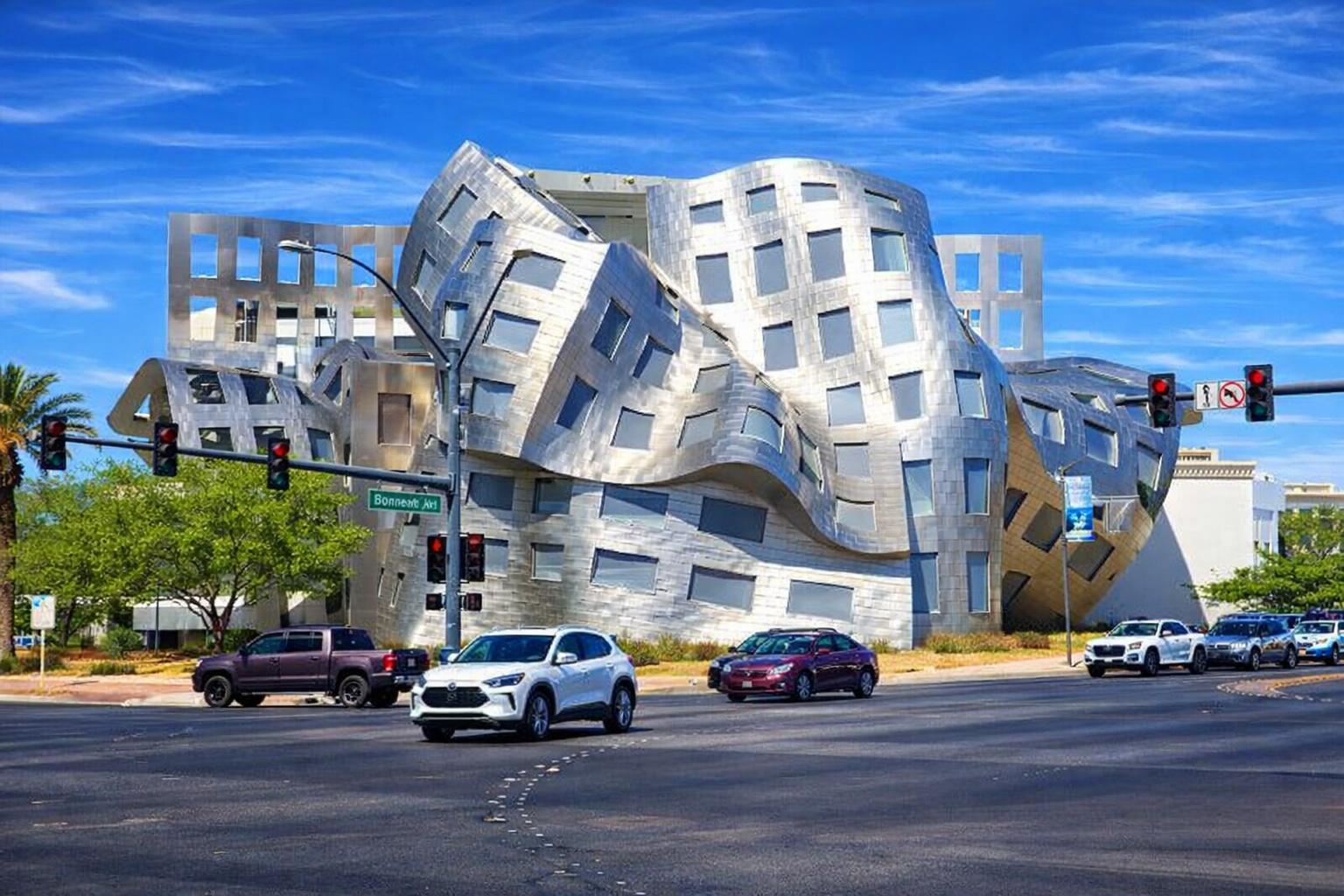
With nearly 6,000 square meters and an investment of $100 million, the building that seems to move in Las Vegas has a reflective stainless steel façade, creates optical illusions, and has become a symbol of creativity worldwide.
-
From Florianópolis to Antarctica non-stop at 60 years old: 1st Brazilian woman to sail solo makes history by facing one of the most dangerous routes on the planet.

-
A Brazilian recounted how a sudden malaise triggered the entire hospital machinery in the United States, with emergency protocols, tests to rule out a heart attack, and a bill that could reach $40,000.

-
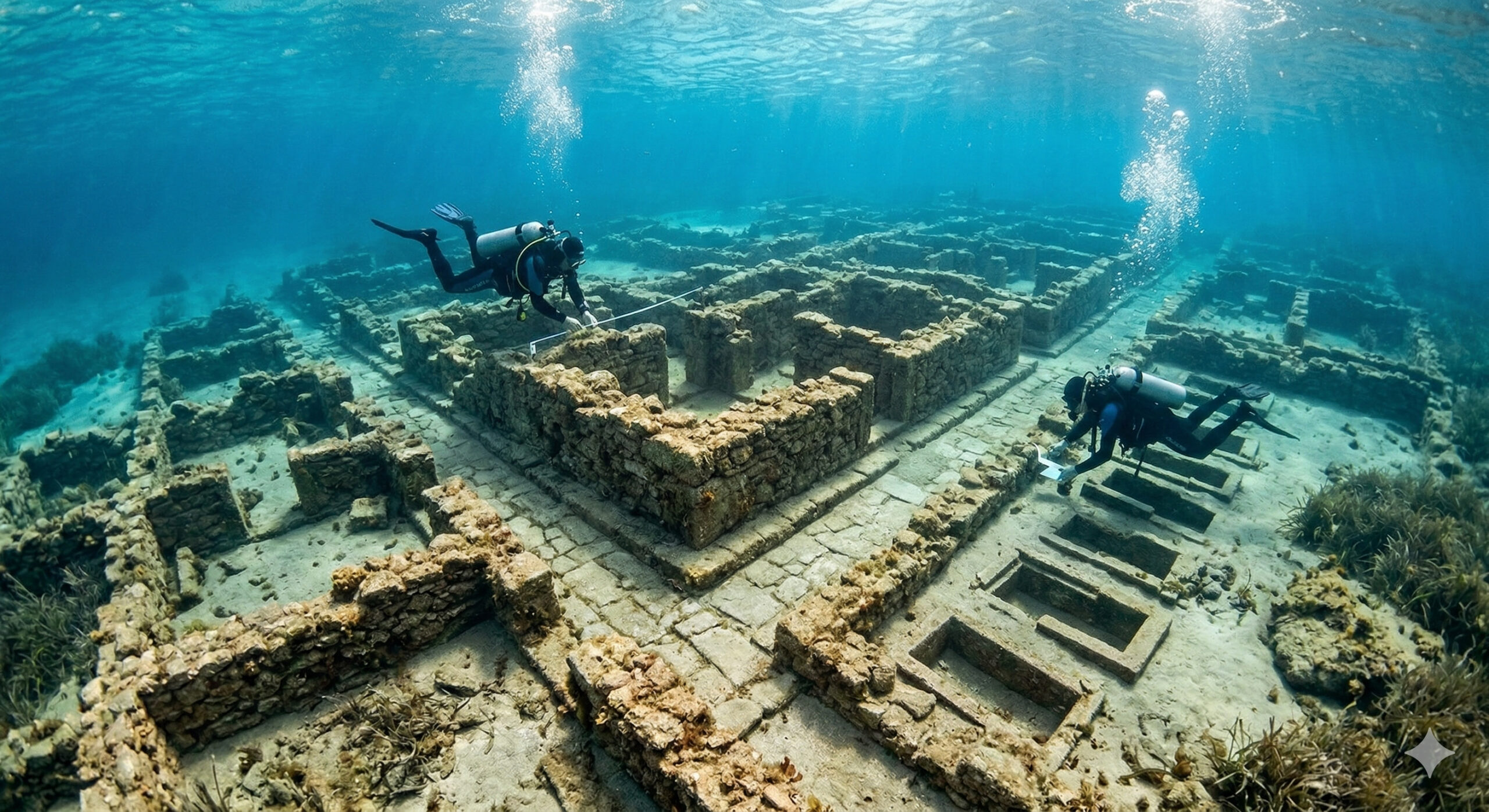
Discovered just 4 meters deep, a 5,000-year-old submerged city with streets, tombs, and trade signs with Crete reveals how one of the oldest civilizations in the world lived before disappearing beneath the sea.

Besides the smart buildings, Forest City included plans for an autonomous electric transportation system, suspended green areas, and a zero carbon emission policy.


The marketing sold the project as “the city of the future,” a kind of green metropolis of the 21st century, that would serve as a model for the world. The Malaysian government even classified the venture as a “special economic zone,” with tax incentives and facilities for foreign investors.
From Model City To Ghost Town
However, what seemed a sustainability dream became a symbol of excess and real estate speculation.
The political tensions between Malaysia and China, coupled with the investment restrictions imposed by Beijing, halted the flow of Chinese buyers, the main targets of the developer. According to data from Bloomberg, by 2024 only 8 thousand people lived there, representing 1% of the originally projected population.
The scenario is that of an almost deserted city: luxury towers rising by the seaside, wide and clean avenues, but devoid of movement, closed shops, and silent streets.
Reports from BBC and South China Morning Post describe the place as a “vacant paradise,” where the infrastructure is complete, but urban life never began. The company’s own employees live in the buildings to prevent the city from appearing abandoned.
Billion-Dollar Environmental And Economic Impacts Of Forest City
The construction of the artificial islands required the displacement of fishing communities and caused severe impacts on the local marine ecosystem. More than 160 million tons of sand were dredged from the coast of Malaysia, altering the natural balance of the region.
Moreover, the environmental cost added to the financial collapse: luxury properties that once cost the equivalent of US$ 1 million are now being sold for prices up to 70% lower.
The Guardian pointed out that the project has become a warning for mega real estate investments based on foreign capital dependent on credit cycles and political stability.
Forest City is still operated by Country Garden, but it faces an uncertain future: the buildings are ready, but without residents, and the promise of a smart floating city has remained confined to paper and promotional videos from a decade ago.
A Portrait Of The Ambitions And Limits Of Modern Engineering
Forest City is, today, a portrait of an era when engineering seemed capable of bending the laws of nature and the market. With its glass and steel architecture reflecting the sea, it symbolizes the human ambition to create the impossible and the risks of doing so without balance.
The wide streets, vertical gardens, and artificial canals still impress, but the absence of life reveals the contrast between utopia and reality.
Even so, the project has not been officially closed. Malaysian authorities claim there are plans for a revival with new incentives, attempting to transform the site into a hub for ecological tourism and innovation.
Whatever the outcome, Forest City will remain a landmark of contemporary engineering — a city that was born over the sea, dreamed of the future, but sank in its own gigantism.






-

2 pessoas reagiram a isso.