





 Portuguese
  English
  Spanish
  5 min of reading
  0 comments


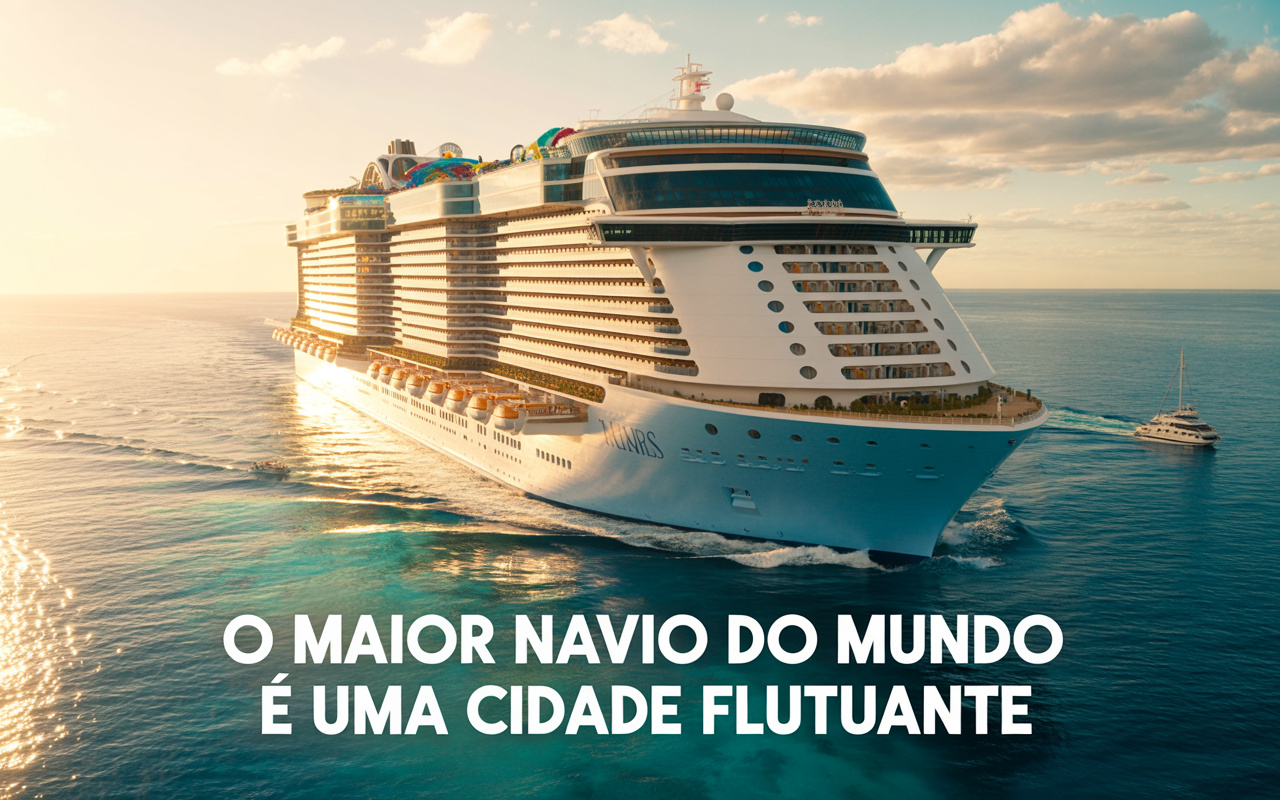
With 364 meters, 20 decks, and an investment of US$ 2 billion, the Icon of the Seas is the most expensive and colossal ship ever built, a true floating city with parks, suites, and unprecedented technology.
In January 2024, the world witnessed the debut of the Icon of the Seas, the largest and most expensive cruise ship ever built. Born from an estimated investment of US$ 2 billion, equivalent to over R$ 10 billion, the mega project was developed by Royal Caribbean International and constructed at the legendary Meyer Turku shipyard in Finland, after seven years of planning and precision engineering. With 364.75 meters in length, 78 meters in height, and 20 habitable decks, the Icon redefines the concept of a “floating city.” Its gross tonnage exceeds 250 thousand tons, and the colossal structure accommodates up to 7,600 people among passengers and crew — a number comparable to the population of small cities in the Brazilian countryside.
Every detail of the ship was designed to make an impact. From the gigantic panoramic windows to the seven internal themed neighborhoods, the Icon of the Seas marks a new era in the maritime industry, combining luxury, technology, and sustainability on an unprecedented scale.
The Engineering Behind the World’s Largest Cruise Ship
The Icon of the Seas was the first ship from Royal Caribbean to adopt Wärtsilä multi-fuel hybrid engines, capable of operating with liquefied natural gas (LNG), the cleanest fuel available in commercial navigation, or with traditional marine oil. The system is complemented by fuel cells and high-density batteries, allowing for energy savings of up to 30% compared to the previous generation of the fleet.
-
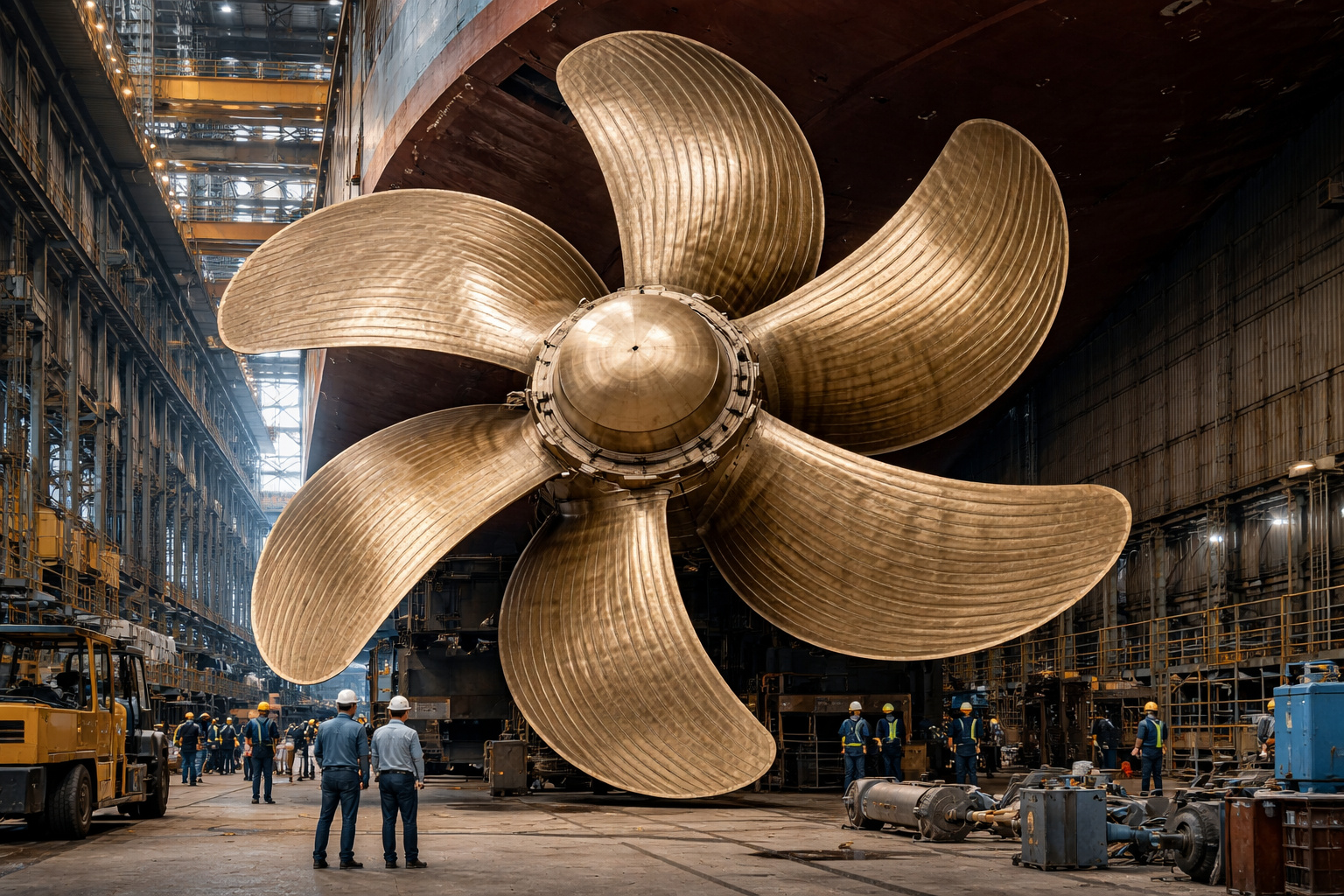
How a 131-ton, 11-meter propeller supports 90% of global trade and transforms the largest container ships on the planet.
-
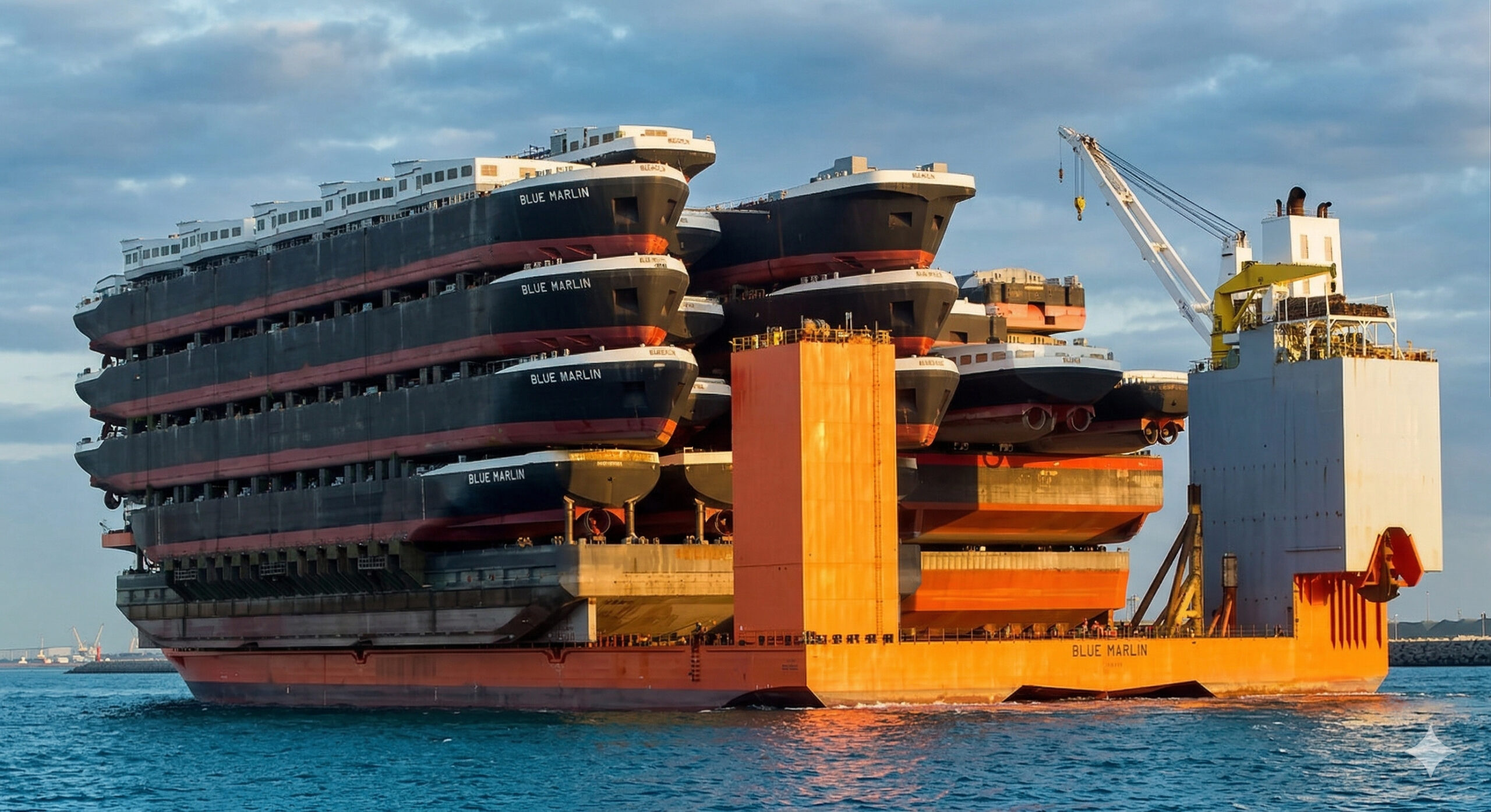
With a length of 225 meters and a capacity of 76 thousand tons, this ship “sinks” its own deck down to 28 meters deep to accommodate war destroyers, oil platforms, and giant radars floating above, and then emerges with everything intact on top like a colossal tray crossing oceans.
-
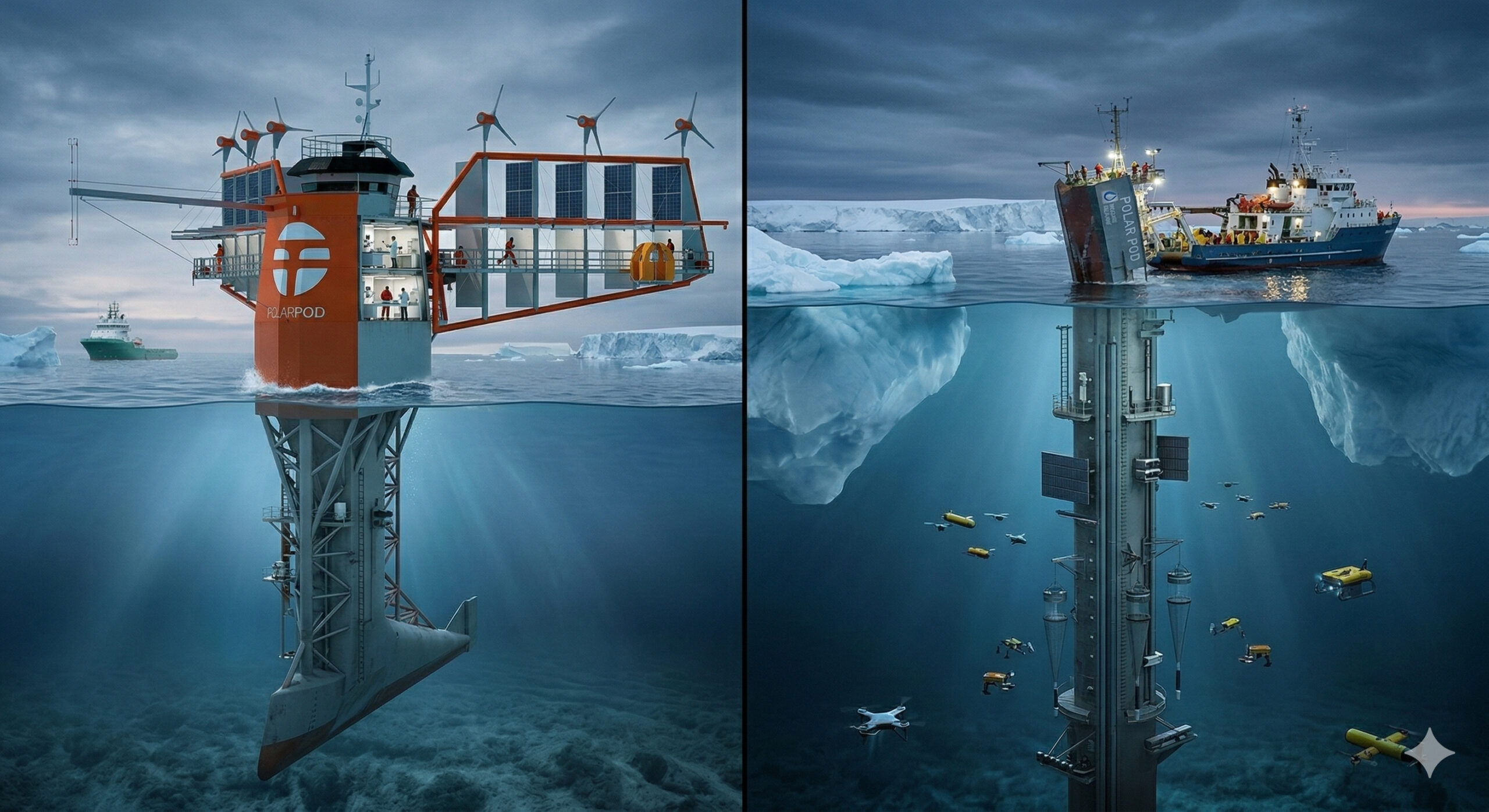
A 100-meter platform without a motor, without a keel, and operating upside down rotates 90 degrees in the ocean, sinks 75 meters, and drifts around Antarctica for two years driven by the planet’s most powerful current to study the largest carbon sink on Earth, still poorly understood by science for accurate climate modeling.
-
With a length of 108 meters and a giant spoon shape, the FLIP was the only ship in the world capable of rotating 90 degrees in the ocean and remaining vertical, with 91 meters submerged, operating for 60 years until it was retired and sent to the scrapyard in 2023.


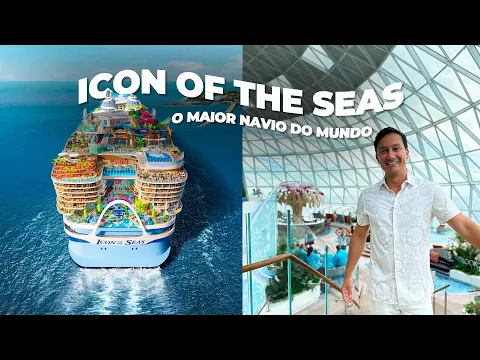

The two main engines, combined with four auxiliaries, generate over 80 megawatts of total power, enough energy to supply a city of 200,000 inhabitants. This power is distributed through an intelligent internal electrical network, controlled by software that automatically adjusts consumption according to the demand levels of recreational areas, cabins, and propulsion systems.
The ship also features desalination systems, wastewater treatment, and waste recycling, following strict environmental standards set by the International Maritime Organization (IMO). Even with its monumental size, the Icon emits less CO₂ per passenger than a long-haul commercial flight.
A Complete Resort on the Ocean
The design of the Icon of the Seas was inspired by the great resorts of Dubai and Monaco. There are eight themed neighborhoods distributed throughout its decks, each with exclusive attractions:
- Thrill Island houses the largest water park ever built on a ship, with six multi-story water slides, 14-meter drops, and a total area of 17,000 square meters;
- Chill Island offers a series of panoramic infinity pools with direct views of the Atlantic Ocean;
- Surfside is dedicated to families, with water toys, carousels, and mini clubs;
- AquaDome, located at the top of the vessel, combines a restaurant, theater, and 17-meter high indoor waterfall — a true masterpiece of naval engineering.
There is also a surf simulator with artificial waves, climbing walls, sports courts, a high-tech gym, and an ice rink, solidifying the ship as the most complete entertainment space ever created over water.

Luxury in Every Inch: Suites Worth a Fortune
The Icon also stands out for the level of luxury reserved for its most exclusive guests. The Ultimate Family Townhouse, the most expensive and sought-after suite on the ship, occupies three floors and includes an indoor slide, private cinema, private pool, and a panoramic glass balcony facing the sea.
The price for a week in this accommodation exceeds US$ 100,000 (R$ 530,000), making it one of the most expensive lodging experiences ever marketed by the tourism industry. Other themed suites replicate the style of the most sophisticated hotels in Miami and the Caribbean, with full automation, individual climate control, and design by European studios.
The Icon of the Seas has a total of 2,805 cabins, 7 pools, 9 jacuzzis, 40 restaurants and bars, and a multinational crew of over 2,300 professionals, including award-winning chefs, divers, artists, and engineers specialized in onboard systems.
A Project That Redefined the Cruise Economy
The construction of the Icon was an industrial and economic milestone. The project generated 7,000 direct jobs at the shipyards and over 20,000 indirect jobs in the European supply chain, with an estimated economic impact of € 800 million just in the Finnish economy.
According to the Cruise Lines International Association (CLIA), the average cost of a ship in the Oasis class was US$ 1.4 billion. The Icon exceeded this mark by a wide margin, becoming the most expensive ship per unit ever built in history.
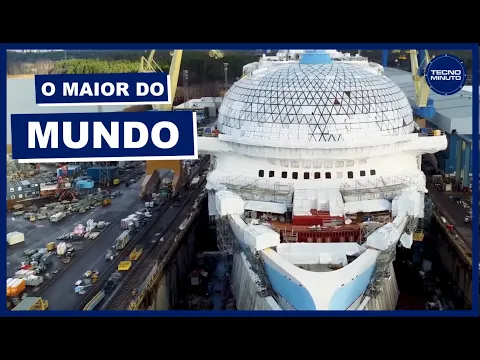
Additionally, Royal Caribbean has ordered two more ships of the same class, the Star of the Seas (under construction) and Freedom of the Seas II, scheduled for 2027. The company’s total investment in this new fleet exceeds US$ 5 billion.
The impact is so great that the Meyer Turku and Fincantieri shipyards had to adapt their production and logistics lines to support structures of this size — comparable to floating horizontal skyscrapers.
The Billion-Dollar “Cruise Wars”
The launch of the Icon of the Seas ignited an unprecedented competition in the maritime industry. Rivals MSC Cruises are working on models over 340 meters long, focusing on sustainable design and onboard automation.
Meanwhile, Norwegian Cruise Line and Carnival Corporation have announced new prototypes of vessels valued at US$ 1.1 billion each, investing in digital experiences and clean energy.
This phenomenon has come to be known as the “mega-cruiser war,” a movement that transformed the sector into one of the most lucrative in the global tourism economy. It is estimated that by 2030, the resort ship market will generate over US$ 150 billion per year.
A Symbol of Power, Luxury, and Engineering
More than just a ship, the Icon of the Seas is a statement of technological and economic power. It represents the convergence of engineering, tourism, and sustainable innovation at a level the world has never witnessed.
Its debut in 2024 consolidated the return of large cruises after the pandemic, repositioning the sector as one of the most dynamic in the world.
The ship is described by experts as a “floating work of art”, resulting from the sum of 15,000 tons of steel, 250 kilometers of electrical cables, 35,000 m² of glass, and over 20 million hours of human labor.
With it, Royal Caribbean not only raised the standard of maritime luxury — butalso redefined what is possible to build over the ocean.









Seja o primeiro a reagir!