





 Português
  Inglês
  Espanhol
  2 min de leitura


In 2022, High Oil Prices and Low Investments Enabled Above-Average Profits for Oil Companies
The new studies from the research company Rystad Energy indicate that global investments in oil and gas will reach approximately US$ 550 billion in 2023, which means they will return to pre-COVID levels. Among the reasons for this growth is the profitability of the upstream industry, which reached its record last year.
The new historical milestone for oil companies was enabled by high oil prices, record gas prices, and low levels of investment. Rystad Energy forecasts that profits for these companies will be lower in 2023, but will still remain significantly above historical averages.
After Russia’s Invasion of Ukraine, Energy Security Has Become More Important Worldwide
Despite the high investment expected, Rystad Energy believes that oil and gas companies will continue to tightly control exploration spending following the market downturn in the mid-last decade, as well as due to the damage to global demand caused by the recent COVID-19 pandemic.
-
Offshore industrial demand in Macaé skyrockets with the recovery of oil and gas and could grow by up to 396% by 2026 in the Campos Basin.
-
Offshore industrial demand in Macaé surges with the recovery of oil and gas and could grow by up to 396% by 2026 in the Campos Basin.
-
Brazilian giant expands borders in the Southeast: Petrobras confirms new oil discovery in ultra-deep waters in the pre-salt of the Campos Basin.
-
Alert in the global energy market: Severe tropical cyclone hits the coast and disrupts gas production at major plants in Australia, threatening global supply.
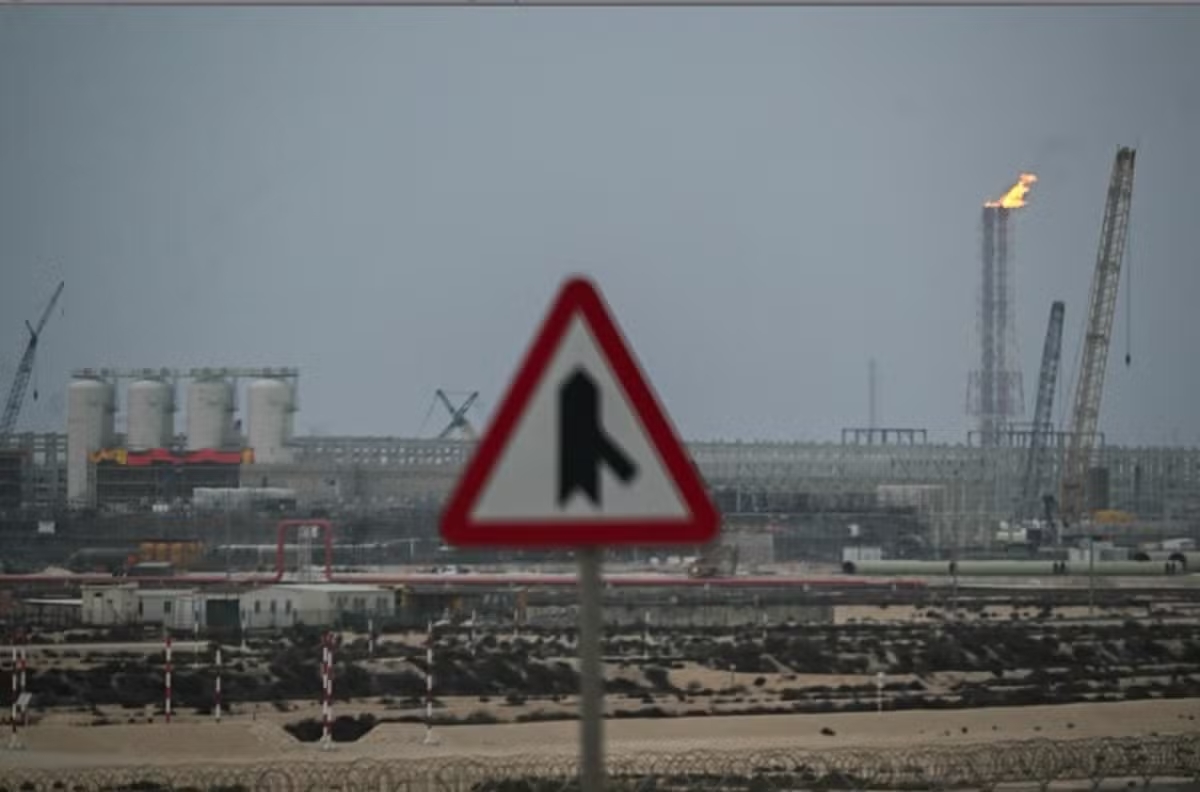

The increase in oil prices compared to last year, which occurred after Russia’s invasion of Ukraine, caused Brent crude to exceed US$ 100 before falling to about US$ 80 currently. However, this event did not directly translate to a similar increase in capital expenditures for exploration (capex), as upstream oil companies maintain financial discipline and focus on high-quality opportunities.
According to Rystad’s head of upstream research, Espen Erlingsen, “Another important observation from the quarterly results is the strategic shift of some of the leading European companies. Firms like BP and Shell have reversed some of their aggressive energy transition strategies. The clearest case is BP, which is now steering towards greater future investments in upstream and increased oil and gas production. This is evidence that energy security is becoming more important after Russia’s invasion of Ukraine.”
Licensing Activity in the Oil and Gas Sector
According to the article from the PetroNotícias website, licensing activity in 2023 is likely to remain at the same level as in 2022. In total, 60 rounds are expected to be completed, of which three are completed, about 16 are in the bidding evaluation phase, another 16 are open for bidding, and the remaining 24 are still in the planning phase. So far, rounds have been announced in Egypt, Norway, and Uganda.
ExxonMobil received two blocks in the Mediterranean Sea, Masry and Cairo, through direct negotiation. Meanwhile, there has been a decline in the search for new areas in the North Sea and the Norwegian Sea. Regarding the bids under evaluation, Rystad Energy expects the rounds in Australia, Mainland China, Malaysia, Brunei, Thailand, Trinidad and Tobago, and Indonesia to be completed this year.









Seja o primeiro a reagir!