Portuguese
  Spanish


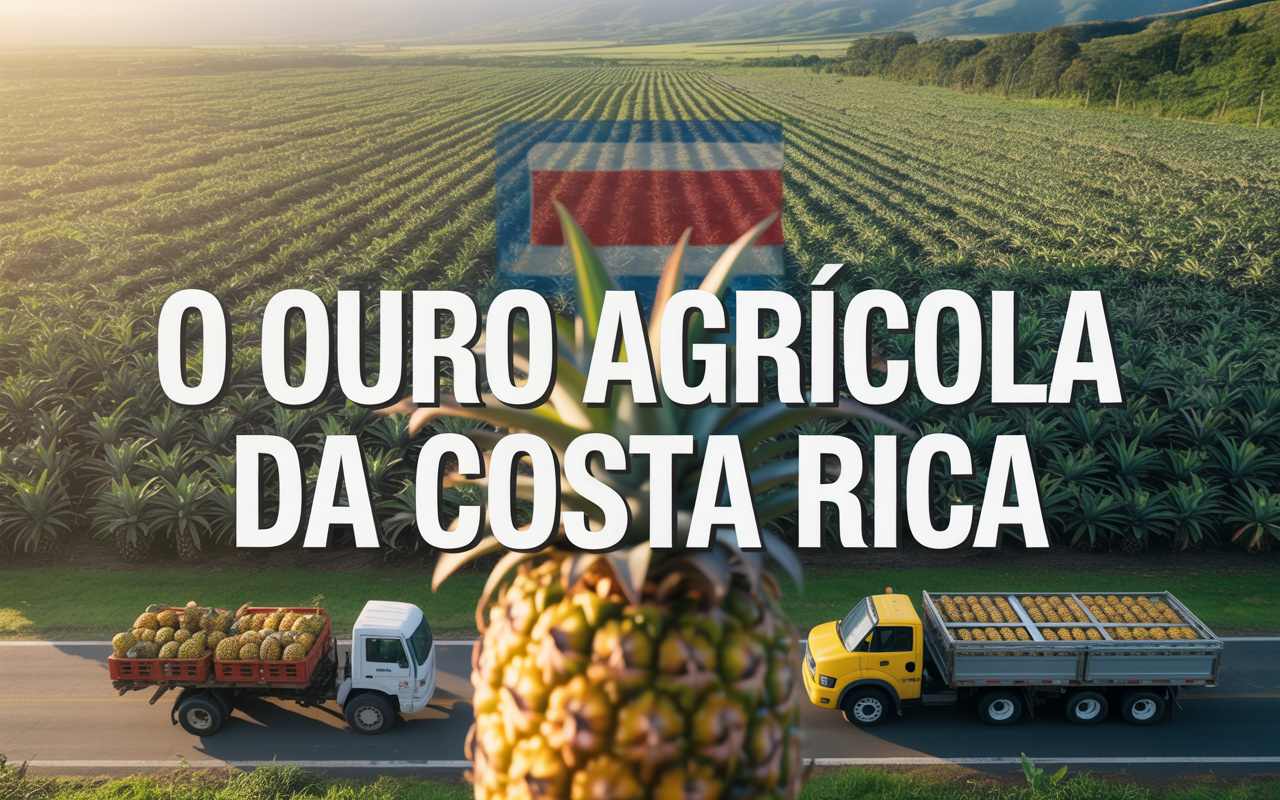


Costa Rica Produces More Than 2 Million Tons of Pineapple Per Year and Dominates the Global Market, Operating Megafarms That Transformed the Fruit Into Its “Agricultural Gold.”
What is just a common tropical fruit for many has become one of the largest economic engines for Costa Rica. In a small territory, the size of the state of Paraíba, the Central American nation has built megafarms, revolutionized tropical farming, and taken on the position of largest exporter of pineapple on the planet without close competitors. More than 2 million tons produced annually, a volume so high that it surpasses the total of several Latin American countries combined and supplies over 40 international markets, including the United States, European Union, Japan, and the Middle East.
Behind this sovereignty lies a rare combination: extremely high productivity, technology applied to the field, efficient export logistics, and an aggressive agricultural expansion model that positioned Costa Rica as a global reference in the production of premium tropical fruits.
The Power of Production: How Costa Rica Became a Powerhouse with More Than 2 Million Tons Per Year
When analyzing the Costa Rican agricultural sector, one striking fact stands out: pineapple is responsible for a central slice of the economy. According to data from FAO (Food and Agriculture Organization of the United Nations) and Procomer (Costa Rica’s Foreign Trade Promotion Agency), the country:
-
10-Year-Old Boy Persists After Being Told He’s Too Young, Now Helps Manage Brazilian Farm and Launches New Project

-
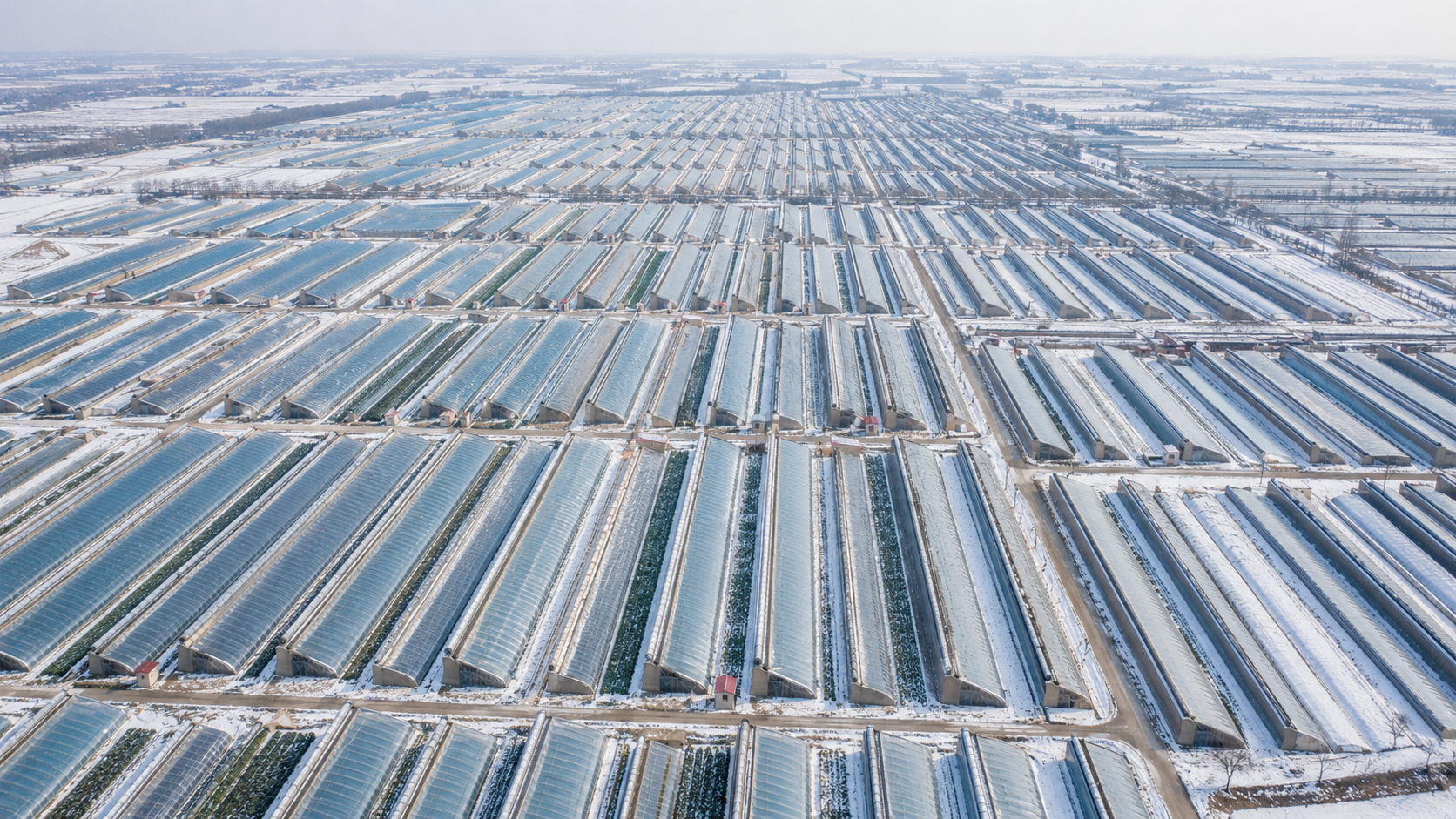
Chinese Farmers Develop “Blanket Greenhouses” to Grow Vegetables in Extreme Winter Without Heaters

-
Centuries Before Modern Greenhouses, English Gardeners Used Horse Manure to Grow Pineapples in Cold Climates

-
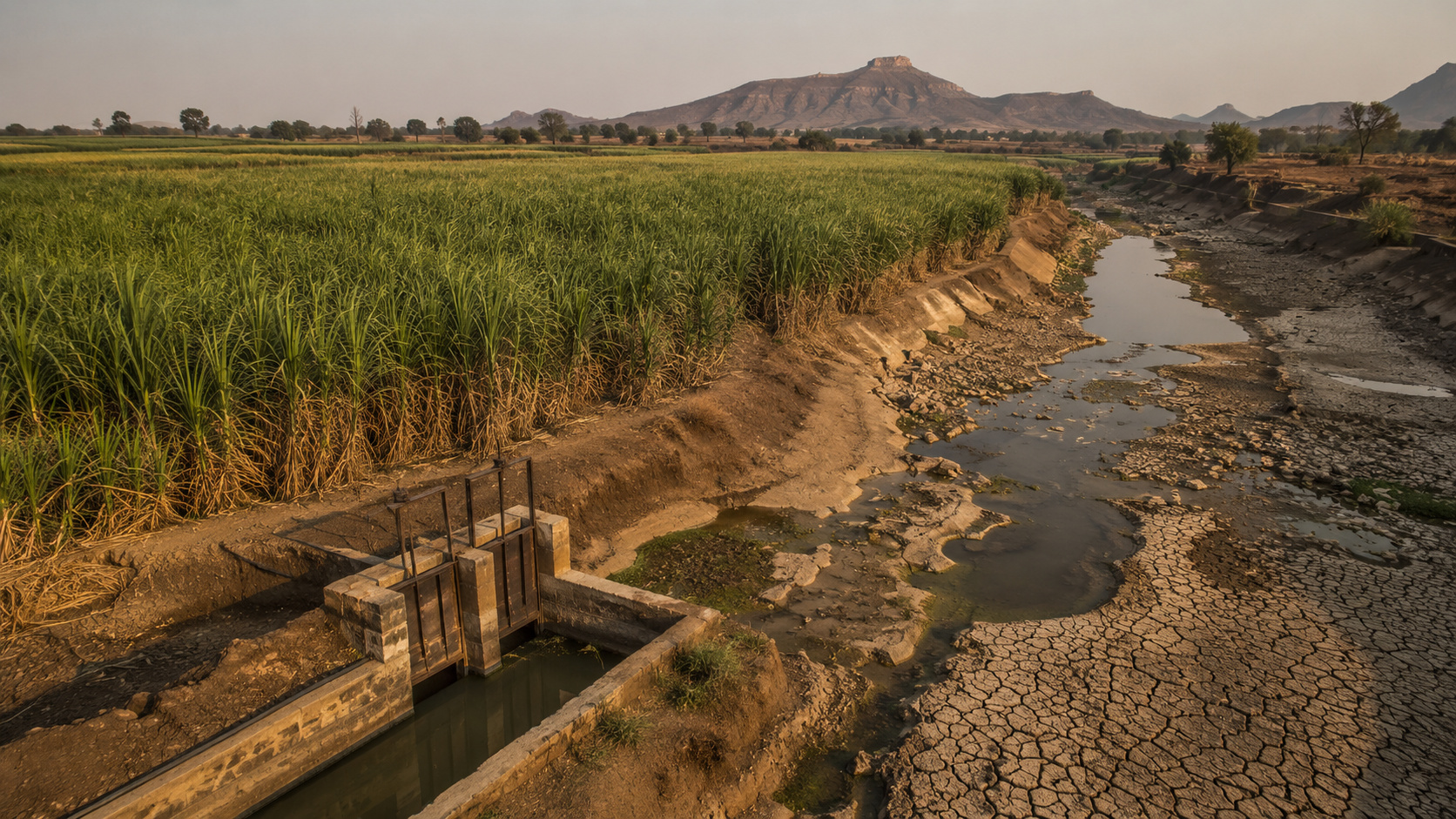
Sugarcane Cultivation in India: A Symbol of Water Stress and Environmental Strain Amidst Global Demand for Sugar and Green Fuel


• produces between 2 and 2.2 million tons per year
• accounts for over 50% of global fresh pineapple exports
• is the absolute world leader in the MD-2 variety, known as “Golden Sweet,” the most valued pineapple in the international market
No other country comes close to this level of dominance. Neither the Philippines, nor Thailand, nor Brazil. Costa Rica is so sovereign that, in the European market, 8 out of every 10 pineapples sold are Costa Rican.
And all this happens even with the country representing only 0.03% of the Earth’s surface.
Highly Technified Megafarms Dominate the Agricultural Landscape
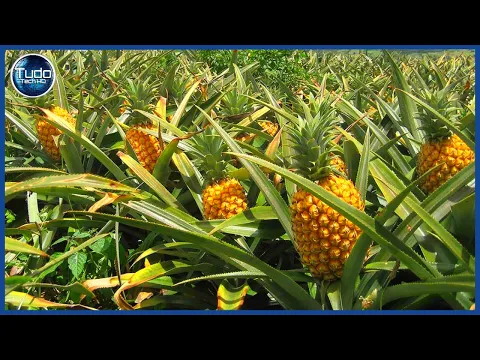

The explanation for this supremacy lies in the vast, fully planned areas of cultivation. The pineapple megafarms in Costa Rica utilize:
• automated irrigation systems
• controlled chemical management
• precision fertilization
• specific machines for planting and harvesting
• integrated logistics with export ports
• environmental certifications aimed at international trade
Many properties exceed thousands of contiguous hectares of production, something rare in other producing countries, where crops are fragmented.
The level of mechanization is so advanced that Costa Rica can reduce post-harvest losses, standardize sizes, and ensure an almost continuous harvest period throughout the year, a decisive factor for high-value international contracts.
The Pineapple Became the “Agricultural Gold” of Costa Rica
More than an agricultural product, pineapple has become the symbol of an economic strategy. According to Procomer, the sector:
• generates more than 30,000 direct jobs
• accounts for over US$ 1 billion per year in exports
• represents one of the largest shares of external agricultural sales
• boosts hundreds of rural communities
• influences public policies on infrastructure and logistics
It is such a powerful impact that Costa Rican economists classify pineapple as one of the invisible engines of the national GDP.
For markets like the United States, United Kingdom, Spain, and the Netherlands, Costa Rica is synonymous with premium fruit — a position that the country has earned by offering a product with high sweetness, low acidity, uniform appearance, and long shelf life after harvest.
Technology, Climate, and Logistics: The Combination That No Competitor Has Been Able to Replicate
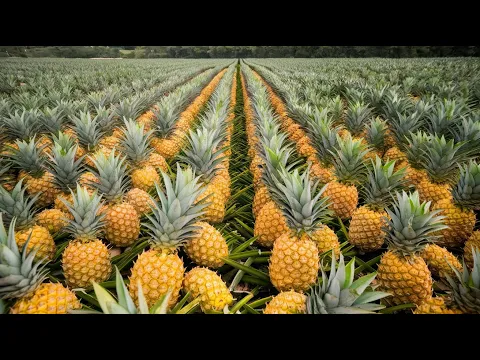
The rise of Costa Rica was not accidental. It is based on three clear pillars:
Perfect Climate for Cultivation
The country has constant temperatures, regular rainfall, and fertile volcanic soils — conditions rarely combined in other regions.
Aggressive Agricultural Technology
Costa Rica has invested in research, selected seeds, and methods that increase productivity and reduce crop failures.
Export-Oriented Logistics
With direct access to the Atlantic and Pacific, Costa Rican ships can quickly reach:
• the USA and Canada
• Europe via Gibraltar
• Asia via the Panama Canal
This reduces costs, maintains freshness, and makes the country virtually unbeatable in the global market.
How Premium Fruit Transformed the Country Into a Global Reference
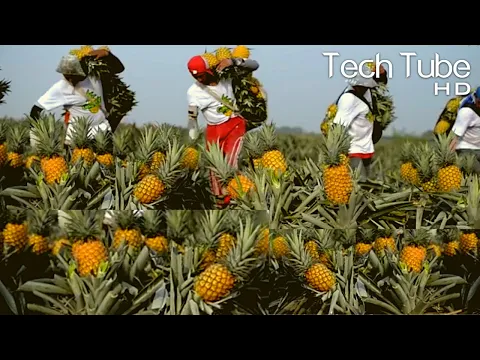
The so-called Golden Sweet MD-2 pineapple has completely changed the global scenario:
• sweeter than traditional varieties
• more resistant to transport
• uniform appearance
• greater acceptance in European and American retail
This variety was widely adopted by Costa Rica. While other countries were still trying to adjust their production, the Costa Ricans were already operating at an industrial pace and captured the market.
The result could only be one: absolute dominance. The production chain today influences sectors such as:
• industrial packaging
• ports
• refrigerated transport
• environmental certifications
• agricultural biotechnology
It also boosts rural tourism and the economy of entire communities in the country.
Environmental Challenges and Global Pressure: The Other Side of Power
Success has also brought controversies. Researchers and environmental authorities warn of:
• increasing deforestation
• disputes over water use
• impacts from pesticides
• conflicts with local communities
The Costa Rican government and large companies have implemented international certifications such as Rainforest Alliance, GlobalG.A.P., and Fair Trade, but the debate remains heated. Nevertheless, the sector continues to grow and dominate.
Why Does Costa Rica Remain Unbeatable?
The answer is simple: no one in the world produces with such volume, such high standards, and such regularity. It is a combination that does not appear again in any other country:
• small territory + high technology
• dual oceanic logistics
• proximity to the USA (the world’s main market)
• network of environmental certifications
• specialized labor
• MD-2 variety that has become a global standard
The sum of all this places Costa Rica in a practically unreachable position in the coming decades.