





 Portuguese
  English
  Spanish
  4 min of reading
  0 comments


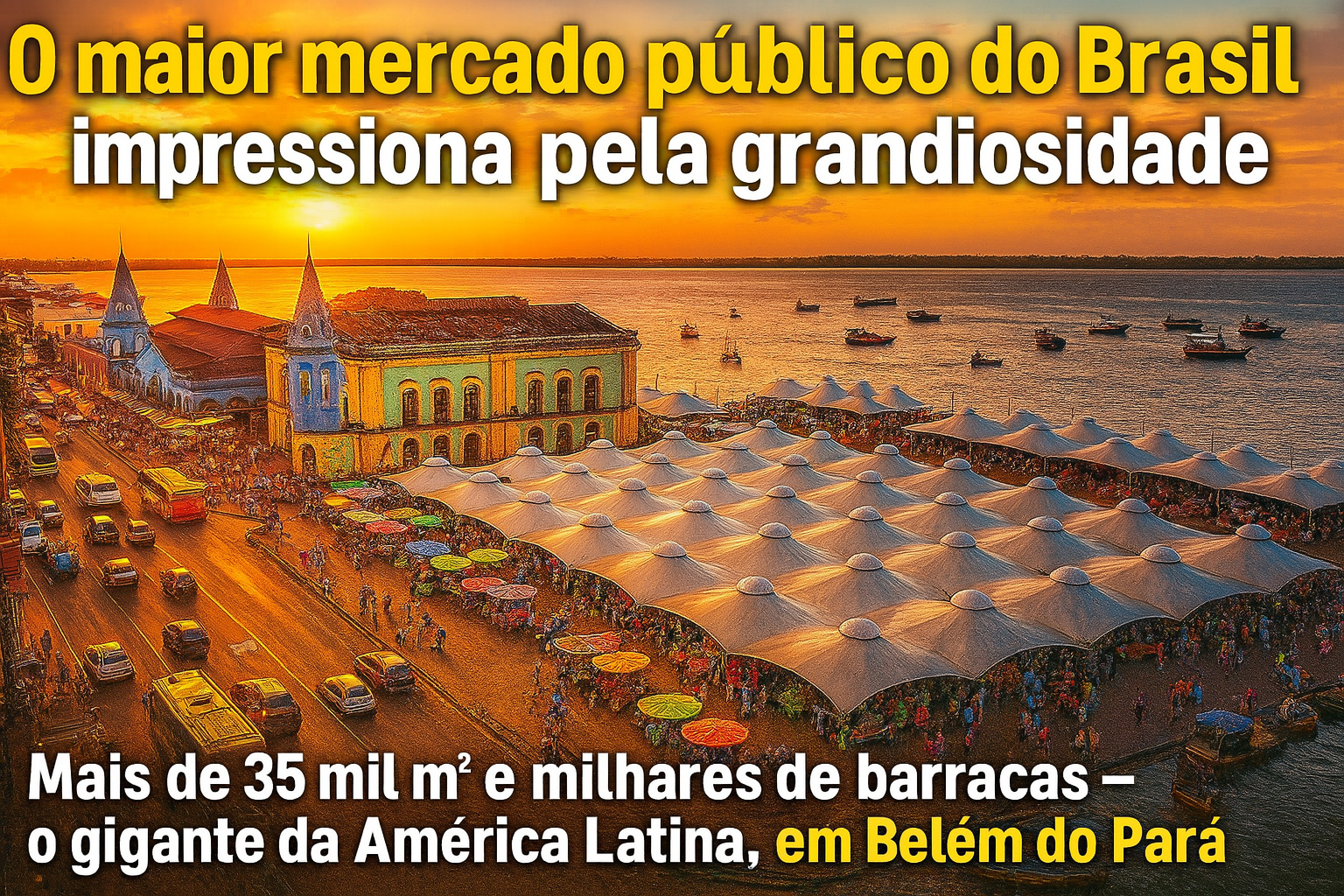
Ver-o-Peso, in Belém, Is The Largest Public Market In Brazil And Latin America. With Over 30,000 m² And Thousands Of Stalls, It Is A Living Portrait Of Cultural And Economic Diversity.
Few places translate the soul of a people as well as their public markets. In Brazil, they are centers of social interaction, commerce, and culture. But none compare in size and importance to Ver-o-Peso, in Belém do Pará, recognized not only as the largest public market in Brazil but also as the largest in Latin America.
With over 30,000 m² of total area and thousands of stalls, tents, and outdoor stands, Ver-o-Peso is a space that goes far beyond commerce: it is a living portrait of Amazonian diversity, where tradition, flavors, scents, and colors blend daily.
A Story That Spans Centuries
Ver-o-Peso did not arise merely as a market, but as a central point for inspection in the Portuguese colony.
-
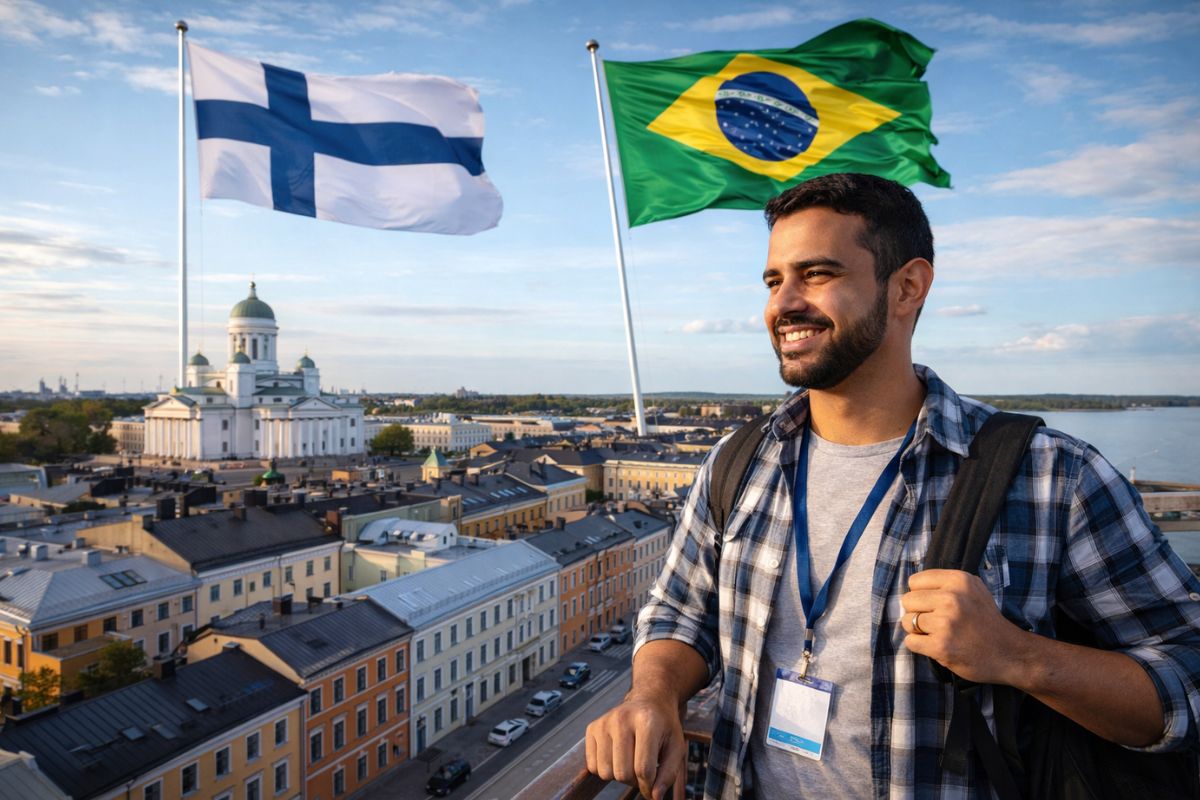
Finland, the happiest country in the world, wants to hire 140,000 technology professionals and is eyeing Brazilians: visas are issued in just two weeks and salaries with a 37-hour workweek are surprising.
-
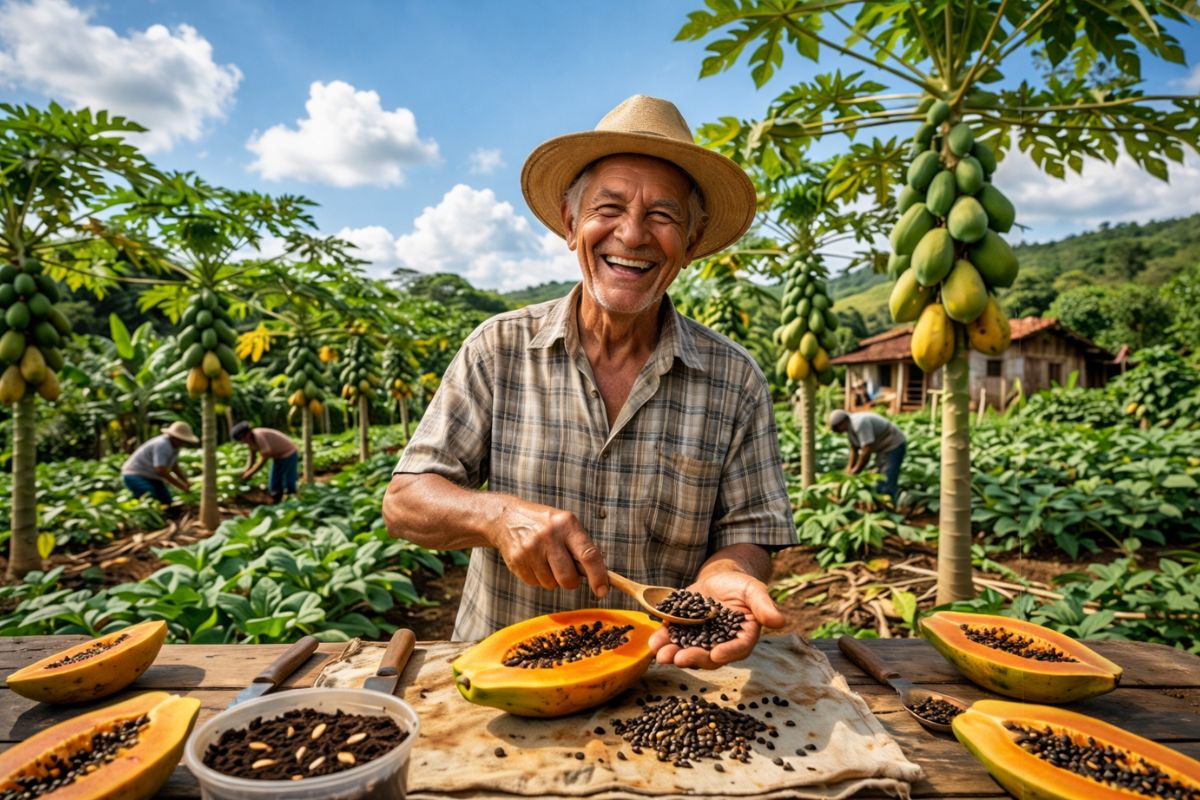
Mr. Mário reveals the technique of the caipira papaya: he cuts the fruit in half, discards the seeds from the tip, and plants the ones from the back to increase the chance of a productive female tree.
-
Few remember, but the submarine that disappeared in 1968 with 52 crew members was found after 51 years at the bottom of the sea at more than 2,000 meters, intriguing the entire world.

-
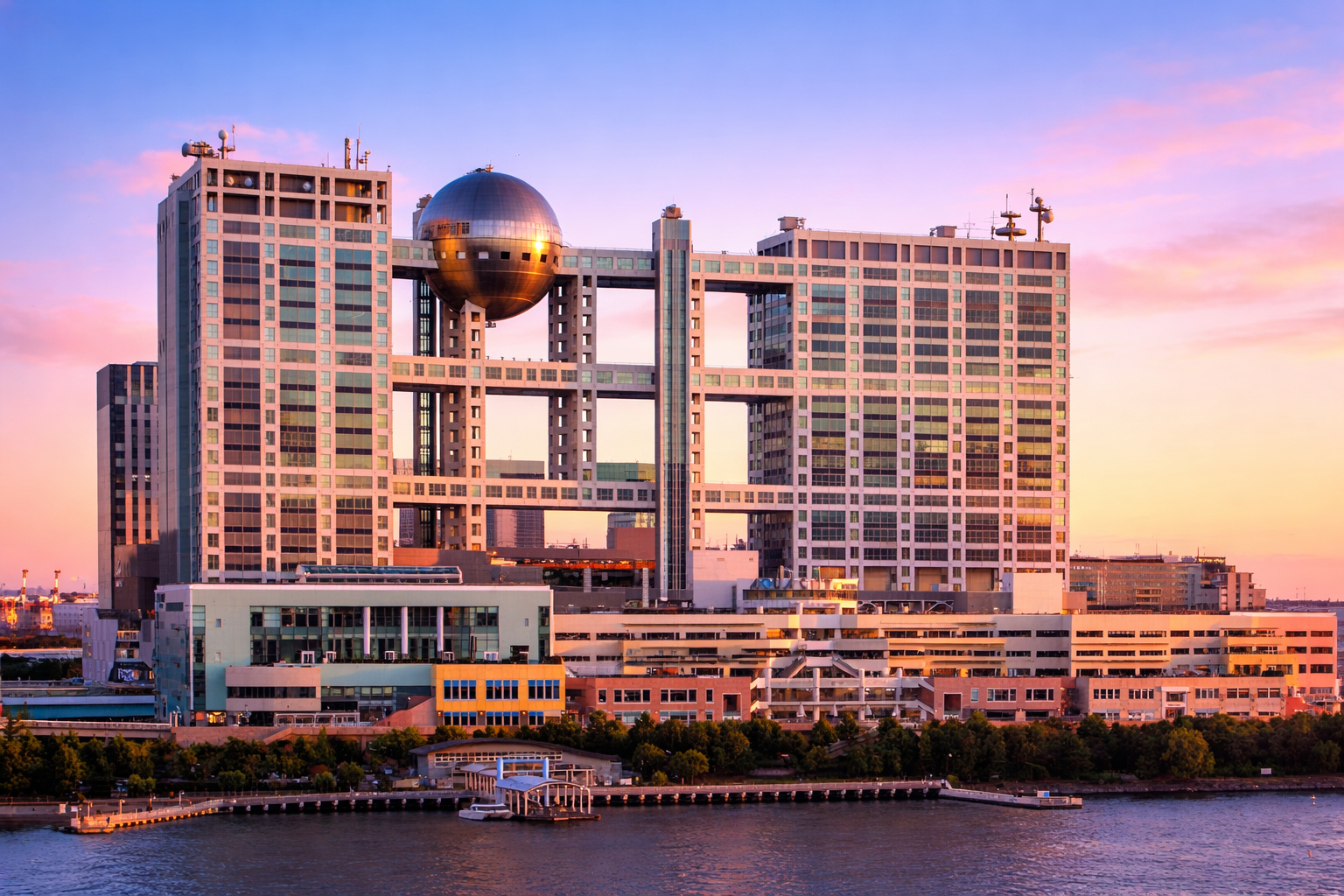
With 1,200 tons suspended, the Japan mega-structure in a grid shape with a floating sphere from Fuji TV features two 25-story towers connected by elevated walkways, titanium panels, and impresses the world with its ability to reduce wind impact.

Its name dates back to the 17th century, when goods arriving in Belém — especially spices and forest products — had to be weighed and taxed by Crown officials. The “place to see the weight” eventually became synonymous with trade.
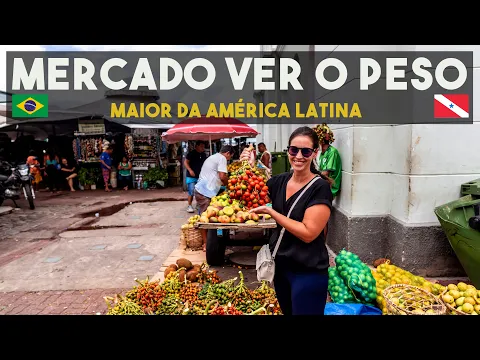

In 1625, the structure began to consolidate as a supply site. Over the centuries, it expanded and, in 1901, received the iron and glass pavilion that still exists today, built with materials from Europe and inspired by the architecture of the Les Halles Market in Paris.
This pavilion became an iconic postcard of the city, being designated as national historical heritage by Iphan (Institute of National Historical and Artistic Heritage).
Dimensions That Impress
Ver-o-Peso is described by many as a city within a city. Its numbers help explain why:
- Total Area: over 30,000 m², including the covered pavilion, outdoor market, ports, and adjacent areas.
- Stalls and Booths: thousands of sales points, where you can find everything — from giant Amazon fish to medicinal herbs, spices, exotic fruits, and handicrafts.
- Operation: open every day, virtually 24 hours, with the busiest hours in the early morning, when fishermen arrive with their fresh catches.
- Flow: hundreds of tons of food circulate weekly, supplying not only Belém but also neighboring cities.
This combination makes Ver-o-Peso one of the largest popular supply complexes on the planet.
A Unique Sensory Experience
Anyone entering Ver-o-Peso is immediately impacted by an explosion of senses. The intense smell of tucupi and jambu — the bases of traditional tacacá from Pará — mingles with the aroma of fresh fish and exotic fruits.
The colorful stalls display everything from fresh açaí to murici, cupuaçu, bacuri, and dozens of other typical fruits that many Brazilians may not even know.
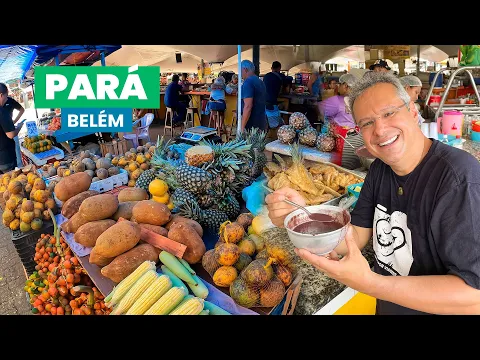
In the fish sector, it is possible to find impressive Amazonian species: tambaqui, pirarucu (considered one of the largest freshwater fish in the world), golden dorado, and mapará. The size of some specimens shocks visitors used to smaller urban markets.
Another famous point is the stalls selling medicinal herbs and infused bottles, where herbalists and herbalists sell traditional preparations used for centuries for cures, charms, and even spiritual rituals. It is a direct dive into Amazonian popular culture.
Cultural And Tourist Heritage
Ver-o-Peso is not just a market: it is also a cultural heritage of Brazil. In 1977, it was designated by Iphan, ensuring its preservation as a historical symbol. More recently, in 2015, the complex was recognized by UNESCO as a World Heritage site, reinforcing its global cultural value.
For Belém, Ver-o-Peso is one of the main postcards, attracting thousands of Brazilian and foreign tourists every year. Visiting the market is considered an essential experience for those who wish to understand the identity of the Amazon.
Comparison With Other Markets In Brazil
Although Brazil has iconic markets, none rival Ver-o-Peso in grandeur:
- Mercadão de São Paulo (SP): 12,000 m², famous for its stained glass and mortadella sandwich, but much smaller in area.
- Mercado Modelo de Salvador (BA): a large tourist and cultural hub, but lacking the same structural dimension.
- Mercado Central de Belo Horizonte (MG): an important meeting point, with about 400 stores, but far from the scale of Ver-o-Peso.
These comparisons reinforce why Belém holds the title of having the largest public market in Latin America.
The Economic And Social Impact
The Ver-o-Peso market is not only a tourist attraction but also a vital cog in the Pará economy.
It is estimated that thousands of families depend directly on the market’s activities, whether as fishermen, farmers, merchants, or artisans.
Moreover, the space is one of the main supply points in Belém, ensuring access to fresh and traditional foods for the local population at affordable prices. This social function adds to the preservation of culinary traditions that are part of Amazonian identity.
Challenges And Future
Despite its grandeur, Ver-o-Peso also faces typical challenges of historical markets: infrastructure needing modernization, hygiene issues in some areas, and the need to balance tourism with the preservation of its popular character.
In recent years, the government of Pará has announced revitalization projects, seeking to ensure that the market continues to be a cultural and economic symbol, but with more comfort for merchants and visitors.
Ver-o-Peso can be defined as a microcosm of the Amazon: it embodies indigenous tradition, the Portuguese colonial legacy, popular faith, typical cuisine, and the daily life of thousands of residents of Pará. It is the truest portrait of how Amazonian culture expresses itself through flavors, aromas, and symbols of resistance.





-

-

-

4 pessoas reagiram a isso.