






 Portuguese
  Spanish


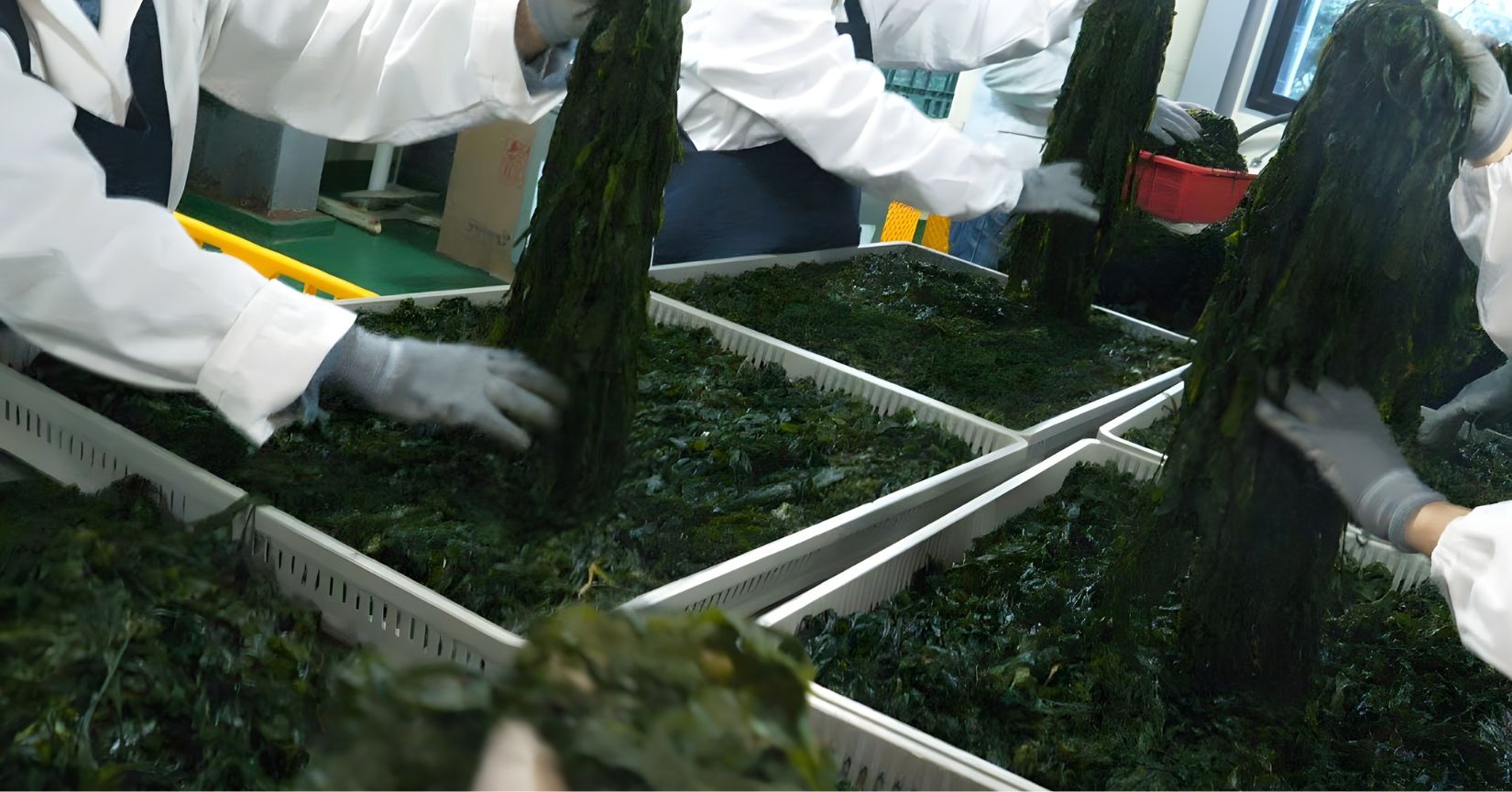


Indonesia Is Second in Global Seaweed Cultivation Leadership With Over 9 Million Tons Per Year and Transforms the Sector Into a Global Giant of the Cosmetic and Food Industry.
In 2024, FAO (Food and Agriculture Organization of the United Nations) placed Indonesia again at the top of the global aquaculture of seaweed, responsible alone for a production that exceeds 9 million tons annually, more than any other country on the planet, and only losing ground to China, which holds the top spot in the ranking. The accelerated growth recorded since 2011 transformed the archipelago into a strategic industrial hub and made seaweed one of the most valuable inputs in the global cosmetic, supplement, pharmaceutical, processed food, and biorrefinery chains.
The progress did not happen by chance. In regions such as Sulawesi, Bali, Nusa Tenggara, and Maluku, production shifted from artisanal to a highly efficient hybrid model, combining traditional management, applied oceanography, and tracking technology to meet a market that moves billion-dollar per year.
The Rise of Seaweed Production in Indonesia
The Indonesian leap began just over a decade ago. Until 2010, China was solely the largest reference in the sector, but Indonesia began to invest in national programs that encouraged small coastal producers to shift to cultivating high industrial value species, especially Eucheuma cottonii and Eucheuma spinosum, essential raw materials for the production of carrageenan, the hydrocolloid used as a thickener and stabilizer in the global industry.
-
10-Year-Old Boy Persists After Being Told He’s Too Young, Now Helps Manage Brazilian Farm and Launches New Project

-
Chinese Farmers Develop “Blanket Greenhouses” to Grow Vegetables in Extreme Winter Without Heaters

-
Centuries Before Modern Greenhouses, English Gardeners Used Horse Manure to Grow Pineapples in Cold Climates

-
Sugarcane Cultivation in India: A Symbol of Water Stress and Environmental Strain Amidst Global Demand for Sugar and Green Fuel


According to reports from the Indonesian Ministry of Fisheries and Marine Affairs, public policies included:
• granting specific marine areas for cultivation
• subsidized credit to acquire ropes, buoys, rafts, and boats
• training in management, rotation, and planting density
• partnerships with processing industries
• sanitary tracking for export
The result was immediate. Between 2011 and 2024, national production jumped from 3 million to over 9 million tons, consolidating Indonesia as the world’s largest cultivation center, ahead of China, South Korea, and the Philippines.

How Seaweed Mega Farms Work
Despite seeming like a simple crop, Indonesian farms operate as true industrial systems connected to ocean behavior.
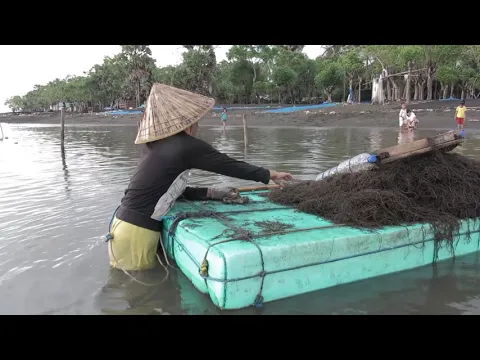
Most use the longline method, where thousands of meters of cables are stretched in open water and supported by buoys, keeping the seaweed at a depth that maximizes sunlight and nutrient circulation.
Productivity depends on variables such as:
• salinity between 28 and 34 parts per thousand
• constant temperature between 26°C and 30°C
• moderate currents that prevent sediment buildup
• systematic replacement of mother branches each cycle
These systems allow for up to six harvests per year, something impossible in temperate climate environments. On a single hectare, producers can harvest 40 to 60 tons of fresh seaweed per cycle — a scale that feeds industrial processors spread across Java and Sulawesi.
In many communities, cultivation has begun to occur in areas close to reefs, utilizing shallow zones and protected waters. Other regions have adopted oceanic nurseries in open water, with structures that withstand stronger waves and allow for continuous expansion.
The Power of Carrageenan: The Derivative That Drives Global Industries
A large portion of Indonesian seaweed is not sold for direct consumption but for the extraction of carrageenan, a compound that has become essential in areas such as:
• formulations of dermatological creams
• gels and hair products
• manufacturing of processed cheeses and ice creams
• production of pharmaceutical capsules
• thickeners used in processed meats
• plant-based substitutes for gelatin
• inks, dyes, and premium food products
The global market value of carrageenan exceeds US$ 1 billion per year, according to Markets & Markets, and Indonesia accounts for over 70% of the world’s raw material, giving the country direct influence in determining international prices.
Economic and Social Impact of Intensive Cultivation
The sector generates income for over 1 million Indonesians, especially in coastal communities that previously depended solely on artisanal fishing and suffered from declining fish stocks. As cultivation requires little initial investment and presents quick return cycles, it has become a stable economic alternative for entire families.
In several regions, children and young people help tie the mother branches, while adults take care of buoy maintenance and drying logistics. The income gained has enabled improvements in infrastructure, education, and access to technology, as well as creating new local businesses such as:
• producer cooperatives
• small drying industries
• maritime transport companies
• primary processing centers
Environmental Challenges and New Regulations
The accelerated growth has also brought problems. FAO and local environmental agencies warn of risks such as:
• disorderly occupation of sensitive areas
• improper disposal of ropes and plastic buoys
• competition for space with traditional fishermen
• emergence of diseases that attack seaweed tissues
To mitigate impacts, the Indonesian government has implemented stricter zoning and traceability rules, requiring large producers to adopt biodegradable materials, monitor density, and respect ecological limits.
Recent programs also encourage the use of recirculation systems and integration between crops, reducing waste and enhancing sanitary control.
Indonesia and the Future of Global Aquaculture
With growing demand in sectors such as natural cosmetics, bioplastics, and plant-based foods, seaweed has become one of the most strategic resources of the modern bioeconomy. And no country is as well positioned as Indonesia.
FAO’s projection indicates that cultivation could exceed 12 million tons by 2030, consolidating the archipelago as an absolute leader.
The combination of stable climate, specialized labor, fishing tradition, and incentive policies is transforming the country into one of the greatest forces of the new frontier of global aquaculture.






Uma informação fundamental que nao ficou claro pra mim nessa reportagem é: como os produtores conseguem as “mudas” para essas megaproducões? Me parece que muitos dos problemas que podem surgir vêem da biologia reprodutiva da espécie. Provavelmente, deve haver empresas que investem em bancos biogenéticos altamente desenvolvido e tecnificado para sustentar essas produções, Fiquei curioso para entender de onde saem as mudas e com isso é feito por la. Obrigado.