





 Portuguese
  English
  Spanish
  3 min of reading
  8 comments


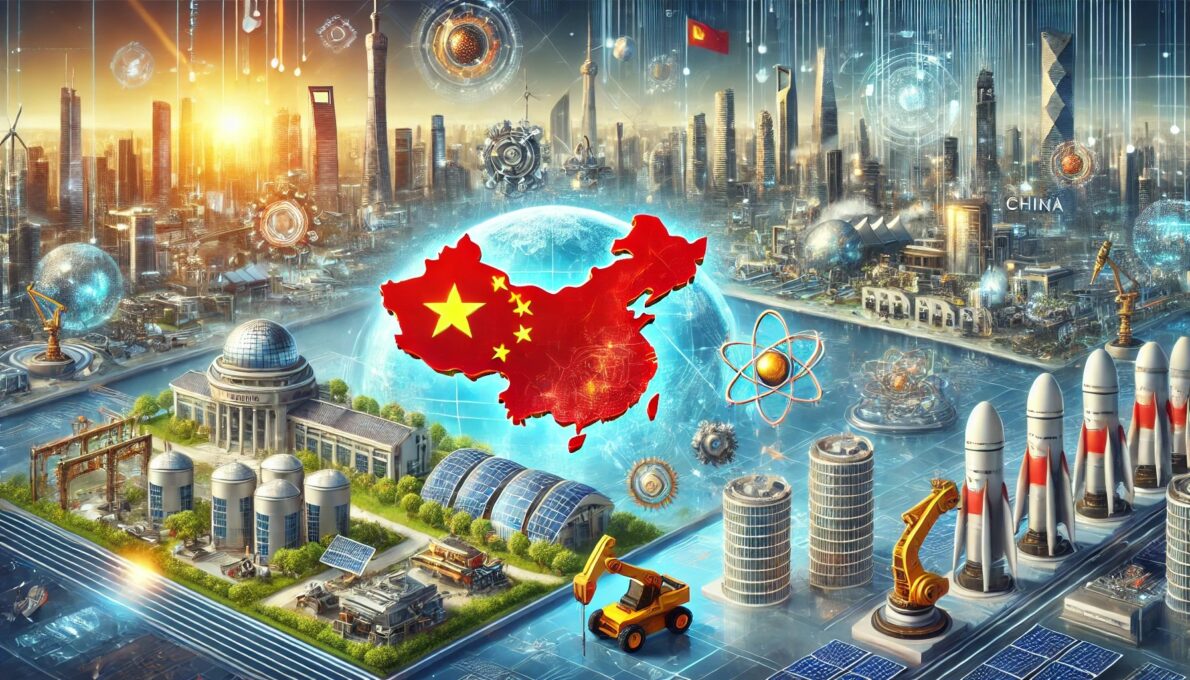

China Threatens Europe and United States? The Asian Country Announces Megainvestment in the Semiconductor Chip Sector and Promises to Dominate Global Leadership Still This Decade.
Semiconductors are the lifeblood of the global economic war. Thus, dominating this product has become essential to command the technology sector, especially artificial intelligence. That’s why the US is trying to suffocate China’s chip sector, pressuring Beijing to accelerate its quest for technological autonomy. Now, the Asian country has announced a megainvestment worth billions to threaten the leadership of the US and Europe.
China Announces Megainvestment in the Semiconductor Industry
The Chinese megainvestment in semiconductors has accelerated significantly since 2014, culminating in a new plan of US$ 41 billion. The goal is clear: reduce dependence on the United States and become a major player in this strategic sector.
Furthermore, SMIC, the leading company in this sector in China, faces a significant challenge, which is to master cutting-edge technologies, especially photolithography, a field in which the US-backed company ASML holds a virtual monopoly. This dependence leaves China vulnerable and makes competition more complex.
-
An impressive phenomenon in Northern Brazil causes rivers of different colors to flow side by side, revealing secrets about sediments, currents, and biodiversity.

-
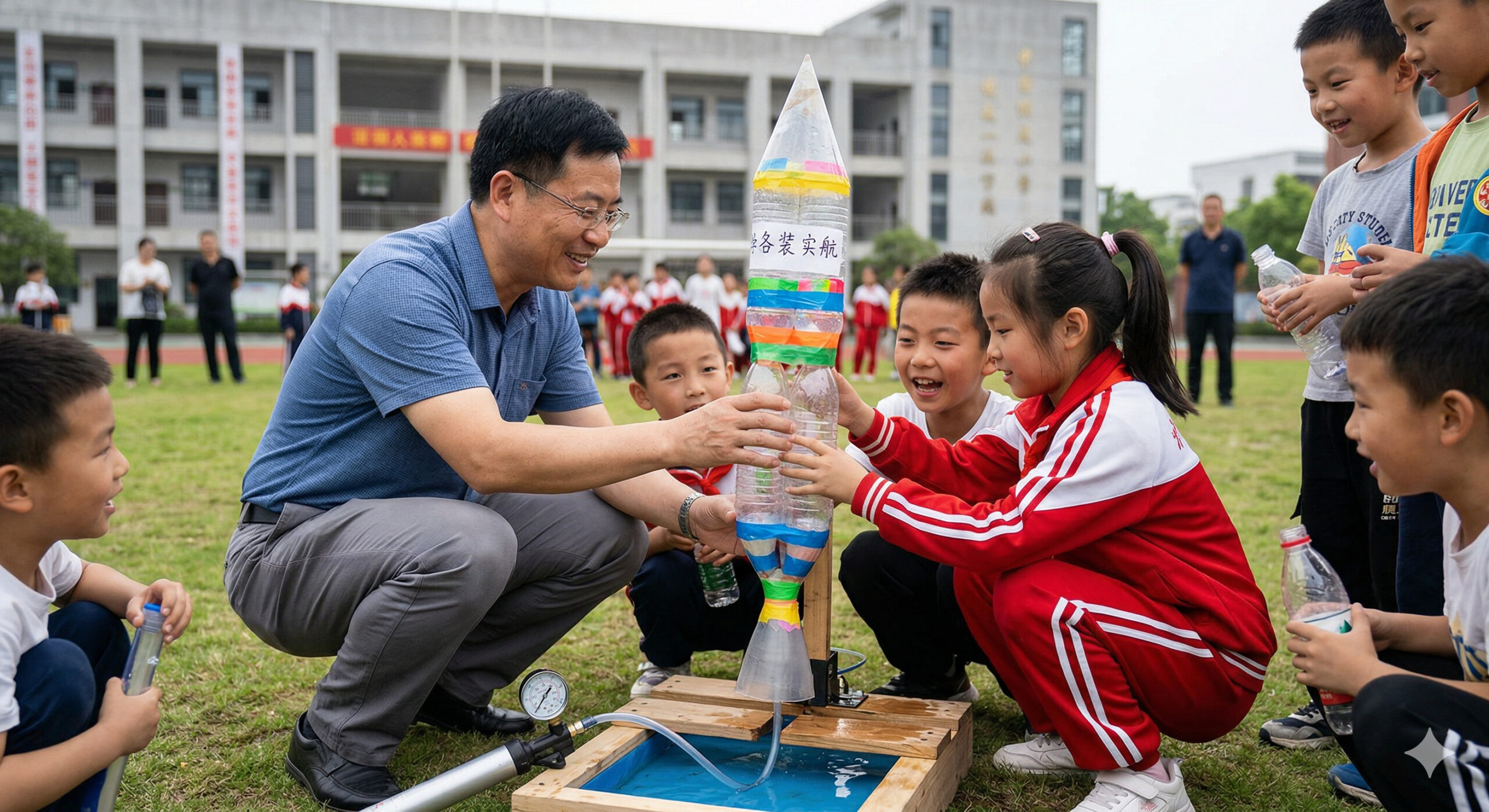
While many schools are still struggling with the basics, a teacher in China went viral for having elementary school students build a two-stage rocket using plastic bottles, water, and pressurized air in a science class that caught the attention of the entire world.
-
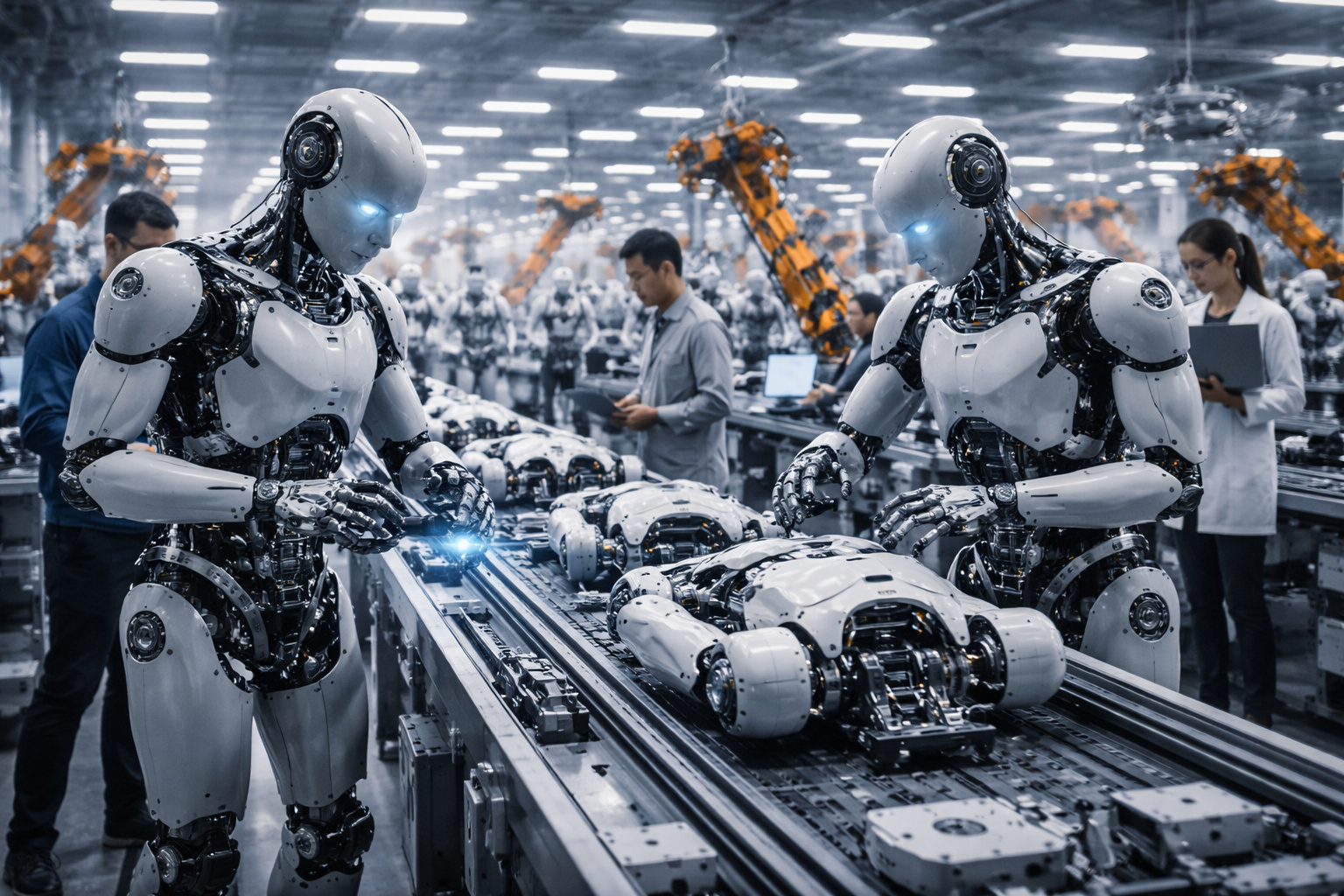
10 million robots per year in unprecedented industrial scale place China at the forefront of automated production and raise the question of how far machines can manufacture other machines.
-
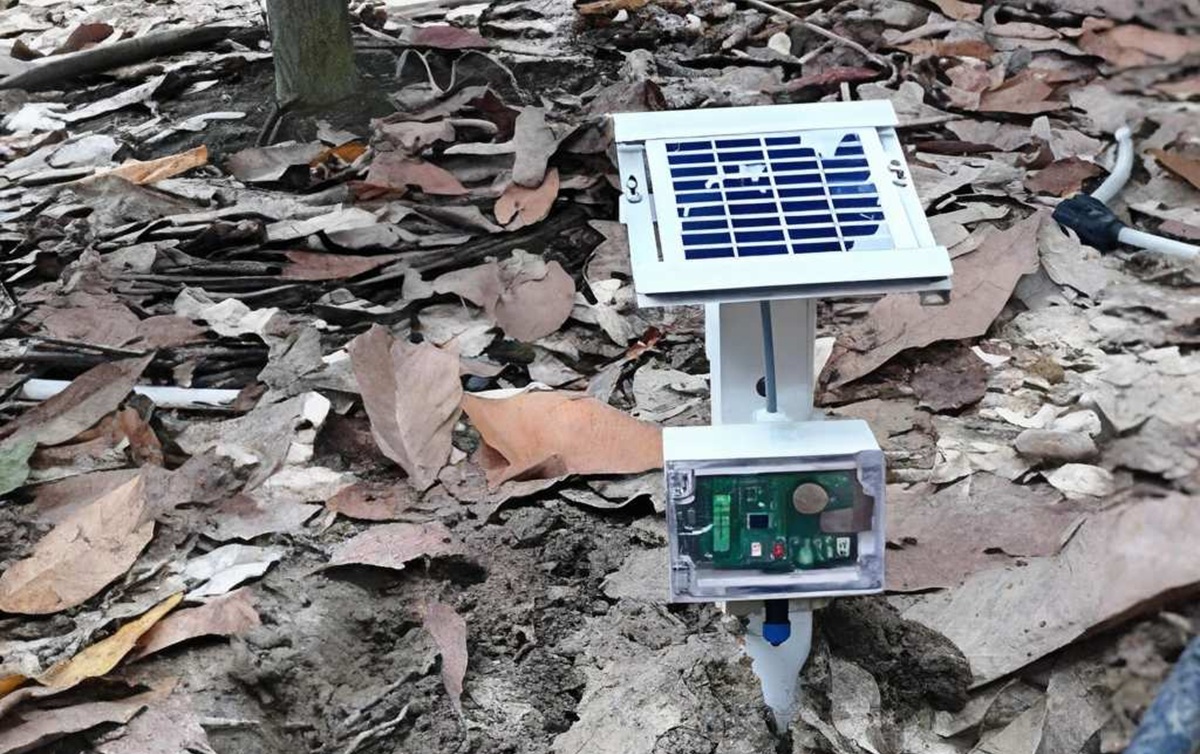
Researchers in Malaysia buried sensors at 15 and 30 cm and can now predict soil moisture with 95.49% accuracy, helping the field to irrigate only at the right time and reduce water waste.

The megainvestment from China in semiconductors aims, therefore, to give SMIC and other companies, including Hua Hong Semiconductor, Honghu Suzhou Semiconductor Technology, Naura Technology Group, and Advanced Micro-Fabrication Equipment, the necessary boost to design and manufacture their own next-generation lithography equipment.
However, the country is not the only one racing against time, facing numerous technological challenges. The US and its allies in Europe are also strengthening their semiconductor sector with the strategy of staying one step ahead of China.
Huawei Advances in the ‘War’ of Semiconductor Chips
The war between the US, Europe, and China has reached a significant turning point with the launch of the Huawei Mate 60 Pro last year. This smartphone, equipped with a 5G processor designed and manufactured in China, openly challenged US sanctions and revealed significant technological advancement.
Behind this technological competition lies an important geopolitical issue: the dominance of global supply chains and control of cutting-edge technologies.
By controlling semiconductor production, a country can strengthen its strategic autonomy, develop new civilian and military applications, and influence the course of international relations. Thus, Huawei’s advancement was much more than a simple commercial success, as it marked a shift in the balance of power between the two superpowers.
It is worth mentioning that semiconductors are materials that have intermediate electrical conductivity, meaning they can act as an insulator, preventing the flow of electrical current, or as a conductor, allowing electrons to pass. This ability to alter their electrical conductivity depends on the physical conditions in which they find themselves, such as temperature, pressure, radiation, or electric and magnetic fields.
ASML Advances with Megainvestment in China
Last year, ASML, the world leader in lithography, launched the development of a new generation of EUV machines: High-NA systems.
These tools, which are much more precise than those currently used to produce 3 nm chips, will allow for the etching of even finer circuits. Despite their exorbitant cost (around US$ 300 million per machine), this technology is essential for manufacturing the next generation of chips.
While ASML expects to launch its first EUV High-NA machines on the market by the middle of this decade, China, despite making a massive megainvestment in this field, seems very far from catching up. Western foundries, previously equipped with these cutting-edge tools, will likely maintain their significant lead in the race for innovation.







É o preço que pagam por terem ajudado o lixo da URSS. Os chineses são espertos, mantêm um comunismo de faxada, mas são ultra capitalistas, graças a Deus, senão a essa hora o povo estaria na sarjeta, como na Korea do norte, cuba, Venezuela e outros. Se os “Aliados” não tivessem ajudado o **** do Stalin, hoje não haveria tanta gente na miséria por culpa daquela escória vermelha. Dale China!👏👏👏👏
Não é bem assim. O “comunismo” nunca existiu, existe ou existirá em lugar algum, posto que é uma Utopia. Experiências Socialistas sim e a China a terá nas próximas décadas. Também o Capitalismo lá é diferente. : Ruma ao Socialismo. No mais “estudar”, afinal já vaticinaram: Onde vão a China, vai o Brasil.
A China muda de comunismo a capitalismo a depender da vontade da galera do zap zap.. honestidade é essencial, principalmente consigo mesmo. Fica a dica.
Vejo o que a China fará o mesmo que fez com os automóveis elétricos. Hoje a Tesla está 4 anos atrasada em tecnologia em relação aos carros chineses. Os grandes fabricantes automotivo pedindo mil barreiras para impedir o avanço chinês.
Apenas os EUA poder ter a supremacia dos semicondutores? Que diferença faz pro Brasil.
Já ouviu falar de BRICS? Acho que não.
Enquanto isso aqui nessa coisa a preocupação é com a linguagem neutra
Quem quase privatizou a ceitec foi teu mito ****.