





 Portuguese
  English
  Spanish
  3 min of reading
  7 comments


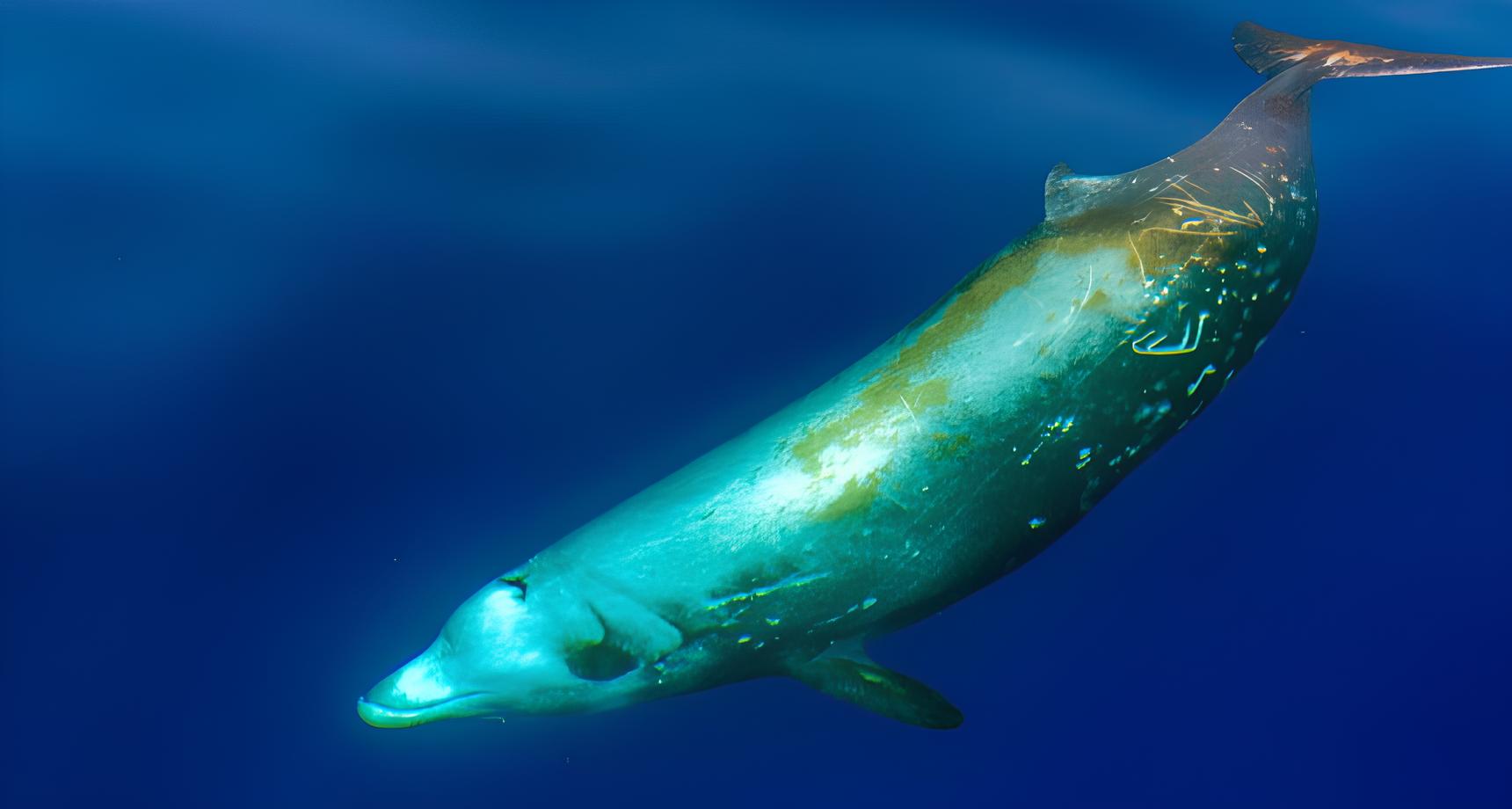


The Cuvier’s Beaked Whale Dives More Than 3,000 Meters and Remains Almost 4 Hours Submerged, A Biological Record Studied by NOAA and Marine Mammal Science.
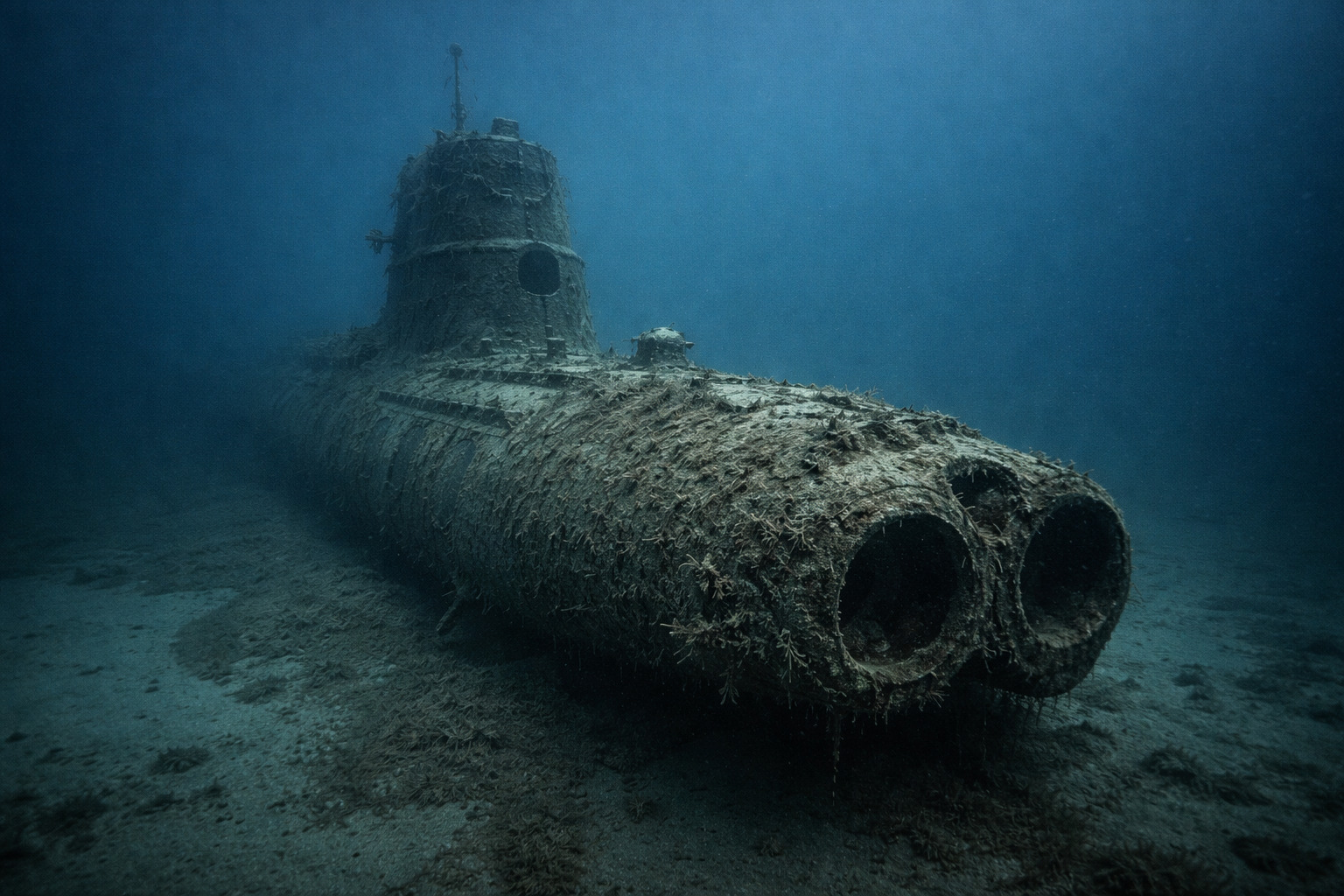
When it comes to extreme diving, it’s natural to think of military submarines, robotic vehicles, or abyssal fish. What few expect is that the absolute record holder among mammals is a relatively discreet whale, lacking the colossal size of humpbacks and the media charisma of orcas: the Cuvier’s Beaked Whale (Ziphius cavirostris).
This species, belonging to the family Ziphiidae, has been documented diving beyond 3,000 meters deep and remaining up to almost 4 hours submerged, according to research compiled in the journal Marine Mammal Science and reports from NOAA (National Oceanic and Atmospheric Administration).
On a planet where most terrestrial mammals would not survive even minutes without breathing, understanding how this cetacean operates in columns of water with pressures exceeding 300 atmospheres has become one of the great challenges of marine physiology.
-
With a cost per shot close to zero, the DragonFire laser could change naval warfare in 2027 and provide British ships with nearly unlimited defense against drones.

-
A British startup creates tires that generate electricity in electric vehicles when passing over potholes, speed bumps, and cracks.

-
Scientists have created robots made with living cells that have their own nervous system, swim on their own, explore the environment, and self-organize without any genetic engineering, and now they want to do the same with human cells.

-
Students create a solar-powered ambulance that operates without a plug, without fuel, and still keeps medical equipment running in remote areas.


Real Data: Depth, Duration, and Scientific Records
The most accepted data in the scientific literature indicates that:
- Maximum Documented Depth: just over 3,000 meters
- Longest Dive Duration: almost 4 hours
- Habitat: deep ocean waters, rarely coastal
- Occurrence: Pacific, Atlantic, and Mediterranean oceans
For comparison:
- Orca: generally up to ~150 m
- Sperm Whale: ~1,000–2,000 m
- Ziphius cavirostris: >3,000 m
In other words, the Cuvier’s Beaked Whale breaks the apparent limit of mammals, entering zones that even attack submarines do not usually explore regularly.
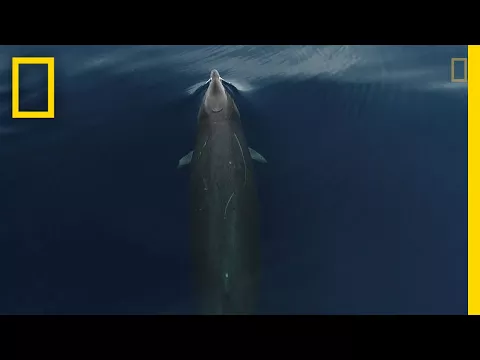

Collapsible Lungs, Extreme Myoglobin, and A Brain That Saves Oxygen
What makes this whale viable at such depths is not “brute strength,” but a highly specialized physiological package:
Lungs That Collapse Without Damage
Unlike terrestrial mammals, the lung of the Ziphius can partially collapse during descent, expelling air to the upper passages and avoiding dangerous compressions.
This mechanism reduces the risk of gas embolism and barotrauma.
Blood and Muscles That Store Oxygen
The muscle of this whale has very high concentrations of myoglobin, a protein that stores oxygen.
This myoglobin is “super packed,” allowing it to withstand low oxygen tensions without losing function.
Selective Redistribution of Blood Flow
In deep dives, the Ziphius shuts down non-essential systems and prioritizes:
- brain
- heart
- locomotion muscles
This prevents energy failure during periods of extreme apnea.
Reduced Heart Rate
Records show that the heart rate can plummet, reducing oxygen consumption and allowing for long periods without breathing.
Specialized Predator in the Hadal Zone of Cetaceans
Despite extreme diving, the Cuvier’s Beaked Whale does not hunt in the deepest part of the ocean, but occupies mesopelagic and bathypelagic layers, primarily feeding on deep-sea squid.
The fact that its dives reach zones where light is zero evidences a highly specific and still poorly understood biological niche.
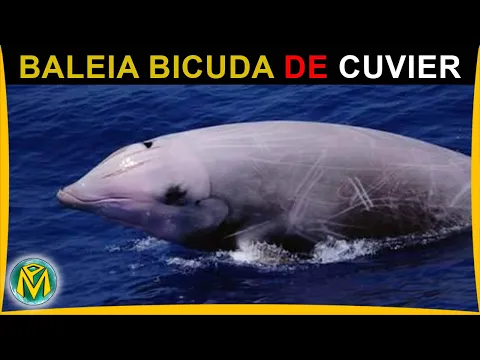
The Silent Enigma of the Most Discreet Whale in the Seas
Unlike humpbacks, orcas, and dolphins, the Ziphius is:
- rarely observed
- extremely shy
- sensitive to noise
- difficult to monitor by boat
Much of the scientific records have only been made possible thanks to the use of suction tags and acoustic tracking.
Conflict With Human Noise
One concern for biologists is the impact of underwater noise, especially military sonars and seismic studies on this species. International institutions have already suggested that acoustic interference may:
- alter diving patterns
- cause disorientation
- induce rapid ascent (similar to decompression sickness in human divers)
Some studies have linked mass strandings to military exercises with sonar, a subject that continues to be investigated cautiously by environmental agencies.
Why This Whale Matters to Science
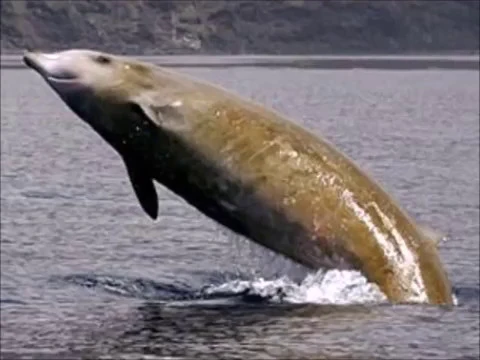
The Cuvier’s Beaked Whale is now a biological window to understand:
- limits of apnea in mammals
- pulmonary adaptations to collapse
- metabolic strategies for energy saving
- effects of extreme pressure on tissues
- human impact in deep zones
It has become essential because it expands the map of the possible in the animal kingdom — and raises an unanswered question:
How deep can a mammal really go?
So far, the Ziphius cavirostris is the best clue that science has.







Uma matéria digna de leitura. Contém imagens, vídeos e informações bem estudadas para a publicação. Diferente das manchetes de IA.
Como é bom encontrar conteúdo de qualidade.
Achei um ótimo conteúdo!