





 Portuguese
  English
  Spanish
  6 min of reading
  0 comments


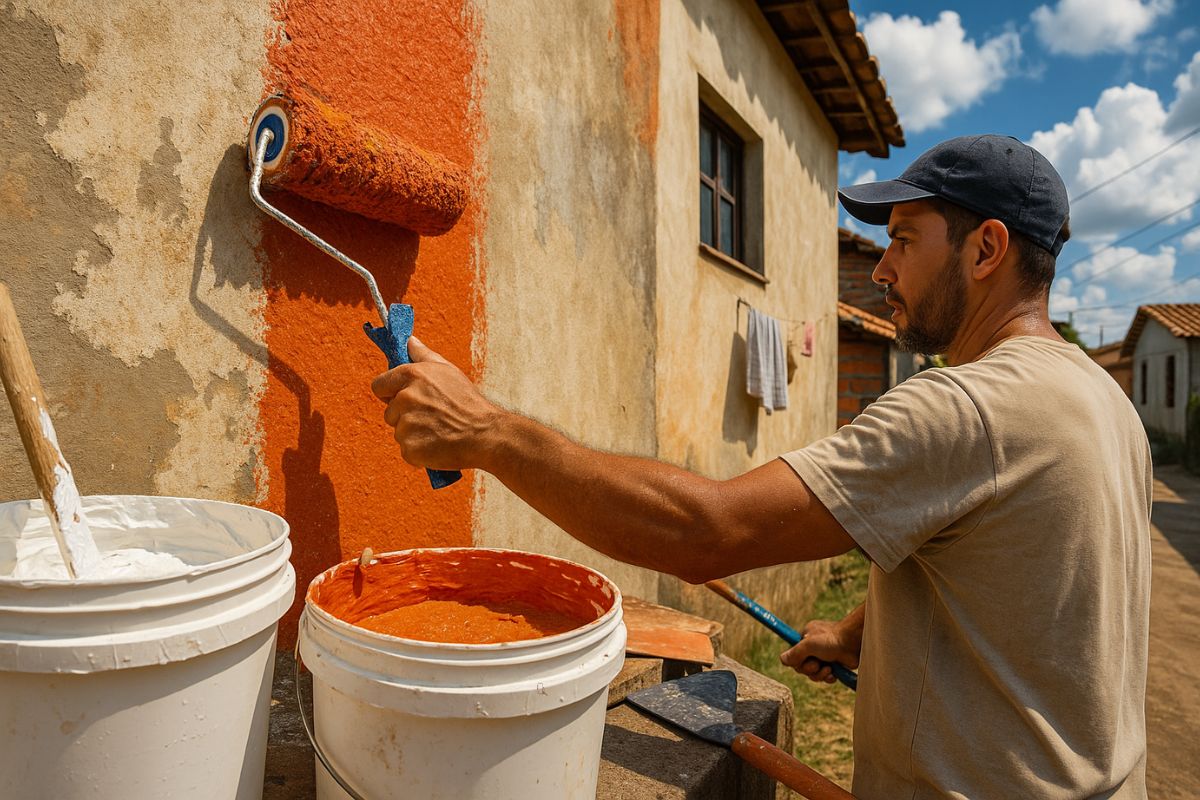
With a Simple and Low-Cost Mixture, Technique That Replaces Paint Promises to Cover, Color, and Texture the Wall at Once, Without Applying Conventional Paint
An independent painter went viral by showing a technique that replaces paint using only joint compound, pigment in a tube, and a texture roller like angel hair. Instead of applying a primer, joint compound, sanding, and then several coats of paint, he softens, colors, and creates texture all in one step, transforming entire walls in just a few hours.
In practice, the method works like a “colored coating” of low thickness. The joint compound receives concentrated pigment, is applied with a trowel as if it were regular compound, and then textured with a specific roller. The result is a surface already colored and with a decorative effect, ready without the use of traditional paint, which explains the interest in this technique that replaces paint for quick and economical renovations.
How the Technique That Replaces Paint Works
The logic is simple: the compound ceases to be just surface correction and becomes the final finish, both visually and tactically.
-
How the Egyptians erected giant structures like pyramids, temples, and obelisks without modern technology, cranes, or engines still amazes the world and reveals the power of engineering based on ramps, levers, ropes, and colossal organization.

-
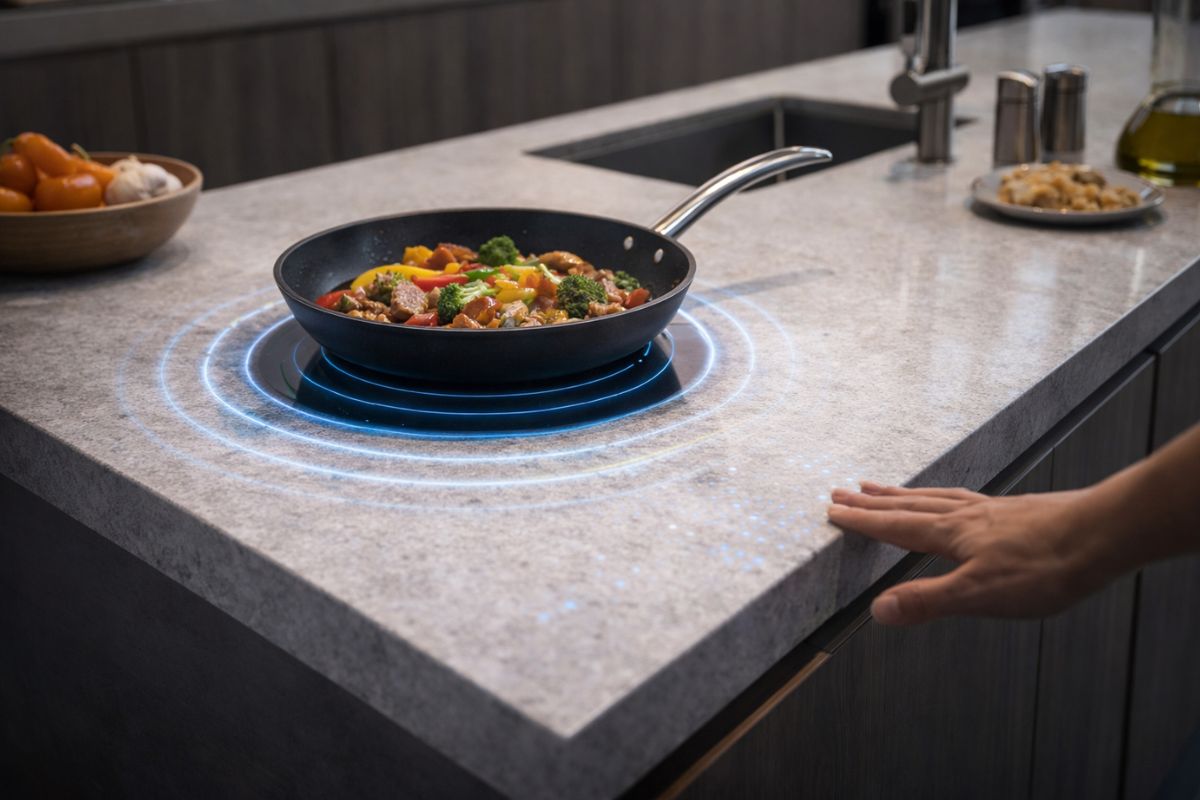
The induction stove you know may be numbered: a new invisible technology hides the stove under the stone countertop, heats only the pot, and promises to cook up to 50% faster while using less energy.
-
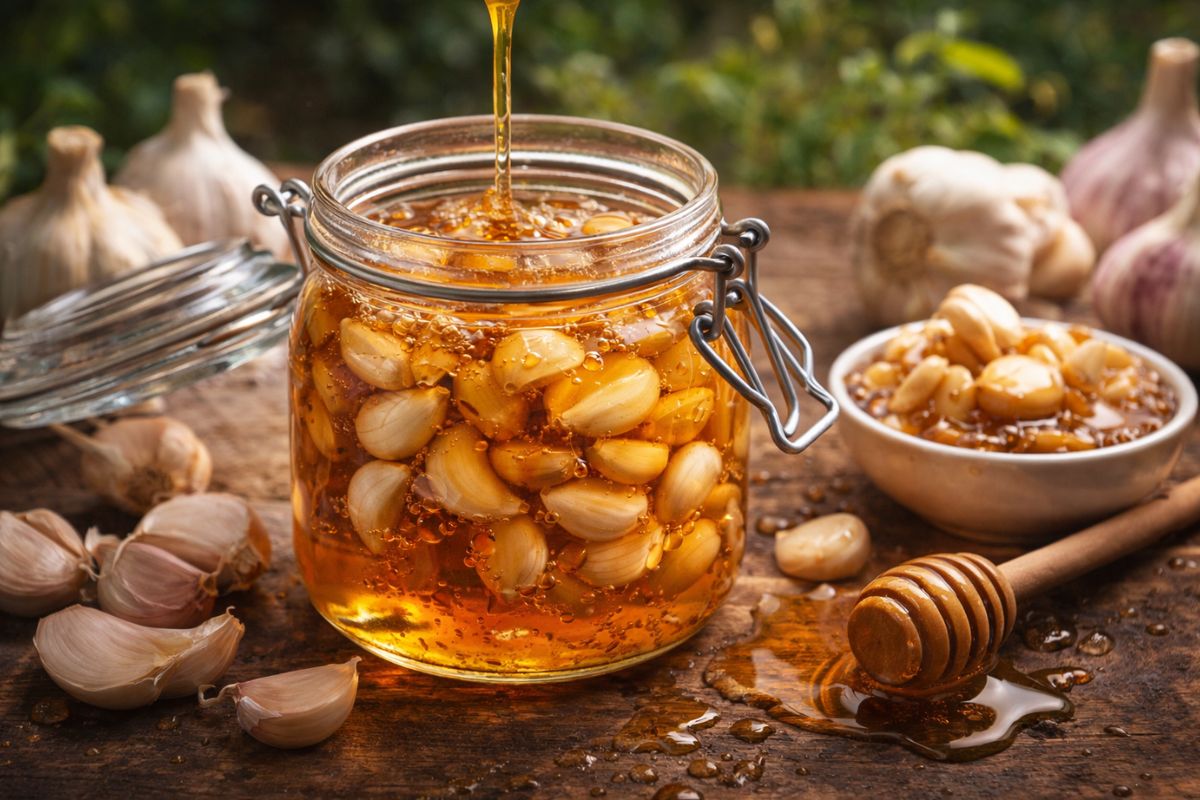
Garlic with pure honey undergoes a natural fermentation that transforms the two ingredients into a versatile condiment for marinades, sauces, and roasted vegetables, and it can also be used as a natural treatment in your garden.
-
A woman in the United States hired six immigrants for a $10,000 job on her house, and when the work was almost done, she allegedly called ICE to avoid paying and to have the workers deported.


Instead of applying the compound, waiting for it to dry, sanding, and then painting with PVA or acrylic paint, the painter prepares a pigmented mixture that comes out in the desired color.
In the demonstration, he uses:
joint compound in a bucket or bag
pigment in a tube, those sold in paint stores
angel hair texture roller with a support and handle
trowel and masonry trowel for application
The final effect can be kept more textured, with the roller’s relief clearly marked, or softened with the trowel itself, breaking the highs and leaving a light-textured appearance, with variations in tone and movement on the wall.
Preparing the Wall Before Application
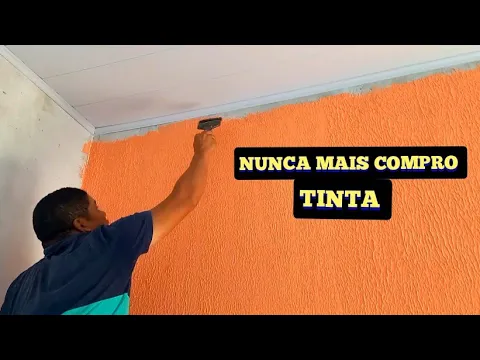

The technique that replaces paint does not dispense with minimal preparation of the base. The painter makes three clear distinctions:
Wall already painted, firm, and without mold
If the old paint is well adhered, without peeling, he applies the mixture directly onto the surface after a basic cleaning.
Wall only in plaster
Before application, he recommends primer or sealer to consolidate the surface and avoid excessive absorption of the compound.
Indoor vs. outdoor area or very exposed to rain
For indoor or covered areas, he uses regular joint compound.
For outdoor areas or where there is moisture and direct rain, it is best to replace it with acrylic compound, which is more resistant.
On the floor, he places cardboard to avoid splashes and stains, especially since the pigmented compound adheres easily.
How the Mixture with Joint Compound and Pigment is Made
The preparation of the mixture is completely manual, but follows a simple logic of visual proportion and consistency.
The painter emphasizes that there is no fixed measurement of pigment, just adjustment until reaching the desired color.
The process shown in the video follows this sequence:
Joint compound placed in a bucket or plastic container
Mixing with a wooden handle or spatula until homogeneous
Addition of the pigment in a tube directly onto the compound
Prolonged mixing until eliminating white spots and “color stains”
He reinforces that the pigment can be orange, blue, green, brown, or any available shade, as long as it is specific for water-based paints.
No PVA or acrylic paint is added to the mixture, just compound and pigment, which characterizes the proposal as a technique that replaces paint in the final stage.
Application on the Wall with Trowel and Texture Roller
With the mixture ready, the painter begins the application on larger wall sections, always working with the compound still wet:
Application with Trowel
He “loads” the tool in the bucket and spreads the pigmented compound on the wall in vertical and diagonal movements.
The goal is to completely cover the plaster or old paint, maintaining a thin but continuous layer.
Use of Angel Hair Texture Roller
With the compound still wet, the roller is lightly dipped in the mixture and passed over the already covered wall.
The movement is made from bottom to top, from top to bottom, and in a cross pattern, creating an irregular design with soft reliefs.
This step is the heart of the technique that replaces paint, because it textures and spreads color at the same time.
Immediate Corrections
Where the compound is flawed or has “holes,” he goes back with the trowel, fills in, and then quickly returns with the roller.
The guidance is to not let the compound dry too much before using the roller, to avoid hard marks and difficult-to-correct unevenness.
Finishing, Drying, and Material Consumption
After texturing the entire surface, the painter can take two paths:
- Keep the texture more pronounced, with evident relief
- Break the relief with the trowel, using light downward strokes, leaving the design more discreet
In the corners, baseboards, and areas near the ceiling, he uses a brush to adjust where the roller does not reach, always with the same pigmented compound.
In the demonstration, the wall had 12 m² (4 m long by 3 m high). For this area, he claims to have used:
- approximately 1.5 bags of joint compound
- about two and a half tubes of pigment
In other words, with little product and simple tools, the wall comes out textured, colored, and finished all at once, without a later stage of painting.
Where the Technique That Replaces Paint Works Best
The technique that replaces paint has a clear usage profile:
Quick renovations in residential indoor environments
Bedrooms, living rooms, circulation areas, and covered spaces
Walls where a decorative effect and material economy are desired
Situations where the resident wants to avoid the “smooth” look of conventional paint
However, for exposed facades, areas with high humidity, or places that require stricter technical standards, traditional painting with primer, joint compound, sanding, and acrylic paint still has an advantage in durability and formal specification.
The painter also points out that the pigmented compound is not a washable paint in the classical sense: it forms a coating that is more sensitive to friction and aggressive cleaning, which should be considered when choosing the environment.
Economy, Limitations, and Care in Execution
From an economic standpoint, the method rests on three points:
Joint compound is cheap and yields well per square meter
Pigment in tubes has a low cost and high coloring power
There are no expenses with ready-made paint cans, extra rollers, and multiple coats
On the other hand, there are important technical limitations:
- The quality of the result depends on the preparation of the base
- Mixing or application errors can lead to stains, tone differences, and poorly covered areas
- A future repainting with traditional paint may require more intense sanding or the application of a specific sealer over the existing texture
In short, it is a creative and low-cost solution, with a strong visual appeal and good performance in indoor environments, but it requires a steady hand, attention to the base, and an awareness that the wall becomes a permanent textured finish.
In your case, would you dare to use this technique that replaces paint in any room of your house, or would you still prefer traditional painting with smooth PVA or acrylic paint?









-

-

-

-

-

-

48 pessoas reagiram a isso.