





 Portuguese
  English
  Spanish
  4 min of reading
  0 comments


New Generation of the Yamaha R7 Receives Electronic Package from the R1, TFT Panel, and Bi-Directional Quickshifter, Strengthening the Brand’s Bet in the Medium Displacement Supersport Segment. The Model Maintains the CP2 Engine and Gains Updates in Chassis and Ergonomics.
The Yamaha introduced the new R7 2026, which incorporates an electronic package derived from the R1, a 5-inch TFT panel, and adjustments to chassis and ergonomics.
The model retains the 689 cm³ CP2 twin-cylinder engine but received enhancements in control and comfort, according to the manufacturer.
Electronics Derived from the R1 Expand Assistance Features
The highlight of the update is the inclusion of the 6-axis Inertial Measurement Unit (IMU), a technology already used in the R1.
-
The car stored for 38 years: when opening the barn door, what appears is breathtaking and looks like a scene from a movie!

-
Fiat works miracles in the Brazilian market, lowers the price of its 0 km hatch to R$ 69,990, reestablishes the model as the cheapest car in the country, and reignites the battle against Kwid and C3.
-
Chevette with cooking gas: How the gas cylinder ends up being used in cars clandestinely and why this makeshift solution can result in leaks, explosions, damaged engines, and seized vehicles.

-
Fiat launches the new 2027 Toro hybrid with 48V, 176 hp, an electric motor of 15.5 hp, a 0.85 kWh battery, up to 7% fuel savings, 8% fewer emissions, and possible exemption from IPVA.


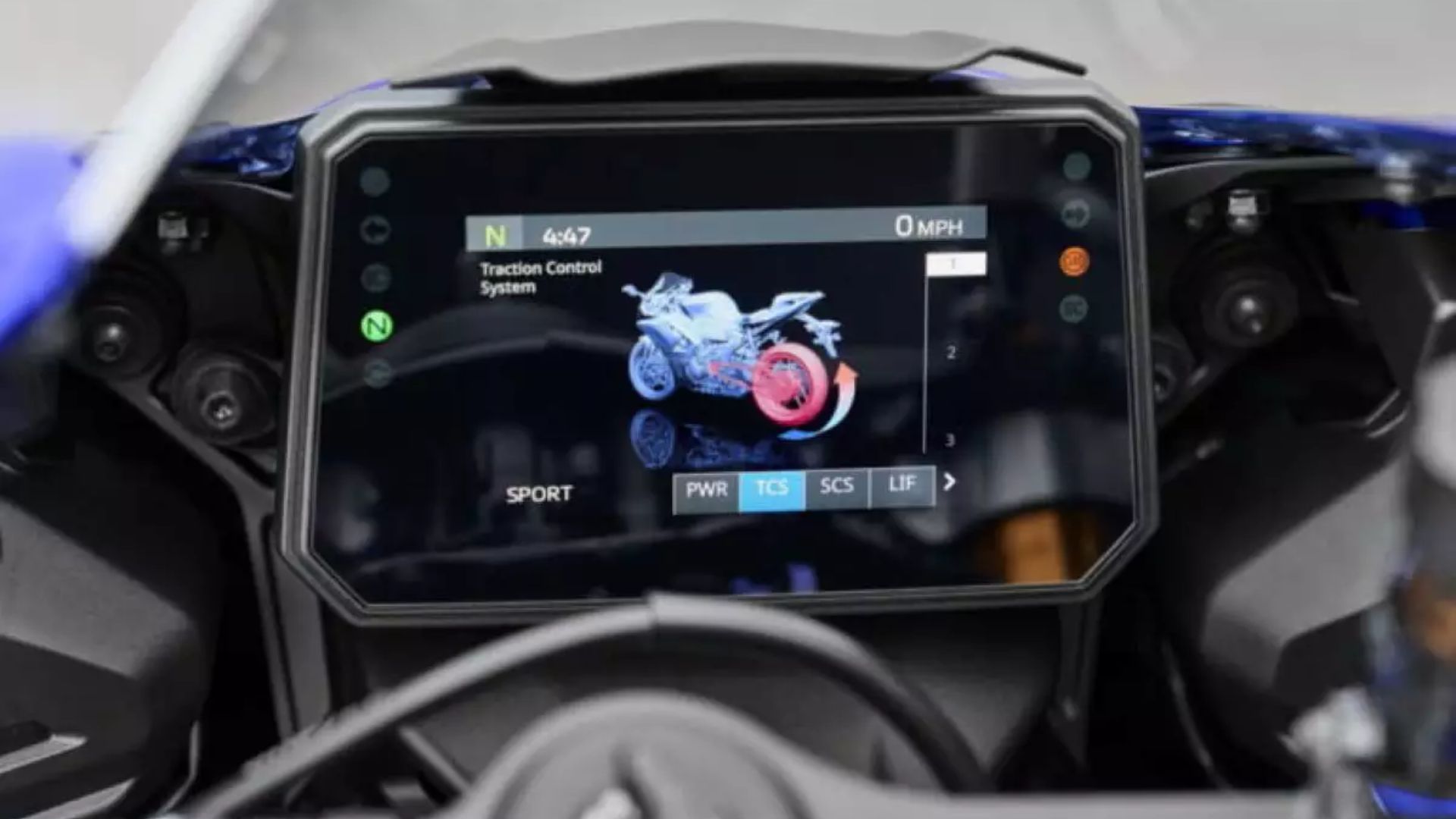
The system monitors acceleration, lean angle, and rotation to manage assists such as traction control, slip control, wheelie control, and braking control.
These functions operate through Yamaha Ride Control (YRC), which offers three riding modes — Sport, Street, and Rain — and two fully configurable profiles.
Customization is done through the MyRide app, allowing users to adjust power delivery and the level of assistance intervention according to usage type.
Another novelty is the 3rd generation Quick Shift System, which enables bi-directional gear shifts without the use of the clutch.
According to Yamaha, the system allows for faster and smoother gear shifts, with two levels of operation suitable for different riding styles.
CP2 Engine Maintains Performance and Reliability
The CP2 engine, with 689 cm³, two parallel cylinders, double overhead cam (DOHC), and four valves per cylinder, delivers 73.4 hp at 8,750 rpm and 6.9 kgf.m of torque at 6,500 rpm.
The assembly uses a six-speed transmission and assist and slipper clutch.
Yamaha reports that the electronic throttle (YCC-T) improves engine response precision and allows integration with the YRC riding modes.
The 270° crankshaft, characteristic of the CP2, has been maintained to preserve linear torque delivery and engine behavior at low revs.
Chassis and Suspension Undergo Structural Adjustments
The diamond-type frame has undergone structural revisions to increase rigidity and optimize weight distribution.
Even with the changes, the declared weight remains at 189 kg wet.
At the front, the 41 mm fully adjustable inverted suspension now utilizes aluminum inner tubes, reducing unsprung mass.
At the rear, the link-type monoshock works with 121 mm of travel.
The SpinForged wheels, produced through a rotational forging process, reduce rotational inertia and are fitted with Bridgestone Battlax Hypersport S23 tires, designed to offer grip in different asphalt temperatures, according to the manufacturer.
Ergonomics Revised for Comfort and Control
The ergonomics have also been revised.
The fuel tank has received a new shape, the handlebar has been repositioned, and the seat maintains a height of 830 mm, resulting in an intermediate posture between comfort and sportiness.
According to Yamaha, the redesigned fairings improve aerodynamic flow and stability at high speeds while also enhancing engine cooling.
TFT Panel and Smartphone Connectivity
The 5-inch TFT panel, fully colored, replaces the old LCD display.
The screen displays information from the YRC system, riding modes, and performance indicators.
Smartphone connectivity allows users to receive notifications and access data via the Y-TRAC Rev app, which tracks routes and riding parameters, providing performance reports and riding history.
Updated Visual and Anniversary Edition
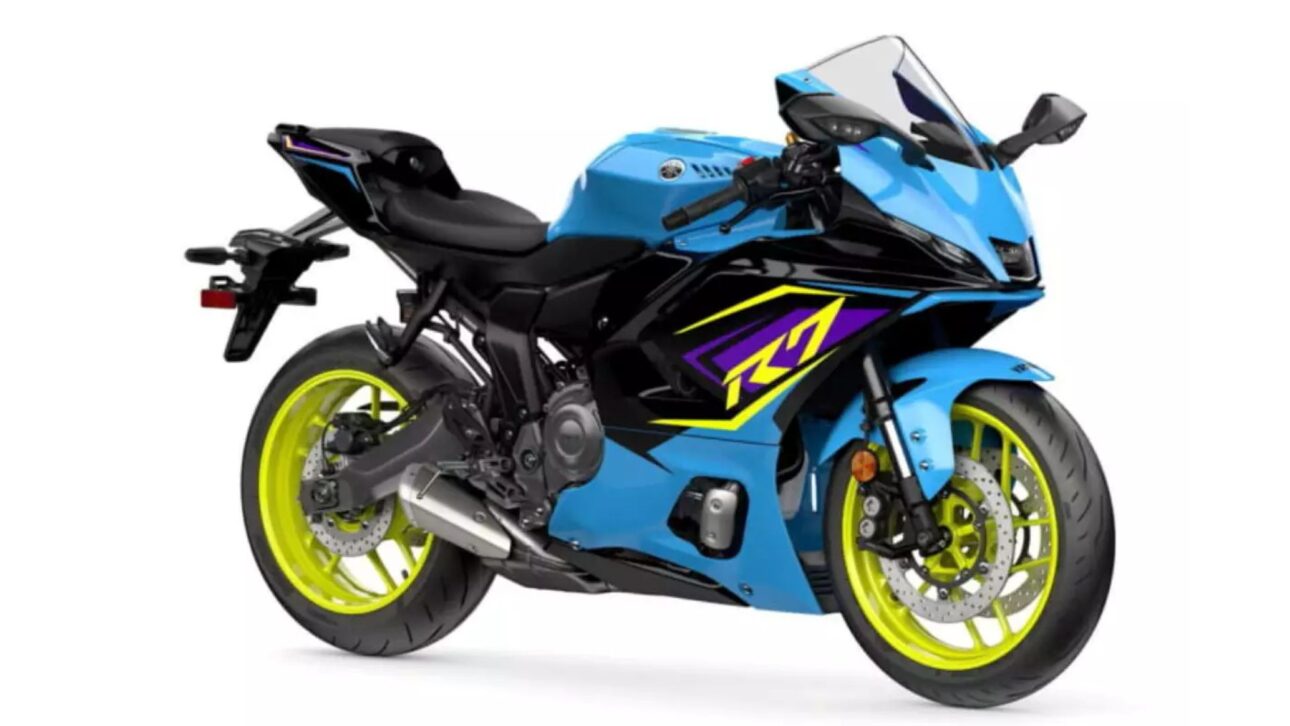
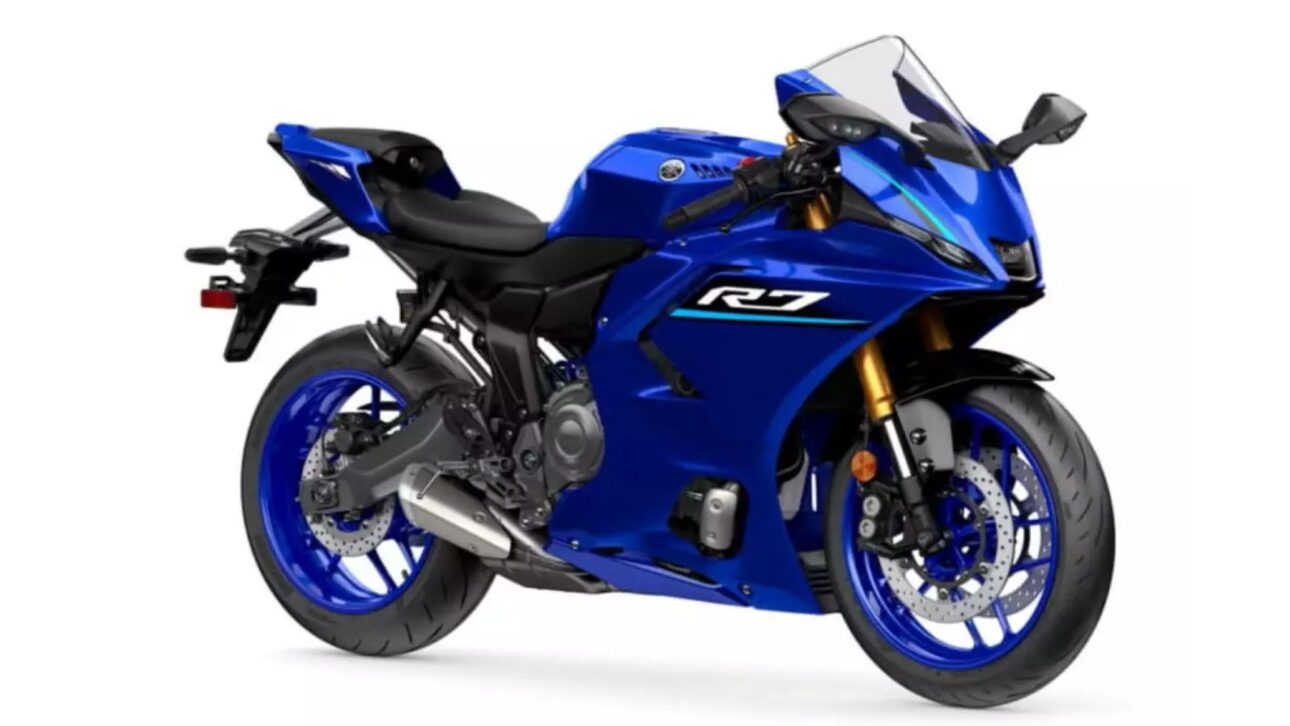
The design follows the standard of the R-Series, with dual headlights, central air intake, and lines inspired by competition models.
The model arrives in Icon Blue, Midnight Black, and a special 70th anniversary edition of Yamaha Racing, in white and red, honoring the brand’s sporting history.
Launch and Availability
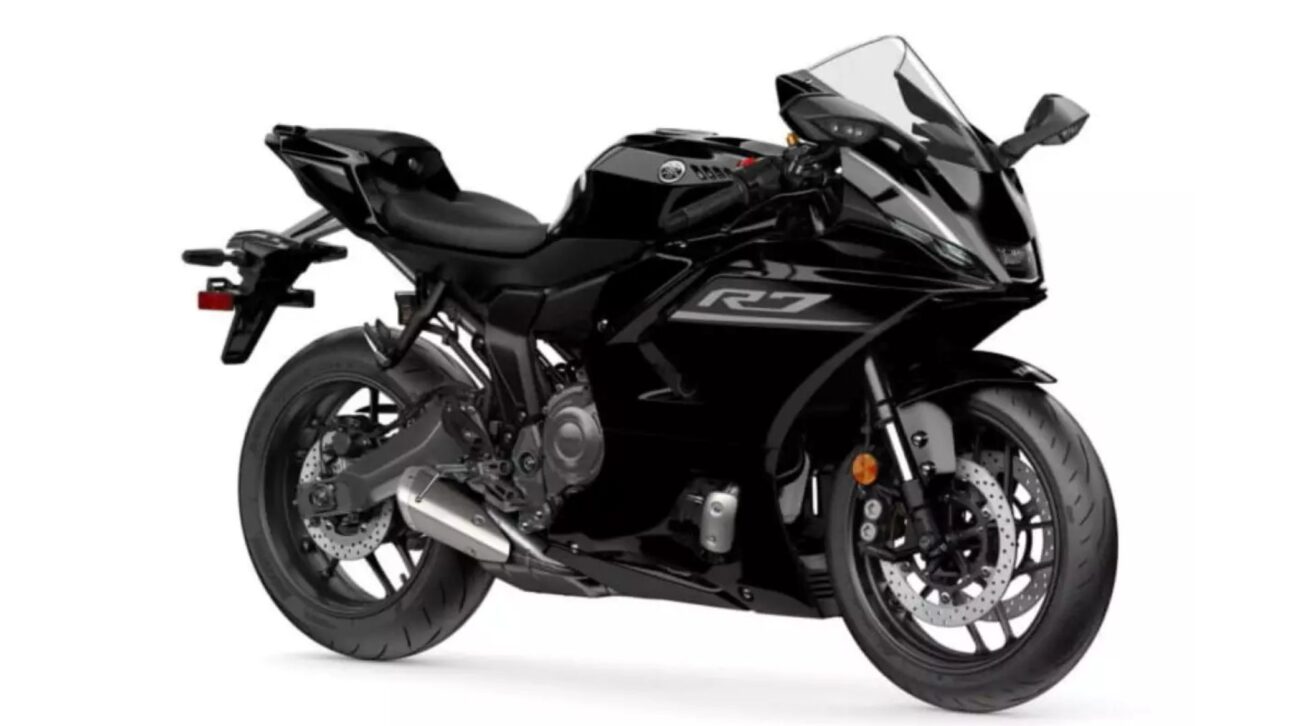
The R7 2026 was initially introduced for the European market.
Yamaha has not yet disclosed prices or arrival dates at dealerships.
In Brazil, the model is not officially sold and there is no forecast for importation.
Positioning Changes in the Supersport Segment
With the adoption of the 6-axis IMU, the electronic throttle, and the bi-directional quickshifter, the R7 2026 expands the package of electronic features available in the medium displacement category.
Industry experts state that these technologies bring the model closer to higher performance sport bikes like the R1, offering an uncommon level of electronic assistance for this displacement range.
Yamaha emphasizes that the update aims to balance performance, safety, and ease of use in different riding contexts.
The set of improvements positions the R7 2026 as an evolution within the R/World line, a concept that guides the development of the brand’s sport models.
According to market analysts, the expansion of features may strengthen the model’s appeal among riders seeking cutting-edge technology in intermediate versions. The R7 2026 represents a relevant update in Yamaha’s portfolio.







Seja o primeiro a reagir!