





 Portuguese
  English
  Spanish
  5 min of reading
  2 comments


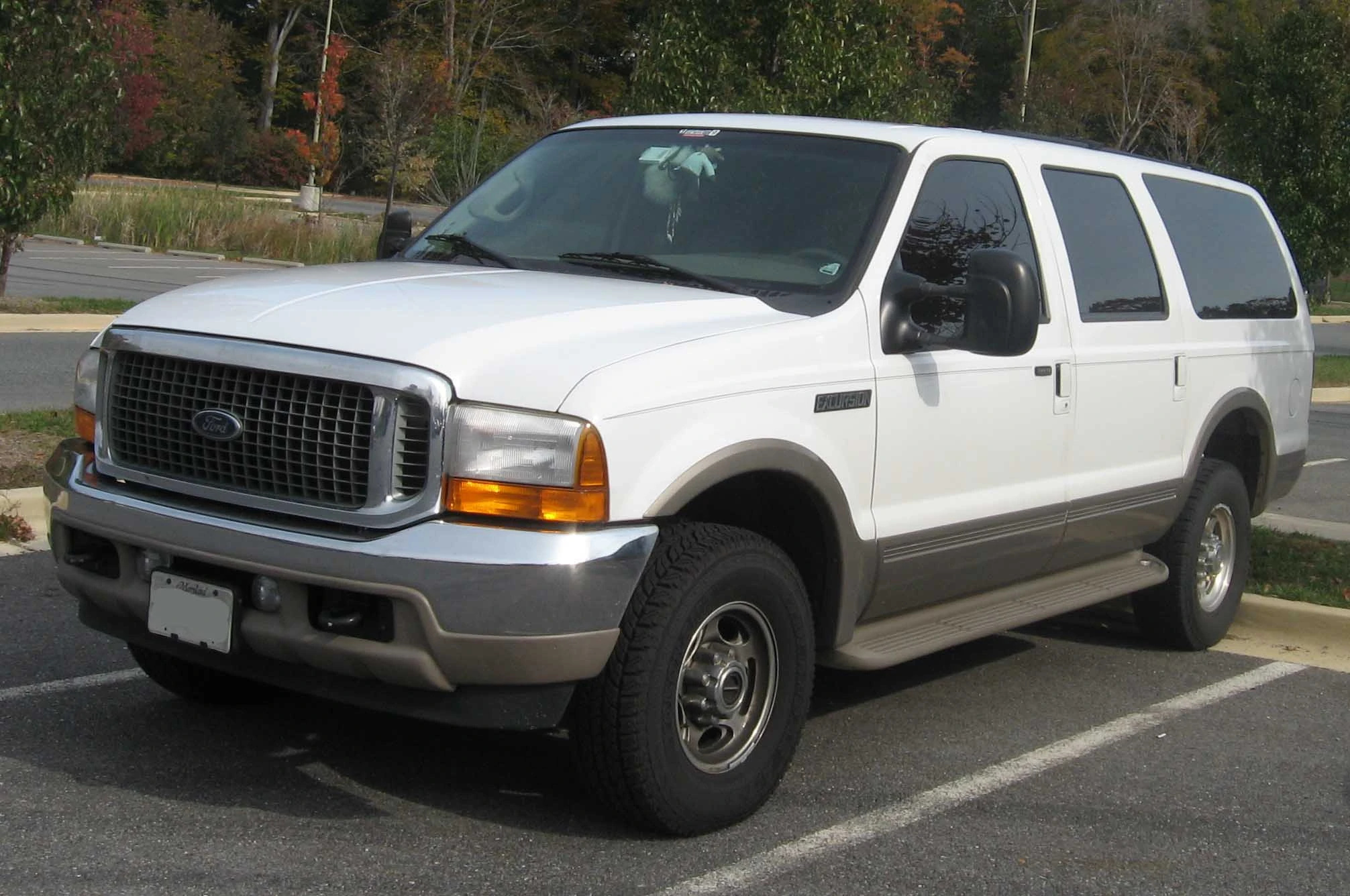


Know The Ford Excursion V10, The 7-Seater SUV That Marked An Era With Its Impressive Size And Powerful Engine. Find Out Why The Largest SUV In The History Of Ford, Based On The F-250, Had A Short Life And Became A Legend Among Enthusiasts
The Ford Excursion V10 is a milestone in the automotive industry and holds the title of the largest SUV ever produced. Launched in 2000, it drew attention for its grandiosity, with nearly 6 meters in length, ample interior space for up to 7 passengers, and a robust V10 engine that offered superior performance even for such a giant vehicle. Based on the Ford F-250 platform, the model incorporated the durability and capacity of the famous truck but with the comfort and versatility of an SUV.
Despite its initial success and appeal to customers seeking size and strength, Ford’s giant SUV had a short life. After just 6 years on the market, it was discontinued. Below, we explain the reasons behind this decision and analyze the main characteristics of the vehicle that became a legend.
The SUV Based On The F-250 With V10 Engine: Strength And Robustness In A Family Vehicle
The foundation of the Ford Excursion was one of the keys to its performance. The platform of the Ford F-250 truck, known for its durability and capacity for heavy loads, was used to create an SUV that did not disappoint in terms of strength.
-
A 250cc motorcycle that can reach 560 km with a 14-liter tank, features disc brakes on both wheels and is among the most well-known in Brazil.
-
Man finds over 200 rare cars abandoned on a lot and tries to do the impossible in 8 hours with a surprise at the end.
-
An irregular parking case gains attention after a Mercedes Classe A was removed in such a strange way that it even raised doubts about damage to the car.

-
Costing R$ 16,000, the new Yamaha features a 125 cc hybrid engine with electric assistance, delivers 8.3 hp, includes ABS, optimized fuel consumption, Y-Connect connectivity, 25 liters of storage space, and a surprising 4-year warranty in the urban segment.

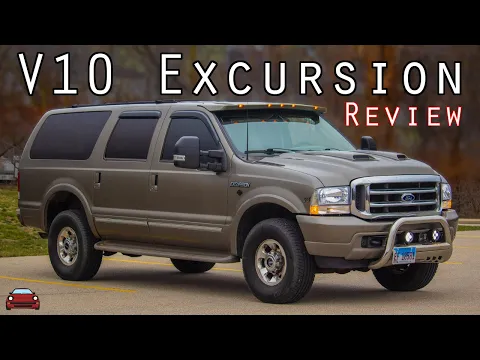

The heart of the vehicle was the 6.8-liter gasoline V10 engine, capable of generating around 310 horsepower and high torque, ensuring enough strength to tow heavy trailers and tackle tough terrains. The engine, which became a symbol of the 7-Seater V10 SUV, was designed for those who needed to combine comfort and space with high performance.
With a length exceeding 5.8 meters and a height approaching 2 meters, the Excursion impressed not only with its size but also with its versatility: comfortable for large families and capable for heavy-duty work, a rare balance in the segment.
Performance And Technical Characteristics Of Ford’s Giant SUV
In addition to the V10 engine, the Ford Excursion featured other elements that reinforced its proposal of robustness and luxury:
- Towing Capacity: could tow trailers and loads of up to 7 tons, thanks to the powerful engine and reinforced chassis of the F-250;
- Internal Configuration: space for 7 passengers with ample luggage space, making the model ideal for long family trips;
- Reinforced Suspension And Traction Options: available with a 4×4 system, which improved performance off-road and in adverse conditions;
- Safety And Comfort: airbags, air conditioning, sound system, and quality interior finishes for the standard of the time.
Despite its focus on strength and size, the Ford Excursion also cared about the comfort of its occupants, making it an option for those needing a large vehicle without sacrificing luxury.
Why The Ford Excursion Was Discontinued In Just 6 Years?
Although it carved out a niche, the SUV that was discontinued in 2005 faced challenges that affected its sustainability in the market. Among the main reasons are:
High Fuel Consumption
The V10 engine, while powerful, was extremely thirsty. The average fuel consumption of the Ford Excursion hovered around 5 km/l in the city, a high number even by giant SUV standards. This, coupled with rising fuel prices, made the vehicle less attractive to a large portion of consumers.
Shift In Consumer And Industry Profile
In the 2000s, the automotive industry began focusing more on efficiency, sustainability, and versatility. The market started to prioritize smaller SUVs, which were more economical and featured advanced technology, causing the large and robust Excursion to lose ground to more modern and adaptable models.
Environmental Regulations And Operating Costs
The Ford Excursion struggled to meet new environmental regulations that required lower emissions. Additionally, the high cost of maintenance, insurance, and daily operation contributed to the drop in demand, resulting in Ford’s decision to discontinue the model.
The Importance Of The Ford Excursion V10 In The Segment Of Ford’s Giant SUVs
Despite its short production run, the Ford Excursion remains an icon in the SUV segment. Its existence demonstrated that it was possible to combine the robust mechanics of the F-250 with the space and comfort needed for large families, paving the way for the evolution of large utility vehicles.
The Ford Giant SUV is still admired by collectors and enthusiasts who value its imposing presence and strength, being regarded as a cult vehicle, especially in the United States, where its acceptance was greater.
Technical Specifications – Ford Excursion V10
| Year of Launch | 2000 |
| Year of Discontinuation | 2005 |
| Segment | Giant SUV / Sport Utility |
| Mechanical Base | Ford F-250 Truck Platform |
| Engine | Gasoline V10, 6.8 Liters |
| Power | About 310 Horsepower |
| Torque | Maximum Torque Around 579 Nm |
| Length | Approximately 5.8 Meters (5,796 mm) |
| Height | Close To 2 Meters |
| Seating Configuration | 7 Seats (Some Versions With Up To 8 Seats) |
| Towing Capacity | Up To 7 Tons |
| Traction | RWD (Rear-Wheel Drive) Or 4×4 (Optional) |
| Suspension | Reinforced For Heavy Load And Off-Road |
| Average Consumption (City) | Estimated Between 2.8 To 5 Km/L (High Consumption) |
| Comfort Features | Air Conditioning, Airbags, Sound System, Quality Interior Finishes |
Curiosities About The Largest SUV In The History Of Ford
- The Ford Excursion is larger than many light trucks, measuring nearly 6 meters in length;
- The model could comfortably accommodate 7 people, which was uncommon for vehicles of this size at the time;
- The 4×4 traction in some versions increased its off-road capability, something rare in such large family SUVs;
- Despite limited production, there are still communities dedicated to the model, which stand out at automotive events and gatherings;
- The Excursion was used in various applications, including emergency vehicles, security cars, and VIP transport, thanks to its robustness and space.
The Legacy Of The SUV That Was Discontinued: Influence For The Future Of Large Utility Vehicles
The end of the Ford Excursion’s production did not mean the end of the demand for large SUVs, but rather a paradigm shift. The industry moved towards vehicles that combined performance, technology, and energy efficiency, aiming to cater to a broader audience concerned with sustainability.
However, the concept of a SUV Based On The F-250 set precedents for the development of larger, more efficient hybrid trucks and SUVs that today dominate the market. The Excursion showed that consumers desired more than just size but a complete and balanced vehicle.
The Relevance Of The Ford Excursion V10 In The Automotive Sector
The Ford Excursion V10 is much more than a road giant — it represents an era when size and engine power were the ultimate symbols of status and functionality. Even with its limited production and early exit from the market, its impact remains present.
For fans of large vehicles, the Excursion is an example of Ford engineering combined with a differentiated SUV proposal. For the automotive market, it stands as an important study of how shifts in consumer behavior and regulations can determine the fate of even the most iconic models.
If you’re looking to better understand the evolution of SUVs and what makes a vehicle become a legend, the Ford Excursion V10 is undoubtedly a key piece in that history.









É um super suv ,muito bacana
Só não é um SUV, é um utilitário “caminhoneta” com a mesmo.