





 English
  Francês
  Alemão
  Italiano
  Japonês
  Norueguês
  Portuguese
  Spanish
  3 min of reading


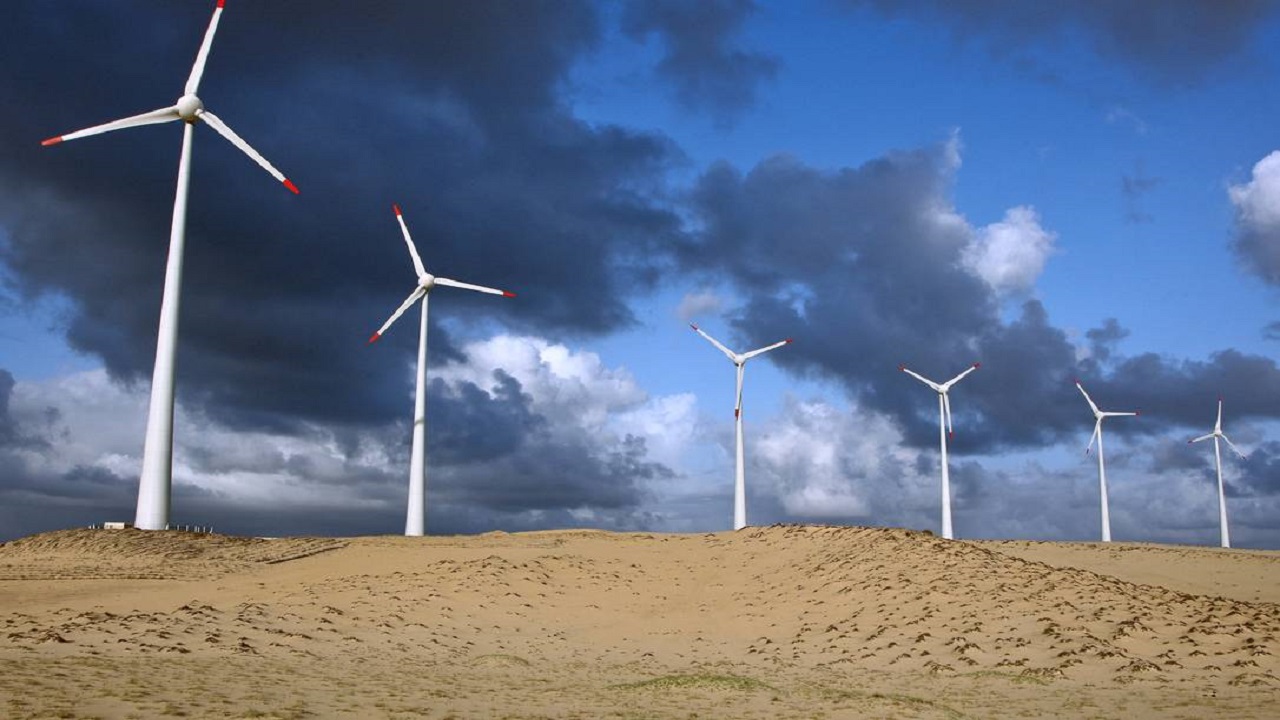
With the Worsening of the Water Crisis, There Is a Huge Possibility of Wind Energy, Solar Energy, and Biomass Gaining More Attention in the Brazilian Electric Sector
The blackout that occurred in 2001 led to a network of thermoelectric plants that use a more expensive energy source for Brazil. With the current water crisis affecting several states, a new trend of renewable energies will emerge, especially wind energy, solar energy, and biomass.
Read Also
Brazilian Companies Outline Investment Plans in Renewable Energies to Avoid a New Blackout
In light of the challenges, some companies seek these renewable sources as a way to protect themselves from future droughts, which may become more frequent due to climate change.
According to Rodrigo Sauaia, Executive President of the Brazilian Photovoltaic Solar Energy Association (ABsolar), the use of hydric sources will be analyzed based on their priorities, such as animal and human consumption, leaving energy generation as a last option.
-
Rio Grande do Sul accelerates energy transition: State invests in renewable technologies and consolidates decarbonization strategies and pathways to attract billions in new industrial investments.

-
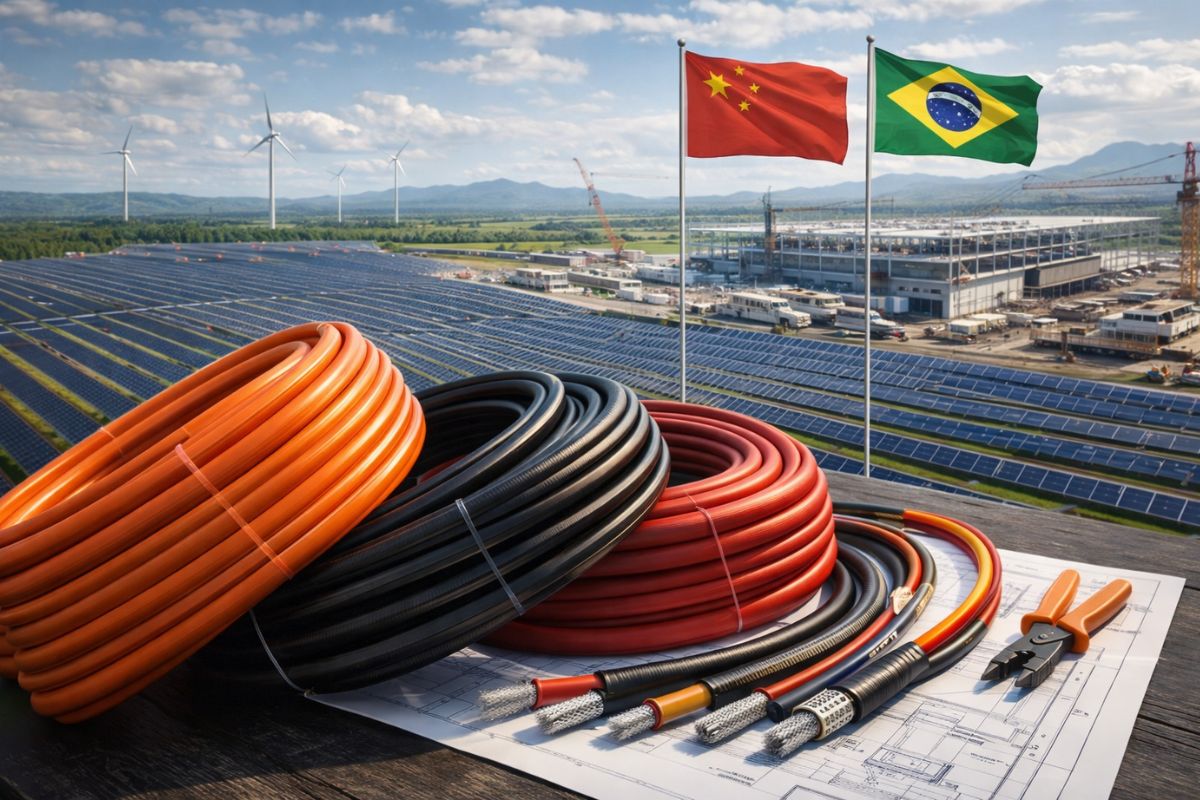
Chinese giant worth nearly R$ 4 billion that manufactures cables for electric cars, solar energy, and robotics wants to open a factory in SC.
-
Many employers do not know, but the law guarantees domestic workers a 25% increase in salary during trips, 50% for overtime, 20% for night shifts, and 17 additional benefits that can lead to labor lawsuits if not paid.

-
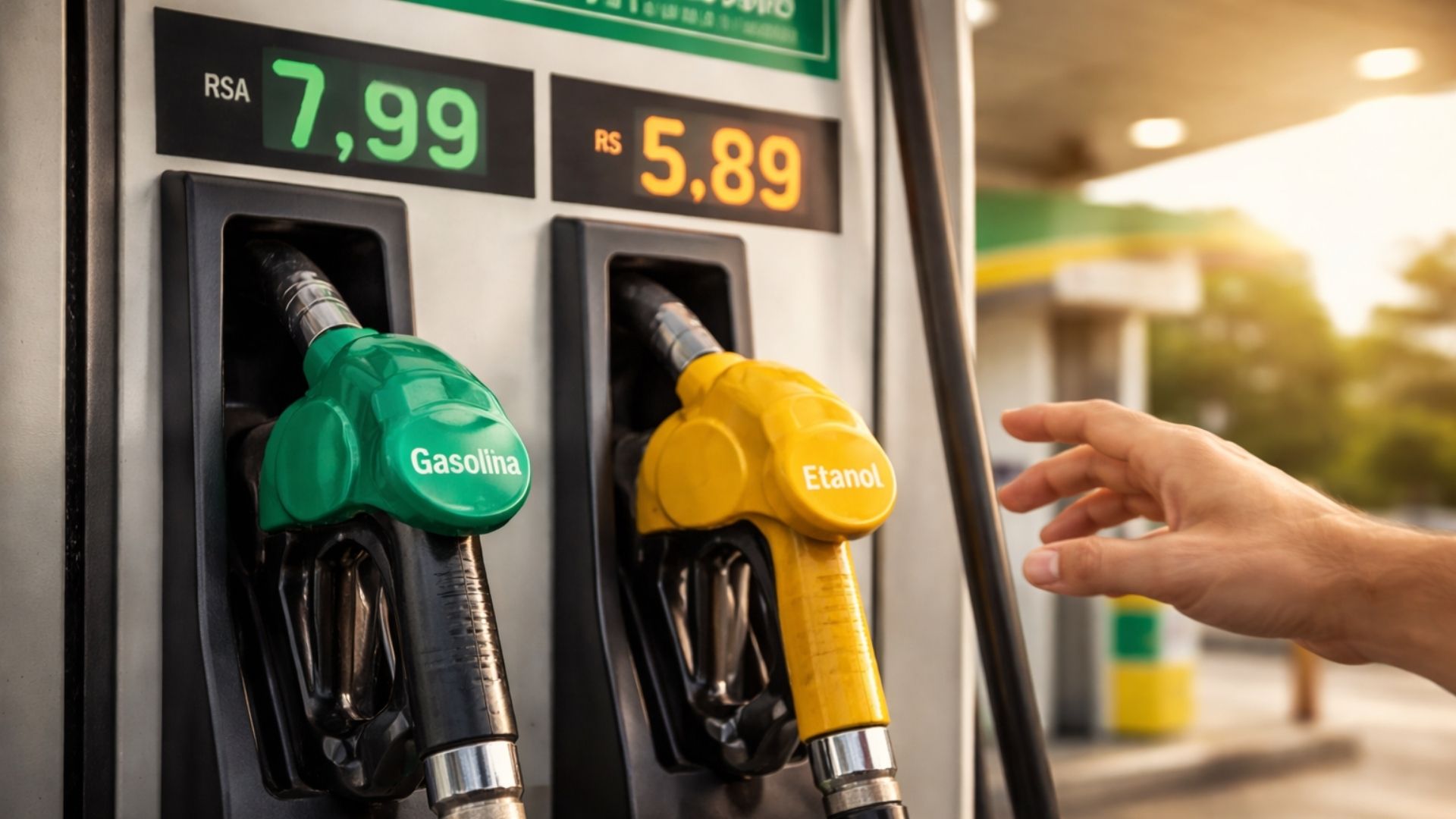
Gasoline prices soar and the question arises: is ethanol more advantageous? The 70% rule reveals the limit with gasoline.

According to Luiz Serrano, director of RZK Energia, the high costs due to the water crisis will be a major driver for investment decisions in solar, wind, and biomass energy sources. The price of megawatt-hour (MWh) in the spot market rose from R$ 300 in March to R$ 520 recently.
The Estimate of Change with the Help of Renewable Sources
According to the President of the Brazilian Wind Energy Association (ABEEólica), Elbia Gannoum, the energy from large wind turbines could reach 18% of the supply, double the current amount, specifically in September, when river levels are expected to be at a higher crisis.
The wind energy fields that are in their final construction phase have a capacity of 1 Gigawatt and are expected to start operations earlier than planned, saving about three months in bureaucracy and construction. Biomass continues to focus on landfills and sugarcane bagasse but has the potential to expand materials.
According to Manuela Kayath, President of MDC, a company that operates steam from biomass and biomethane, there is an acceleration in projects in the area. She states that it will be feasible to generate biogas from animal waste through a digestion process.
Still, the Brazilian Sugarcane Industry Association states that the country is using only 15% of the biomass potential in the sector, meaning that if the country can make more investments, it will see rapid growth in the area.
FGV Energy Researcher Talks About Solar Energy, Wind Energy, and Biomass
According to FGV Energy researcher João Teles, the use of renewable sources is the reason the water crisis in the country has not turned into an energy crisis.
Unlike the rationing of 2001, when hydropower plants accounted for approximately 90% of the country’s generation, they currently account for only 63.8%, according to the Energy Research Company (EPE). The most prominent renewable sources are wind energy at 9.2%, biomass and biogas at 9%, and solar energy at 1.7%.






Seja o primeiro a reagir!