





 Portuguese
  English
  Spanish
  2 min of reading


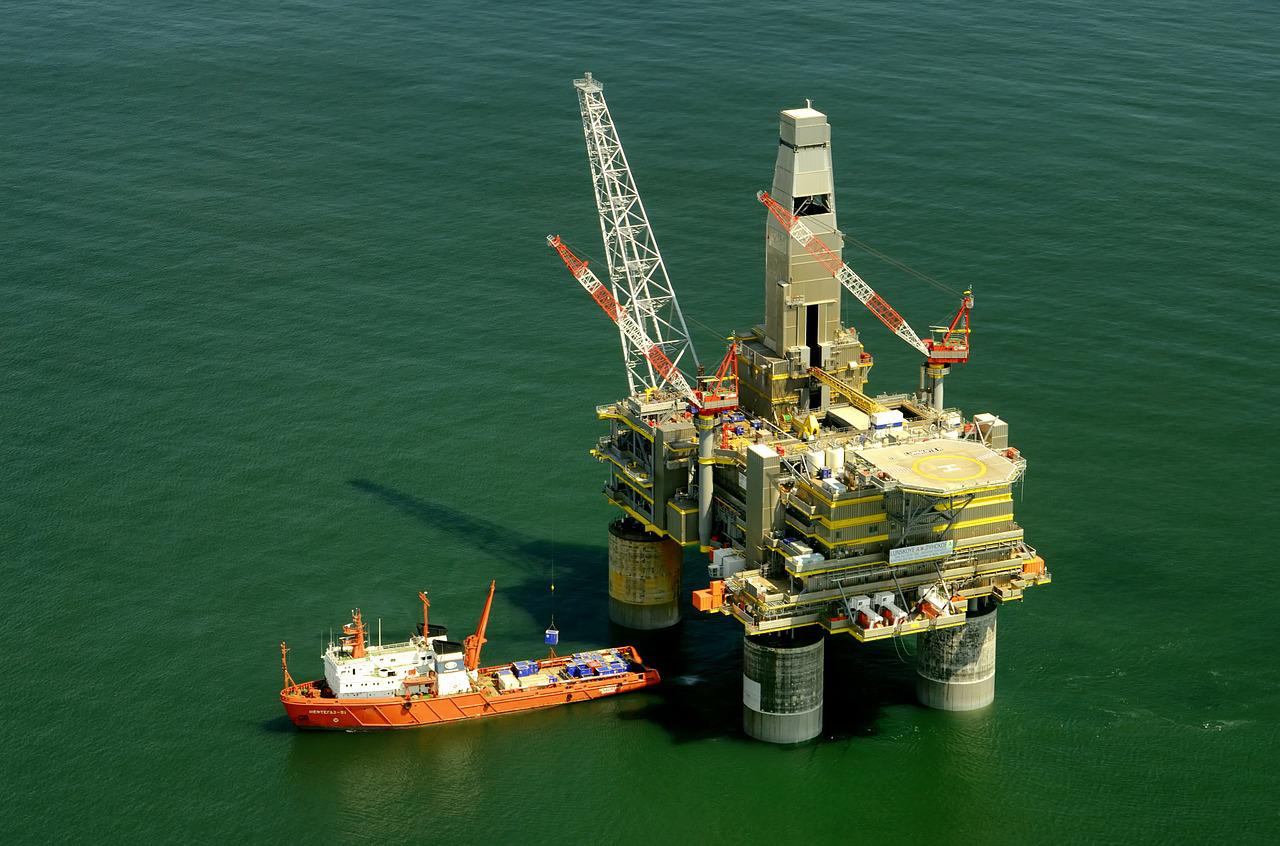
With Rising Crude Oil Prices and Companies in the Sector Moving Towards Expansion in Offshore Fuel Production, Westwood Projects a Favorable Scenario for the Use of Support Vessels in the Coming Years.
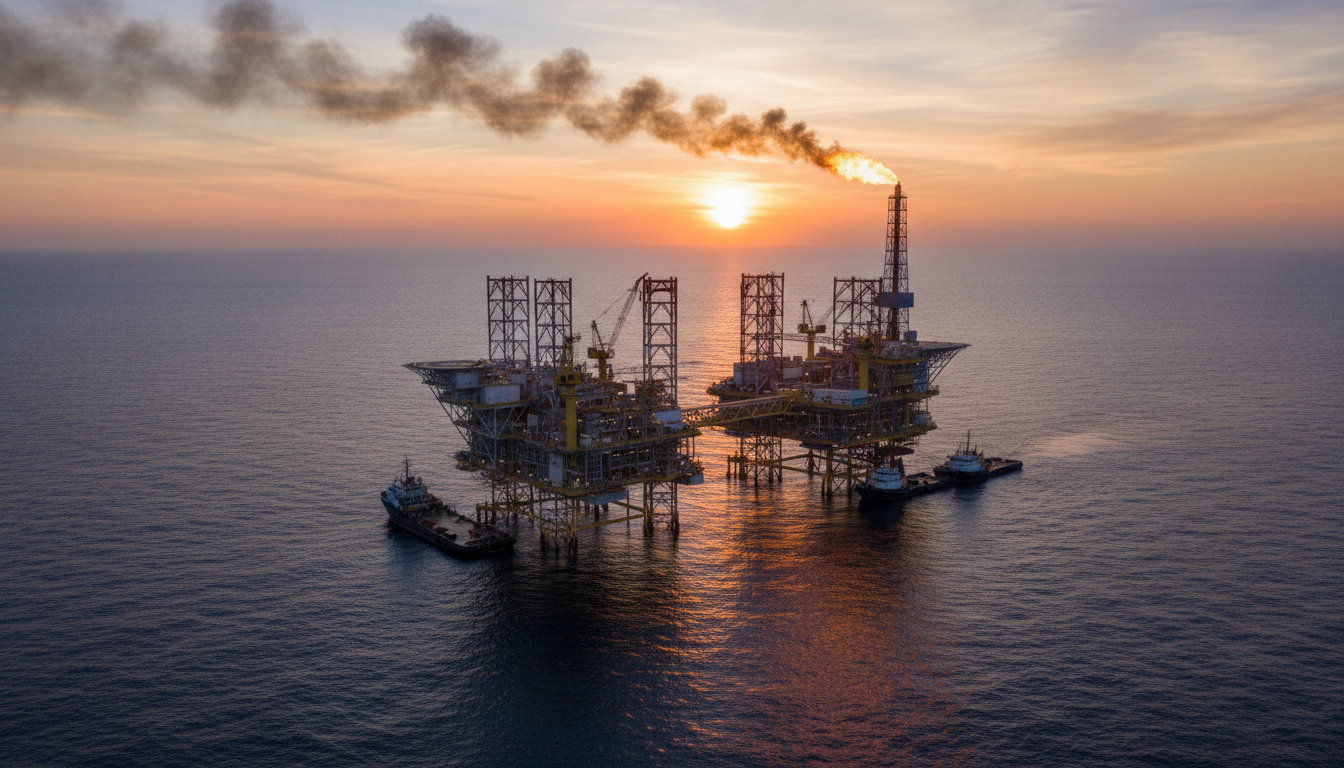
The energy and logistics company Westwood commented this Sunday (06/12) on the future of the oil and gas sector worldwide and highlighted a strong expansion in the use of support vessels in the coming years. According to the company’s projections, there should be a utilization rate of the vessels of up to 88% in 2024, driven by the expansion of offshore oil production.
Support Vessel Utilization Rate Could Reach 88% in 2024 with Increased Offshore Oil Production, Westwood Projects
The rise in oil prices has been bringing a series of consequences in the international market and, among them, is the frantic search for offshore fuel production to combat prices. This is because OPEC (Organization of the Petroleum Exporting Countries) announced an increase in fuel exploration for July during the last week, impacting the international oil and gas scenario.
As a consequence of the decision and the search for new offshore oil ventures, the energy company Westwood is projecting a bright future for the support vessel market.
-
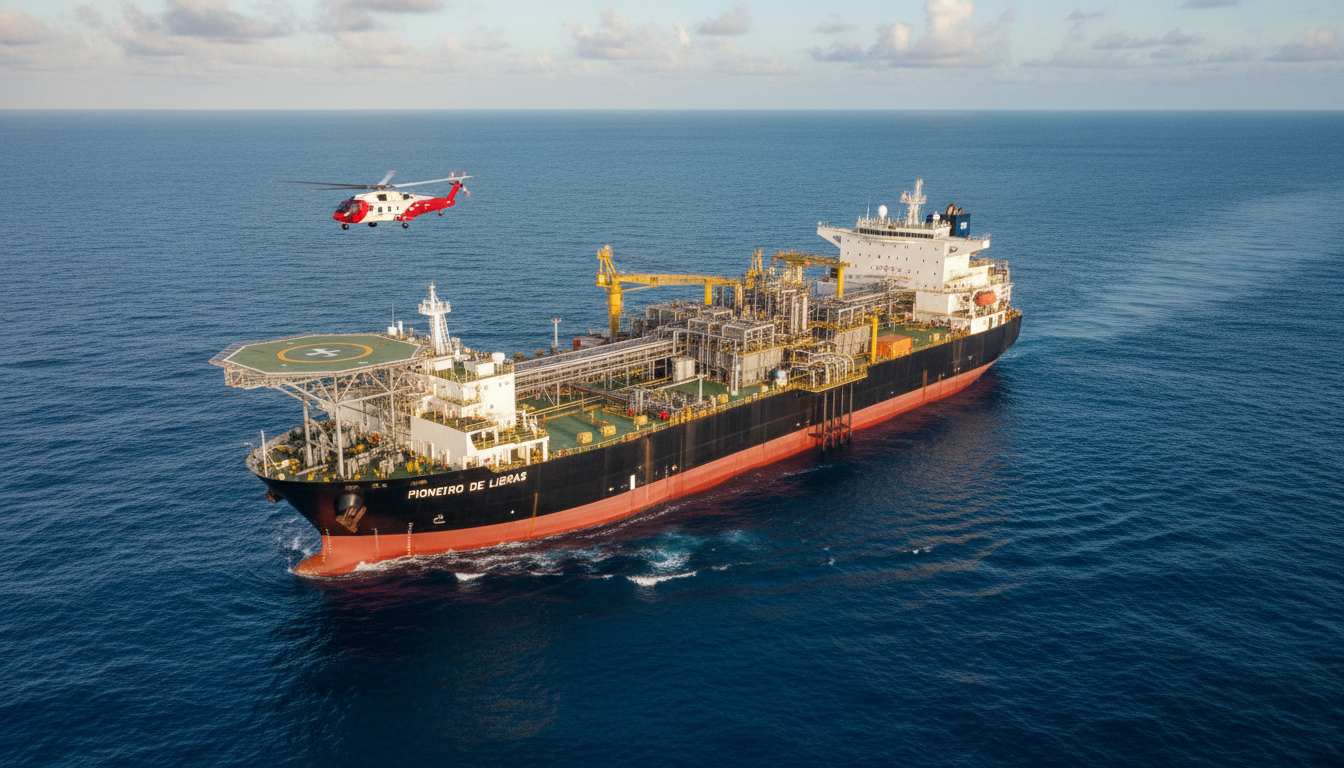
With the war silencing the wells of Iran, Brazil set a record of 5.3 million barrels per day and rose in the global oil ranking without anyone noticing — the pre-salt now accounts for 80% of everything that comes from the seabed.
-
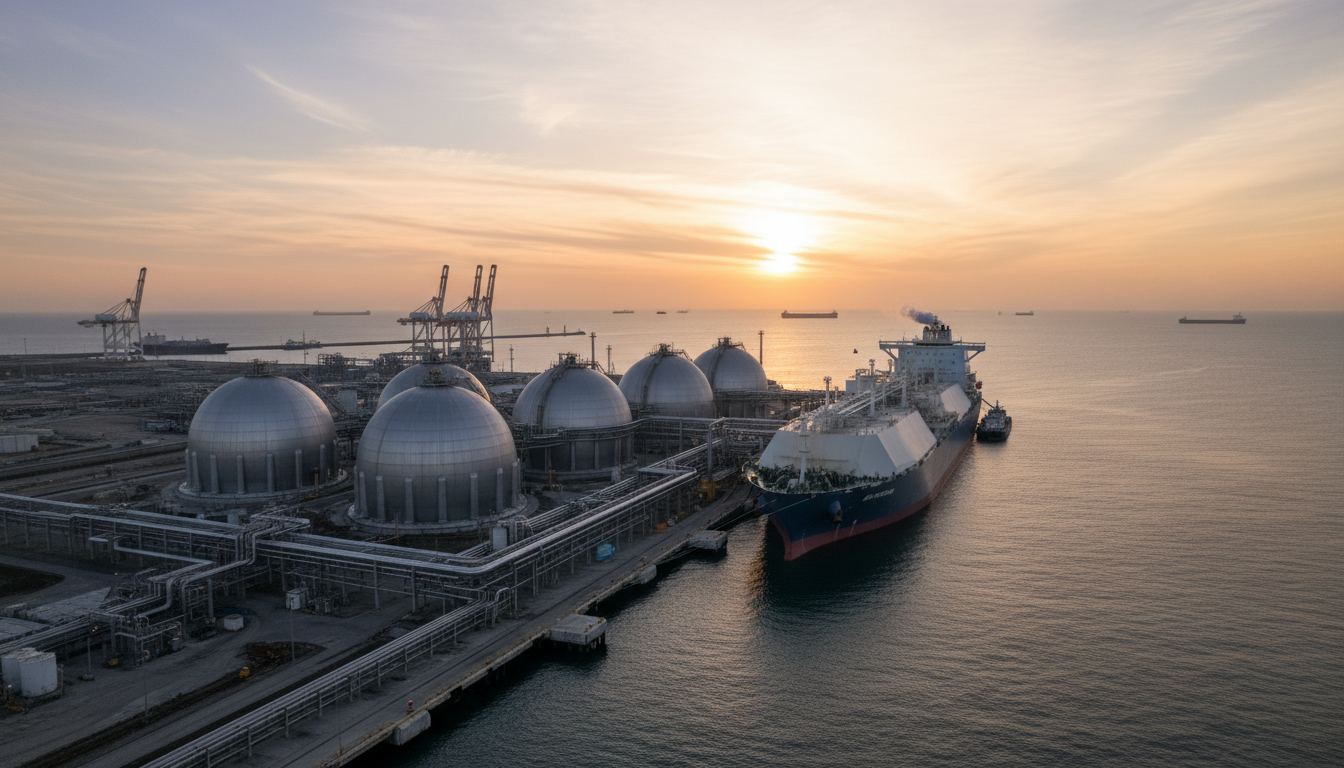
After years of delays and billions invested, the Golden Pass megaterminal in Texas is about to start exporting liquefied gas and will reshape the global energy map amid the Middle East crisis.
-
The artificial intelligence market within the oil industry is worth billions today and will more than double by 2033, and those who do not get on board now with the race for digital twins and autonomous drilling will be left behind.

-
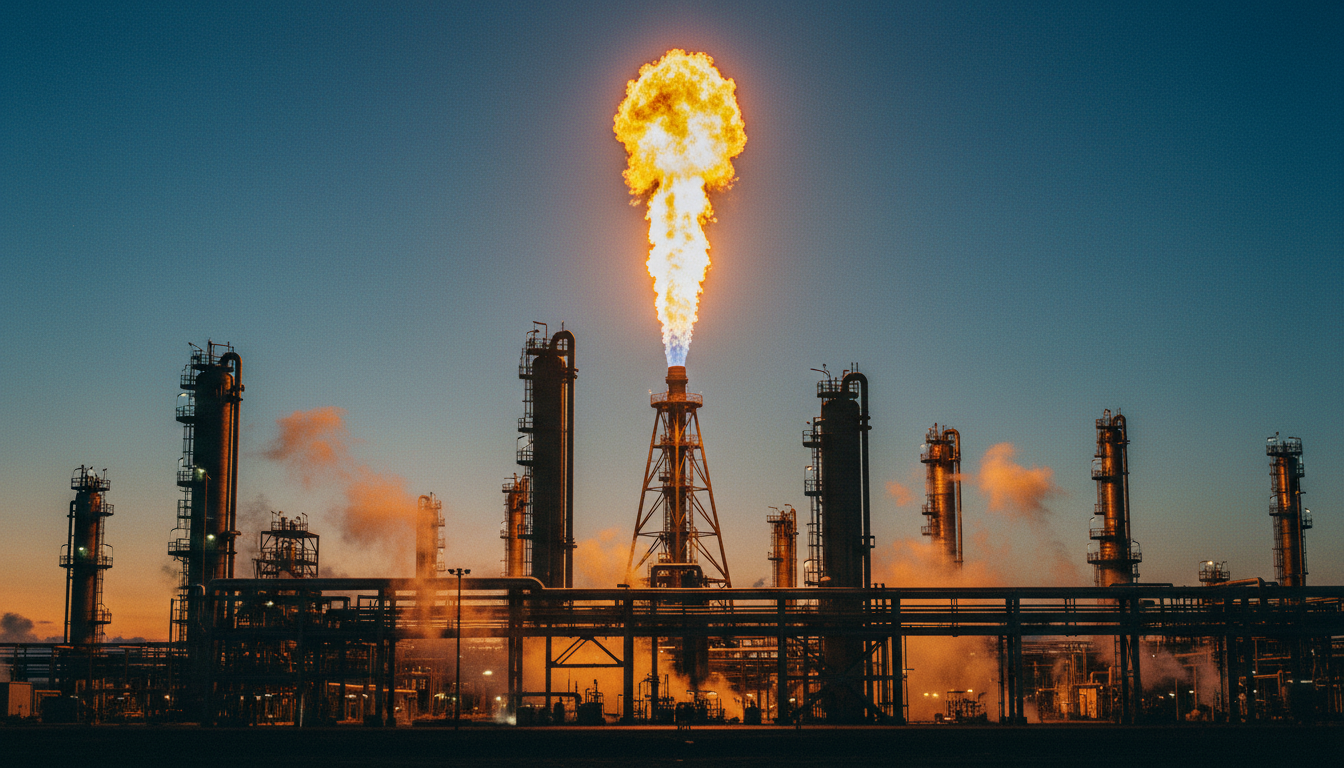
Petrobras quietly installed an artificial intelligence system called Smart Tocha in six of its largest refineries, and the technology independently controls the burning of gases to reduce emissions without any operator needing to intervene.
This is because the company expects a strong growth in the use of vessels, as the new operations will require these services. Thus, the company expects that by 2024, the global utilization of these vessels could reach 75% in a more modest scenario, or even up to 88%, being more optimistic.
Additionally, the company has already presented some good results from previous years as a comparison and has shown that the total utilization of the global OSV fleet is currently around 63%, representing a 7% increase compared to 2021.
Furthermore, Westwood highlighted that with Brent crude oil prices reaching US$ 100 in early 2022, a level not seen since 2014, the commodity remains valued due to the tight supply/demand for oil and offshore production is expected to grow strongly in the next 2 years.
Increase in Oil Prices Will Drive Offshore Fuel Production and Need for Growth in Utilization of Support Vessels
The use of support vessels in offshore oil production is expected to grow significantly in the coming years, primarily driven by the increase in commodity prices.
Thus, Westwood emphasized the impact of rising prices on a future expansion in the use of support vessels in the sector and stated: “With oil prices settling above US$ 100/barrel, vessel owners are working to reactivate their fleets to capitalize on the increasing levels of offshore activity, especially after the stacking surge that occurred during the pandemic. By the end of the first quarter, the total lay-up fleet had dropped by 32%, the lowest since 2016, with 321 vessels reactivated, scrapped, or retired (i.e., considered commercially inactive).”
In this way, the company alerts the global oil and gas sector and presents an excellent growth outlook for companies operating in the support vessels segment, such as Wilson Sons, which could take advantage of the future scenario.








Seja o primeiro a reagir!