





 Portuguese
  English
  Spanish
  4 min of reading
  0 comments



With The Price Of A Popular Car In Brazil, The Consumer Would Have Access To Sedans, SUVs, And Pickups In The United States. See The Comparison.
In Brazil, buying a new popular car already means spending amounts close to R$ 70 thousand to R$ 85 thousand, often for compact models, with a 1.0 engine and basic equipment. In the United States, this same amount, converted to dollars, puts the consumer in a completely different market tier. The comparison highlights a reality that few Brazilians know: the money that buys an entry-level car here, there allows access to mid-sized sedans, SUVs, and even pickups, all treated as common vehicles.
How Much Does A Popular Car In Brazil Cost Today
Currently, popular cars in Brazil such as Fiat Mobi, Renault Kwid, Chevrolet Onix, or Hyundai HB20 range, depending on the version, between R$ 70 thousand and R$ 85 thousand.
Converting this amount to dollars, considering an approximate average, we are talking about something between US$ 13 thousand and US$ 17 thousand — a range that opens doors to higher categories in the United States.
-
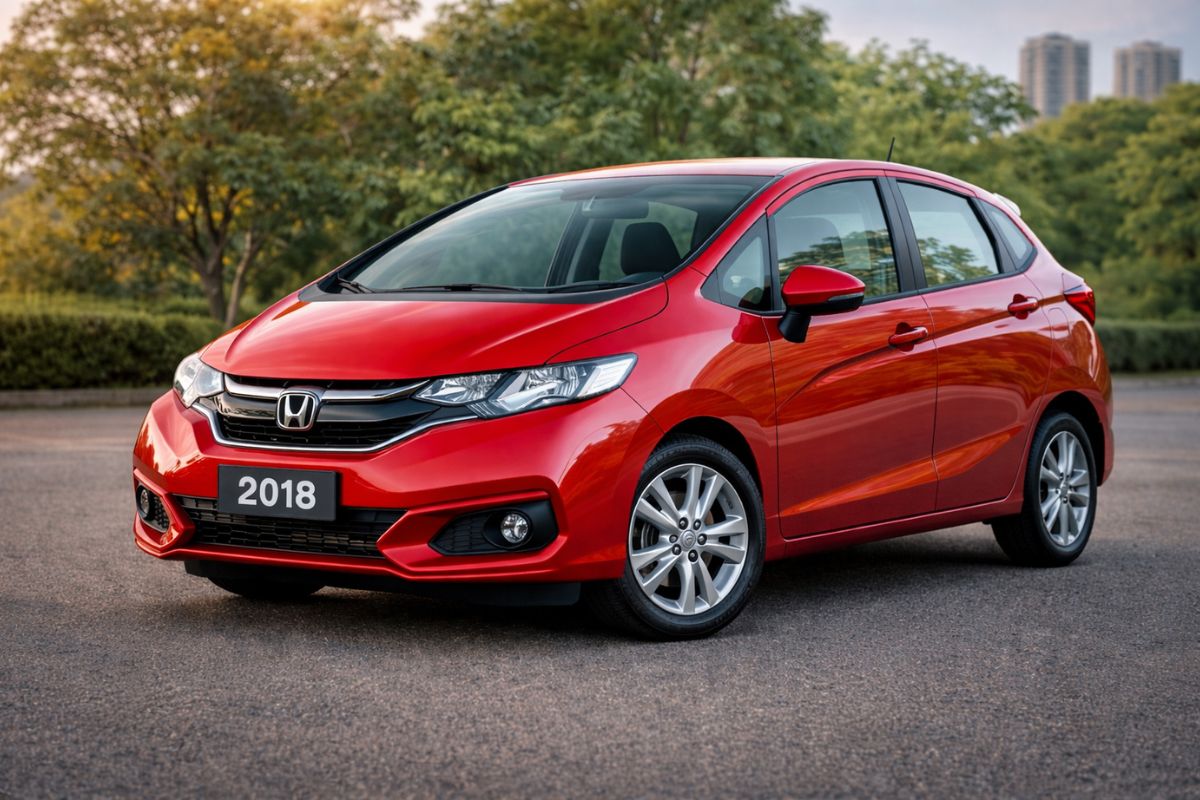
The Honda Fit has been discontinued for years, but the 2018 model is worth more today in the Fipe table than it cost brand new, proving that this used car, valued with a 1.5 i-VTEC engine and Magic Seat, only increases in price.
-
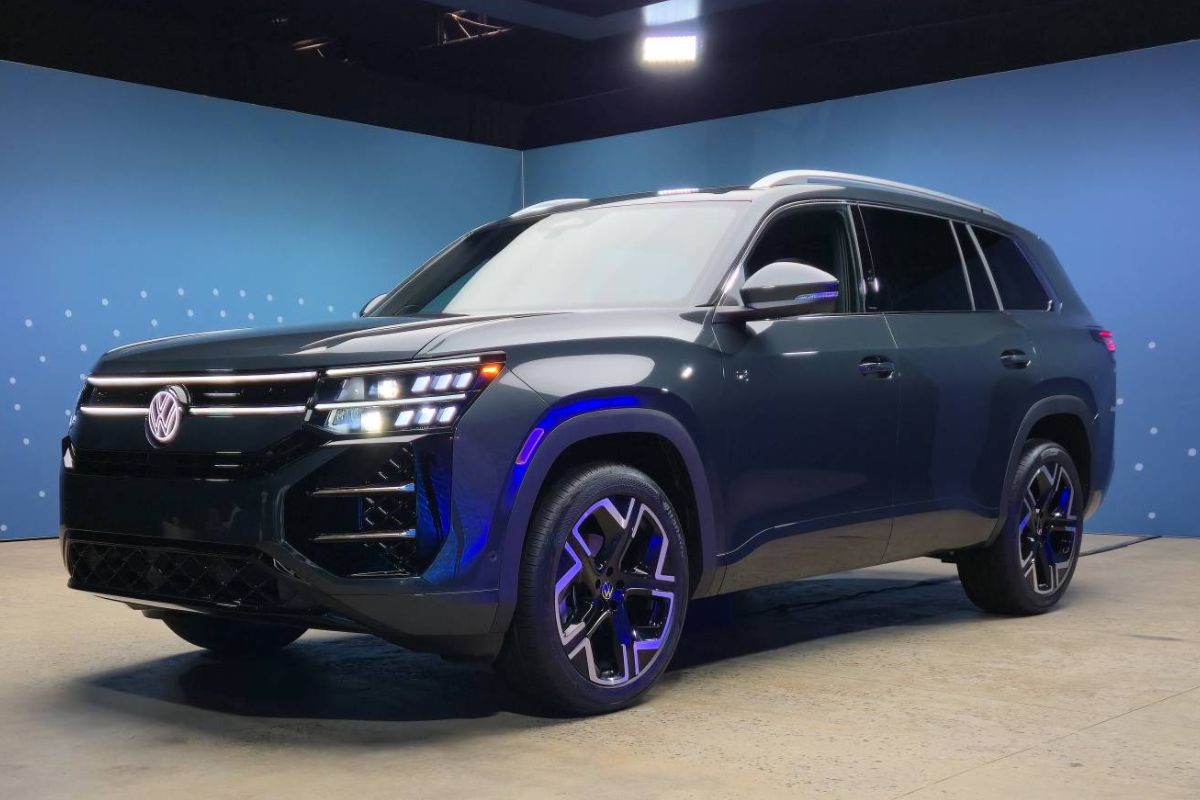
Volkswagen unveiled the 2027 Atlas with a 282-horsepower EA888 turbo engine, a 15-inch screen, massage seats, and a completely new interior to finally elevate the three-row SUV built on the MQB platform to a new level.
-
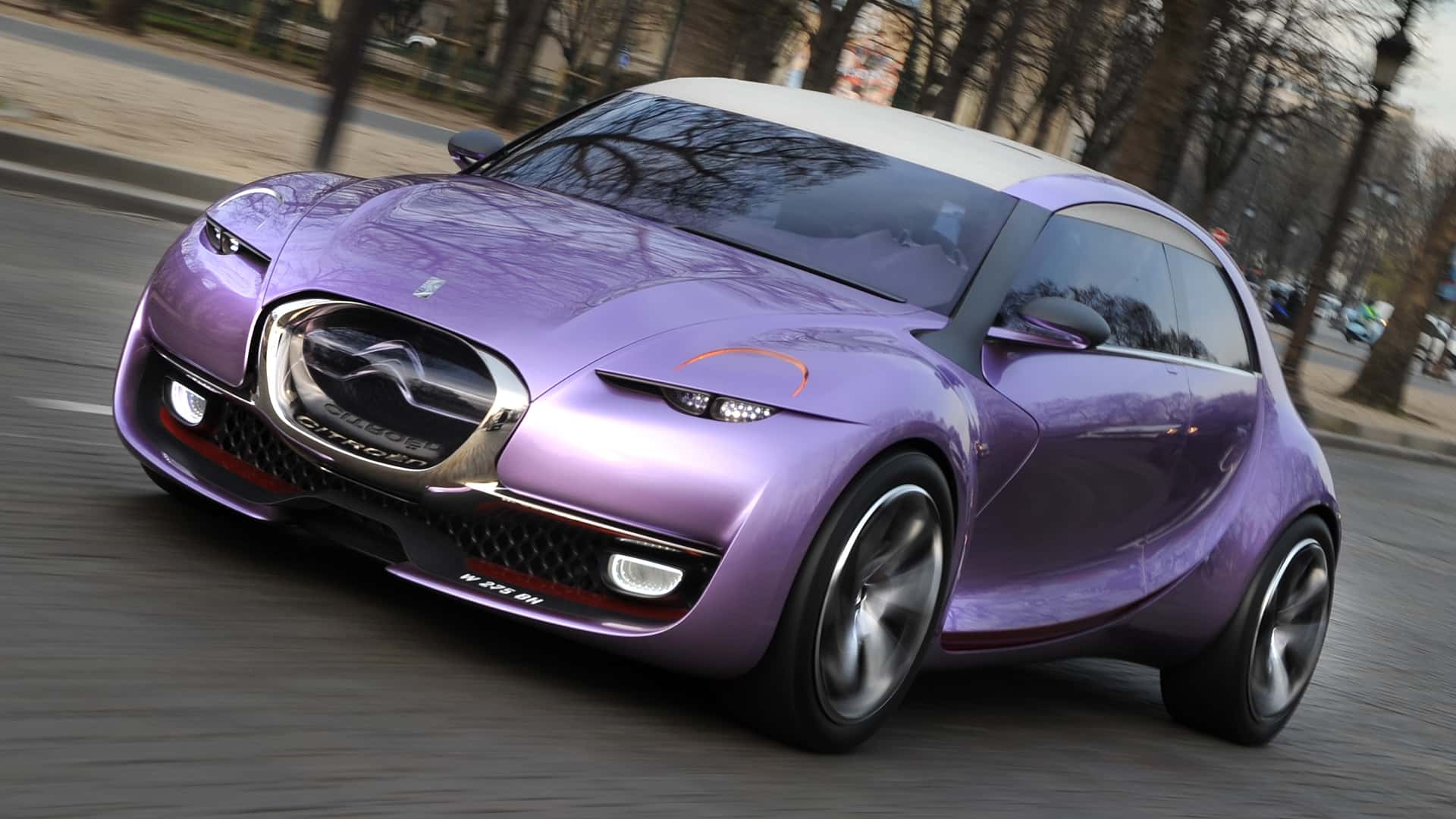
After decades out of the spotlight, Citroën is preparing to bring back the legendary 2CV as a low-cost electric vehicle, betting on the revival of one of the most popular cars in history and aiming to enter the race for affordable compact cars.
-
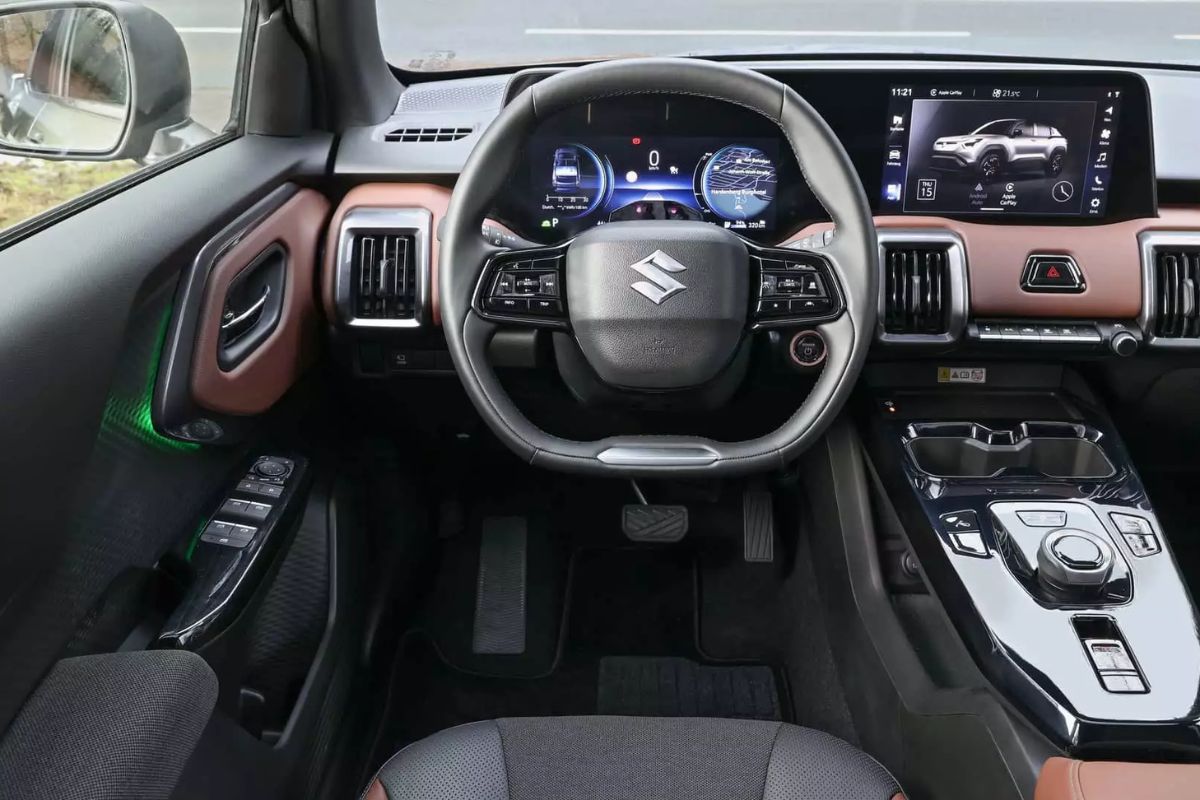
The 2026 electric Vitara arrives in Brazil and proves that Suzuki is not leaving: 4×4 traction, 184 hp, 61 kWh LFP battery, 293 km range, R$ 259,000, and a trunk capacity of 224 L.

What This Amount Buys In The United States
In the U.S., US$ 15 thousand does not represent a small or basic car. On the contrary. This amount is sufficient to acquire larger, more powerful, and better-equipped models, many of them classified as entry-level cars in the local market.
Here are some examples that help Brazilians understand this contrast.
Used Toyota Corolla: Mid-Sized Sedan Treated As Basic
With amounts close to US$ 15 thousand, it is possible to find used Toyota Corollas in good condition, with:
- 2.0 aspirated engine,
- automatic transmission,
- good safety and comfort package.
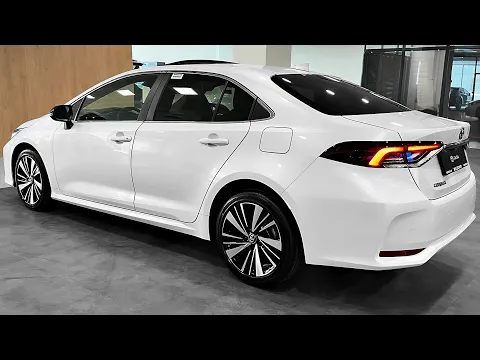

What is still seen in Brazil as a valued mid-sized sedan, in the U.S. is simply common daily use car.
Honda Civic: Entry-Level Car For Young People And Families
In the same price range, the Honda Civic appears as a natural alternative. In the United States, it does not carry premium status, being treated as a basic, reliable, and rational vehicle.
For Brazilians, it is curious to realize that the price of a national 1.0 hatchback allows access to a larger, more powerful, and better-equipped sedan in the American market.
Toyota Camry: The Cultural Shock
Perhaps the most striking example. With prices starting at US$ 15 thousand, the Toyota Camry emerges as a real option in the U.S. used car market.
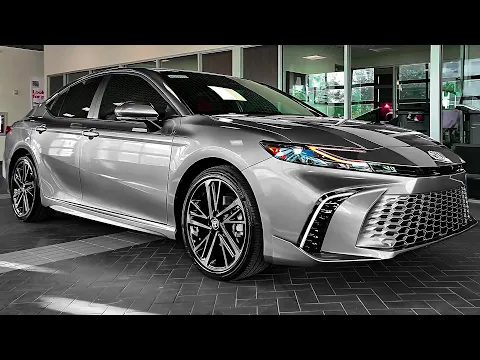
In Brazil, the Camry has always been seen as a niche or executive car. In the United States, it is just a common family car, used by millions of people.
Compact And Mid-Sized SUVs Come Into The Equation
The same budget also allows access to SUVs such as:
- Toyota RAV4,
- Honda CR-V,
- Ford Escape.
All treated as popular vehicles in the American market, something that strongly contrasts with the Brazilian reality, where SUVs still cost much more.
Pickups As Popular Cars: Something Unthinkable In Brazil
Another shock for Brazilians is discovering that medium and large pickups fall into this price range.
Models such as:
- Ford F-150 (used),
- Chevrolet Silverado (older versions),
- RAM 1500,
are considered common vehicles, used for both work and family purposes.
Why Is This Difference So Large
The explanation involves several factors:
- higher average income in the U.S.,
- lower vehicle taxes,
- historically cheaper fuel,
- abundant credit and low interest rates,
- a much broader used car market.
In the United States, the car is seen as a necessary good, not as a luxury item or social conquest.
What This Comparison Reveals To Brazilians
This comparison does not mean that Brazilians “pay wrong,” but shows how the economic and tax structure shapes the automotive market.
The same amount that buys the basic here allows access to larger, more comfortable, and more powerful vehicles there, not by miracle, but by economic context.
The ‘Shock’ Goes Beyond The Car
Discovering which cars a Brazilian could buy in the United States with the price of a national popular car is more than automotive curiosity. It is a reality shock.
While in Brazil the popular car is still compact and simple, in the U.S. the popular car is functional, large, and predictable, reflecting a society where the car does not need to be a status symbol — just a means of transportation.









-

-

2 pessoas reagiram a isso.