





 English
  Francês
  Alemão
  Italiano
  Japonês
  Norueguês
  Portuguese
  Spanish
  3 min of reading


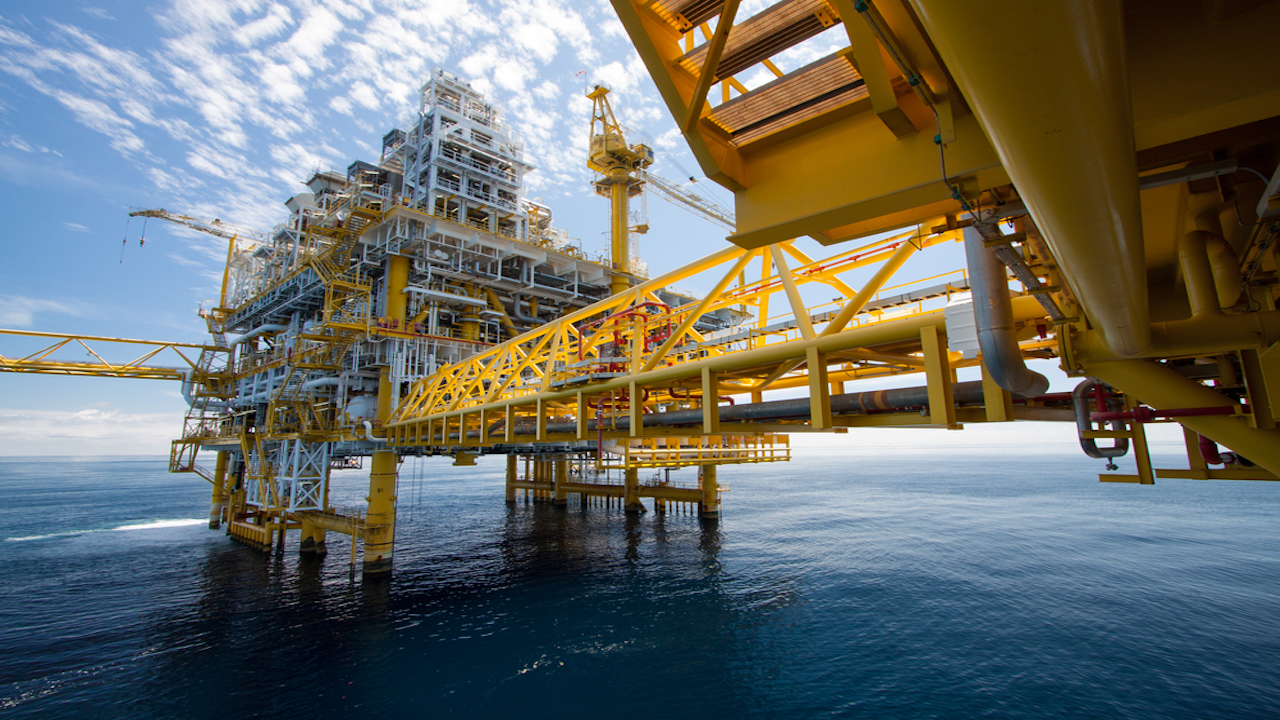
Wind Sector in the Country Has Potential for 50 GW in Onshore Generation and 1,000 GW in Offshore Installations; Oil and Gas Industry Will Further Contribute to the Energy Transition Process Through Technological Development
The expected perspectives and developments for the energy sector in the coming years were discussed last Sunday, on the final day of Rio Innovation Week. In the panel “Transformations in the Energy Sector,” the Corporate Executive Director of IBP, Fernanda Delgado, highlighted the importance of the oil and gas sector as a major generator of jobs, income, and revenue, as well as its role in the transformation of the energy matrix.
Also Read
- Construction works for Statkraft’s wind farm start in June in Bahia; complex will feature 163-meter Nordex turbines, will create many jobs, and supply 190,000 homes in the Northeast
- First Energy Capacity Reserve Auction Held in Brazil May Be Annulled Due to Disparities in Conditions
- Itaipu Hydroelectric Plant Reaches 66.3 Million MWh, Enough Energy to Supply Planet Earth for 19 Hours, Brazil for One Month and Seven Days, and Paraguay for Two Years and 11 Months!
- Construction works for the new Noemille ethanol plant will generate 1,500 job openings in MS; factory promises to process 1.2 million tons of corn per year, 550 million liters of ethanol, 105 GWh of energy, and 22,000 tons of oil
“The sector is responsible for a significant portion of GDP and understands it has a central role in decarbonization. It is aware of climate change and is preparing in that direction,” said Delgado.
The executive emphasized that the oil and gas industry will further contribute to the energy transition process, primarily through technological development. Fernanda Delgado mentioned initiatives such as the evolution of biorefineries, second-generation biofuels, and innovations in carbon capture, sequestration, and storage, in addition to synergy with other industries.
-
A study reveals the expansion of renewable energy procurement in Brazil and shows how companies are taking advantage of opportunities to reduce expenses, ensure energy efficiency, and strengthen strategic environmental commitments.

-
Mato Grosso do Sul excels in the sugar-energy sector: the state reaches a milestone of 22 operating mills and accelerates the production of clean energy in MS with a focus on sustainability.

-
National energy dilemma: Brazilians support clean energy but reject increases in tariff costs to finance the sustainable transition.
-
Research indicates that Brazilians support clean energy and wish to advance in the energy transition, but reject paying more on their electricity bill, showing a direct conflict between cost and sustainability.


“The oil industry is a major generator of technology, which overflows into the sector itself. It supports the wind and biofuels sector (biorefinery), for example. It is a prepared, capitalized industry that works hand in hand with the renewable industry to make this transformation,” said Delgado.
Elbia Gannoum, CEO of ABEEÓLICA – Brazilian Wind Energy Association – highlighted the growth of the segment in recent years, predicting significant increases in the future based on technological development.
Solar Energy Gains Strength, Reaches 13 GW of Installed Capacity, Almost One Itaipu in Energy, and Brazil Reaches 1 Million Consumers Served by Self-Generation
“In the last 10 years, we installed 10 GW [of wind generation capacity]. Today, in 2022, we are already at 21 GW, and in three years, we will install another 10 GW. This demonstrates the speed of implementation in the sector. Our contracting since 2018 has also grown, reaching 4 GW/year,” said Gannoum, emphasizing that the wind sector in the country has the potential for 50 GW of onshore generation and 1,000 GW of offshore installations. “We also have a national industry. About 80% of a wind turbine is made in Brazil. We have a strong production chain capable of meeting this demand,” he concluded.
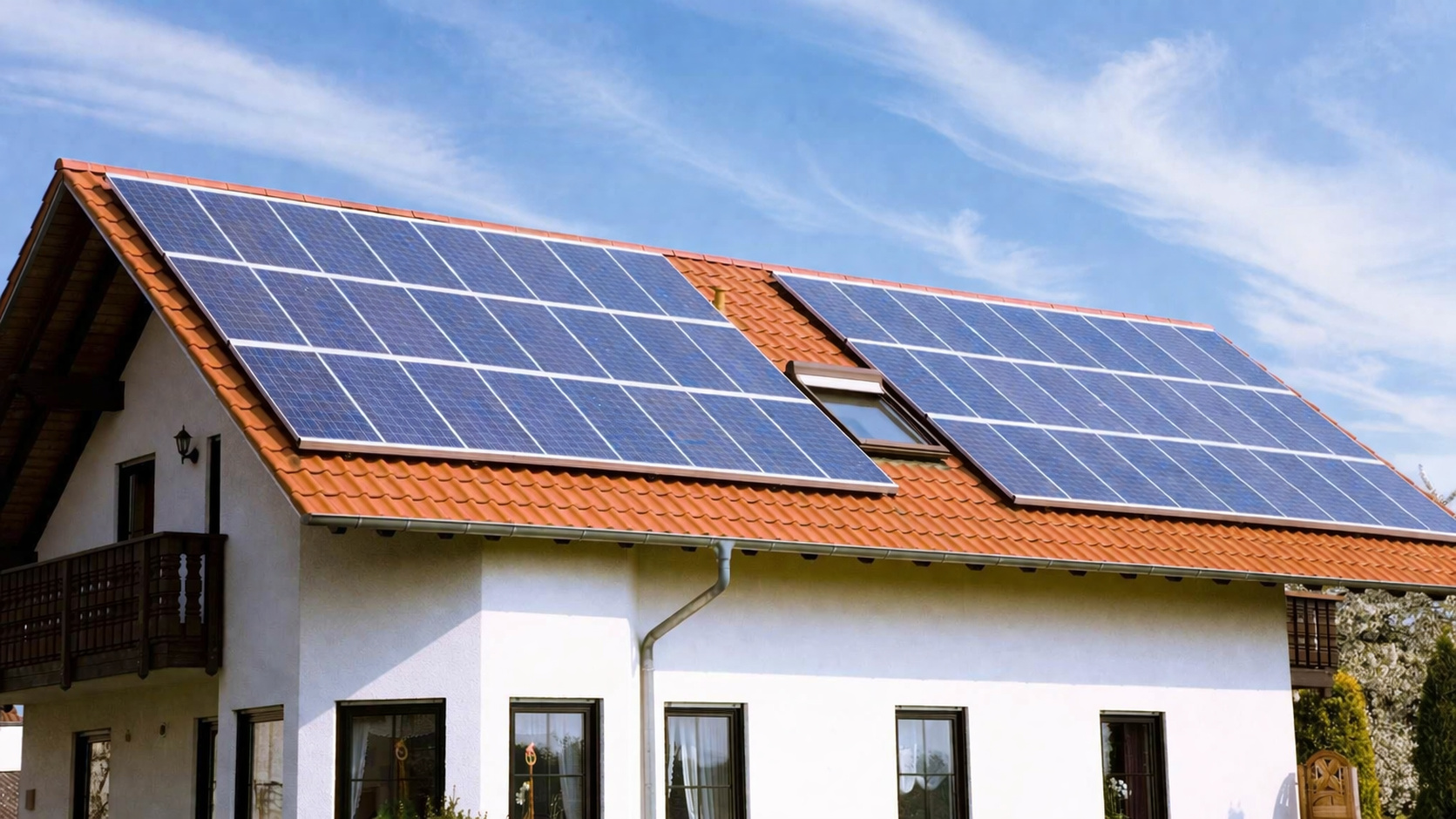
Rodrigo Lopes Sauaia, executive president of the Brazilian Solar Photovoltaic Energy Association (ABSOLAR), pointed out the technological evolution of the segment as a driving factor, making it more attractive and accessible. “With the evolution of technology, solar energy has become over 85% cheaper, becoming the cheapest source available in most of the world. Today, a solar energy system can be more easily accessed for installation, whether at home, in a business, or on a farm. In Brazil, we have 1 million consumers served by self-generated solar energy,” Sauaia revealed.
The executive emphasized that solar energy gains strength in the wave of diversification of the energy matrix and attributes this growth to technology and innovation. “We have about 13 GW of installed capacity today, almost one Itaipu in energy. The segment invests on average 3% of its revenue in innovation. Innovation is in our DNA,” emphasizes Sauaia.








Seja o primeiro a reagir!