





 English
  Francês
  Alemão
  Italiano
  Japonês
  Norueguês
  Portuguese
  Spanish
  3 min of reading


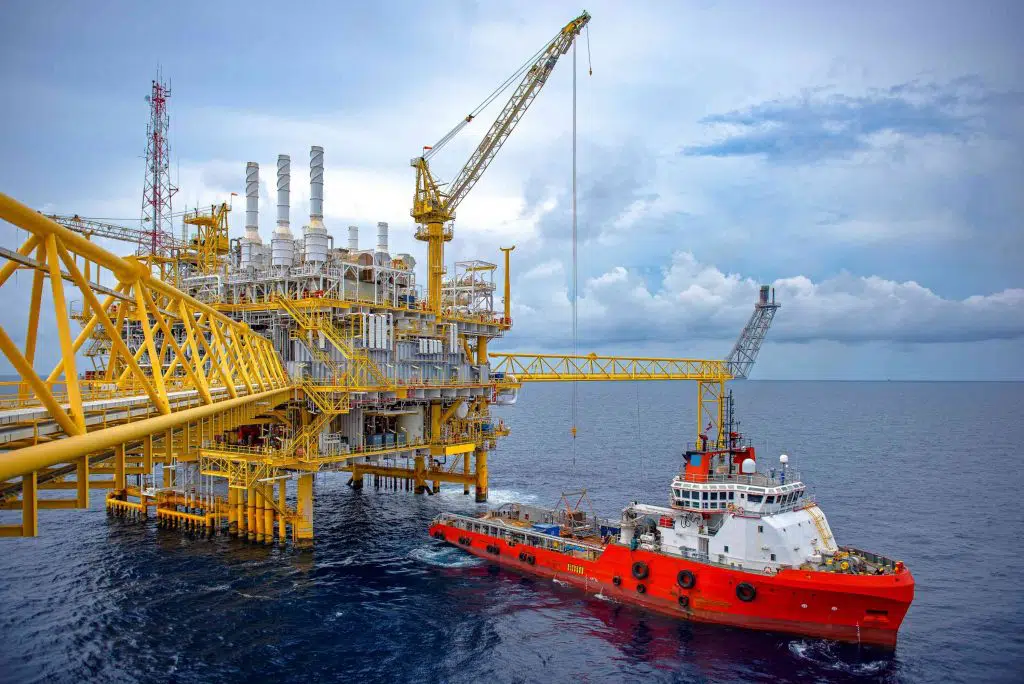
After The Conflict Between Russia And Ukraine, The Oil Barrel Price Reached US$ 100, Raising The Discussion On The Impact That This High Would Bring On Offshore Platforms
With the rise in the price of oil barrels, issues such as the impact on the demand for offshore platforms have begun to be discussed. This discussion occurs because offshore platforms, unlike onshore ones, involve more extensive planning, such as obtaining licenses, verifying platform availability, bidding, among others. Consequently, a large part of the offshore contractors expects a short-term increase in the demand for platforms.
However, exploration and production companies are making short to medium-term plans at oil barrel prices of US$ 80, a value well above what has been seen in the market for years. Thus, the expectation is that the high demand for rigs, which has been ongoing since last year, will continue to rise.
The high demand for offshore platforms with the increase in the price of the oil barrel in the market has improved the usage of drillships in the U.S. Gulf of Mexico and South America, as well as jackups in the Middle East.
-
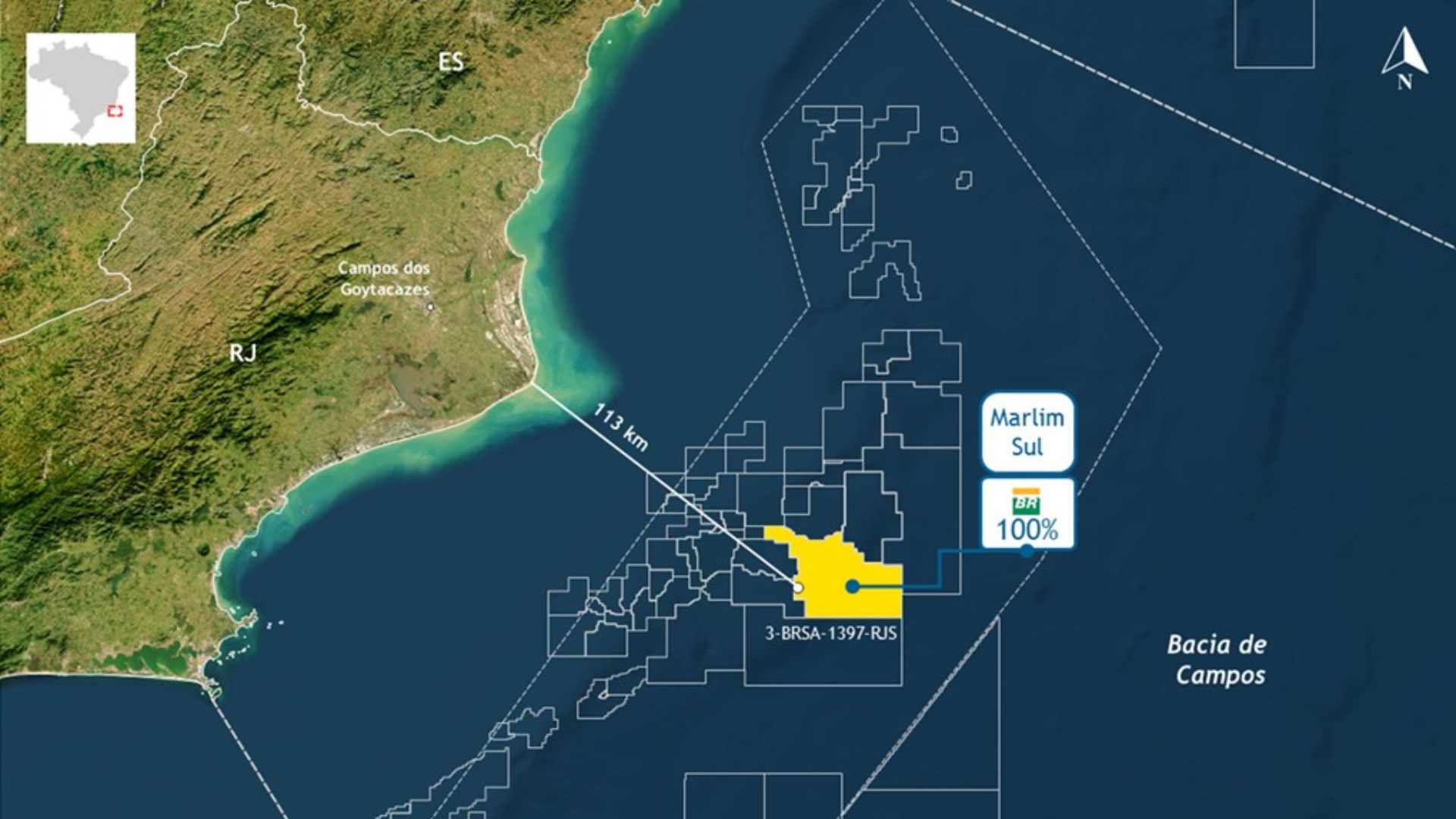
Petrobras finds high-quality oil in the pre-salt at 113 km from RJ and reignites expectations about strategic reserves in the Campos Basin.
-
Ocyan opens registrations for startups focused on innovation in the oil and gas sector and will select projects for Innovation Day with the support of Nexio.

-
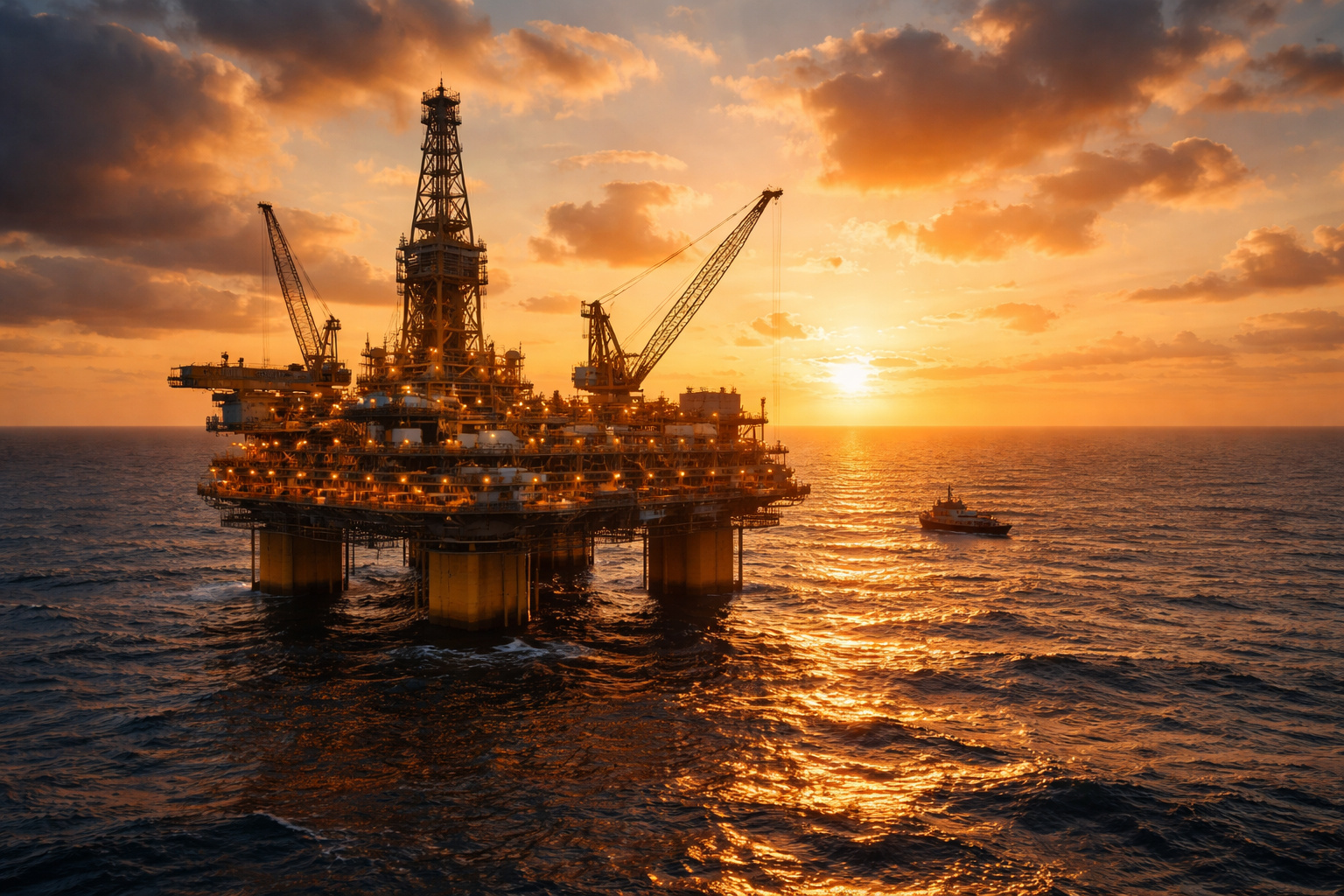
Petrobras announces new oil discovery in the pre-salt of the Campos Basin and reinforces Brazil’s prominence with high-quality reserves that can increase production and energy revenues.
-
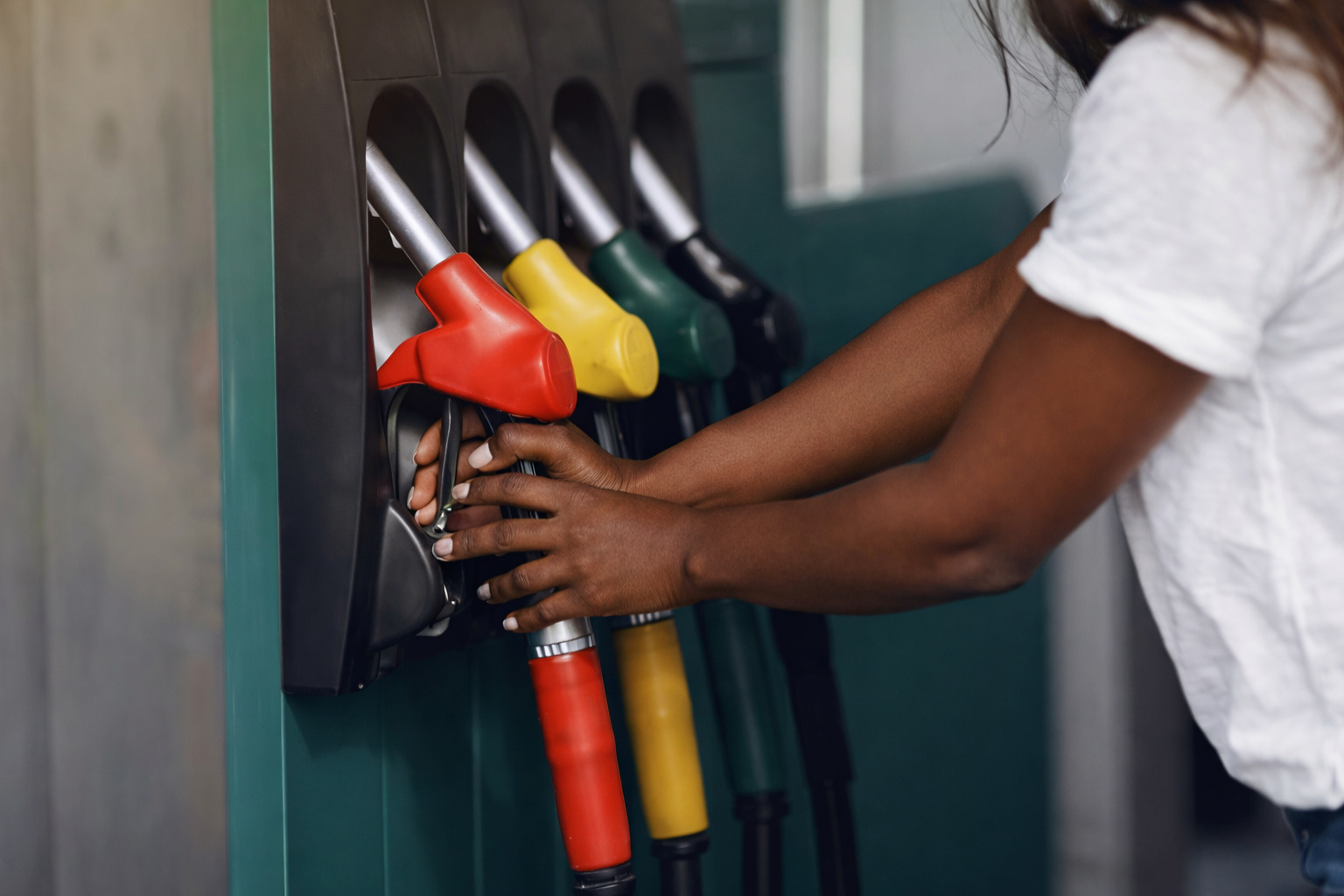
Alert in the fuel market: Analysts and a former director of ANP warn that oil prices may worsen in the coming months due to global instability.
Regions That May Boost In Response To Energy Security Concerns
The region leading this list includes the countries operating in the North Sea/Barents region. This area has seen many oil wells drilled in recent years. The expectation is that near-field opportunities will be found, in addition to accelerating the development of some projects, so that exploration and production companies can assist in the energy security of various countries and benefit from the current pricing environment.
According to Esgian Rig Analytics, eight oil drilling campaigns with expected start dates by 2024 are in the pre-bid or bidding process for the North Sea region, while another 26 programs are still in planning but may advance to bidding.
Furthermore, there is a suggestion that some already proposed projects may be revisited according to the criterion of increasing focus on energy security. For example, the Cambo project, located in the west of Shetland in the United Kingdom. At the end of last year, Shell decided not to move forward with the project, but sources indicate that the decision is currently being reviewed.
According to Esgian, due to the large market of the North Sea, nearby countries may look to West Africa to meet their energy needs, which would lead to an increase in well drilling activity in a region that has recovered slowly after the downturn of 2014. Namibia is a country that has been under observation after TotalEnergies announced the “significant discovery of light oil with associated gas” in its Venus prospect in February.
In addition to Namibia, Australia is another country that may see an increase in demand for offshore platforms with the rise in oil barrel prices. Australia accounts for the majority of rig demand on the continent. In total, there are over 115 years of global rig work being auctioned with projected starts by 2024.
However, not all projects will be awarded as planned. Some projects may be canceled or delayed due to rising costs, lack of availability of the appropriate platform, shifting focus of many exploration and production companies, and lack of financing. Even so, the expectation is that due to the increase in the price of oil barrels, there will be an increase in demand for offshore platforms in the short to medium term, with recognition from exploration and production companies and governments about the importance of hydrocarbons in the energy transition and their necessity for energy security.








Seja o primeiro a reagir!