





 Portuguese
  English
  Spanish
  5 min of reading
  0 comments


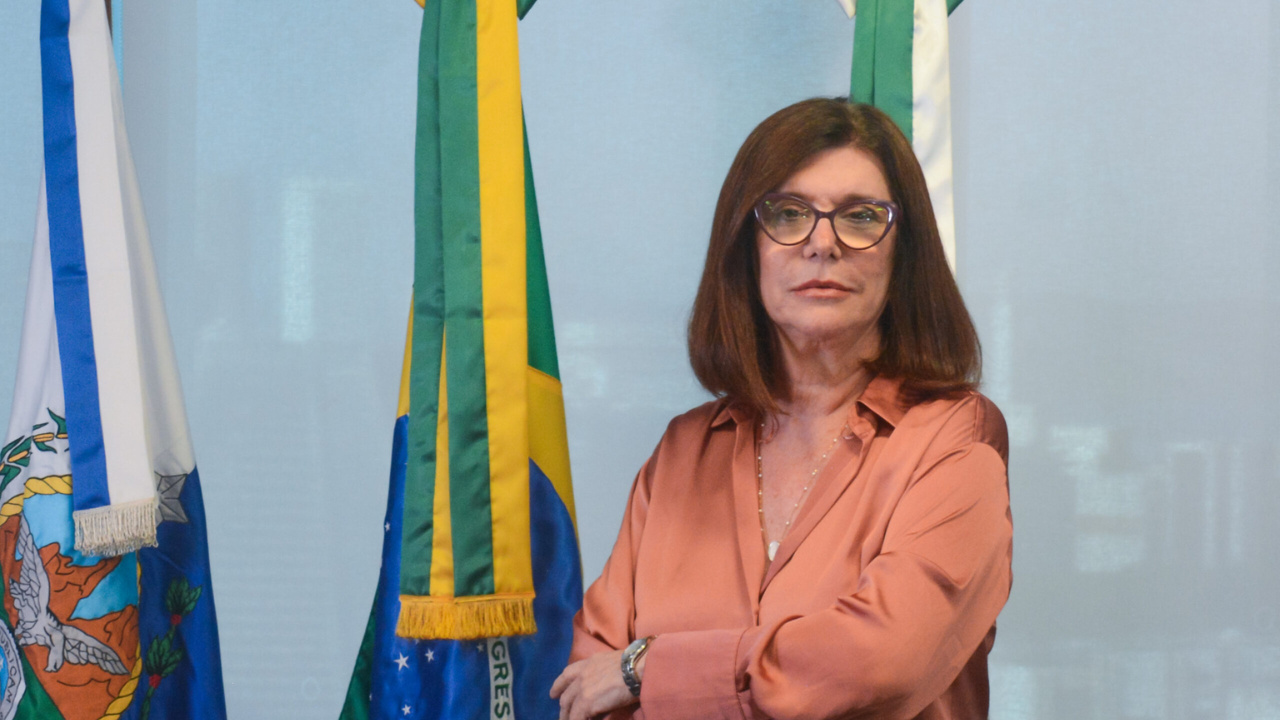
In Light of the Fall in Oil Prices, CEO of Petrobras Warns of Risks to the Sector, Criticizes Current Taxation, and Proposes a Countercyclical Model to Ensure Competitiveness.
The strong fluctuation in the price of oil has once again raised concerns in the global industry and reignited the debate over costs, taxation, and the financial sustainability of Brazilian oil companies.
This warning was issued by the CEO of Petrobras during the PRIO Conference, an event organized by PRIO in collaboration with Brazil Journal, in Rio de Janeiro. The executive provided a straightforward reading of the current scenario and emphasized that the moment requires capital discipline, financial responsibility, and regulatory adjustments aligned with the market cycle.
With the barrel currently traded at levels significantly lower than those recorded in the past, the executive stated that the industry is facing a critical phase, with direct impacts on investments, production, and revenue.
-
The rise in oil prices could ensure an extra revenue of R$ 100 billion for the Federal Government, indicates a recent economic study.

-
Naturgy begins an investment of R$ 1.6 million to expand the gas network in Niterói and benefit thousands of new residences and businesses.
-
A major turn in the Justice system suspends tax increases and directly impacts oil and gas companies in Brazil by affecting costs, contracts, and financial planning, leaving uncertain what could happen to the sector if these costs had increased.

-
Brava Energia begins drilling in Papa-Terra and Atlanta and could change the game by reducing costs in oil while increasing production and strengthening competitiveness in the offshore market.
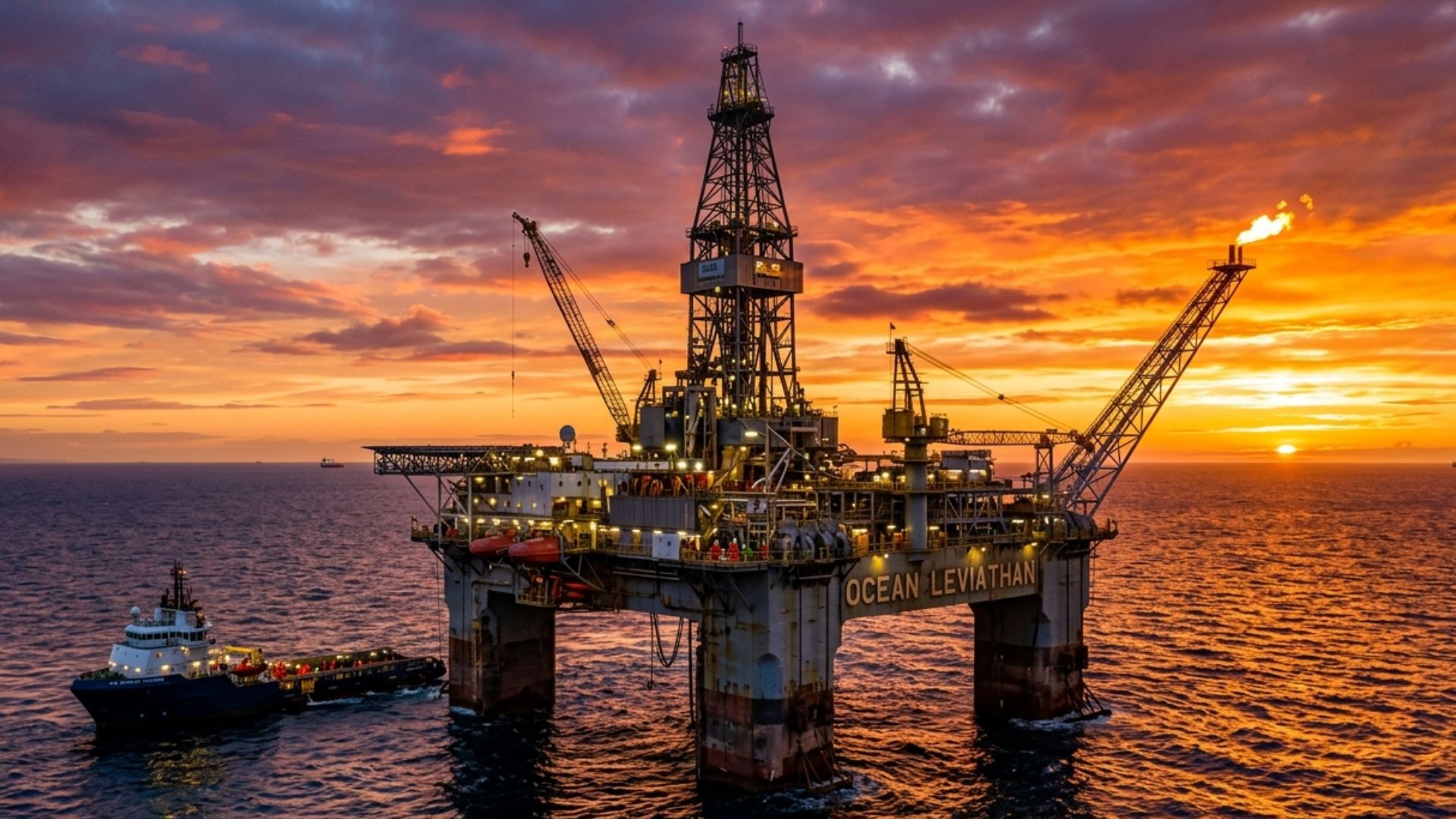

Fall in Barrel Prices Evidences New Oil Cycle
During her presentation, the CEO contextualized the structural change in the global oil market. According to her, about ten years ago, the barrel reached US$ 120. Currently, it hovers around US$ 62 and may fall even further in the next period.
“After hitting US$ 120 ten years ago, the barrel of oil today trades around US$ 62 and, ‘next year, it threatens to hit US$ 50,’” she stated.
She also highlighted the recent comparison. “We are at 75% of the oil price we had a year ago when the barrel was at US$ 83. Our compensation has reduced significantly, and if we don’t do a strong job of cost reduction, tightening, and financial responsibility, we will fail,” said the CEO.
Strategic Importance of Oil for Brazil
When addressing the macroeconomic repercussions, the executive made a broader warning. For her, the weakening of the industry does not only affect companies but also jeopardizes national energy security.
“But if the oil industry fails, what will fail is Brazil, because 44% of all primary energy in the country comes from us.”
This structural dependence reinforces, according to her, the need for public policies more sensitive to oil price cycles, avoiding decisions that increase risks during downturns.
Countercyclical Taxation Proposal Draws Attention
At the conference held at PRIO’s headquarters, the CEO advocated for the adoption of a countercyclical taxation model. To illustrate, she cited the example of the United Kingdom in the North Sea.
According to her, in that country, taxes paid by oil companies vary according to the sector’s moment. In periods of high oil prices, the tax burden increases. In downturns, the government reduces the tax incidence.
“If there’s a shortage of money for everyone and they come to look here [in the oil sector], they need to come with a lot of moderation and responsibility,” said the executive.
Criticisms of the MP That Changed the Royalty Calculation
Another central point of the speech was the criticism of Provisional Measure 1304, which raised the reference price of Brent for calculating royalties paid by oil companies to the Union, States, and municipalities.
“This MP bothered us a lot,” she stated.
She noted that the change in the reference price is not inherently negative. “The increase in the reference price is not necessarily bad. I was the one who started this back then [when I was a director at ANP], but it was related to the pre-salt,” she said.
However, she emphasized that regulation must keep pace with historical context. “But regulation must be dynamic and keep up with the historical moment it is regulating. Back then, the barrel price was at US$ 120. Today, it’s at US$ 62. That’s half the value.”
Regional Differences in Extraction Costs Raise Concerns
The CEO also pointed out that tax decisions affect producing regions in different ways. According to her, the impact on the pre-salt is different from that observed in more mature areas.
“According to her, raising the tax in the pre-salt, which produces a lot, is one thing. ‘But if we raise it in the Campos Basin [which has a higher extraction cost], we will harm many projects. If we do this with gas, we will not have gas development. It’s not viable.’”
These cost differences make the debate over oil even more sensitive from a regulatory standpoint.
Exploration and Reserve Replenishment Enter the Radar
Beyond the fiscal discussion, the executive emphasized the need to intensify exploratory campaigns. According to her, the replenishment of reserves directly depends on new exploratory efforts.
“And the maximum we are looking at is the Equatorial Margin and the Pelotas Basin… Who discovers oil is the drill: we have to drill and we have to hope, because it’s not liquid and certain. We need to diversify exploration.”
In this sense, geographic and technical diversification emerges as a strategy to maintain long-term balance in oil production.
Energy Transition Faces Financial Return Challenges
When addressing the energy transition, the CEO was straightforward in pointing out the economic limitations of some renewable projects. According to her, the internal rates of return are still low in several segments.
“Who will pay for a solar project with a 10% IRR? No one pays that. Who will pay for a wind project with an 11% IRR? Or a hydrogen project that doesn’t have an offtake contract? No one pays,” she said.
She did highlight, however, relevant exceptions. “Now, ethanol has projects hitting 15%. Then it starts to look good. There are biodiesel projects that are equally good. Those can be paid for.”
Even so, the executive reaffirmed that Petrobras’s goal is to gradually increase the share of renewable sources. According to her, the intention is for these sources to represent one-third of the energy generated by the company by 2050, against a still small share today, while keeping oil as the central axis of the matrix in the medium term.







-

Uma pessoa reagiu a isso.