





 Portuguese
  English
  Spanish
 5 min of reading
  2 comments


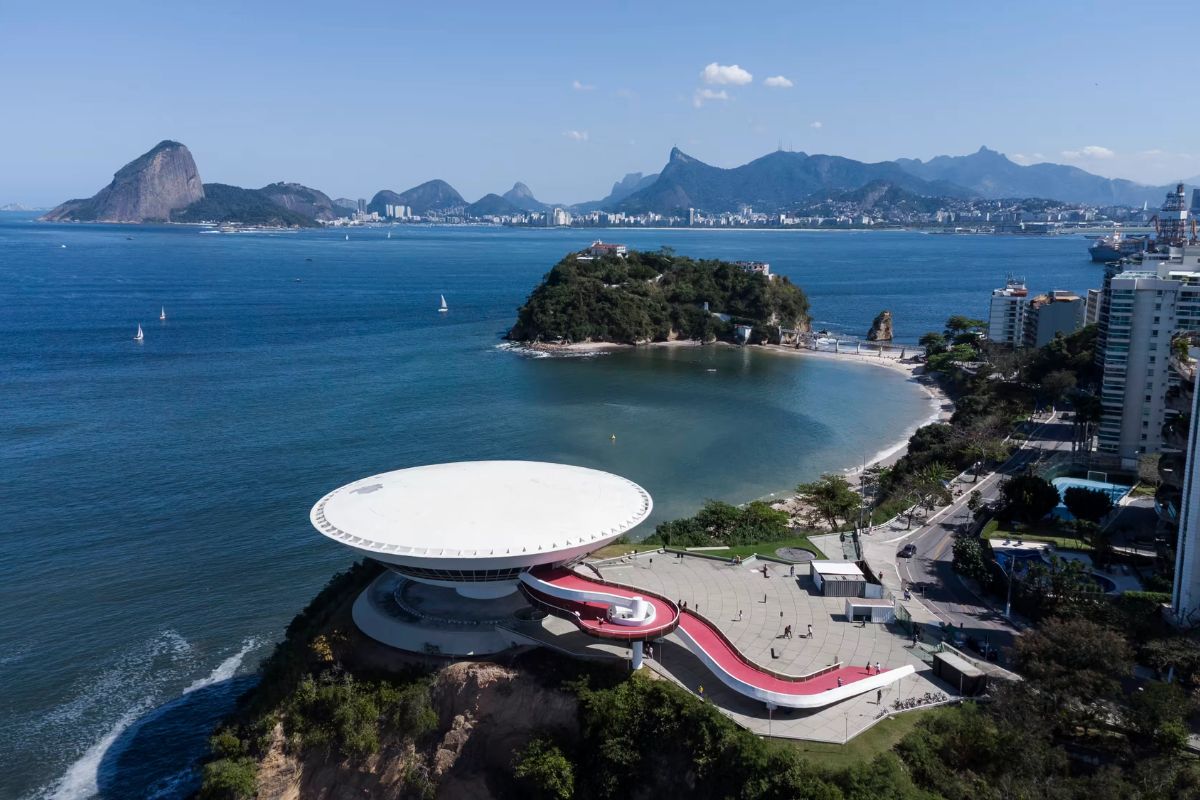


Brazilian City Next to Rio de Janeiro Combines Quality of Life, Safety, Good Infrastructure, and One of the Most Memorable Sunsets in the Country
Located in the metropolitan region of Rio de Janeiro, Niterói is a Brazilian city that has established itself as a synonym for balance between urban life and contact with nature. With beaches facing Guanabara Bay, lookout points in forested areas, and open views of Sugarloaf Mountain and Christ the Redeemer, the municipality offers a daily life where the tourist scenery is part of the routine for both residents and visitors.
While welcoming visitors year-round, the Brazilian city attracts new residents interested in quality of life, above-average safety in the state, good service infrastructure, and a rare set of urban and natural attributes. Among busy waterfronts, parks, museums, and planned neighborhoods, Niterói strengthens itself as a real alternative for those who want to be close to Rio but with its own pace.
The Brazilian City That Faces Rio Directly

Niterói occupies a strategic position in Guanabara Bay, on the opposite side from Rio de Janeiro.
-
How 5,000 Indian dabbawalas manage to deliver around 200,000 lunchboxes a day in Mumbai for over 130 years using bicycles, crowded trains, and a manual system that continues to operate with impressive accuracy.

-
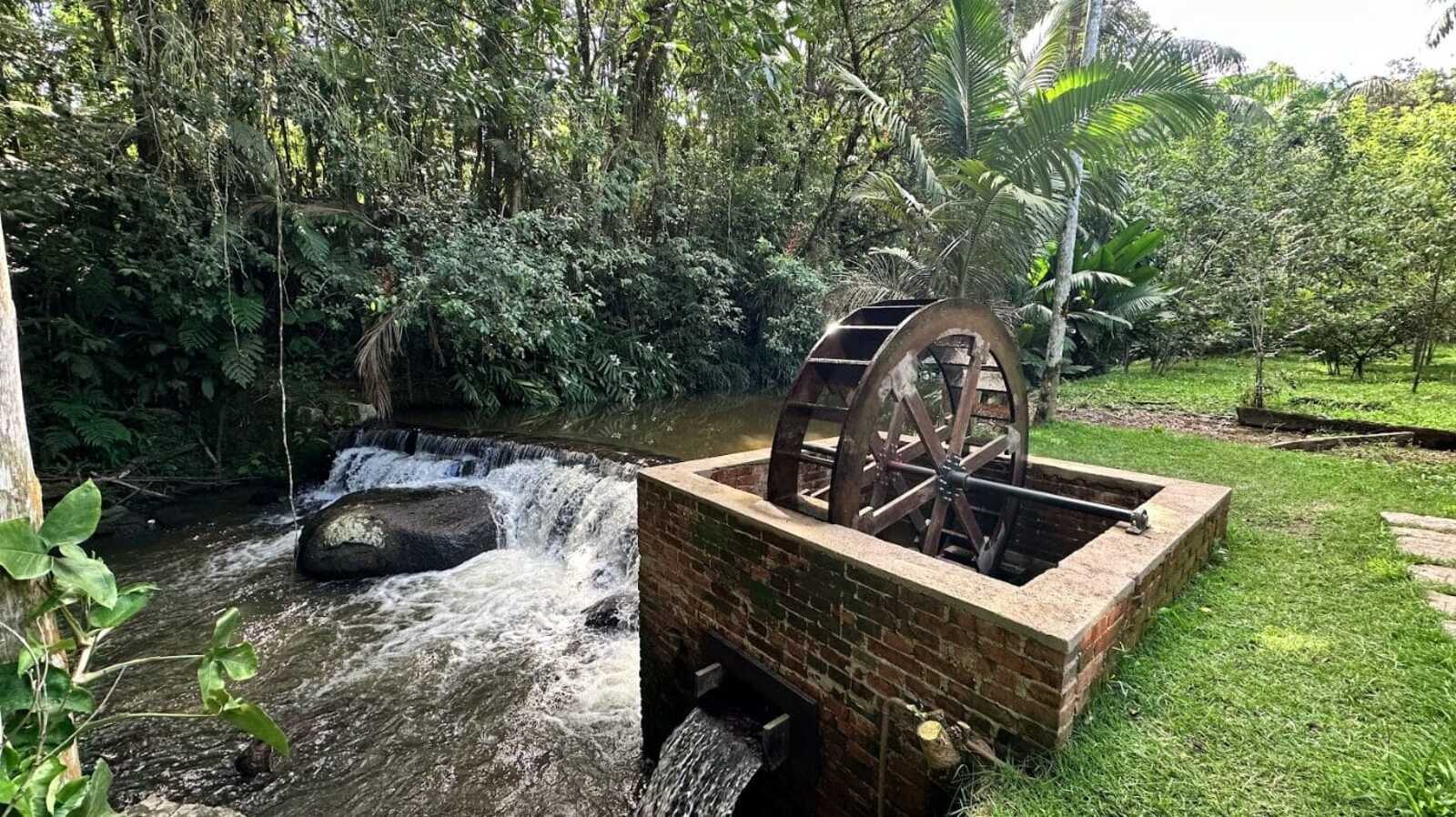
While restoring a historic mansion from 1910, a brick structure with an old turbine that generated energy from the Rio do Testo emerged, along with a hidden door and a rare floor concealed under layers of wax.
-
Italian researchers have detected what appears to be a second Sphinx buried under the sands of Egypt, and satellite scans reveal a gigantic underground megastructure hidden beneath the Giza Plateau for over 3,000 years.

-
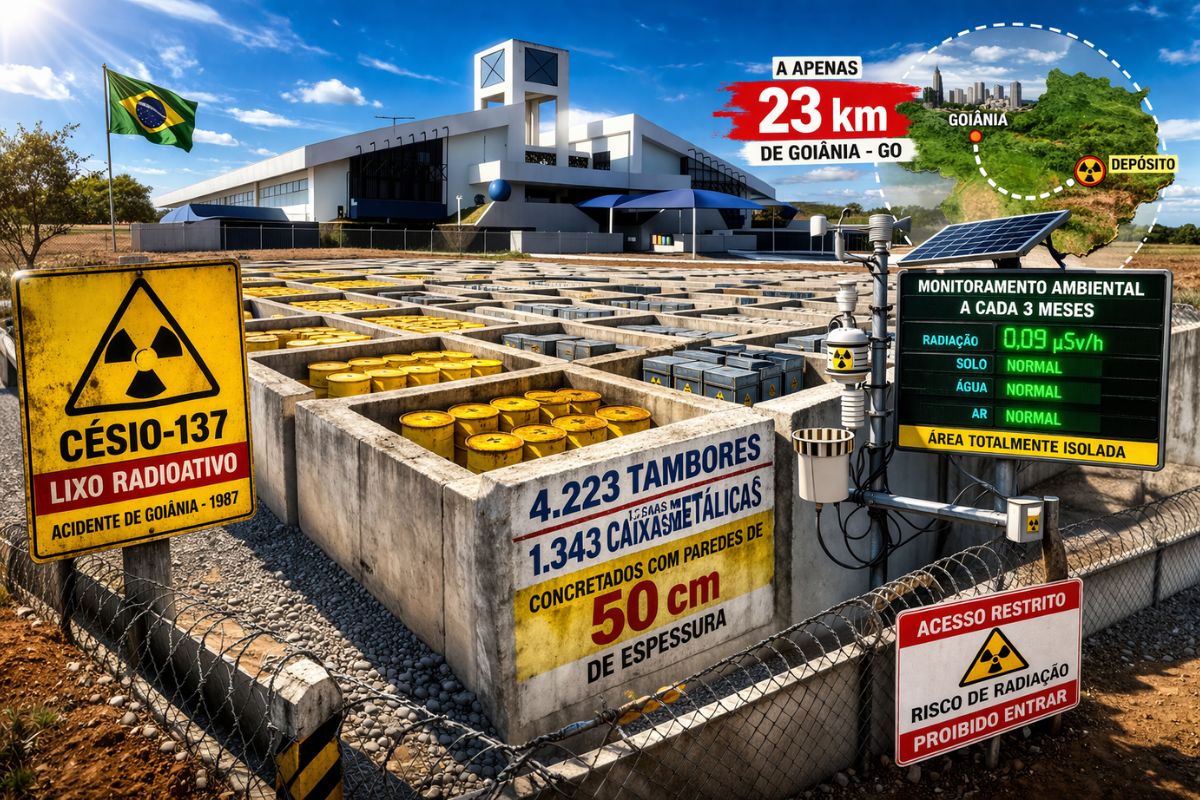
There are 4,223 drums and 1,343 metal boxes concreted with 50-centimeter walls that store the radioactive waste from Cesium-137 in the worst radiological accident in Brazil, just 23 kilometers from Goiânia, with environmental monitoring every three months.

This Brazilian city stands out for combining modernity, culture, and nature in a compact territory, with a strong residential and tourist vocation.
From the waterfronts of neighborhoods like Icaraí, São Francisco, and Charitas, the horizon is dominated by the outline of Sugarloaf Mountain, the silhouette of Christ the Redeemer, and the constant movement of boats in the bay.
Few Brazilian cities offer such a broad natural viewpoint of another large urban center, which helps to explain the visual and real estate appeal of the region.
Quality of Life, Safety, and High Infrastructure

Niterói is frequently cited among the cities with the best quality of life in the state of Rio de Janeiro.
This Brazilian city combines good urban infrastructure, high-standard health and education services, and safety indexes considered above average for the metropolitan region.
Neighborhoods like Icaraí, São Francisco, and Charitas concentrate residential buildings, diverse commerce, schools, clinics, and leisure options.
The feeling of an organized and relatively safe city, especially in tourist and residential areas, sustains the interest of families looking to live near the capital but in a more controlled environment.
The cost of living is high compared to other municipalities in the state, but it accompanies the quality of services and real estate appreciation.
Beaches, Lookouts, and Postcards of Niterói
The tourist appeal of the Brazilian city is directly linked to the set of beaches and lookouts facing Guanabara Bay and the open sea.
Niterói features stretches of urban waterfront, ideal for walking and sports, and more preserved sandy areas sought after by surfers and bathers looking for contact with nature.
Among the main points of interest are:
Contemporary Art Museum (MAC), designed by Oscar Niemeyer, which has become the city’s main postcard and one of the most photographed buildings in Brazil
City Park, a lookout in an elevated area, from where it is possible to observe the complete outline of the bay, Rio de Janeiro, the open sea, and the sunset that has made the Brazilian city a reference in panoramic images
Itacoatiara Beach, characterized by strong waves, rocky cliffs, and an intense natural environment, closely associated with surfing and trails in forest areas
Camboinhas Beach, with calmer waters and a family-friendly atmosphere, sought by those looking to swim and benefit from kiosks by the beach
Santa Cruz da Barra Fortress, a historical point with a strategic view of the bay entrance and Sugarloaf Mountain
São Bento Field, an urban park used for family leisure, walks, and cultural fairs
The combination of sea, lookouts, architectural heritage, and green areas helps keep Niterói prominent in the state’s internal tourism.
Climate and Best Time to Visit the City
The predominant climate in Niterói is tropical coastal, with hot and humid summers and mild winters.
According to recent meteorological surveys, average temperatures vary approximately between 20 °C and 31 °C throughout the year, with high thermal sensation in the hottest months.
In summer, between December and March, the Brazilian city registers hot days, high humidity, and occasional rain, a scenario that favors beach programs, seaside events, and more intense nightlife.
Between April and September, the climate tends to become drier with mild temperatures, a period considered ideal for those who prefer to enjoy lookouts, trails, and urban tours with less rainfall and greater thermal comfort.
In general:
- April to September is the most suitable period for cultural tourism, lookouts, and outdoor walks
- December to March favors those seeking a full summer, festivals, and activity on waterfronts and bars
The “Smile City” and Niemeyer’s Legacy
Niterói is known as the “Smile City”, a label associated both with the coastal lifestyle and the well-being perception of its residents.
This Brazilian city also houses the Niemeyer Path, the second-largest collection of works by architect Oscar Niemeyer in the world, surpassed only by Brasília.
Among frequently highlighted facts are:
The Contemporary Art Museum (MAC) as an icon of the urban landscape and a reference of contemporary architecture
More than 10 kilometers of waterfront with a direct view of Rio de Janeiro
Niterói’s position among the best human development indexes in the state
The historical role as the former capital of the State of Rio de Janeiro until the mid-1970s
The combination of political history, architectural relevance, and its own cultural identity reinforces the city’s status as a regional hub that goes beyond the role of a dormitory municipality for the capital.
Why This Brazilian City is Special to Live and Visit
Niterói stands out as a Brazilian city that combines beach, lookouts, contemporary architecture, and high-level urban services.
For visitors, the municipality offers a compact itinerary that includes the sea, museums, fortresses, and one of the most renowned sunsets in the country, especially from City Park and points along the waterfront.
For those considering living there, the Brazilian city presents:
- Immediate proximity to Rio de Janeiro, via bridge or ferries
- A well-established structure of health, education, and commerce in central and upper-middle-class neighborhoods
- Residential environments with a family profile and good outdoor leisure options
- A sense of security that is relatively higher than the metropolitan average, especially in more structured areas
This mix of organized urban daily life, the sea always in view, and the cinematic landscape of Guanabara Bay makes Niterói a unique case on the Brazilian map.
In your opinion, what weighs most in choosing a Brazilian city to live or visit: quality of life, beauty of landscapes, or ease of access to a major capital like Rio de Janeiro?







Niterói, meu país 👍
Rio de janeiro segura? E das facções não fala nada?