





 Portuguese
  English
  Spanish
  6 min of reading
  0 comments


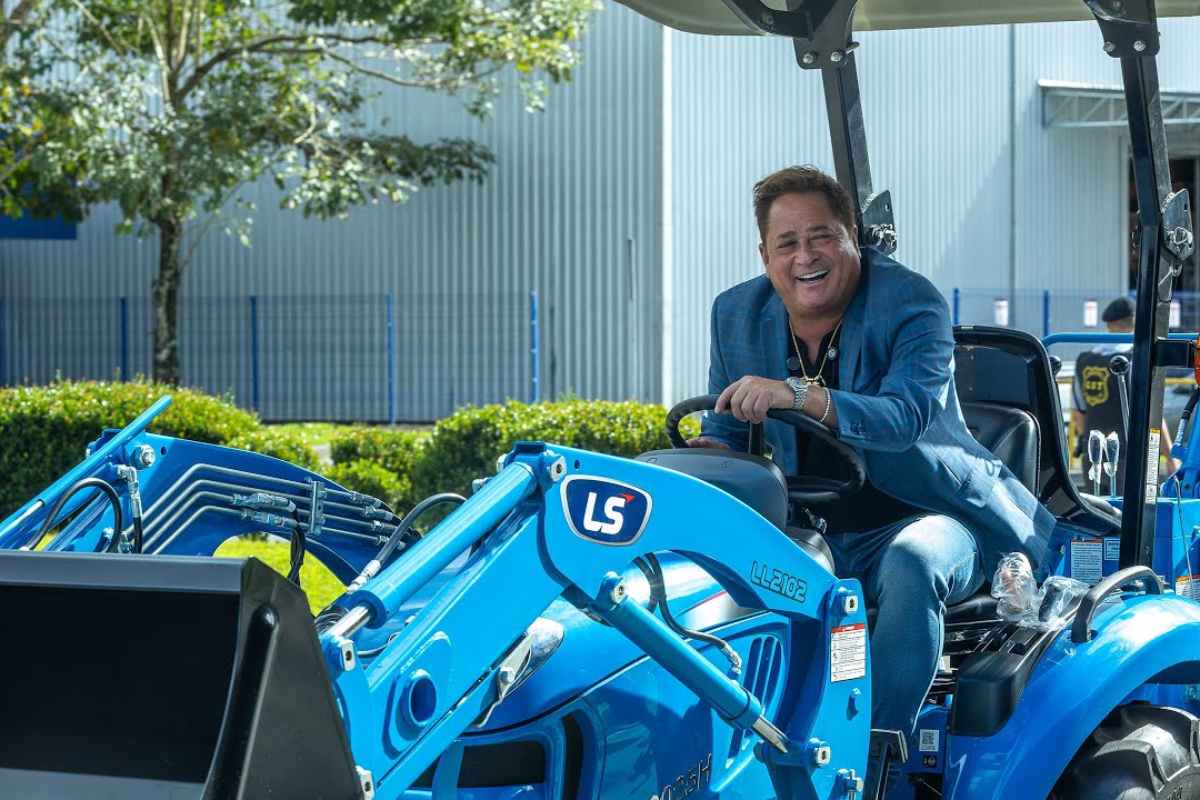
With Series Production of Tractors, Giant Stock of Parts for Brazil and Latin America, and Individual Testing on Each Machine, Leonardo’s Visit to the LS Tractor Facility in Garuva Shows How National Assembly Supports Reliability, After-Sales Service, and Surprise for the Rural Producer in the Field Today
Those who only see tractors crossing the fields do not imagine what happens before the machine arrives at the farm. In Garuva, in the North of Santa Catarina, the LS Tractor factory transforms bare chassis into complete equipment in a timed flow, where each stage has a clear function and results measured in minutes.
It was this industrial background that singer Leonardo got to know as he walked through the facility, between administration, parts stock, and assembly line. From the air-conditioned cabin that became the “room” of a worker to the cart that moves every 18 minutes, the visit showed how the combination of South Korean technology with tractor assembly in Brazil became a direct competitive asset for the rural producer.
Full Office, Producer at Home, and Tractors at the Center of the Conversation

The report followed Leonardo through the administrative buildings, where commercial, fiscal, accounting, financial, and after-sales areas operate.
-
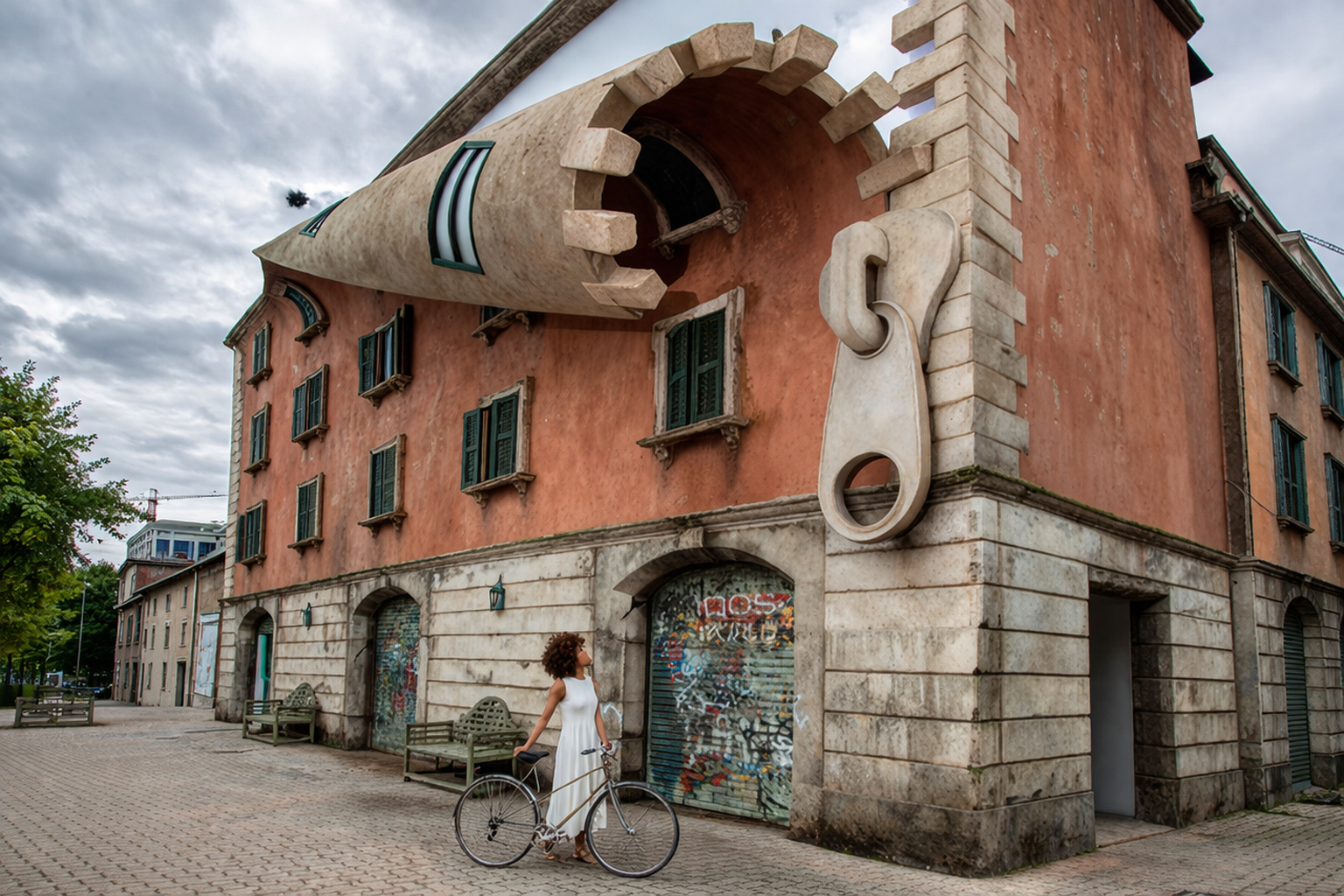
With a façade that resembles a giant zipper, the building in Milan creates a sense of strangeness, featuring lighting that transforms engineering and attracts the attention of residents and tourists.
-
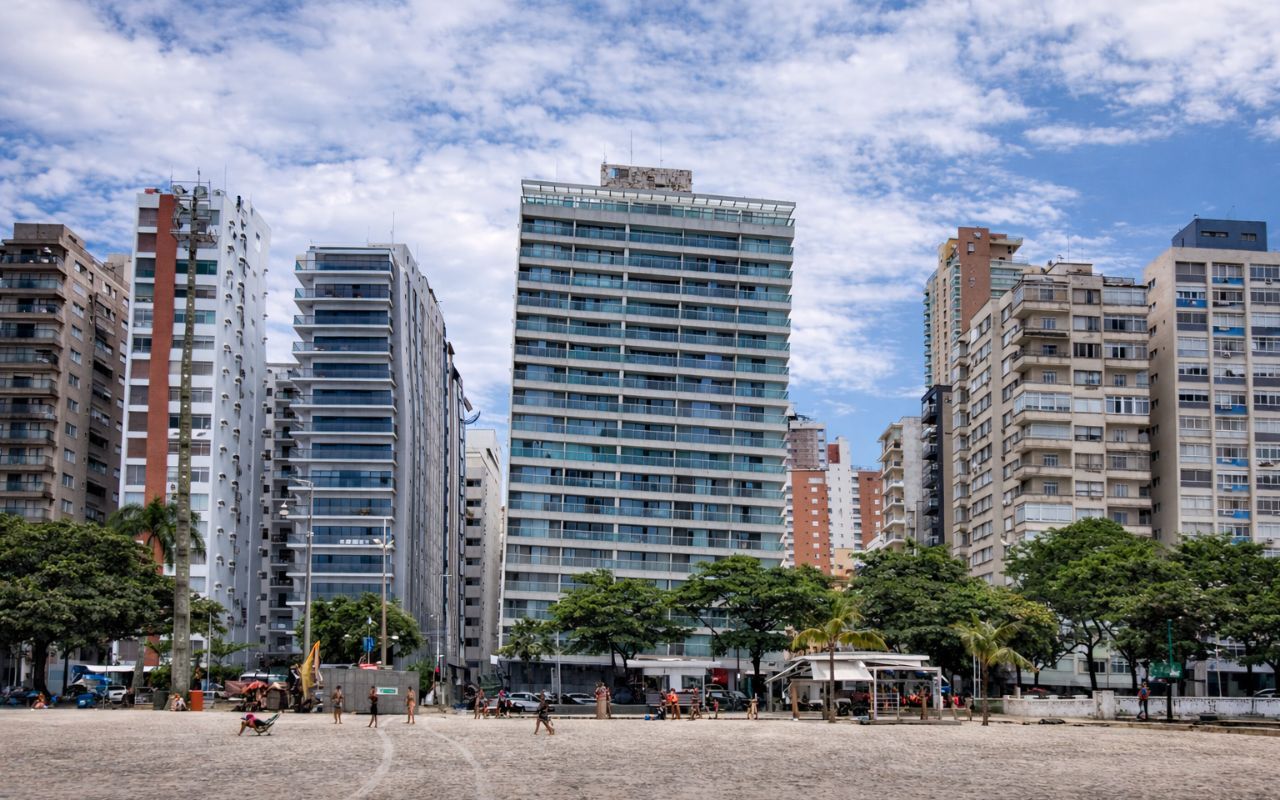
The Brazilian city has 319 crooked buildings built on sandy soil without proper deep foundations, houses the largest beach garden in the world, with over 5 km, and is still considered the birthplace of surfing — meet Santos, in São Paulo.
-
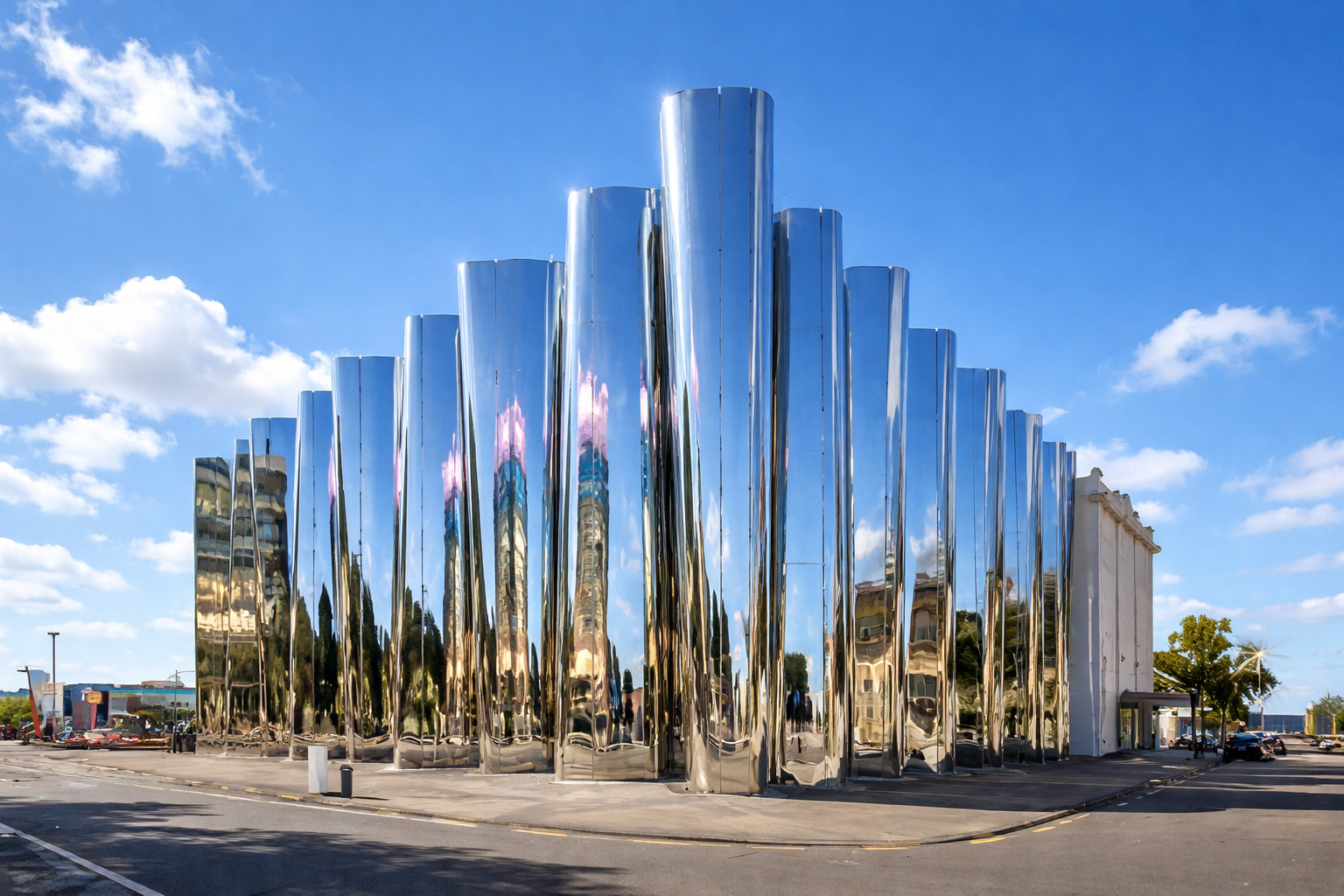
New Zealand builds a shimmering building that vibrates, featuring a 62-seat cinema, moving sculptures, and an environment where sound, light, and energy are felt in the body.
-
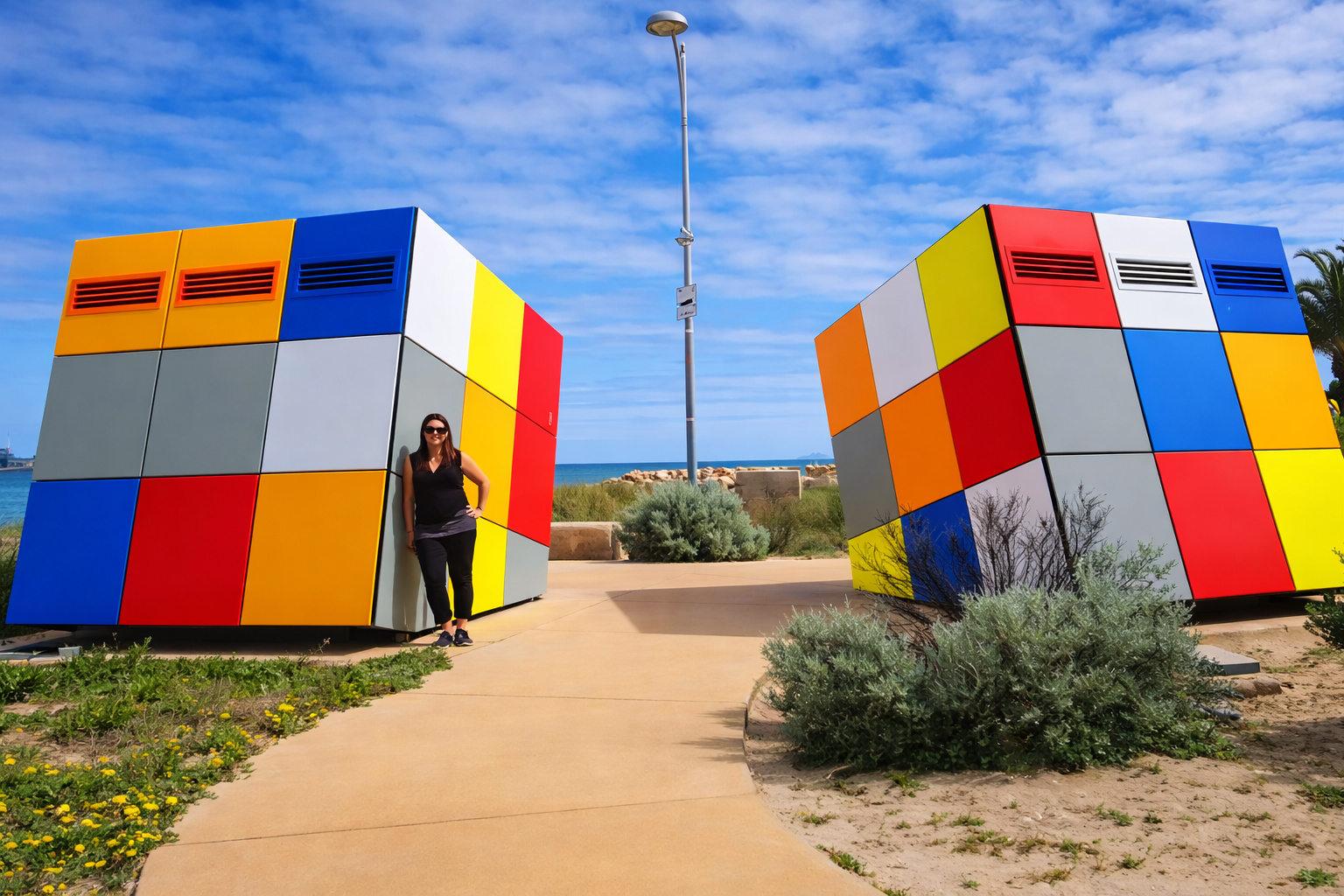
Two colored cubes of 2.5 m transform a public bathroom into a selfie spot in Western Australia, costing up to 75% less than traditional construction and helping to reduce vandalism in public spaces.

There, even before reaching the factory floor, the tone is already operation-focused on the field: rice, tobacco, and soybean producers share space with the warranty and customer service teams, in a routine where complaints about parts, budget requests, and field feedback become valuable data for the factory.
It is in this context that LS positions its tractors as the main product, without trying to “embrace the world,” as one of the hosts summarized.
The strategy is to maintain a streamlined portfolio, but with enough variations to cater to small sites to large farms, reinforcing the idea that each tractor needs to be ready to work in very different realities, from the soft soil of the South to the intense rhythm of the Midwest.
Parts Warehouse for Brazil and 18 Other Countries

Before the assembly line, Leonardo crosses the replacement parts warehouse.
The warehouse was built exclusively to stock parts that serve Brazil and 18 other countries in Latin America.
There, the “tractor of the future” begins with the assurance of parts in the present: filters, engine components, cabin items, tires, and small screws follow a proprietary internal logistics system.
When an order comes in, the software assembles the most efficient route for the separator, starting with the farthest part and returning to the base with everything ready.
This avoids unnecessary steps and shortens the time between the dealership’s click and the shipment of the box.
For the rural producer, the message is direct: if the tractor stops, the chance of getting quick parts improves when the stock is in Brazil, with a dedicated flow for the entire network.
Assembly Line: 18 Tractors Every 18 Minutes


From the warehouse, Leonardo reaches the heart of the factory, where tractors take shape in a line where rhythm is the protagonist.
The operation is timed: every 18 minutes, the cart that carries the chassis moves a few meters and pushes the tractor to the next stage, in a continuous movement, without rushing or improvised stops.
On a typical day, the unit produces 23 ready tractors from the line.
The installed capacity is 5,000 tractors per year, with the potential to produce up to 400 units per month.
Each stage of assembly has its own parts cart: if there is leftover component at the end of the cycle, something was left uninstalled.
The logic is simple and relentless: an empty cart means a complete tractor.
From Bare Chassis to Tested Tractor in Few Stages
In the first stage, the chassis is placed on the cart and receives the basic systems.
As the assembly progresses, the front weight, cooling system, hydraulic components, and axles are added.
At another point in the line, tires come into play in a process that resembles a racing pit stop, but with a focus on torque, alignment, and safety.
Leonardo follows the evolution with the eyes of someone who knows tractors only from the field and is surprised to see the industrial choreography.
From the “fortress” designed for soft lands in the South to configurations that face heavy-duty service in the Midwest, the assembly aims to maintain a standard of robustness without losing comfort, especially in cabins with air conditioning and sound systems that became part of the story during the visit.
Final Tests: Gears, 4×4, and Traction Under Scrutiny
At the end of the line, the still-suspended tractor goes through the most sensitive phase of production.
There, technicians turn on the engine, test all gears, engage low gear, experiment with the differential lock, and validate the 4×4 system.
Nobody goes out to the yard without passing through a sequence of tests that simulates real work effort.
Next, the elevator descends, the tractor touches the ground, and proceeds to traction checks, hydraulic power, and ability to lift implements.
If a problem arises later on the farm, traceability helps: the factory can identify who assembled and who tested that specific unit.
For the producer, this means a cycle of responsibility that goes from the factory to after-sales, with a history of each machine.
Tractors for Small, Medium, and Large Properties
Throughout the visit, Leonardo emphasizes a point that directly interests the rural reader: LS bets on a focused niche.
There are compact tractors for small sites, intermediate models for medium properties, and heavier versions for large areas, instead of a huge portfolio that is difficult to keep in stock and parts.
The reading in the factory is that, without tractors suitable for the size of the business, the equation does not add up.
In softer soils, such as many areas in the South, the focus is on traction and combined lightness.
In regions like the Midwest, the need to handle heavy implements, long hours, and longer distances comes into play.
All of this needs to be defined in blueprint, step by step, before the first rotation of the wheel in the field.
What Stays for the Rural Producer After the Visit
In the reflection on his visit to LS Tractor in Garuva, Leonardo leaves the factory with a different image of something that seemed trivial.
He confesses that, from now on, he will always remember the assembly line when he sees a tractor in the field, thinking of the cart that moved 18 minutes per stage, the gear tests, and the parts warehouse that ensures replacement for Brazil and Latin America.
For the rural producer, the message is practical: behind every offer of tractors, there is a structure that can either deliver support or not when the machine stops.
Complete assembly in the country, a wide parts stock, and rigorous testing help to reduce risk during the harvest, especially in times when lost time between the workshop and the field weighs on the results.
And you, if you had to choose today the tractors for your farm, what would matter most in the decision: the factory in Brazil, the quick parts replacement, or the after-sales service close to your gate?






-

-

-

-

-

-

78 pessoas reagiram a isso.