





 Portuguese
  English
  Spanish
  5 min of reading
  0 comments


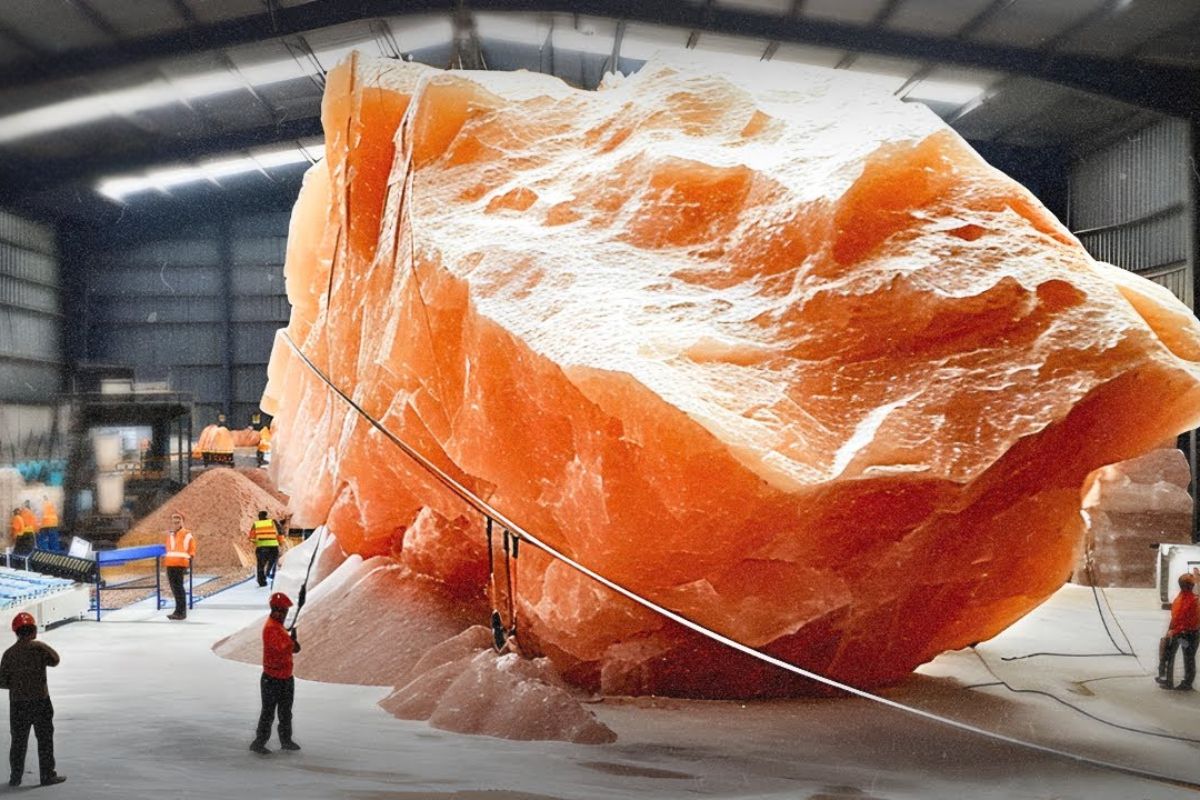
From The Heart Of The Pakistani Mines, Himalayan Pink Salt Is Extracted In Giant Blocks, Washed, Ground, Laser-Selected, And Hand-Carved To Become Table Salt, Mineral Baths, And Lamps That Shine In Homes, Spas, And Wellness Shops Around The Globe On All Continents
The Himalayan pink salt travels a long journey before it appears ground in a shaker on the table or illuminating the room in the form of a lamp. In the mines of the Kiora region in Pakistan, massive blocks of Himalayan pink salt are extracted from deposits formed hundreds of millions of years ago, in one of the largest salt complexes on the planet.
With a factory capable of processing about 300 tons daily of Himalayan pink salt, what was raw rock turns into seasoning, bath salt, decorative grains, and carved pieces. Between manual tradition and high-tech machines, Himalayan pink salt travels through tunnels, trucks, conveyors, washers, mills, and polishers until it reaches the shelves of the global market.
From Inside The Mine To The Selection Of The Best Blocks

Everything starts inside the mine, where the Himalayan pink salt blocks are taken from areas considered “prime”, rich in minerals and with more uniform coloring.
-
How 5,000 Indian dabbawalas manage to deliver around 200,000 lunchboxes a day in Mumbai for over 130 years using bicycles, crowded trains, and a manual system that continues to operate with impressive accuracy.

-
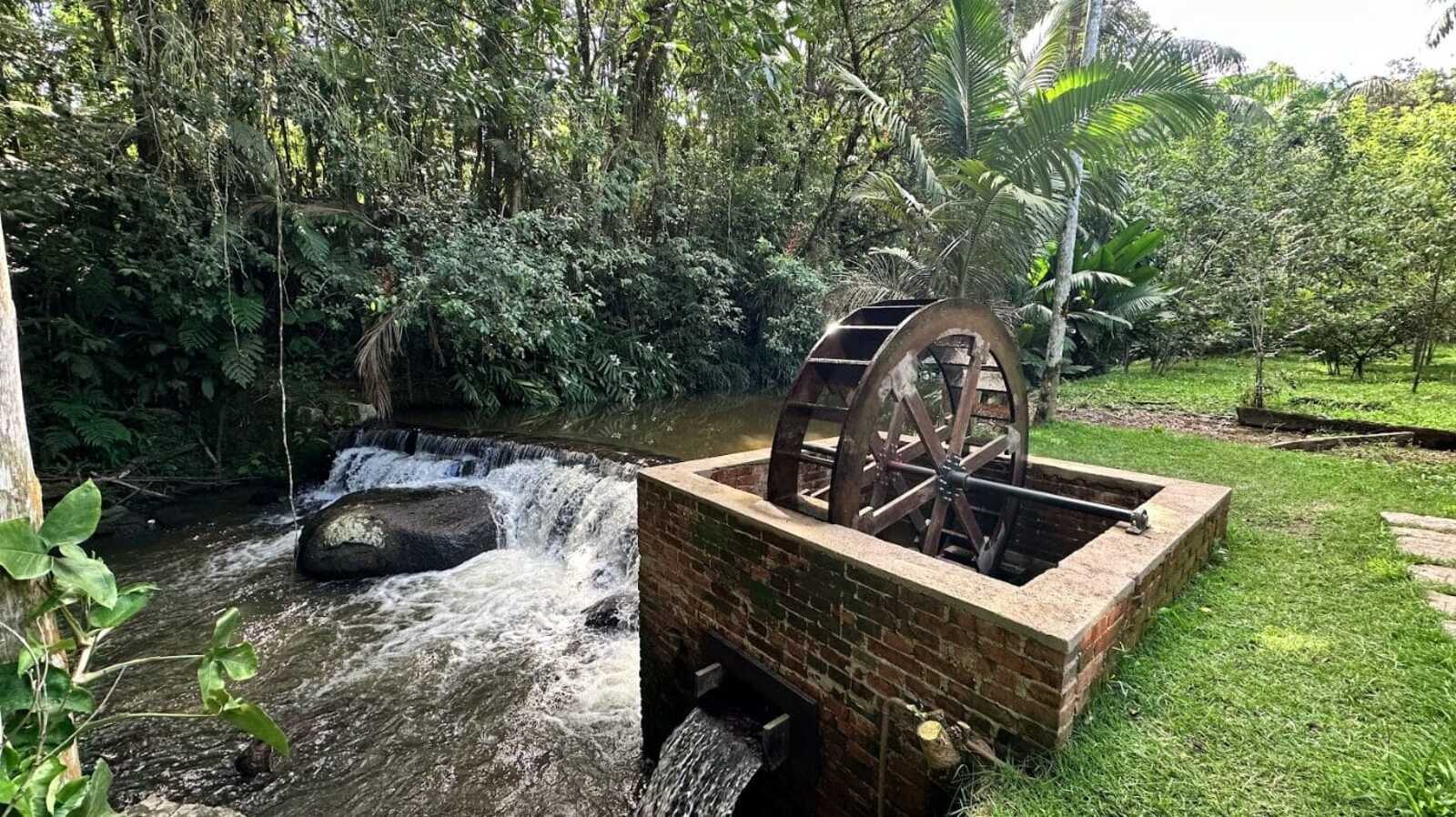
While restoring a historic mansion from 1910, a brick structure with an old turbine that generated energy from the Rio do Testo emerged, along with a hidden door and a rare floor concealed under layers of wax.
-
Italian researchers have detected what appears to be a second Sphinx buried under the sands of Egypt, and satellite scans reveal a gigantic underground megastructure hidden beneath the Giza Plateau for over 3,000 years.

-
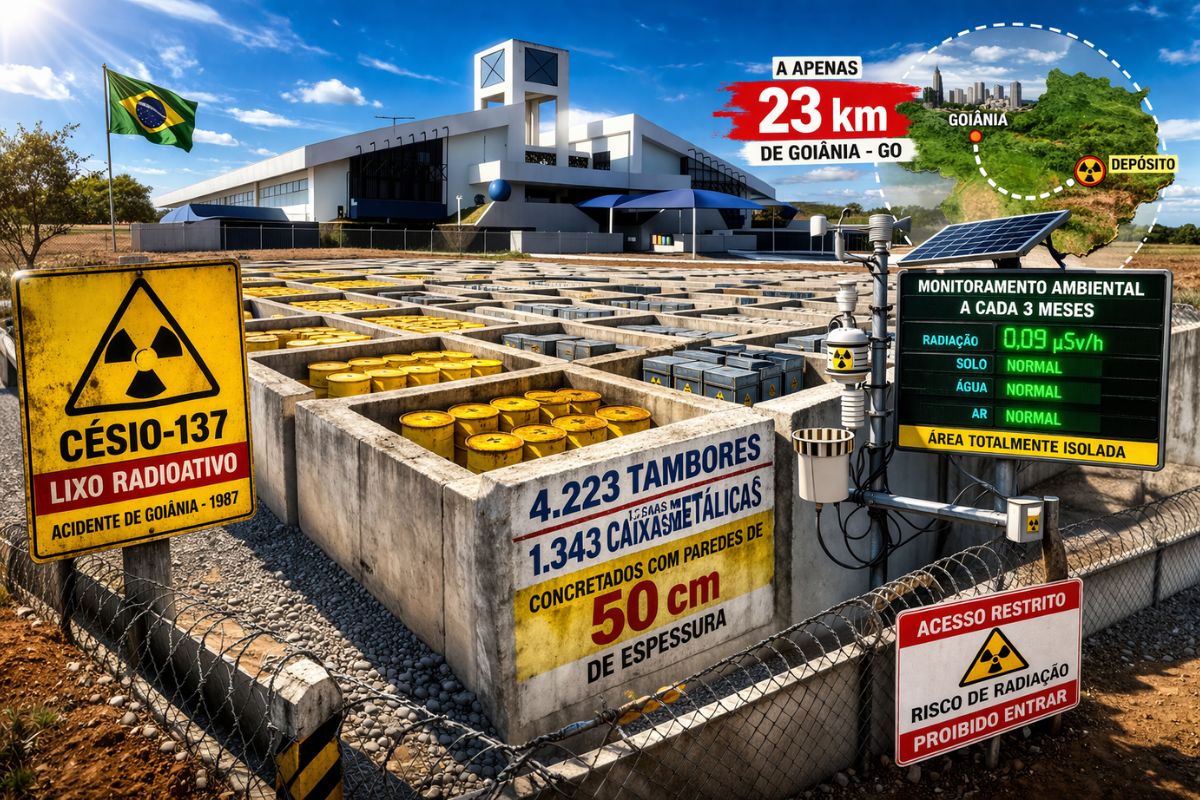
There are 4,223 drums and 1,343 metal boxes concreted with 50-centimeter walls that store the radioactive waste from Cesium-137 in the worst radiological accident in Brazil, just 23 kilometers from Goiânia, with environmental monitoring every three months.
The selection is careful: geologists and technicians separate the rocks with the best purity, texture, and color, because this directly influences the flavor, shine, and appearance of the final products.

After extraction, special trucks enter the galleries to load the salt blocks and take them out of the mine.
In some cases, a combined train and truck system shortens the journey and reduces logistical time, ensuring that tons of Himalayan pink salt arrive at the factory with minimal breakage and contamination.
Washing, Drying, And Grinding Of Himalayan Pink Salt

As soon as they arrive at the processing unit, the Himalayan pink salt rocks are stored and undergo another sorting. Only the approved pieces move forward.
Next, they enter a closed section, with automatic conveyors, washing machines, and drying systems, all designed to eliminate dust and unwanted particles brought from the mine.
After washing, the salt is taken to chambers where humidity is carefully controlled. Maintaining the right level of humidity is essential for Himalayan pink salt not to clump, lose shine, and have appropriate granulation.

From there, the grinding phase begins: the huge rocks go through mills that turn the salt into fine or medium grains, ready for culinary or industrial use.
Classification Technologies And Extreme Purity

With the Himalayan pink salt already ground, the classification machines come into play. Specific equipment separates the grains by size, discarding unwanted fractions to ensure each batch has a uniform appearance.
This is the stage when Himalayan pink salt goes from being just “pretty” to being technically consistent.
One of the most sophisticated points of the process is the use of color optical sorting machines, which analyze the grains and expel any particle outside the standard.
The aim is simple: each packet of Himalayan pink salt needs to maintain a standard of color and purity that differentiates it from regular salt, reinforcing its image as a premium mineral product.
Packaging Of Himalayan Pink Salt For Retail And Wholesale

After being ground and selected, the Himalayan pink salt is packaged. For retail, the product goes into jars or hermetic packaging, often made of high-quality plastic or glass, serving as a barrier against moisture and external contamination.

The care with packaging is essential to preserve flavor, texture, and crystalline appearance.
In wholesale, the Himalayan pink salt is packed in sturdy bags, often made of woven polypropylene material, designed to bear the weight of large volumes and transport over long distances.
These lots supply food industries, cosmetic brands, spas, and distributors in different countries, closing the link between mine and global market.
How Himalayan Pink Salt Becomes Lamps And Handcrafted Pieces
Not every block of Himalayan pink salt becomes seasoning. Part of the material is separated for artisanal work, especially for creating salt lamps and decorative pieces.
In this case, the process begins with large, rotating blade saws that cut the blocks into shapes close to the final product.

Next, drills with special bits bore into the rock’s interior, creating space for the lamp and electrical components.
Other rotating blades refine the external shape, while artisans use hammers and manual tools to standardize the size and adjust details.

Each piece of Himalayan pink salt is polished to enhance its natural shine and smooth the surface.
Finishing, Assembly, And Quality Control Of The Lamps

After being sculpted, the pieces of Himalayan pink salt go through the final polishing phase, which smoothens the surface and makes it pleasant to the touch.
At this stage, the pink color stands out and the natural variations of the mineral form unique patterns in each lamp.

The team then fits the lighting system inside the carved rocks, installing sockets, wires, and other components.

Before going to packaging, each Himalayan pink salt lamp is tested individually, ensuring it lights up correctly and that the structure is firm enough to withstand transport and prolonged use.
Packaging Of The Lamps And Global Distribution

Since Himalayan pink salt lamps are fragile, care in packaging is even greater. The pieces are placed in reinforced boxes, with internal protection to prevent impacts, cracks, and excessive moisture contact.
Labels and tags indicate origin, usage care, and safety instructions.
From there, the lamps go to distribution centers, physical stores, e-commerce, and wellness spaces in various countries.
What started as a raw block of Himalayan pink salt in a mine in Pakistan ends up as a decorative object that many associate with comfort, cozy atmosphere, and relaxing environments.
Minerals, Uses, And The “Premium” Aura Of Himalayan Pink Salt
The global interest in Himalayan pink salt cannot be explained solely by its color. The mineral is described as containing dozens of elements in small amounts, which feeds its reputation as a special product among consumers attentive to details.
Many see it as a more “natural” alternative to refined salt, both in cooking and in wellness routines.
In practice, Himalayan pink salt appears in table grinders, bath salts, spa products, cosmetics, and, of course, in the salt lamps that have become decoration icons.
The combination of ancient origin, visibly artisanal processes in certain stages, and advanced technology usage in others places Himalayan pink salt in a unique position in the global mineral market.
Taking all of this into account, when you see Himalayan pink salt on the shelf, do you imagine it more as a kitchen seasoning, as a decorative lamp in the living room, or as part of a wellness ritual in your daily life?









-

Uma pessoa reagiu a isso.