





 Português
  Inglês
  Espanhol
  5 min de leitura
  0 comentários


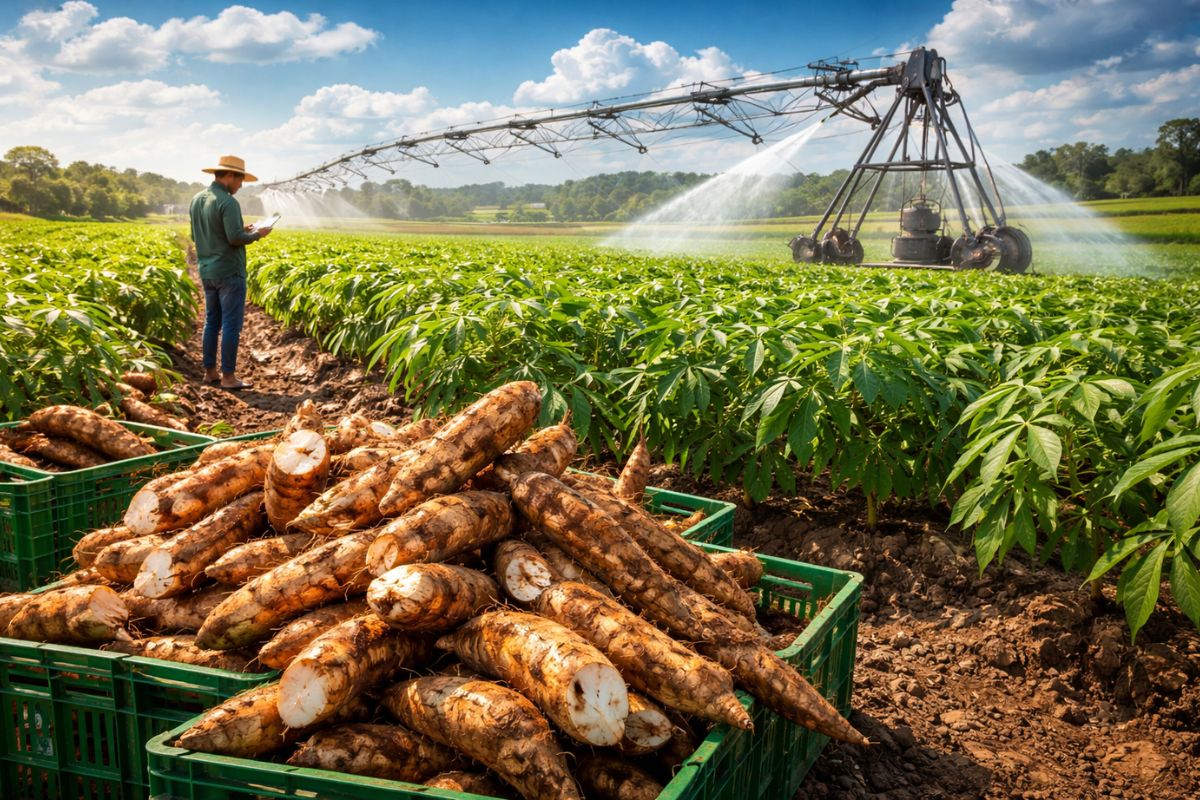
New Cassava Developed by Embrapa Is Already Cultivated in the Federal District with Automated Irrigation, More Efficient Management, and Potential to Reduce Waste of Water, Energy, and Labor in the Field.
The cassava remains one of the most important foods in Brazilian cuisine, but a new variety developed by Embrapa is beginning to attract attention in the Federal District for combining consumption quality with significant productivity gains. According to the report, this cultivar can produce six to eight times more than the national average, reaching about 100 tons per hectare.
In addition to the leap in harvest, the new cassava also stands out for characteristics valued by the market. It has a strong yellow color, pleasant texture, quick cooking, and year-round production, which helps the producer maintain uniformity of supply and better meet consumer demand.
New Cassava Combines Market Quality and High Yield
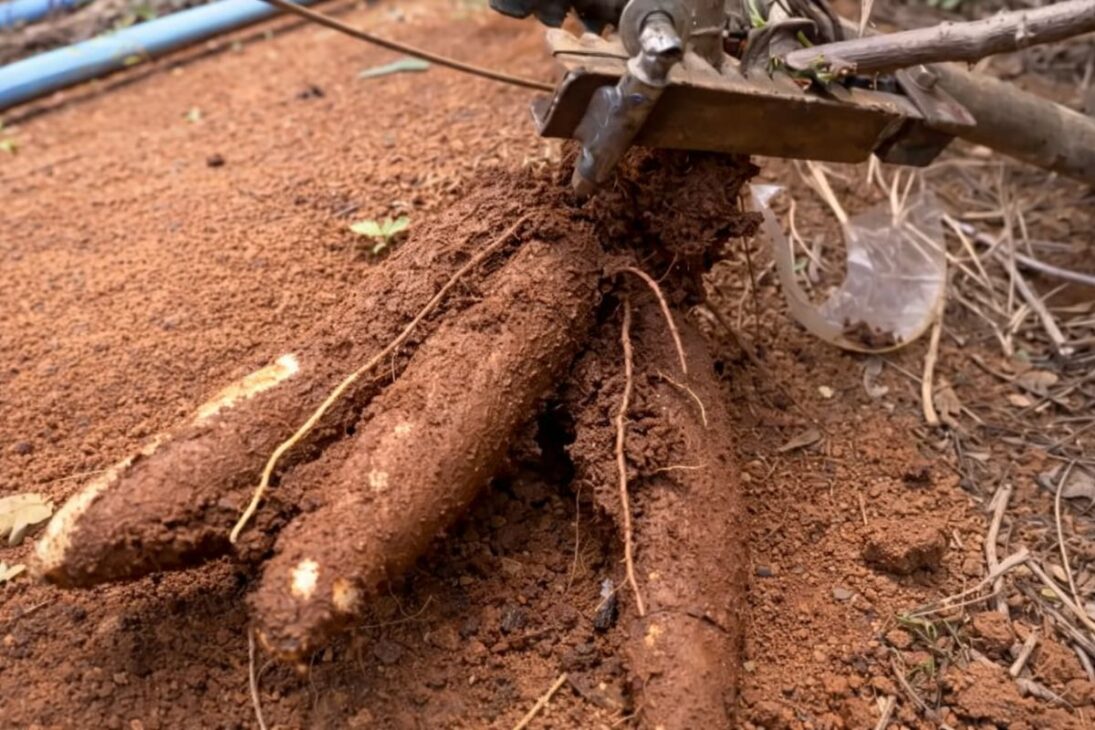
The new variety found on the property featured in the report was developed to deliver exactly what the consumer market seeks the most.
-
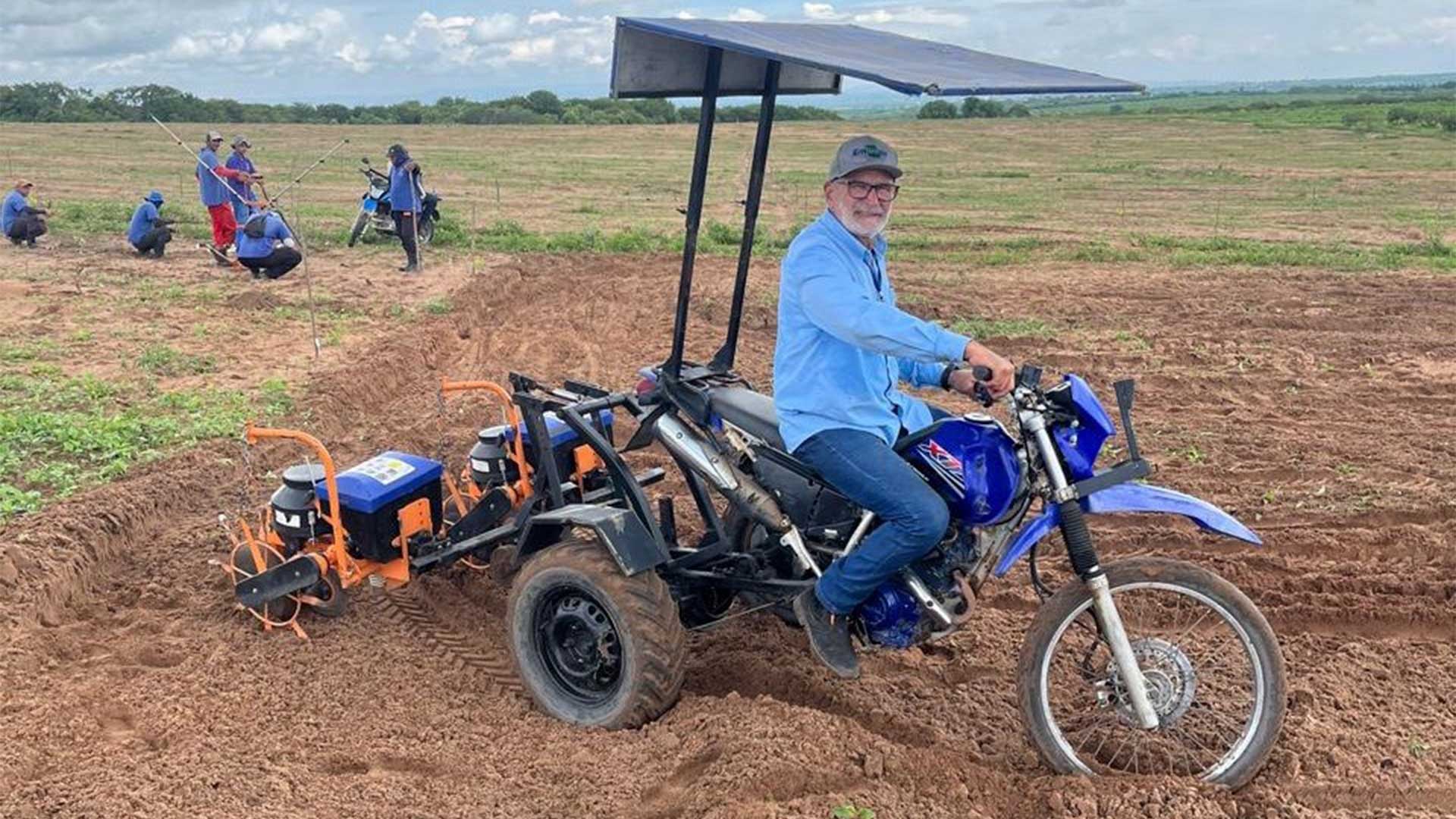
With tractors out of reach for small producers, a tricycle created by Embrapa Algodão becomes a cheap and efficient solution and gains national prominence.
-
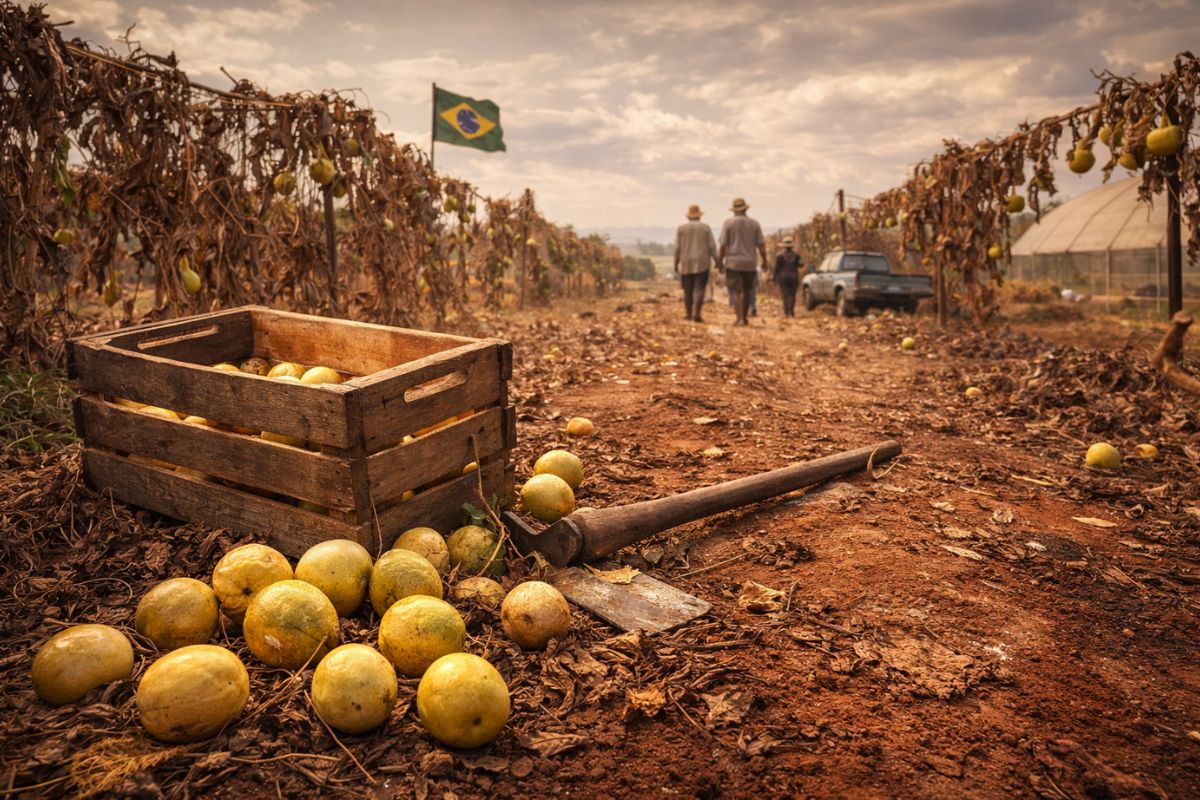
From 130 producers in the year 2000 to just 15 today: the dramatic decline of passion fruit in Araguari shows how the lack of labor in the Brazilian countryside is killing a decades-old agricultural tradition, even with Brazil being the largest producer in the world.
-
Agricultural drone sprayed poison into the air and destroyed the neighbor’s crops, causing 1 million in damages; 48 cows died from nitrite poisoning in the pasture, and Russia is hiding a possible outbreak of foot-and-mouth disease: the week was brutal for the rural sector.
-
Russia cut fertilizers, China cut fertilizers, and oil prices soared with the war in the Middle East: sugarcane producers in the interior of São Paulo are seeing costs explode from all sides and warn that the effects will take months to be absorbed.


According to the producer, this is a super yellow cassava, with a pleasant texture and quick cooking, as well as the ability to produce year-round.
This set of characteristics makes a difference both in marketing and in product acceptance. It is not just about harvesting more, but about offering a root with a valued and more attractive standard for consumption.
The cultivation time is similar to that of traditional cassava, around one year, but the gain is clearly visible in the volume produced.
Cassava Productivity Can Reach 100 Tons Per Hectare
The most striking data is related to productivity. While the national average production of cassava sold in markets hovers around 13 tons per hectare, the variety developed by Embrapa can reach about 100 tons per hectare.
This represents a very significant advancement for the rural producer. In practice, the cultivar delivers a yield of six to eight times higher than the national average mentioned in the report.
This result, however, does not depend solely on genetic improvement. It comes with a package of technologies and management practices that make production more efficient and sustainable.
Automated Irrigation Helps Reduce Waste
On the property shown in the report, the crop uses automated irrigation with water and fertilizers.
This system allows for the correct amount of inputs to be applied, reducing waste and improving management of the production.
According to the reports presented, automation helps save water, energy, and labor, and also prevents problems caused by excess irrigation.
When water is used beyond what is necessary, nutrient leaching may occur, compromising the plant’s uptake.
With more precise management, nutrients remain at the appropriate depth for absorption, favoring the development of cassava.
Covering the Beds Improves Moisture and Weed Control
Another important point of the adopted system is the use of mulching, the plastic that covers the planted beds.
This cover helps to maintain soil moisture, control temperature, and hinder the propagation of weeds.
The practical effect is significant. Fewer weeds mean less need for weeding, which reduces labor costs.
At the same time, maintaining moisture favors more efficient water management, also affecting energy consumption.
The applied technology, therefore, not only acts on productivity but also reduces losses throughout the process.
Cloning by Cutting Accelerates the Formation of New Plants
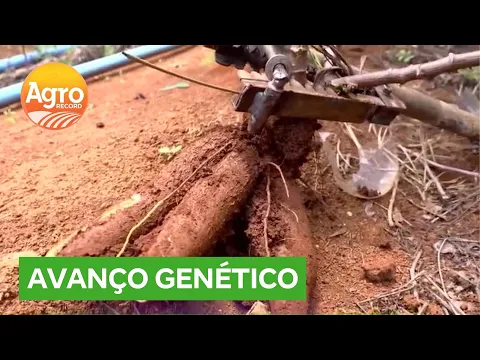

Since the species is still in the experimental phase, obtaining seedlings and samples for reproduction is not simple. Therefore, multiplication is done through cloning from cuttings, which are pieces of the plant’s stem.
In the case of cassava, this process is more straightforward than many people imagine. From the cuttings, new plants are formed in about 45 days. After this period, they go to the greenhouse and, subsequently, to the field.
This is an essential step for expanding the production of this variety without relying on a wide supply of seedlings in the market.
Technical Assistance Guides from Soil to Irrigation
The crop presented was started a year ago and has been supported from the beginning by technical assistance from Emater DF. This support includes fundamental agronomic parameters, such as soil analysis, correction, and base fertilization.
The agronomist responsible for the assistance states that the practices adopted on the property are accessible to other producers in the region.
The irrigation and fertigation controllers, for example, work with valves that regulate the opening and closing of the irrigated sectors.
The initial investment, according to him, tends to pay off quickly due to reduced labor costs and more rational use of water and energy.
Cassava Also Impresses on the Plate and in Income Planning
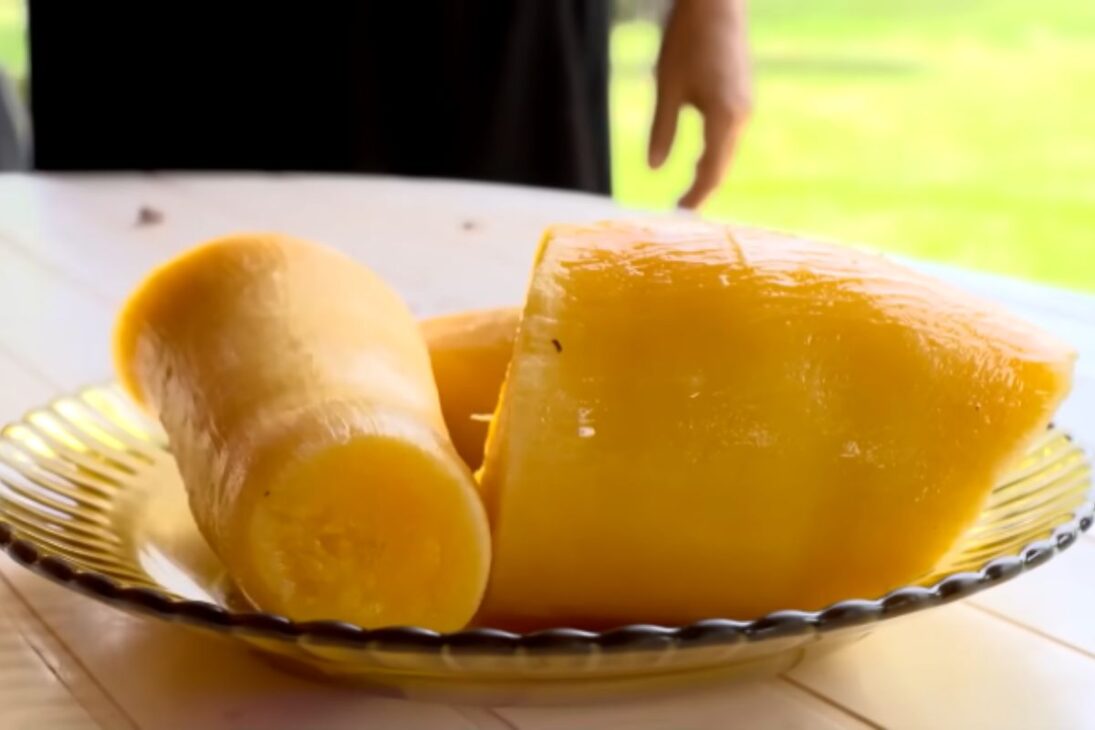
In addition to its performance in the field, the variety draws attention in consumption. The report highlights that Embrapa’s cassava is easier to peel than the conventional one and has a strong yellow color, a characteristic that reinforces its commercial appeal.
As the plant produces in a single cycle, the technical recommendation is to adopt staggered planting. The logic is simple: make new plantings at intervals of a few months so that the harvest occurs in stages.
This way, the producer can maintain a flow of production and income throughout the year, instead of concentrating everything in a single window.
DF Producer Aims to Triple Area After Results in the Field
In the case shown in the report, the results were so positive that the next step is already defined.
The expectation is to produce 67 tons of table cassava this year and, starting next year, to expand the area to two or three hectares dedicated to the root, as well as two more hectares focused solely on the production of cuttings.
This movement shows how the combination of genetics, management, and technology can change the level of the crop.
Cassava, which is already a symbol of national cuisine, is also gaining a new productive dimension in the field, with the potential to increase profitability and reduce waste in a more efficient system.
And what do you think, can this new cassava from Embrapa change production in the field and also gain space on the Brazilian table?








-

Uma pessoa reagiu a isso.