





 Portuguese
  English
  Spanish
  6 min of reading
  5 comments


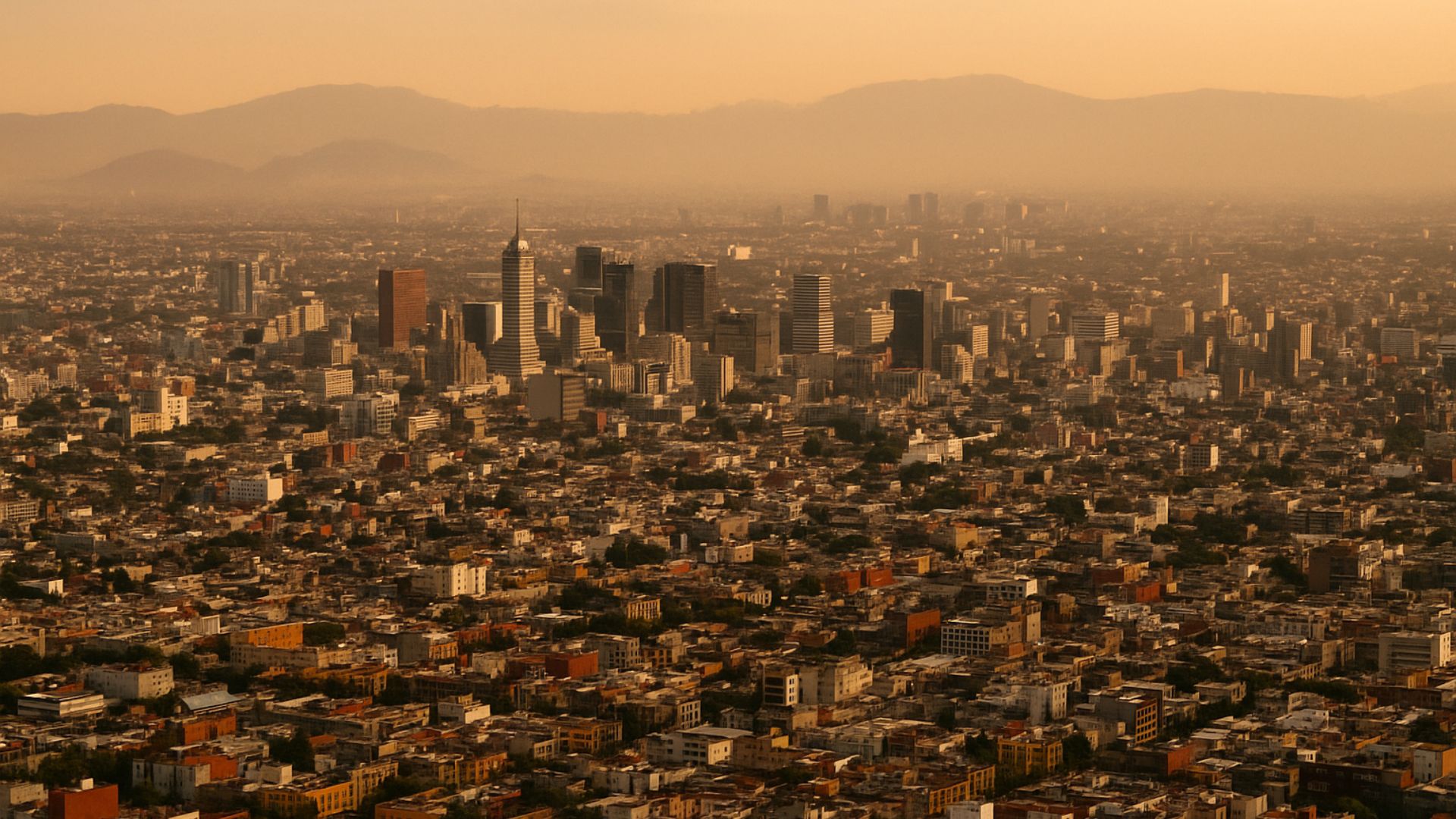


With Reservoirs Quickly Emptying, High Losses in the Network and Overloaded Aquifers, the Mexican Capital Became an Extreme Example of Urban Water Crisis and Exposed Vulnerabilities That Also Affect Large Brazilian Cities.
With an estimated population of around 22 million inhabitants in its metropolitan area, Mexico City recently entered the list of the world’s major metropolises closest to a possible “Day Zero” for water, a term used by local authorities and international media to describe the risk that the supply system may fail to meet the demand of the Mexican capital.
In 2024, the set of reservoirs known as the Cutzamala System, responsible for approximately one quarter of the water consumed in the region, operated at around 25% to 28% of its capacity, the lowest level since the beginning of the historical series, which led official agencies and experts to publicly admit the chance of widespread interruptions in supply.
The scenario drew attention because several statements and reports indicated deadlines.
-
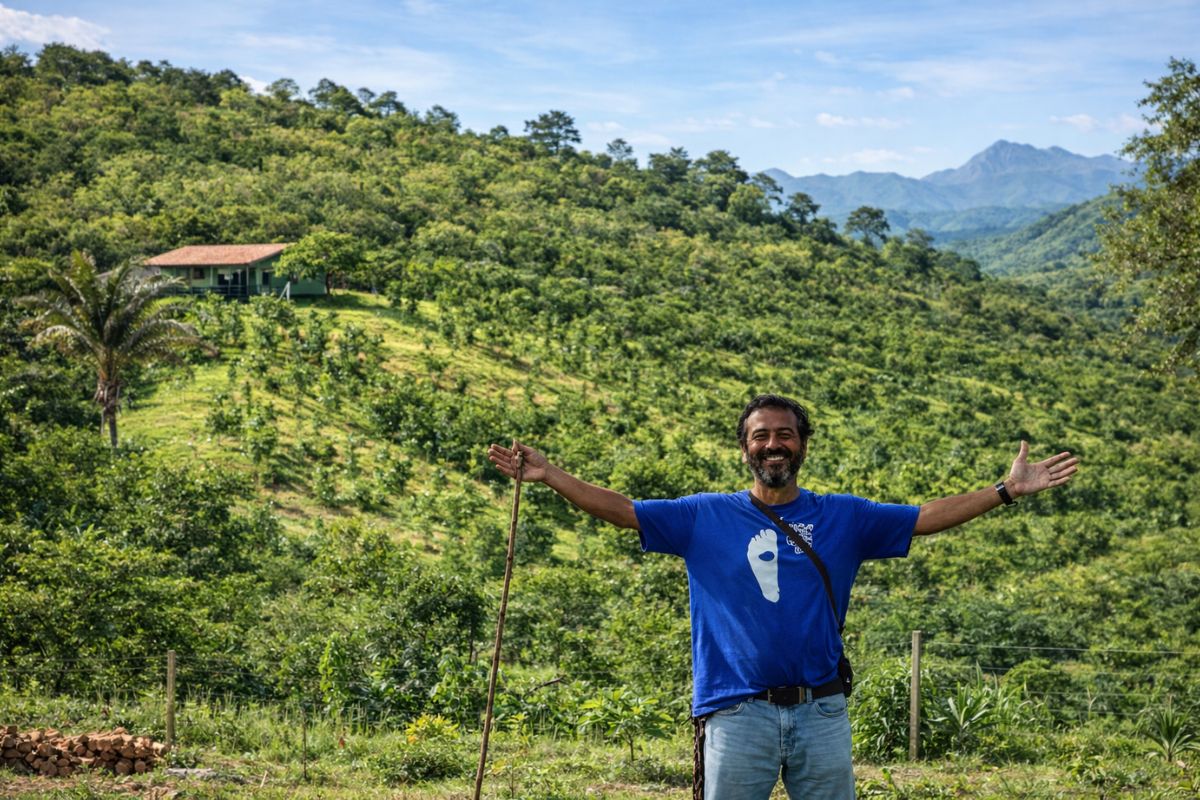
A Globo actor lives on a farm the size of 300 football fields in Teresópolis, where he produces cheese, honey, and organic chocolate, and has already planted 20,000 native trees.
-
This simple tool eliminates the need for a plumb line with each row, speeds up brick laying by up to 40%, and any laborer can align the wall by themselves, but almost no one in Brazil uses it on construction sites.

-
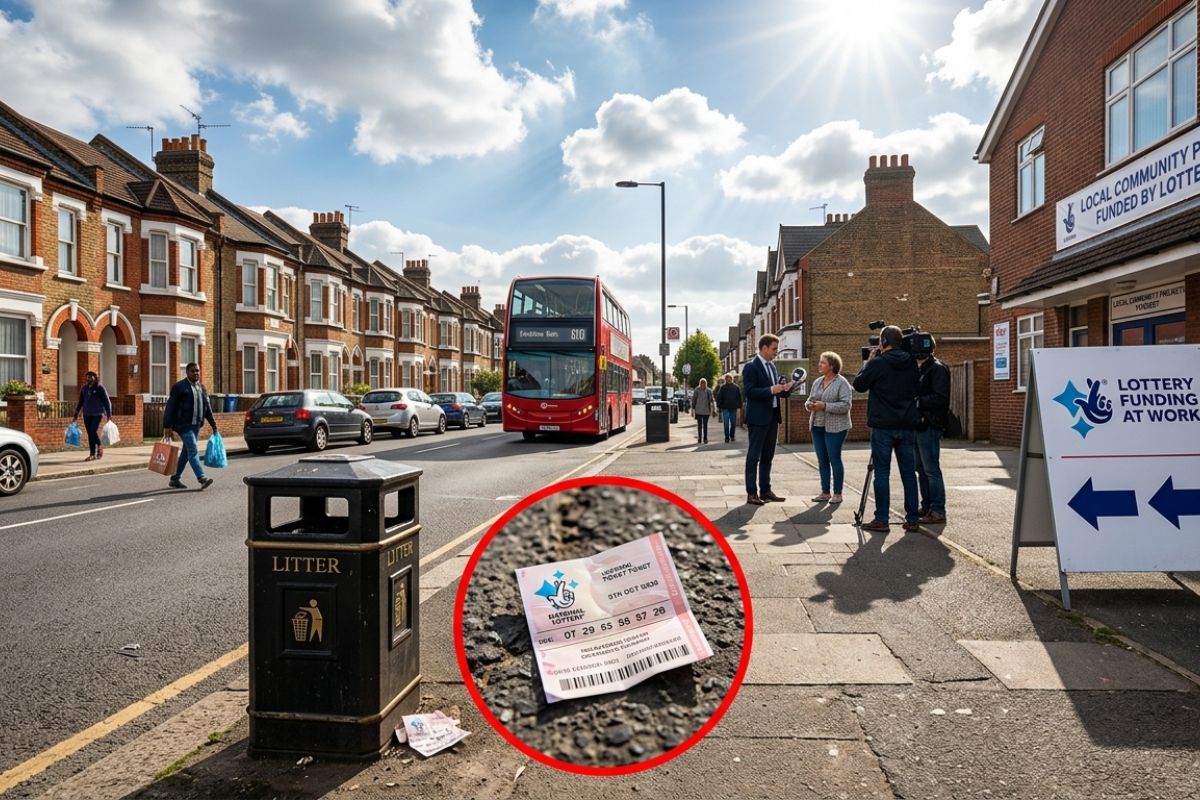
Won R$ 72 million in the British lottery, but lost it all for not claiming: October ticket in Bexley was forgotten, the 180-day deadline passed, and the fortune will fund local community projects in London.
-
Mixing vinegar with detergent in a blender has become the most talked-about cleaning trick on the internet because it solves a problem that everyone has in the kitchen in seconds and uses only two ingredients that you already have at home.


In the first half of 2024, Mexican authorities linked to the water sector warned that, if the dry conditions and consumption levels continued, Cutzamala might not be able to meet the capital’s needs starting June 26, a date that began to be cited, both nationally and internationally, as a possible “Day Zero” for Mexico City.
Although the city has not reached that extreme point, the combination of reservoirs at historically low levels, prolonged drought, and structural failures in the distribution system left millions of residents with dry taps for days or weeks in various neighborhoods, especially in poorer areas.
Overloaded Aquifers and a Sinking City

The Mexican capital has become a hallmark case because the crisis is not only climatic.
Most of the water that supplies the city comes from underground aquifers located in the Valley of Mexico and neighboring areas, accounting for about 60% to over 70% of the distributed volume, according to technical studies.
For decades, water extraction has exceeded the natural recharge capacity of these aquifers, causing a constant decline of the water table and ground subsidence, meaning the gradual sinking of the city.
Recent research estimates significant annual losses of underground volume and sinking rates among the highest in the world for a large metropolis, with direct impacts on sewage networks, pavements, buildings, and paradoxically, also on the water infrastructure itself.
At the same time, a significant portion of the treated water never reaches homes.
Surveys from universities and technical agencies indicate that about 40% of the water pumped into Mexico City’s distribution system is lost due to leaks, fraud, and measurement failures, a result of aging networks, insufficient maintenance, and the pressure exerted by ground subsidence on the pipelines.
In practice, this means that even when there is water available in reservoirs and aquifers, almost half of the volume can disappear before reaching the taps, increasing the risk of localized shortages and amplifying the sense of collapse among residents.
Cutzamala System and the Role of Reservoirs in the Mexican Capital
The external sources system, which includes Cutzamala itself, functions as a sort of additional “lung” for the capital, pumping water from neighboring basins over hundreds of kilometers.
Studies indicate that this system accounts for about one-fifth to nearly one-third of the water consumed in the metropolis, depending on the period and hydrological conditions.
When the combination of prolonged drought, high evaporation, and increased demand reduces the volume stored in dams to very low levels, the risk is no longer just local and also affects cities and agricultural areas that share the same basins.

In 2024, satellite images and reports from Mexico’s national water agency showed Cutzamala reservoirs with broad ranges of exposed shores and levels around 28% of capacity at certain times, while the total volume of the system remained close to 25%, figures lower than the historical average.
From this situation, restrictions on supply, reduced pressure in the network, and increased use of water trucks were adopted, leading to recurring protests in popular neighborhoods and roadblocks by residents who went days without running water.
The extreme situation did not remain stable.
In 2025, above-average rainfall helped recover part of the volume in Mexican reservoirs, especially in Cutzamala, which rose from just under 27% storage in August 2024 to over 50% by mid-2025, according to official data.
More recent reports indicate that, after six years of severe drought, the system has recorded levels close to or above 65% and, in certain months, exceeded 80% of its capacity, temporarily alleviating the immediate risk of “Day Zero.”
Still, the Mexican water authority recognizes that the country remains in a state of structural deficit, with dozens of national reservoirs below 50% capacity and a high dependence on annual rainfall variations.
The recent experience has made Mexico City an example cited in international studies on urban water security.
Organizations such as the World Resources Institute identify the Mexican capital among the most emblematic cases of major urban centers exposed to the risk of dry taps, alongside cities like Cape Town, Chennai, and São Paulo, in a context where climate change, accelerated urban growth, and degradation of recharge ecosystems make extreme water stress situations more frequent.
What the Mexico City Crisis Reveals About Brazil
The attention drawn by the Mexican crisis is not limited to the country’s borders.
Studies based on the Aqueduct platform, also developed by WRI, indicate that a significant portion of the population living in Brazil’s largest cities is in areas classified as medium to extremely high water stress, which means intense competition for water use in scenarios of prolonged drought.

A specific survey cites São Paulo, Rio de Janeiro, Brasília, Fortaleza, Recife, Vitória, and Campinas among Brazilian cities located in areas of elevated water risk, even in a country often perceived as “water-rich.”
Internally, documents such as the National Water Security Plan and the Water Atlas from the National Water and Basic Sanitation Agency (ANA) indicate that more than 60 million people, roughly one-third of the Brazilian urban population, live in municipalities classified with lower supply guarantee and depend on investments in new production systems, pipelines, and protection of water sources by the middle of the next decade to reduce the risk of supply shortages.
Meanwhile, recent diagnostics based on data from the National Sanitation Information System show that Brazil loses, on average, something close to 38% to 40% of the drinking water distributed in its networks, a percentage comparable to that observed in Mexico City and sufficient, according to studies, to supply tens of millions more people if reduced.
The similarity between the two cases is not in the exact scale of the crisis, but in the combination of underlying factors: strong dependence on already stressed aquifers and watersheds, urban expansion encroaching on recharge areas, high losses in aging networks, and limited investment capacity to modernize infrastructure.
While Mexico City loses about 40% of treated water due to leaks and network failures, national studies and statistics indicate that Brazilian systems show similar average loss rates, with losses exceeding 30% even in large companies responsible for supply in metropolitan regions.




Consequência da falta de medid] saoas que possam amenizar os problemas que estão apenas começando, e alguns governos principalmente os maiores poluidores que negam os problemas pra ajustarem riquezas em seus cofres.
Os mais pobres [não que tenham culpa]
São os que mais sofrem.
A cidade do México tem 22 milhões de habitantes ?!?!?!?
Só investir em dessalinizador e em sistemas de reaproveitamento da água e tratamentos de esgoto além de modernizar as redes de água, resolvido.
Simples Assim ?