





 Portuguese
  English
  Spanish
 5 min of reading
  0 comments


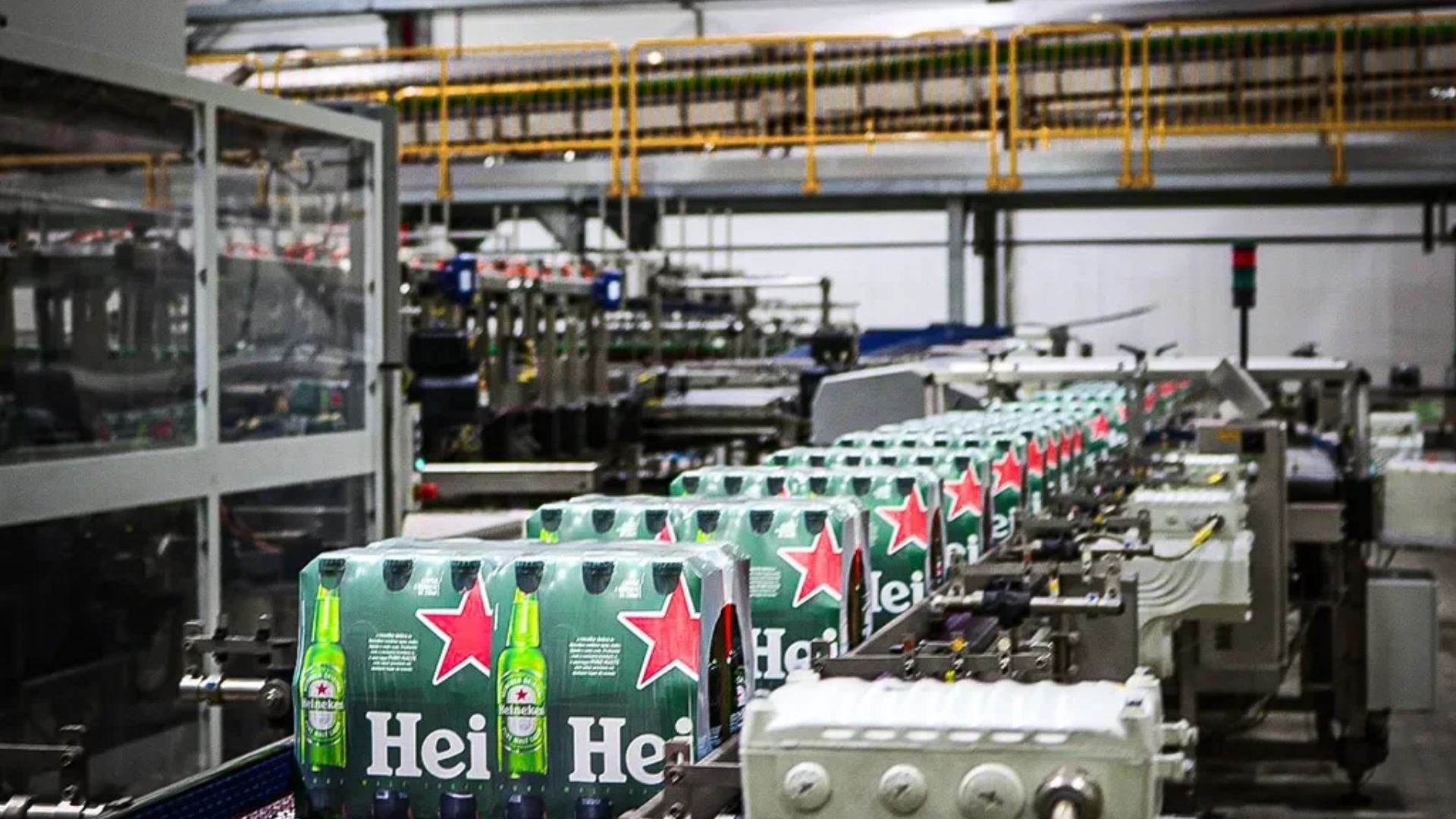
Heineken’s Billion-Dollar Expansion in Pernambuco Transforms the Igarassu Unit into the Largest Producer of Amstel in the Northeast, Reinforcing Sustainability and Expanding Jobs in the Region.
Heineken officially announced on Wednesday (06) the expansion of its unit in Igarassu, Pernambuco, following an investment of R$ 1.2 billion.
According to a report published by the Exame portal, the project triples the plant’s production capacity, cementing it as the largest producer of the Amstel brand in the Brazilian Northeast.
With the new structure, the brewery will fully serve strategic markets in the region, including Pernambuco, Ceará, Bahia, Rio Grande do Norte, Alagoas, Paraíba, and Sergipe, responding to the consistent growth in demand for Amstel, which recorded an expansion of about 15% in the first half of this year.
-
The institute that trained the greatest aerospace engineers in Brazil has just opened its first campus outside São Paulo after 75 years: ITA Ceará will have R$ 445 million, new courses in energy and systems, and classes are expected to start in 2027.
-
Luciano Hang, owner of Havan, goes to Juiz de Fora after the tragedy in February, brings R$ 1 million, hands out R$ 2,000 cards, and donates up to R$ 15,000 to victims in the region.

-
The Brazilian passport allows legal residence in dozens of countries without the need for a prior visa, and most Brazilians are unaware that they can apply for residency directly upon arriving in nations in South America, Africa, and even Europe.

-
Petrobras sends a message to Brazilian truck drivers after fuel collapse and reveals plan to have 100% domestic diesel.


Heineken’s Strategy in Brazil and Amstel’s Leadership
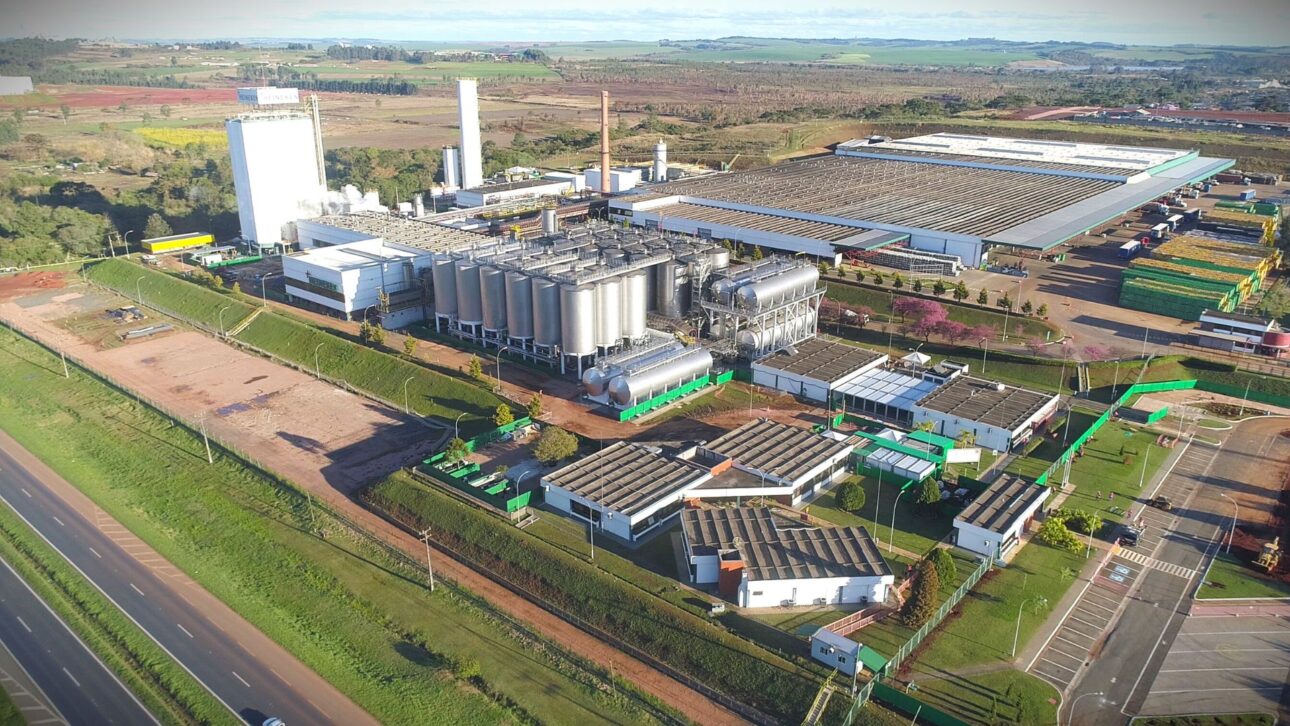
The expansion reflects Heineken’s strategy to strengthen its presence and increase competitiveness in the Brazilian beer market, particularly in the premium segment.
The company’s Vice President of Sustainability and Corporate Affairs, Mauro Homem, highlighted in an interview with Exame the importance of the project:
“The expansion of our plant in Igarassu is a milestone in consolidating our position in the Northeast and further strengthening our growth strategy in Brazil. Amstel, in particular, has shown great growth potential, with double-digit results, and we know there is still much room for the brand in the region.”
Since its arrival in Brazil in 2010, Heineken has been increasing investments in the country, which have surpassed R$ 6 billion in the last five years.
Currently, the company employs more than 13,000 people and operates 13 factories across the country.
The now-renovated Igarassu unit will play a fundamental role in the company’s national plan, becoming a reference in production, sustainability, and industrial innovation.
Sustainability and Technological Innovation of the Factory
One of the highlights of the expansion of the Pernambuco factory is its focus on sustainability.
According to insights from the Exame portal, the unit has the largest returnable bottle line of the group in Brazil, an initiative aimed at promoting material circularity, especially glass, and contributing to reducing environmental impact.
Additionally, the entire operation has been structured to be 100% powered by renewable energy, with biomass as the main source.
This energy model significantly reduces scope 1 and 2 carbon emissions, aligning with the company’s global commitments in the environmental agenda.
According to Mauro Homem,
“Our focus on sustainability is evident in every stage of this project. The new plant not only triples our production capacity but also ensures we are operating more sustainably. With biomass, we can reduce environmental impact and ensure a positive carbon cycle. This is a crucial investment for the future of Heineken in Brazil and worldwide.”
The efficiency in water resource usage has also been improved.
As detailed by the Exame report, the Igarassu brewery has managed to reduce water consumption by 30% over the past three years, using advanced technologies to maximize productivity and minimize waste.
The result is particularly relevant for regions such as Pernambuco, which are often affected by water scarcity.
Job Creation and Regional Social Impact
The expansion project generated 130 new permanent jobs at the unit and over 700 temporary positions during the construction.
The newspaper also noted that, in addition to the regional economic impact, Heineken reinforced its commitment to inclusion and diversity by setting goals to increase the presence of women and Black individuals in leadership positions—with the aim of surpassing 50% of women in command roles.
In the context of local development, the company aims to stimulate production chains in the region by promoting partnerships with suppliers and boosting the economy of municipalities surrounding the plant.
The investment in local labor and professional training also integrates initiatives to strengthen relationships with the community.
Beer Market and Competitiveness in Brazil
Heineken’s move occurs against a backdrop of challenges and transformations for the brewing sector in Brazil and worldwide.
Globally, the company reported revenue of € 7.64 billion in the second quarter of 2025, a figure that represents a 4.1% decline compared to the same period in 2024.
The retraction was concentrated in developed markets, such as Europe and North America, where consumption has shown deceleration.
In Brazil, the results of the first half of 2025 also showed performance below expectations, with a mid-single-digit organic decline in net revenue and low single-digit volume sales reduction.
Despite this, as emphasized by Exame, the Amstel brand stood out, driven by the partnership with CONMEBOL Libertadores and regional marketing campaigns, achieving growth of about 15% in the semester.
Brands like Heineken® and Eisenbahn also showed positive results, especially in the premium segment, even in a context of inventory adjustments and lower consumption.
To face market fluctuations, the company implemented a 6% price adjustment in Brazil in July 2025, seeking to rebalance margins and preserve the competitiveness of brands amid rising operational costs.
Itau BBA assessed that this adjustment could help improve the competitive dynamics and sustain growth in the coming months.
Analysts’ Views and Perspectives for the Premium Sector
Market reactions to Heineken’s performance have been mixed.
Bradesco BBI highlighted Amstel’s growth as a positive point but remained cautious given the overall weaker performance.
Meanwhile, HSBC revised its recommendation for the company’s shares, raising it from “Hold” to “Buy” and subsequently to “Strong Buy,” based on the gradual recovery and strength of premium brands in Brazil.
The potential of the premium segment remains the company’s primary bet to sustain leadership, even amid challenges posed by the macroeconomic environment.
On the international front, the company noted that tariffs recently imposed by the U.S. government should not affect operations in Brazil, as national production is minimally dependent on inputs directly impacted by the changes.







-

-

-

-

-

-

105 pessoas reagiram a isso.