





 Portuguese
  English
  Spanish
 5 min of reading
  0 comments



MS-338 Works Advance With Million-Dollar Investment, Including Paving, Bridge, and Exclusive Route for Suzano’s Hexatrains, Reducing Truck Traffic and Strengthening Cellulose Logistics in Mato Grosso do Sul.
The MS-338, known as the Cellulose Valley Road and a direct connection between Camapuã and Ribas do Rio Pardo, has entered the final execution phase with a total investment of R$ 329 million.
According to an announcement from the State Government made on the 22nd, the paving is practically completed and delivery is expected in December, while the remaining stretch follows its own schedule conditioned to rainfall.
Delivery and Deadlines
The segment under construction totals 111.56 kilometers and has been divided into two lots.
-
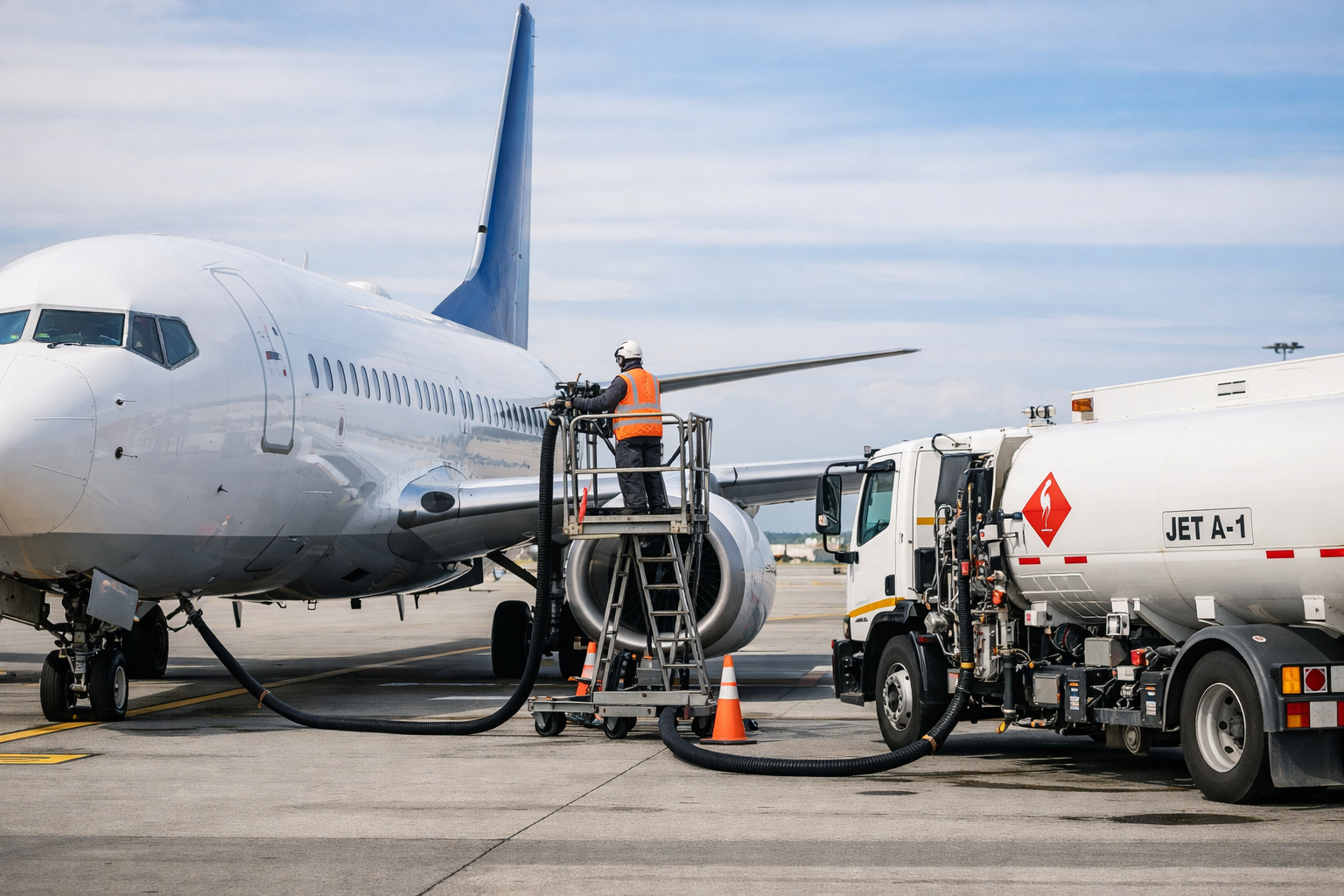
Airfare prices may rise with increasing fuel costs, and the government is considering urgent measures to avoid a direct impact on the wallets of Brazilians.
-
Chocolate prices soar nearly 15% and become a luxury item for Easter 2026, with increases surpassing inflation and changes in Brazilian consumption habits.

-
The Federal Revenue issues a good alert for Brazilian taxpayers: 60.9% are already using the pre-filled tax return, automatic refunds via Pix reach millions, and the government plans for a fully automated income tax in the coming years.

-
India announces a plan of $3.06 billion to bring aviation to forgotten regions: 100 new airports, $1.07 billion in subsidies, and regional routes guaranteed for 10 years, from 2026 to 2036, away from the centers.

The first, comprising just over 45 kilometers, was delivered before mid-2024, unlocking traffic in part of the logistical corridor.
The second lot, covering 66.26 kilometers, remains in execution and, according to the government, should be completed by December 2025, provided that weather conditions are favorable.
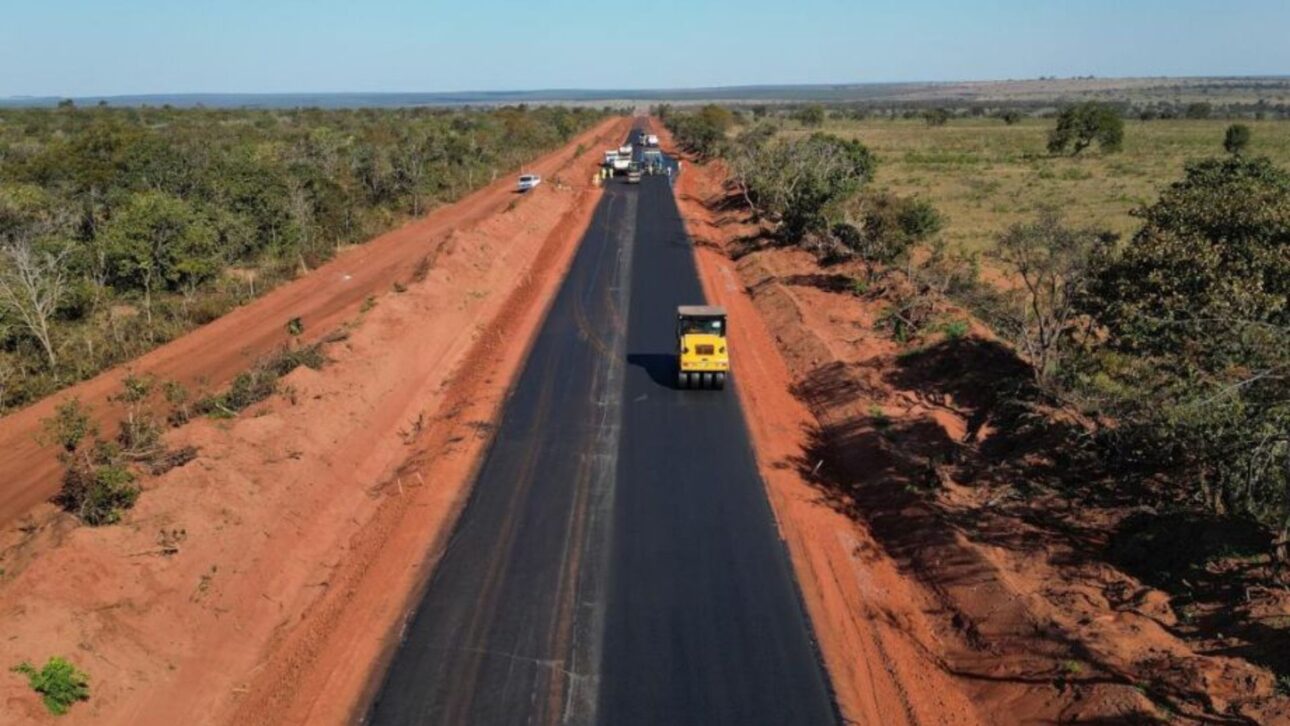
In a statement, the state management emphasizes that the current paving phase is nearing completion, prioritizing the progressive and safe opening of the road to traffic.
What Still Needs to Be Done
The undertaking reports a physical-financial advancement of over 87% under the responsibility of Vale do Rio Novo Engineering and Construction. Some specific tasks remain.
On the pavement, the intervention focuses on about 7 kilometers between kilometers 82 and 88, near Ribas do Rio Pardo, where the base and asphalt layer are in the final phase.
Simultaneously, construction is ongoing for the bridge over the Ribeirão Monte Belo, a structure considered strategic to ensure the continuity of the road and operational safety during the rainy season.
Another front is working on the underpasses that will allow the crossing of the hexatrains, a step that includes earthworks, drainage, and finishing defenses.
Cellulose Logistics and Hexatrains
The highway was designed as an axis for transporting forest production and cellulose in the region.
Suzano operates hexatrains, compositions with six coupled semi-trailers that travel at reduced speed and, by regulation, remain on secondary roads.
To accommodate this flow, the MS-338 incorporates underpasses at km 89.54 and km 70.88, specifically designed for the safe crossing of these compositions without interfering with the main road.
The company operates 16 hexatrains, which, according to the government, represent about 50 fewer trucks on state highways in equivalent stretches.
This measure alleviates the circulation of conventional cargo vehicles and mitigates conflict points.
Strategic Role for the Economy
The State Secretariat of Infrastructure and Logistics classifies the MS-338 as a key project for the competitiveness of Mato Grosso do Sul.
The head of the department, Guilherme Alcântara de Carvalho, stated in a statement that the route directly serves the cellulose supply chain.
“We are opening a route that directly serves cellulose production. It is an investment that strengthens the economy, generates jobs, and income in the region,” he said.
In the government’s technical assessment, the corridor reduces operational costs of forest transportation, shortens travel time, and creates conditions for crop planning and maintenance with predictability, which are crucial aspects for large industrial plants.
Regional Impact and Urban Dynamics
Even before the full operation of the cellulose factory in Ribas do Rio Pardo, the arrival of the project has moved the local economy.
Between 2022 and 2023, over six thousand jobs were reported at the peak of implementation, boosting commerce and services.
During this period, Correio do Estado reported that property values and rents in the city experienced significant increases, around 400%, a phenomenon associated with the temporary rise in demand for housing.
With the MS-338 paved, the public authorities project that the flow will no longer concentrate solely in the urban perimeter and will spread to more suitable access roads, reducing traffic bottlenecks and costs incurred by municipalities.
Segments, Safety, and Operation
In addition to the bridge on the Ribeirão Monte Belo, the work includes horizontal and vertical signage, deep drainage devices, cellular culverts, and adjustments to shoulders to support heavy traffic.
The underpasses for the hexatrains receive special engineering attention due to involving special loads and wide-radius maneuvers.
Although the project prioritizes the fluidity of industrial transportation, the guideline is to preserve the safety of residents and farmers who use bordering accesses, with the implementation of domain and return lanes at defined points.
Who Executes and How It Advances
Vale do Rio Novo conducts the services according to the physical-financial measurement presented to the state administration.
The percentage constructed above 87% indicates that most of the earthworks, sub-base, and base have already been executed, leaving only final layers of coating and current and special art works.
In dry periods, the contractor intensifies simultaneous fronts to accelerate the application of CBUQ and complete intersections.
In the rainy period, the technical guidance is to prioritize drainage, slope protection, and containment devices, preserving the quality of the newly implemented pavement.
Why MS-338 Matters
The Camapuã–Ribas do Rio Pardo corridor reduces transportation from planted forests to the cellulose factory, shortens supply routes, and decreases the circulation of heavy compositions on mixed-traffic state highways.
Although the hexatrains operate on secondary roads, the existence of a dedicated and paved route is seen as a differential for maintaining productivity and safety.
In practice, the trend is to reduce logistical costs, increase the reliability of deliveries, and free up capacity on other roads for passenger transport and general cargo.
What to Observe in the Coming Months
With the approach of the rainy season, the execution of the bridge and the completion of the 7 kilometers near Ribas do Rio Pardo will be crucial to maintain the schedule.
The final signaling and load testing on the structures are also part of the list of essential deliverables before full release.
Meanwhile, the installation and finishing of the underpasses should adjust the operation of the hexatrains, avoiding conflict points and ensuring crossings at a level adequate to the road standard.
In light of this scenario, how will the release of the last segments and the full operation of the underpasses for hexatrains reshape heavy traffic and the local economy along the MS-338?






-

Uma pessoa reagiu a isso.