





 Portuguese
  English
  Spanish
 7 min of reading
  0 comments


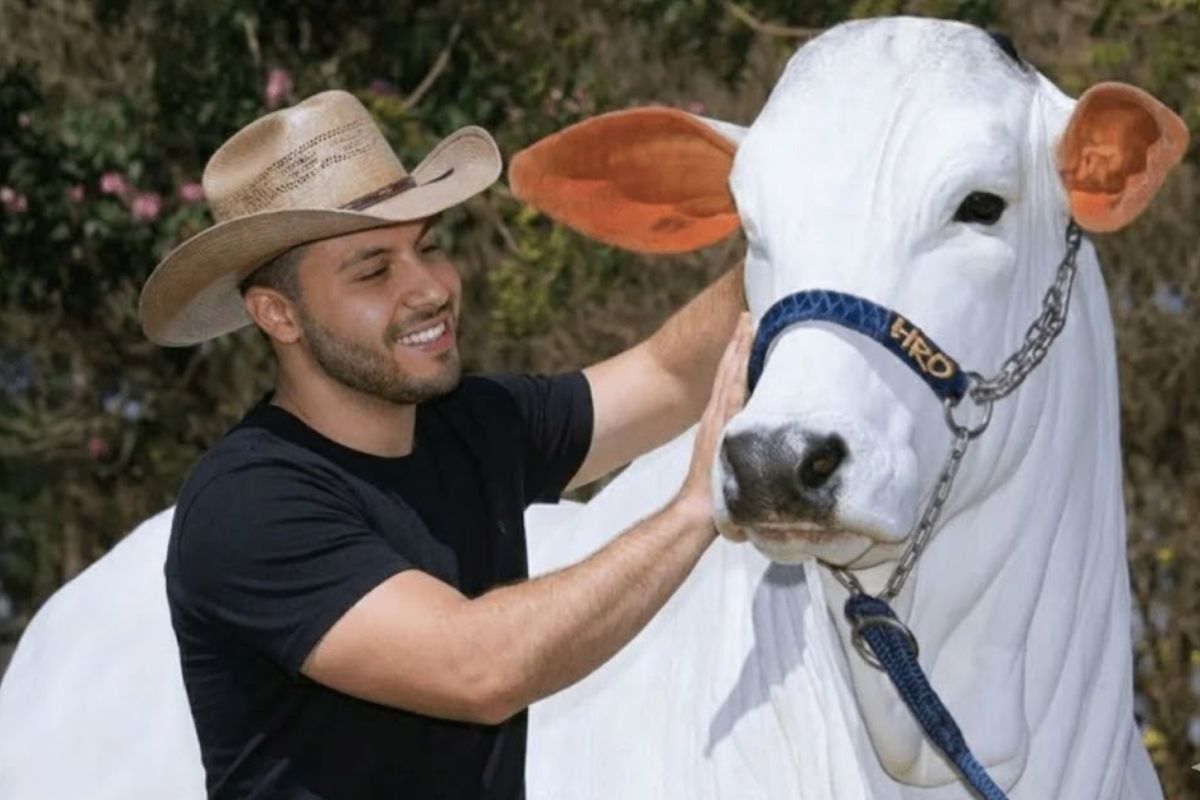
Born in Paraná and raised in Uberaba, the Paraná cow Donna establishes herself as a millionaire Nelore cow, generating 54 million in market value, 13 million in embryos, and attracting Murilo Huff and investors to record auctions where genetics, clones, and celebrity meet on Brazilian pastures.
At 10 years old and close to a ton, the Paraná cow Donna stepped out of rural anonymity to become one of the most talked-about assets in agribusiness, combining rare genetics, a showcase physical structure, and a history of awards that projected her as a reference for the Nelore breed. At the same time, her trajectory transformed the image of “the cow from Paraná” into a symbol of a market where embryos, clones, and millionaire shares are treated as high-yield investments.
In just a few years, the animal went from a track competitor to a millionaire cow with an estimated market value of 54 million reais, with shares widely distributed among large breeders and celebrities like Murilo Huff. In a single auction, 25% of her shares were sold for 13.5 million reais, while just three collections of embryos totaled around 13 million, consolidating the cow from Paraná as an extreme case of monetization of cattle genetics in the country.
From The Cow Of Paraná To The Millionaire Cow Of Nelore

The journey of the Paraná cow Donna helps explain why she has come to be referred to, in behind-the-scenes jargon, as the “queen of Nelore.”
-
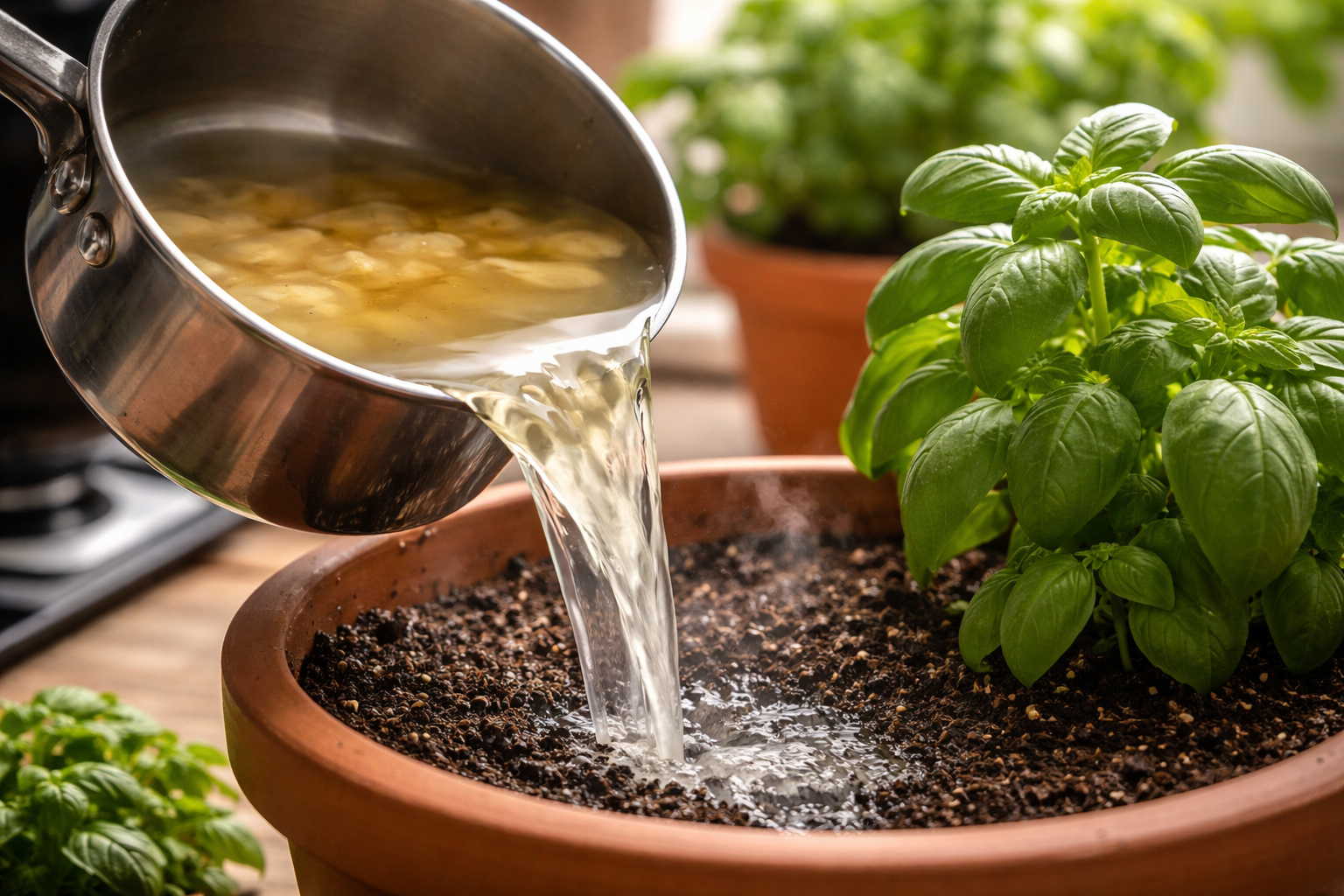
The water that almost everyone throws away after cooking potatoes carries nutrients released during the preparation and can be reused to help in the development of plants when used correctly at the base of gardens and pots, at no additional cost and without changing the routine.
-
The sea water temperature rose from 28 to 34 degrees in Santa Catarina and killed up to 90% of the oysters: producers who planted over 1 million seeds lost practically everything and say that if it happens again, production is doomed to end.

-
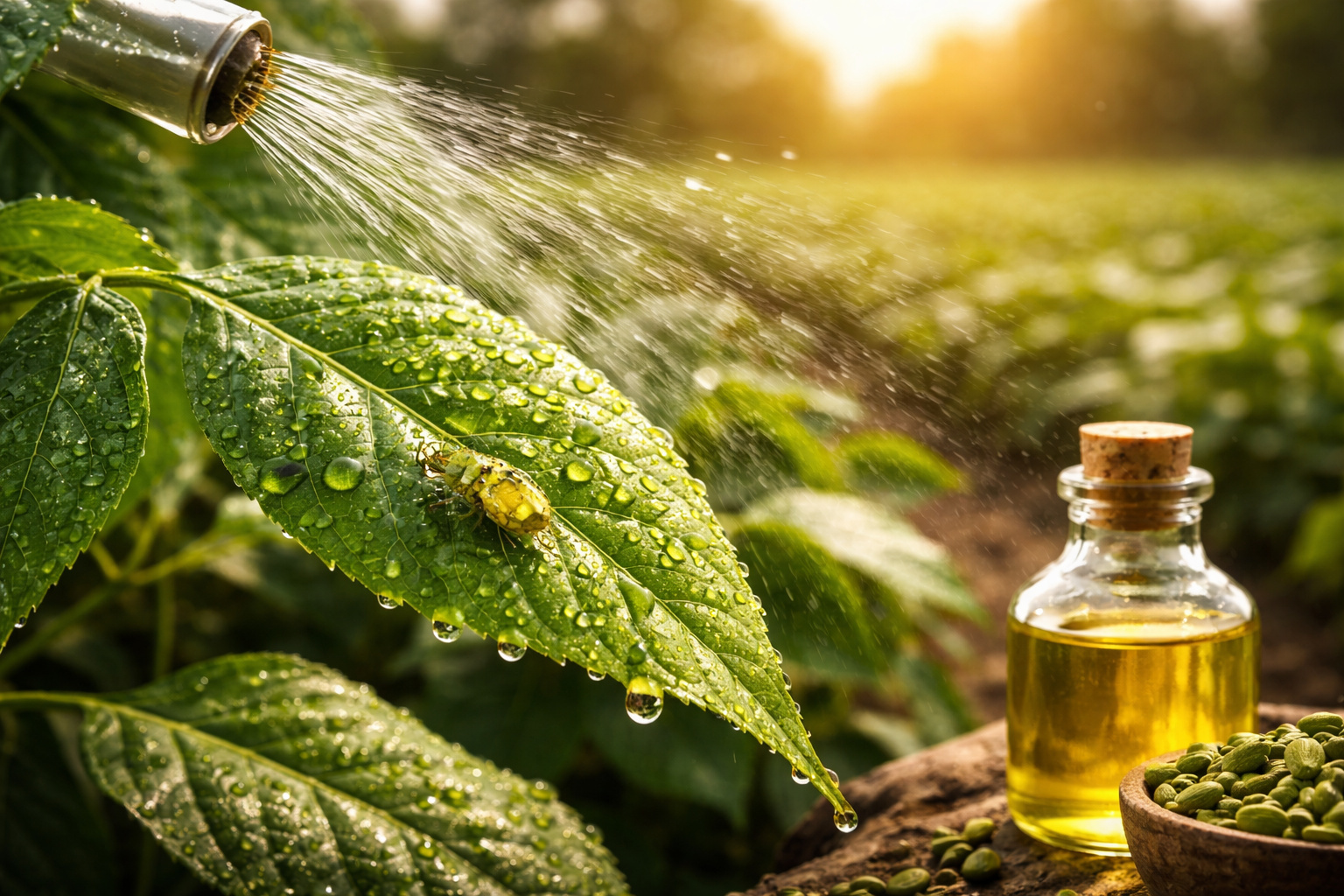
An Indian tree that grows in the Brazilian Northeast produces an oil capable of acting against more than 200 species of pests and interrupting the insect cycle, gaining ground as a natural alternative in soybean, cotton, and vegetable crops.
-
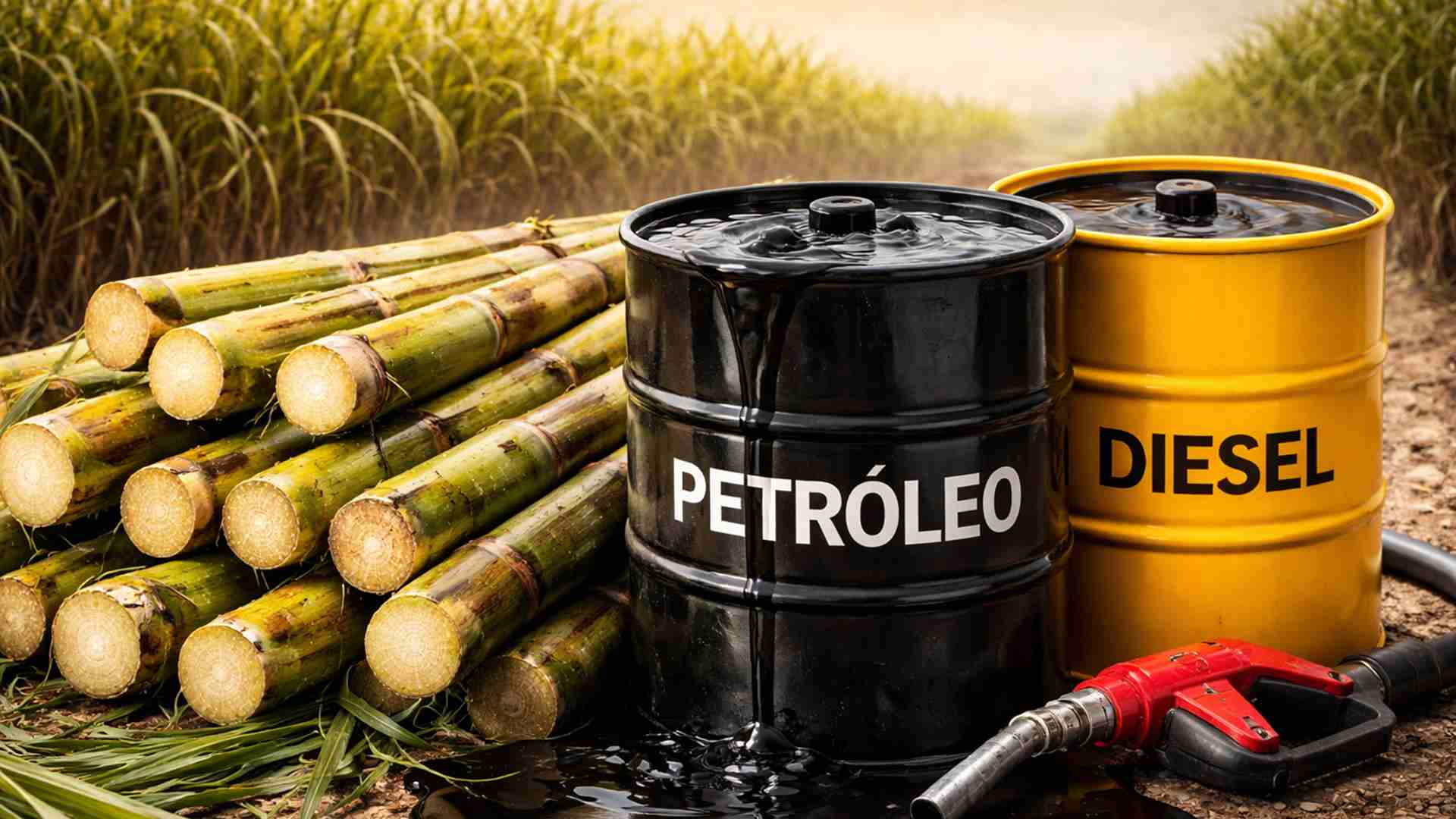
The rise in oil prices in the Middle East is already affecting Brazilian sugar: mills in the Central-South are seeing their margins shrink just as ethanol gains strength.

Born in Paraná and now raised in Uberaba, the Paraná cow converted her regional origin into a mark of national prestige, maintaining the label that emphasizes her provenance even after gaining prominence in auctions in Minas Gerais.
At ten years old, the Paraná cow Donna possesses physical and productive characteristics that Nelore breeders consider ideal for genetic improvement: strong structure, well-defined racial standard, high fertility, and a consistent history of valued offspring in auctions.
Each new result in the ring or in sales has reinforced the perception that the cow from Paraná is not just a good matriarch but an asset capable of raising the value of an entire herd.
From this combination of factors, the nickname that spread throughout the sector was born: millionaire cow.
Instead of being valued as a beef animal, the Paraná cow Donna began to be assessed by her ability to produce embryos, champion offspring, and new “showcase lineages.”
This logic underpins the calculation of the market value at 54 million, a figure that places the cow from Paraná at the top of the global list of Nelore females.
How To Reach 54 Million In Market Value
The value of 54 million reais does not arise from a single operation but rather from a series of auctions that have been “pricing” the Paraná cow Donna.
At a prior moment, 33% of the shares of the cow from Paraná were sold for millions of reais, at a level already considered historic for the Nelore breed.
In the most recent auction, another 25% were negotiated for 13.5 million, reinforcing the perception that the millionaire cow has become an asset in significant appreciation.
In practice, these percentages function as ownership stakes in the genetic performance of the Paraná cow Donna.
Whoever purchases a fraction of the millionaire cow gains the right to a portion of the embryos, the calves born, and future negotiations of shares.
This model transforms the cow from Paraná into a kind of “genetic fund” of high income, with shares distributed among traditional breeders and new investors.
It is in this context that the entry of Murilo Huff gains symbolic weight.
By joining the group of buyers, the singer exposes the Paraná cow Donna to a broader audience, reinforcing her label as the millionaire cow and helping to consolidate the image of the Nelore breed as a showcase for sophisticated investments in agribusiness.
Murilo Huff’s presence in the business signals that the genetics market has already surpassed the limits of traditional livestock to engage with celebrities and media capital.
Embryos, Eggs, And Clones: The Genetic Factory Of The Paraná Cow Donna
If the cow from Paraná is worth 54 million, it’s because the Paraná cow Donna delivers much more than just appearance in the ring.
The core of the business model lies in the eggs, embryos, and offspring.
In a single auction, just three “aspirations” of eggs from the millionaire cow were negotiated for around 13 million reais, a value that illustrates the market’s appetite for the genetics of the Nelore breed that she represents.
According to those responsible for the farm, the Paraná cow Donna is capable of producing approximately 100 embryos per month, a number that positions her as a true “genetic factory” of the Nelore breed.
These embryos are the result of the collection of eggs from the cow from Paraná and subsequent fertilization in the laboratory, to then be transferred to recipient females, the so-called “surrogate mothers.”
The strategy is not limited to the original cow.
Brazilian legislation has begun to allow and regulate cloning in agriculture, and the farm already has clones of the Paraná cow Donna, such as “Doninha” and other copies distributed among partners.
The existence of clones reduces the risk of sudden loss of a genetic asset valued at tens of millions, ensuring that the genetics of the millionaire cow of the Nelore breed remain available even in the face of potential health problems with the original animal.
Murilo Huff, Nelore Breed, And The Showcase For Elite Auctions
The participation of Murilo Huff and the Nelore Traia Veia group adds a layer of marketing and visibility to a business that is already financially robust.
For the market, having a celebrity associated with the Paraná cow Donna reinforces the appealing narrative: the cow from Paraná that became the millionaire cow of the Nelore breed and began to attract artists, investors, and fans to live and online auctions.
Behind the scenes, breeders report that the Paraná cow Donna has become a sort of “institution” of the Nelore breed, with fans following auctions, sending messages, and celebrating each new record.
The presence of Murilo Huff helps amplify this phenomenon, bringing the highly technical world of cattle genetics closer to an audience that, until recently, paid little attention to livestock auctions.
This does not change the productive logic but redefines how it is perceived.
The cow from Paraná ceases to be just a matriarch of the Nelore breed and takes on a symbolic place, both of the economic potential of genetics and the professionalization of rural entertainment.
Instead of just silent buyers, the auctions of the millionaire cow become events attended by physical and digital audiences.
A Queen Of Nelore In A Routine Of Laboratory And Pasture
Despite the figures, the daily life of the Paraná cow Donna still combines pasture routines with high-tech procedures.
At the farm in Uberaba, the cow from Paraná follows a schedule that includes baths, specific management, exclusive paddocks, and regular collections of eggs to maintain the rhythm of embryo production.
The structure has been designed to prolong the productive life of the millionaire Nelore cow as much as possible, respecting physical limits and optimizing the collection of genetic material.
The clones of the Paraná cow Donna follow part of this routine, increasing the production capacity without overburdening the original animal.
This genetic redundancy acts as a technical and financial insurance for the partners, who depend on the continuity of embryo supply to sustain the valuation of 54 million reais associated with the cow from Paraná.
At the same time, each new calf of the Nelore breed originating from Donna or her clones enters the market already carrying expectations of performance in the ring and value in future auctions.
This is the practical extension of the logic that turned the Paraná cow Donna into a global reference, articulating science, capital, and livestock tradition in a single animal.
What The Story Of Donna Says About Brazilian Agribusiness
The case of the Paraná cow Donna synthesizes a clear trend: that of an agribusiness where genetics is worth as much or more than meat production itself.
The cow from Paraná, now regarded as the millionaire cow of the Nelore breed, shows that the business can be structured around eggs, embryos, and family brands, with auctions functioning as a stock market for elite cattle.
The entry of Murilo Huff into this universe, sharing shares with traditional breeders, points to a convergence between entertainment capital and rural capital.
The extreme appreciation of the Paraná cow Donna reveals an agribusiness that operates at sophisticated levels of investment but also raises debates about income concentration, access to genetics, and the distance between the showcase of auctions and base-level livestock farming.
In the end, the story of the cow from Paraná that became the millionaire cow of the Nelore breed is both a symbol of success and a barometer of the moment in Brazilian agribusiness, where animals like Donna are treated as global financial assets.
And you, seeing the financial and symbolic weight of the Paraná cow Donna, would you enter an auction to buy a share of such an animal or do you think this level of investment is exaggerated in Brazilian agribusiness?









-

-

-

8 pessoas reagiram a isso.