





 Portuguese
  English
  Spanish
  6 min of reading
  0 comments


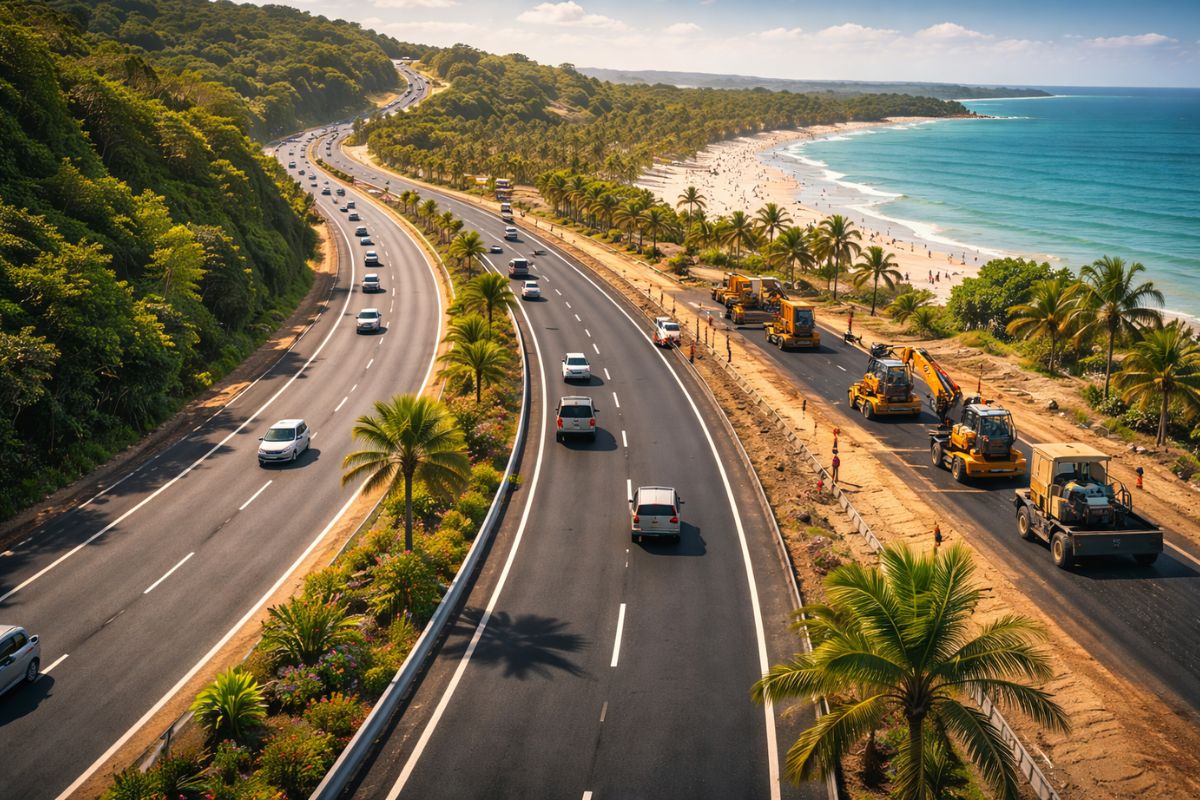
With An Investment Of US$ 60 Million, The Highway ERS-734 Enters The Duplication Of 6.53 Kilometers In Rio Grande, According To Daer, Which Forecasts Delivery By June 2026 After Delays Due To Expropriations, Side Road In Vila Maria And Repositioned Water Networks, Pressuring Safety And Mobility In Access To The Beach
The highway ERS-734, in Rio Grande, is expected to have its duplication completed and delivered by June 2026, according to Daer’s assessment. The reported investment is US$ 60 million, applied to a stretch of 6.53 kilometers considered strategic for the region’s logistical development.
However, the schedule carries the weight of a project that began in 2022 and was criticized by residents due to its duration. The official projection associates the delay with expropriations, the inclusion of a side road in the layout, and the repositioning of water supply networks, factors that affected the sequence of work fronts on the highway.
The Delivery Promised By Daer And What Is At Stake Until June 2026

Daer estimates that the duplication of the highway ERS-734 will be finalized and delivered by June 2026, connecting the travel between Rio Grande and the beach area more smoothly.
-
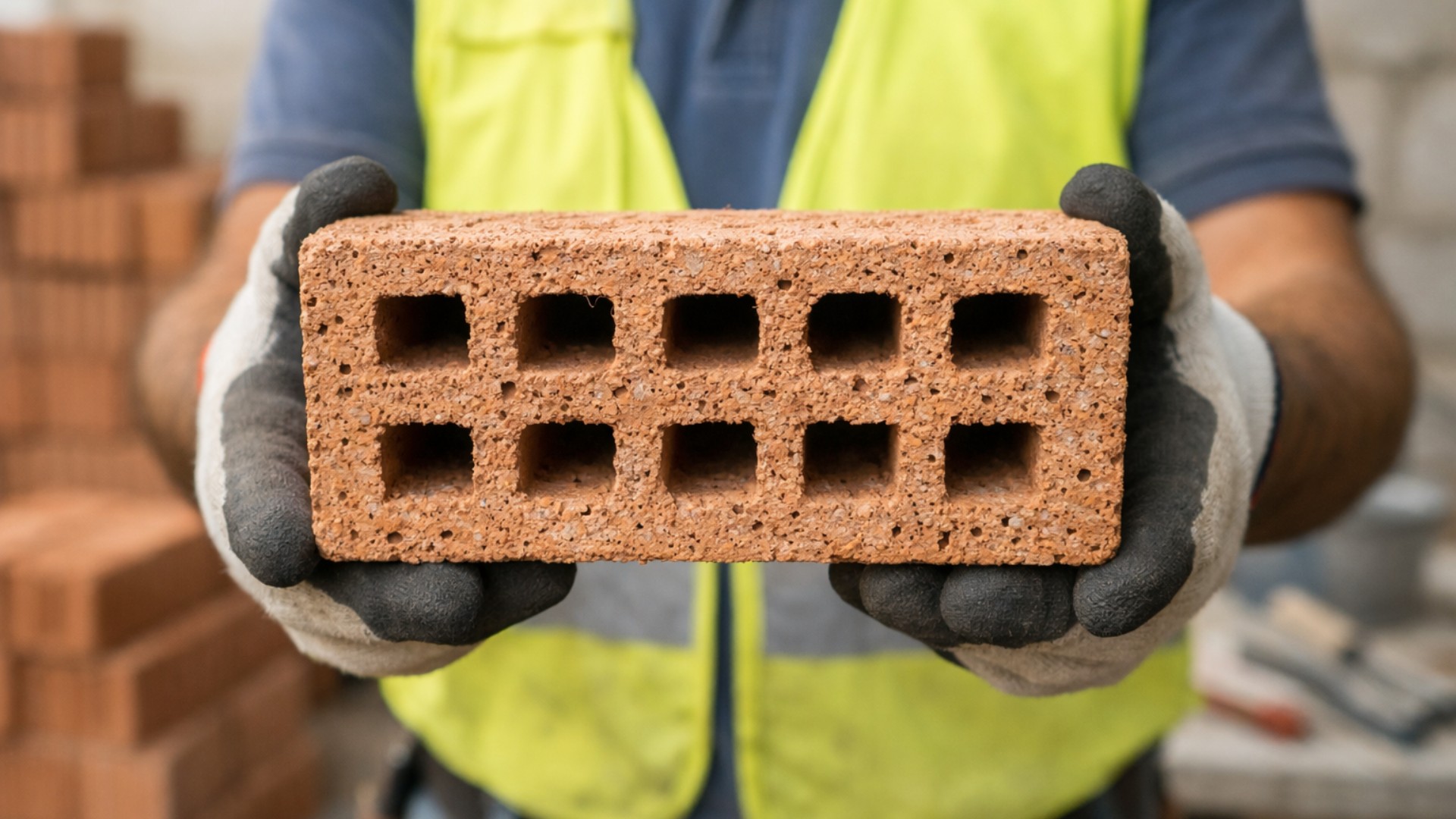
Scientists use sawdust mixed with clay to create a lighter brick, promising efficient thermal insulation and impressing by transforming waste into a solution for construction.
-
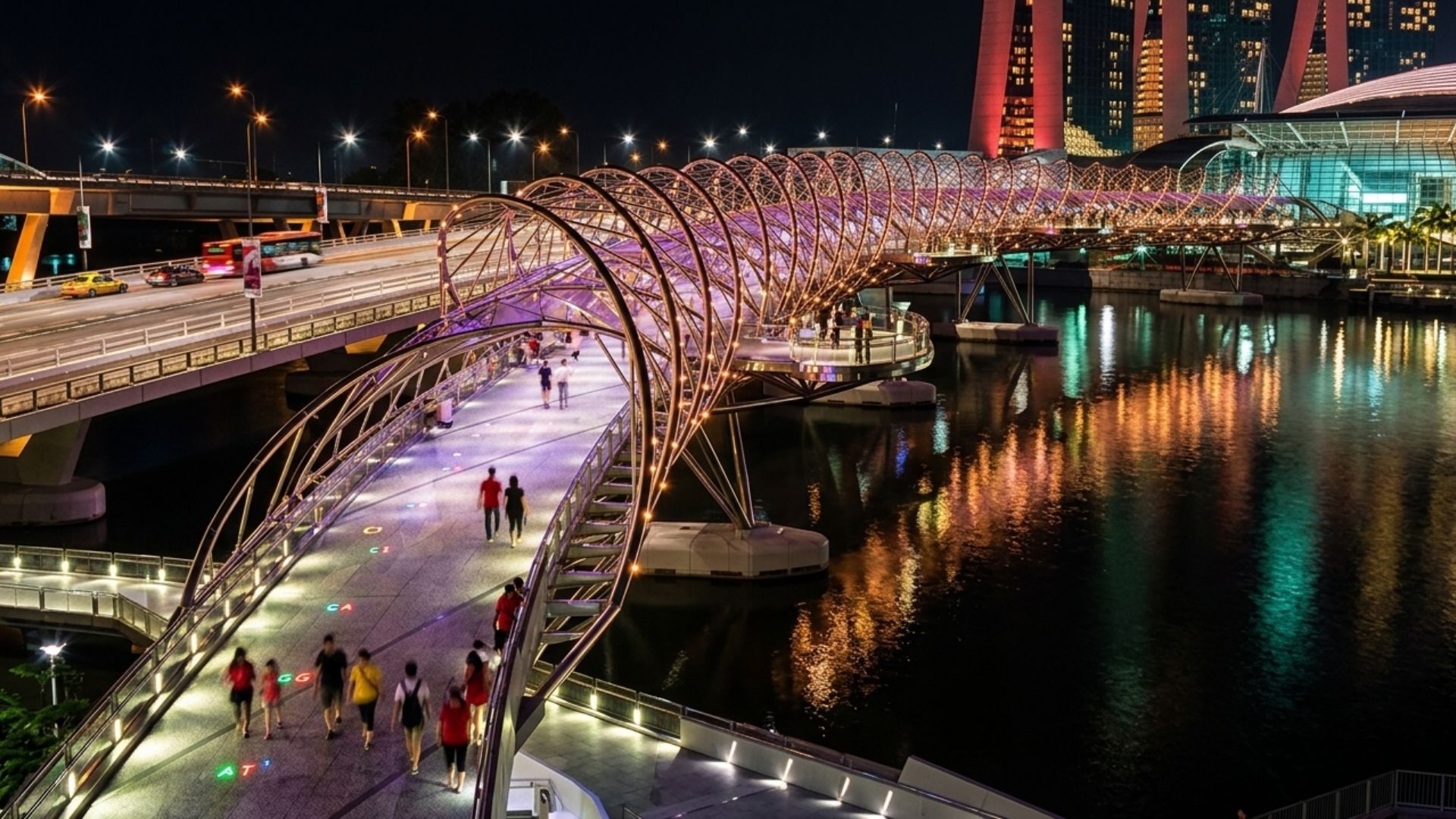
With a DNA shape, this bridge in Singapore draws attention in modern architecture and surprises tourists by transforming a simple crossing into an unforgettable visual experience in the urban heart.
-
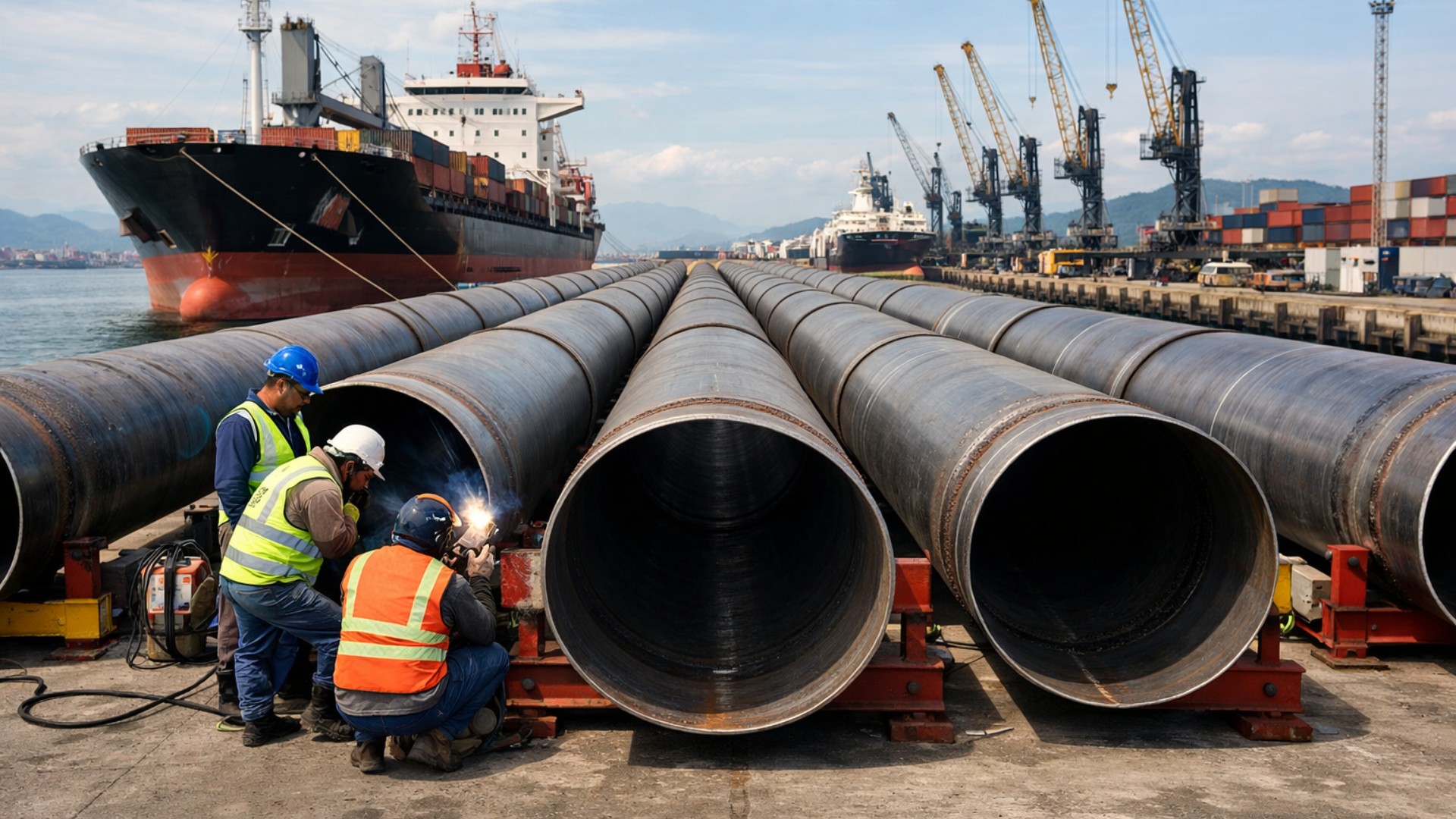
Giant underwater pipeline begins to take shape with a R$ 134.7 million project at the Port of Santos: the 1.7 km structure uses 12-meter and 700 mm pipes to supply water to 450,000 people in Guarujá.
-
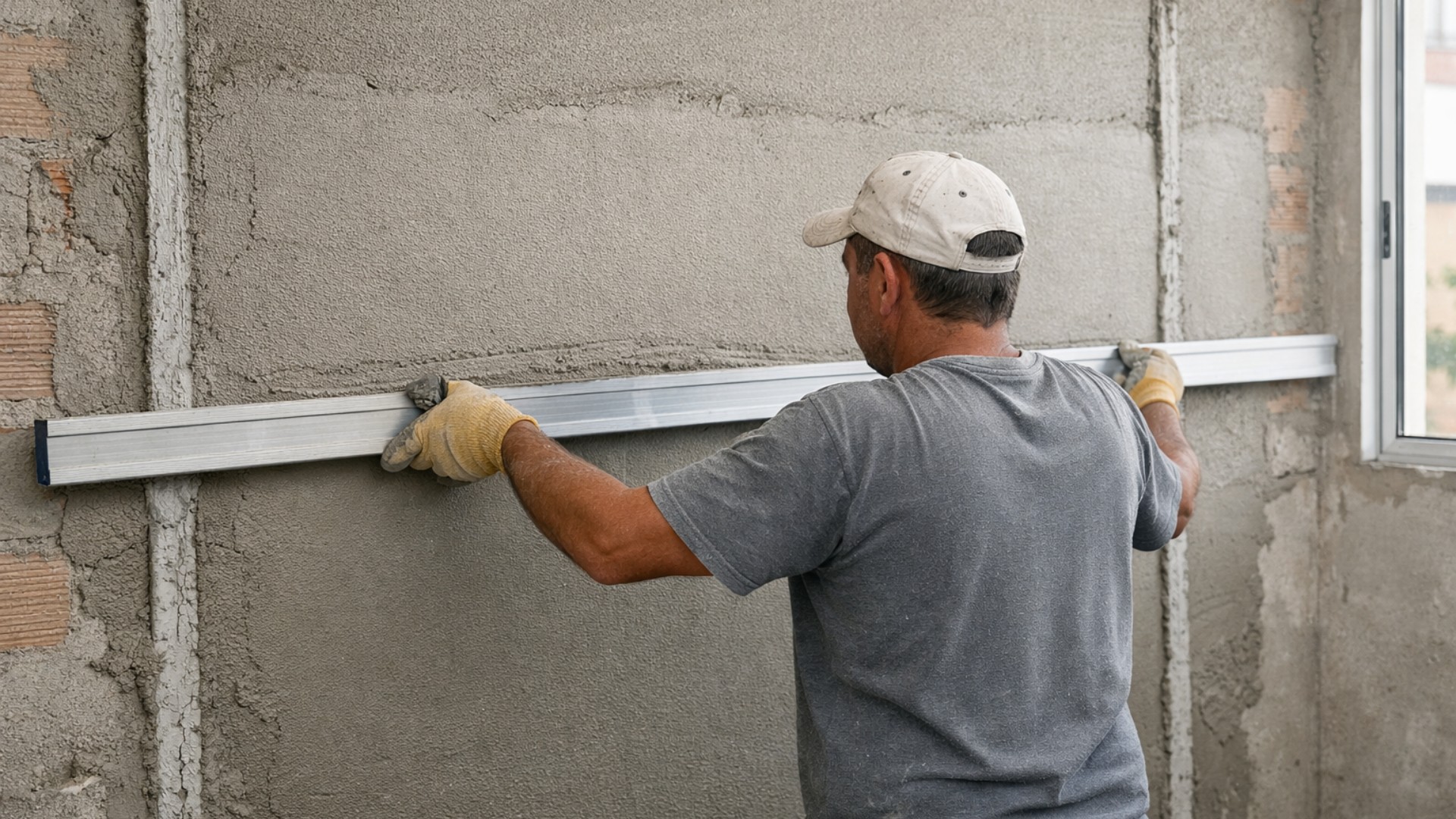
A mason reveals a professional plastering technique that uses aligned guides and a 3-meter ruler to plaster an entire wall in up to 3 hours, without visible seams, with uniform thickness, perfect plumb, and a finish ready for painting without rework.

The technical message is simple: duplication is not just about widening lanes; it is about reorganizing capacity, signaling, drainage, and points of conflict.
When a stretch of 6.53 kilometers is under construction with US$ 60 million, the expected effect is reduced travel time, less queue formation, and improved traffic regularity during peak hours.
The real test of the highway happens in daily use, when the duplication needs to prove that it delivers safety, not just speed.
The delivery in June 2026 also serves as a public accountability marker because the highway has come to be seen as a connection corridor, not merely as a secondary road.
If the duplication arrives with bottlenecks at accesses, returns, and crossings, the impact tends to shift from one point to another, preserving the sense of delays even after the inauguration.
Why The Highway Became A Priority For Mobility And Logistics

The modernization package is presented as a state government action to improve road infrastructure, focusing on safety and mobility.
In practice, the duplication of highway ERS-734 tends to redistribute local flows: the driver gains passing and maneuvering margins, and pedestrians will depend less on improvised crossings.
The logistical logic appears in the very official framing, which treats the highway as strategic for the region’s development.
When access to the beach and urban connections lose fluidity, the cost appears in time, fuel, and risk, and that explains why the duplication is described as part of a territorial competitiveness agenda in Rio Grande.
There is also an operational component that is difficult to measure before the work is completed: how the highway absorbs traffic peaks during busier periods.
Duplication increases capacity, but it only becomes a concrete improvement if accompanied by consistent signaling, lane discipline, and intersection design that reduces conflicts, especially on a highway that mixes local travel with through traffic.
The Delay Since 2022 And The Effect Of Interferences In The Layout
The interventions began in 2022, and this date is the benchmark cited for residents’ dissatisfaction.
According to Daer, part of the delay was due to the expropriation of homes along the layout, a stage that often halts projects due to its dependence on negotiation, administrative processes, and the physical release of areas.
Additionally, there was the inclusion of a side road between the junction and CTG Mate Amargo, in the Vila Maria area, which alters the layout, drainage, and accesses.
The repositioning of water supply networks also impacted execution. In road works, utility interferences often represent the invisible bottleneck, as they require coordination with concessionaires and create dependencies between stages within the highway.
The practical effect of these interferences is to break the chain of typical duplication services, such as earthworks, base and sub-base, paving, surface drainage, and final signaling.
When the highway is forced to wait for lane release or network relocation, the project loses continuity, increases indirect costs, and exposes traffic to temporary changes for extended periods.
The Political Discourse And The Local Reading Of Duplication
Commenting on the project, Governor Eduardo Leite stated that it is an intervention awaited by the population of Rio Grande and relevant for regional development.
He cited a set of investments in the Southern Region, in highways, schools, and hospitals, as an argument that the area is being served by public policies.
The effect of this type of statement is to place the duplication within a larger package and reduce the project to a symbol of state presence.
For the highway user, the question is operational: does the duplication reduce travel time and improve safety or only change the road’s layout.
This difference between narrative and daily use is what is likely to emerge after the planned delivery in June 2026.
The discussion also involves expectation and tolerance for deviations: the longer the construction period, the greater the risk that the public will associate the highway with permanent disruption.
Therefore, the official communication regarding June 2026 functions as a commitment, but the experience of drivers and pedestrians will be the final parameter to judge the duplication.
The State Package On The Coast And The Comparison With Other Highways
The government confirmed an investment of over US$ 350 million in the highways of the coastal region of Rio Grande do Sul to improve vehicle flow and safety.
Daer is executing maintenance, restoration, and paving duplication services, linked to the Secretariat of Logistics and Transport, and uses this set to justify a corridor strategy, not just isolated stretches.
During this period, the recovery of RSC-101 had a contract extended in 2025, with an increase of US$ 51.8 million, raising the total investment to US$ 146.8 million.
The mentioned stretch covers 186 kilometers, from Osório to Tavares, passing through Mostardas, Capivari do Sul, and Palmares do Sul.
Even outside of Rio Grande, the pattern repeats: a long highway usually requires continuous maintenance and works that compete for budget with duplication.
This comparison is important because it helps explain why engineering and budget decisions are rarely isolated.
When duplication is announced on one highway and restoration on another, what is at stake is the balance between immediate safety, fluidity, and regional economic impact, which tends to reorder priorities throughout the execution cycle.
Tramandaí, ERS-786 And The Contrast Of Scale With ERS-734
In Tramandaí, the duplication of a stretch of ERS-786 is underway, with an injection of US$ 15.2 million.
The mentioned services include paving, the implementation of a bike lane, widening with two lanes in each direction, and lighting, at an intersection in the Nova Tramandaí area.
The project occurs through a state agreement with the municipality, a format that changes governance and execution speed.
In comparison, the duplication of highway ERS-734, in Rio Grande, carries heavier interferences, such as expropriations and network repositioning, and therefore has been pushed back since 2022.
The cost of delay appears in the confidence of the schedule, and the public benchmark becomes June 2026.
The contrast is also seen in the type of conflict that each highway faces.
An intersection with a bike lane and lighting tends to have concentrated impacts and localized gains; on the other hand, the duplication of a 6.53-kilometer stretch may alter displacement patterns in a chain reaction.
Thus, measuring the result in Rio Grande depends on observing the highway’s behavior during critical hours and its connections with the surroundings.
The duplication of 6.53 kilometers on highway ERS-734, in Rio Grande, enters 2026 with an explicit commitment to delivery by June 2026, supported by US$ 60 million and a justification of safety and logistics.
The history since 2022 shows that road works have not been delayed for a single reason, but rather due to a combination of expropriations, layout adjustments, and water interferences.
If you use this highway, which stretch today makes you lose the most time, the urban approach, the Vila Maria area, or the connection to the beach, and why? And, considering the investment, do you believe that duplication is a real priority, or did the highway first need maintenance and safe crossings?








Seja o primeiro a reagir!