





 Portuguese
  English
  Spanish
 5 min of reading
  0 comments



With Works on 81 Kilometers Between União da Vitória and São Mateus do Sul, BR-476 Undergoes Pavement Correction, New Asphalt Layer, and Expanded Drainage in a R$ 92 Million Package Aimed at Reducing Accidents, Gaining Fluidity, and Unlocking the Regional Flow of Cargo, Services, and People.
BR-476 enters a new phase with the R$ 92 million package coordinated by DNIT, in partnership with companies contracted through bidding, to recover one of the most important stretches in the interior of Paraná. In addition to tackling critical points of pavement and drainage, the works directly target road safety and route reliability.
Throughout the 81 kilometers between União da Vitória and São Mateus do Sul, BR-476 shifts from being merely a highway with sporadic maintenance to receiving a structured cycle of interventions, with completion of the main fronts expected by 2027 and scheduled maintenance until 2030. The goal is for the axis to consolidate as a stable corridor for production of agricultural goods, industrial cargo, and daily commuting of the population.
What Is Being Done on BR-476

According to the official planning, BR-476 undergoes a sequence of services that go far beyond simple “pothole patching.”
-
Scientists transform sawdust into fire-resistant panels, stabilize the compound with an enzyme extracted from watermelon seeds, and turn waste into promising material for construction.

-
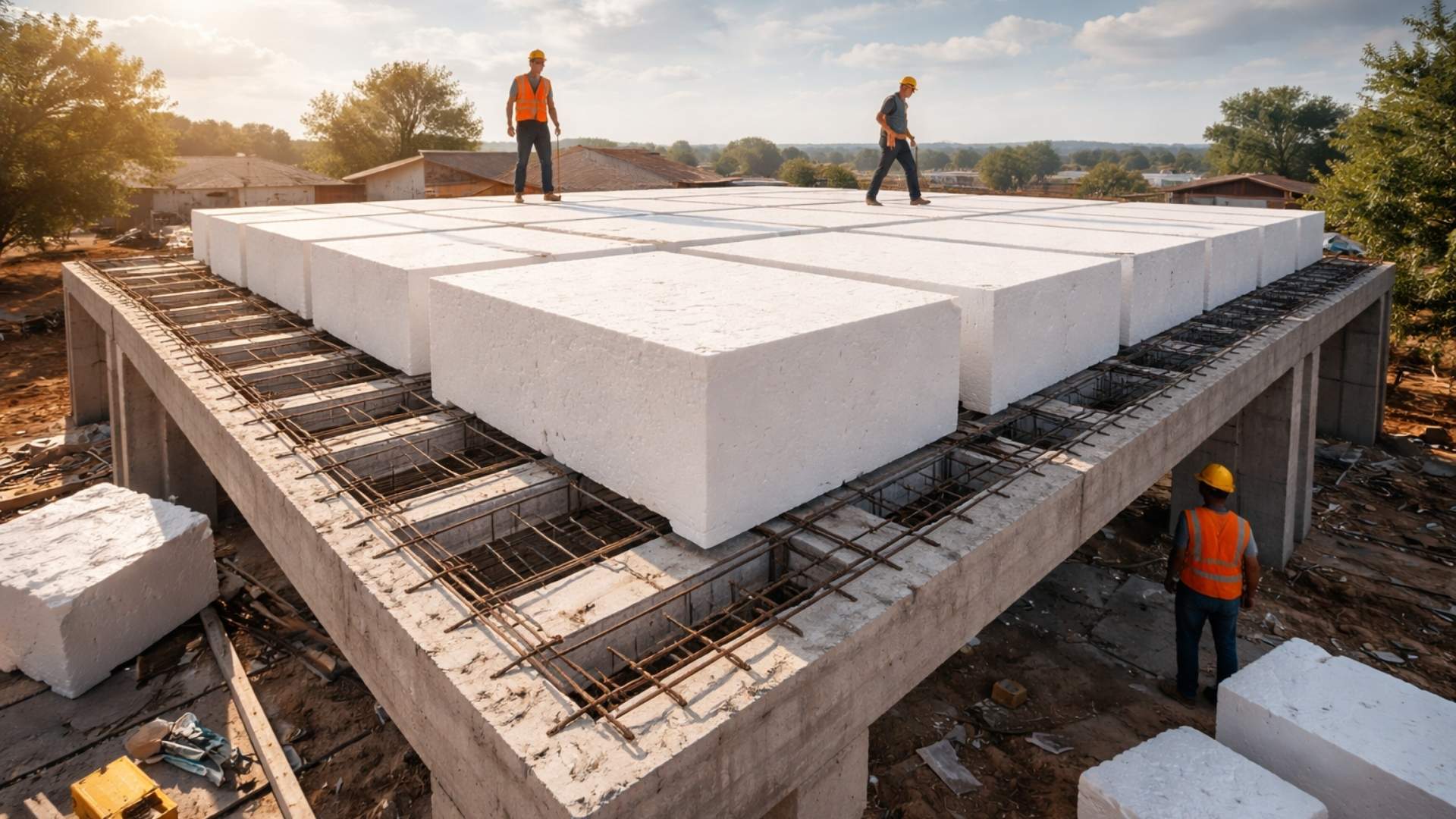
Forget concrete: architects are replacing tons of concrete with giant blocks of expanded polystyrene to build the roofs of houses and reduce structural weight by up to 50%, cut costs, improve thermal insulation, and speed up construction.
-
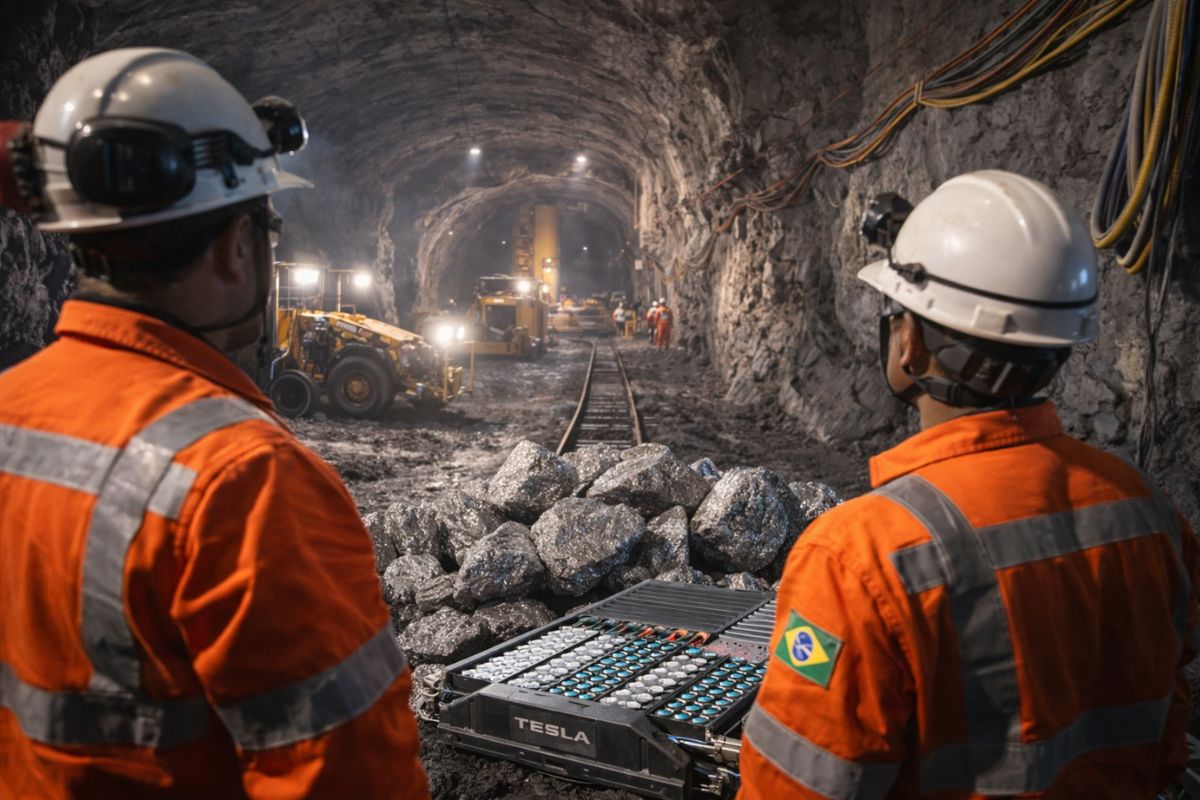
The Brazilian state enters the center of the global race for critical minerals by starting the construction of the largest underground nickel mine in Latin America, a mineral essential for electric car batteries that the entire world is competing for at this moment.
-
New CCR concrete paving technology promises roads up to 3x more durable, less maintenance, and cost reduction in Brazil.


The maintenance includes correction of damaged sections, deep patching, milling of the old pavement, and application of Hot Mixed Bituminous Concrete (CBUQ), a technique that increases the durability and performance of the road.
In practice, this means reconstructing the most compromised layers of BR-476, stabilizing the base, and applying a coating with a longer lifespan in historically problematic sections.
The combination of milling and CBUQ reduces deformations, undulations, and cracks that compromise braking, grip, and ride comfort.
In parallel with the asphalt, there is an explicit focus on drainage.
BR-476 receives shallow and deep drains, as well as the construction of curbs and concrete gutters, to ensure the drainage of rainwater and prevent infiltrations that destroy the roadway structure.
In areas of incline and decline, this drainage is crucial to reduce puddles, aquaplaning, and erosion on the margins.
How the Works Package Stimulates the Local Economy

Works of this scale on BR-476 do not only impact drivers and transporters.
The investment of R$ 92 million injects resources directly into engineering companies, support services, lodging, food, and commerce in the surrounding municipalities.
Cities like União da Vitória and São Mateus do Sul receive construction sites, technical and operational teams, machinery, fuel, and supplies.
This creates temporary jobs, increases the demand for inns, restaurants, and small businesses, in addition to generating contracts with local suppliers.
At the same time, the improved flow on BR-476 tends to reduce the logistics cost for rural producers, industries, and transport companies that rely on the highway to deliver goods to consumption centers and other states.
Less time idling, reduced fleet wear, and more predictable routes translate into competitiveness, which is essential for inland regions that compete for markets with other transport corridors.
Safety, Logistics, and the Strategic Role of BR-476 in Paraná
BR-476 is a fundamental highway axis for Paraná because it connects producing areas in the interior to routes that provide access to the Southeast and other logistical corridors.
When BR-476 is in good condition, the flow of agricultural and industrial production gains predictability, reducing the risk of delays, losses, and accidents.
Deteriorated pavement, insufficient drainage, and poor signage increase the risk of collisions, runs off the road, and rollovers, especially in sections with heavy truck traffic.
By reinforcing the surface, correcting structural defects, and renewing the surface, the works package on BR-476 directly addresses the reduction of these risk factors.
From a logistical standpoint, BR-476 functions as a link between medium-sized municipalities, producing rural areas, and transportation networks that reach ports, industrial centers, and distribution hubs.
Maintaining BR-476 in good condition is, therefore, a policy of regional development as much as an action of infrastructure conservation.
Deadlines, Traffic Interferences, and Execution Challenges
The interventions on BR-476 are planned to be completed by 2027, with maintenance contracts ensuring continuous attention until 2030.
In a long-term outlook, this signals that the highway will not be limited to emergency works but will follow a structured cycle of conservation.
During execution, however, users feel immediate effects on traffic.
Operations of “stop and go,” partial lane closures, and speed reductions at work fronts are common.
These temporary interventions are necessary to allow safe operation of teams and heavy machinery along BR-476, but require additional planning from those who traverse the stretch daily.
From a technical standpoint, the challenge lies in reconciling schedule, weather, and heavy traffic intensity.
Prolonged rains can delay milling and application of CBUQ, while the constant flow of trucks demands well-dimensioned signage to avoid long queues and accident risks at work sites.
Why Monitoring the Maintenance of BR-476 Matters to the Region
BR-476 encapsulates in 81 kilometers a larger discussion about infrastructure in the interior of the country.
When a strategic highway like BR-476 receives consistent investment, the effects show in safety, competitiveness of local businesses, and the quality of life for those who depend on the road for work, study, or access to services.
Transparency about the progress of the works, social oversight of the schedule, and dialogue between DNIT, municipalities, and the community help ensure that the R$ 92 million package delivers what it promises: a safer road, efficient drainage, lower logistics costs, and a more favorable environment for new productive investments.
For the common user, monitoring the evolution of BR-476 means understanding why certain sections are under construction, planning alternative routes when necessary, and, most importantly, demanding continuity of maintenance after the completion of the major works.
A highway only remains safe if the conservation cycle is not interrupted.
Ultimately, BR-476 is more than a line on the map: it is the infrastructure that supports jobs, supply, and opportunities in the interior of Paraná.
Ensuring that this corridor is in good condition is to defend a development project regional that is not limited to the capitals.
And you, who travels or has traveled on BR-476, have you noticed an improvement in the road conditions with the works or still face many problems along the stretch?









Seja o primeiro a reagir!