





 Portuguese
  English
  Spanish
  4 min of reading
  2 comments


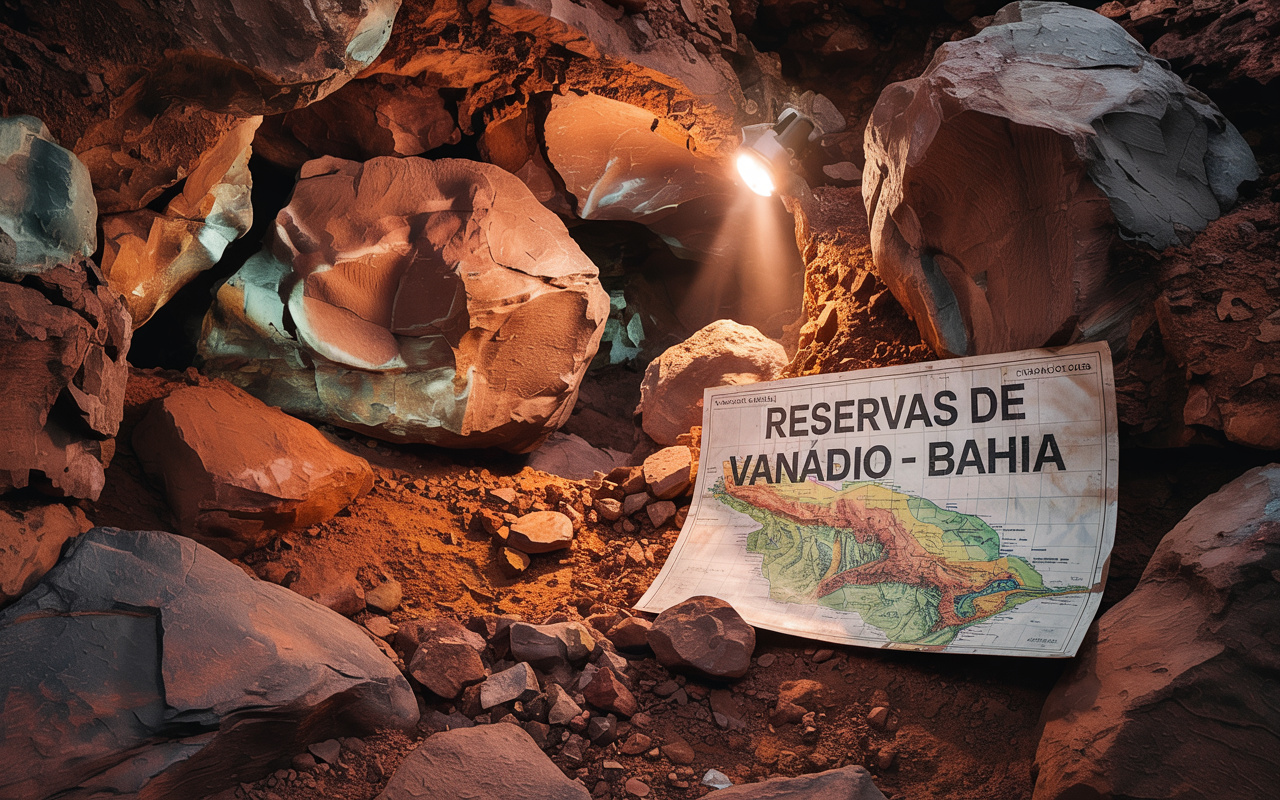


In the Bahia Hinterland, the Maracás Menchen Vanadium Mine May Place Brazil Among the World’s Largest Producers. Understand Why It Is Strategic for Batteries and Clean Energy.
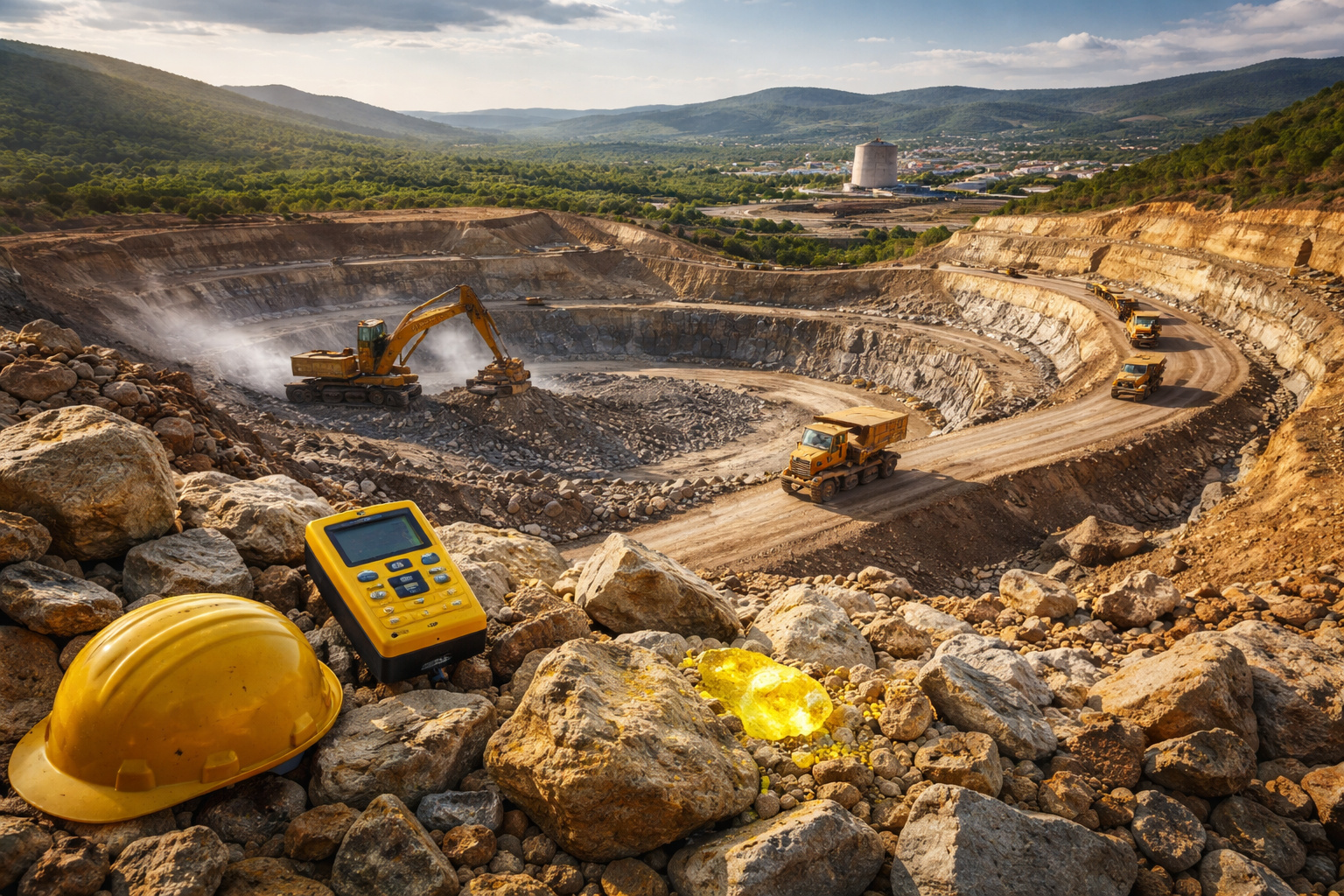
In the Bahia hinterland, more precisely in the municipality of Maracás, lies one of the largest and purest vanadium reserves on the planet — a strategic metal increasingly contested in the global energy transition. This is the Maracás Menchen Mine, operated by Largo Inc., a Canadian mining company that has been transforming the region into a hub for exporting critically valuable minerals.
Still little known to the general public, this Brazilian deposit already supplies international markets and has the potential to place Brazil among the largest vanadium producers worldwide, only behind giants like China and Russia. And the most impressive part: with operational costs among the lowest in the industry.
What Is Vanadium and Why Does the World Want It So Much?
The vanadium (V) is a transition metal traditionally used to strengthen construction steel, especially in rebar, pipelines, and structures of bridges and buildings. However, its geopolitical importance has surged in recent years for another reason: its use in redox flow batteries, a promising technology for large-scale renewable energy storage.
-
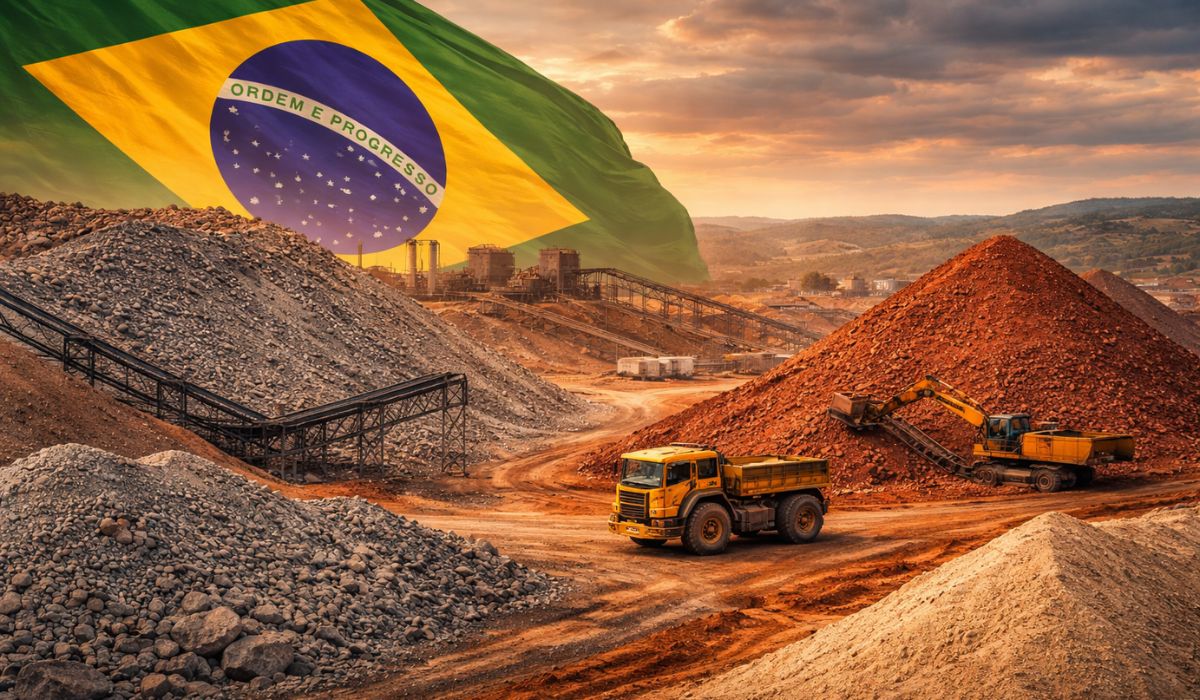
Brazil extracts 26.3 million tons of ore from what was previously treated as waste, transforming residues into wealth, producing over 3 million tons of sand, and demonstrating how national mining is relearning to generate value.
-
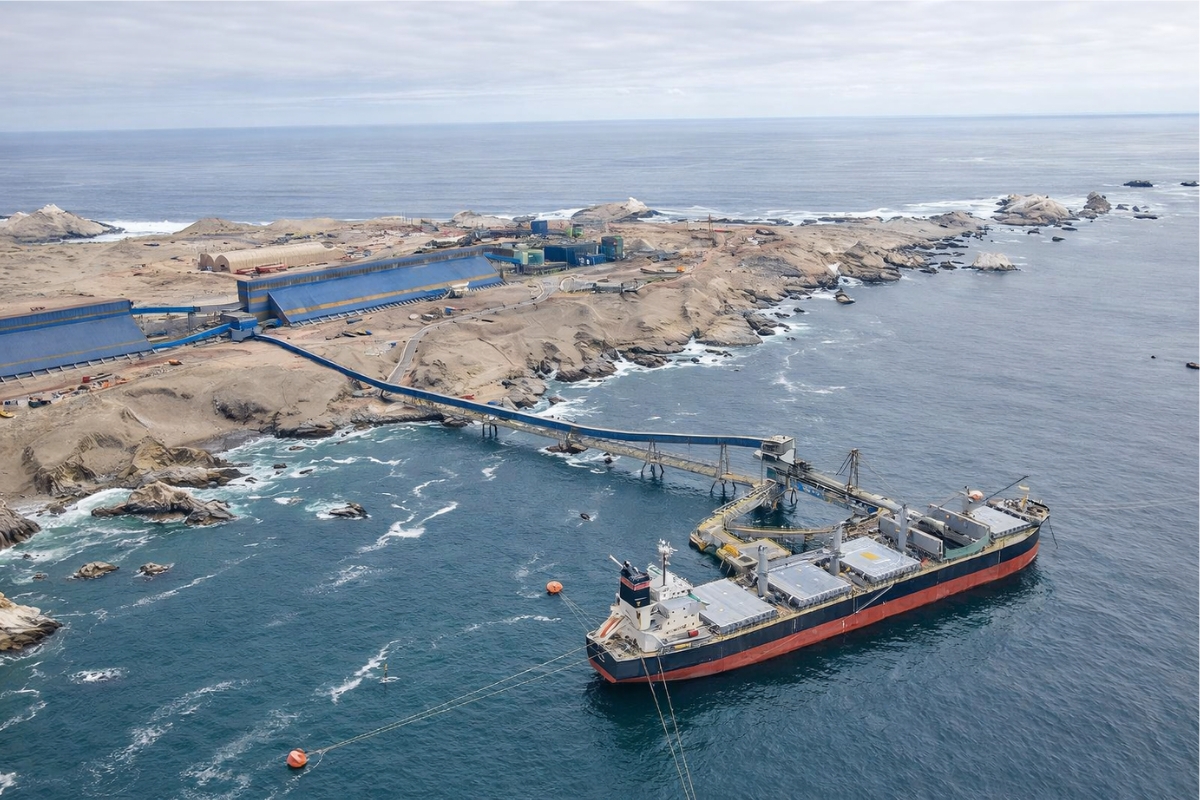
A $3.5 billion megaproject in Latin America pumps desalinated seawater at 1,050 liters per second over 194 km to keep a copper supermine in the Andes operational for another 20 years.
-
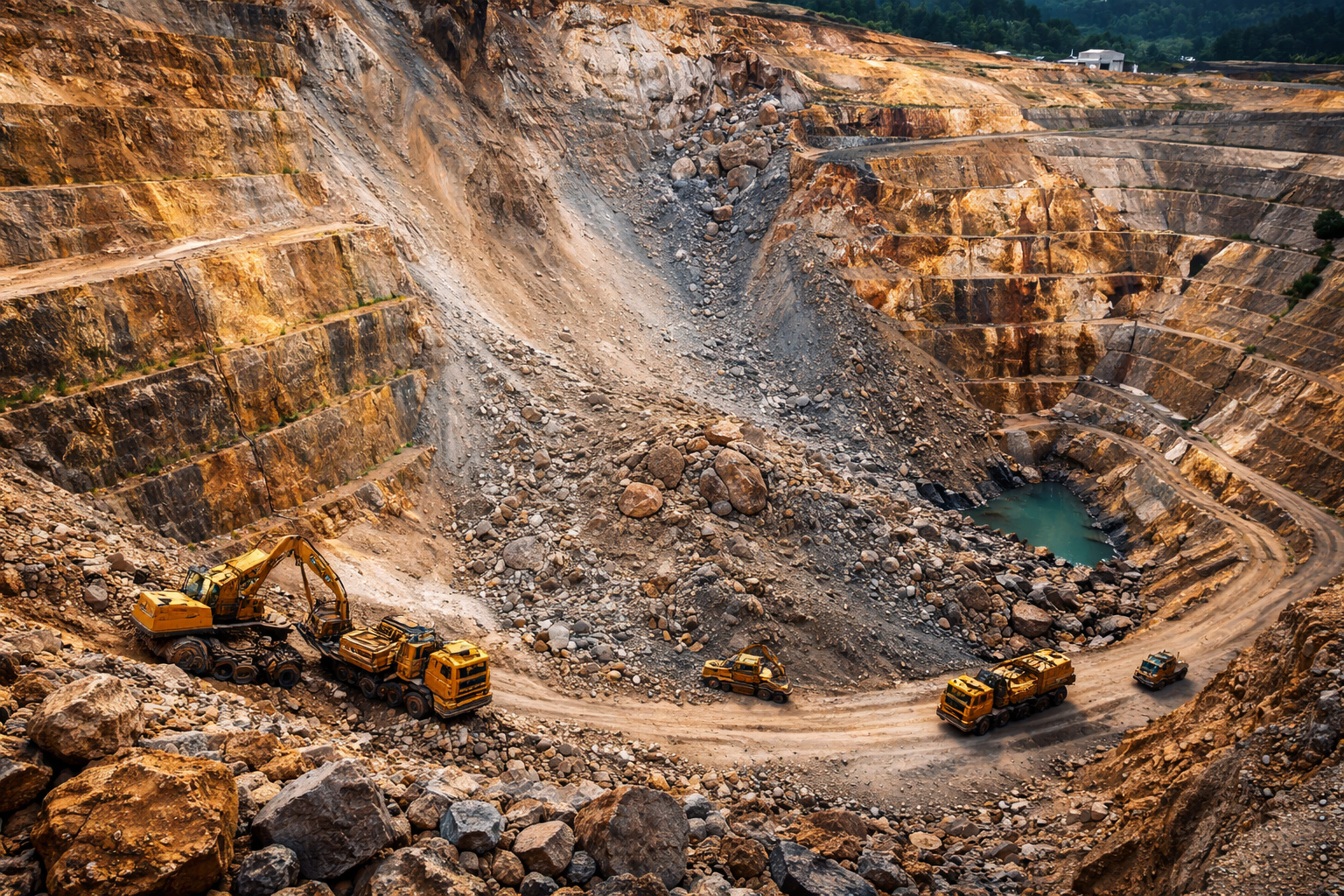
A hidden mine in the Andes valued at nearly R$ 1 trillion is starting to attract global attention, containing copper, gold, and silver, and raises an intriguing question: why do Argentina and Chile need to act together to exploit this gigantic wealth?
-
A silent discovery in the interior of Bahia could change the future of energy in Brazil: a uranium reserve in Lagoa Real has an estimated capacity to produce 400 tons per year and is already attracting the attention of energy sector specialists.


While lithium is the protagonist in portable and automotive batteries, vanadium emerges as a solution for stationary storage, ideal for solar plants and wind farms — a key component in the consolidation of a clean and decentralized energy matrix.
Maracás Menchen: The Brazilian Vanadium Mine That Impresses the Market
The Largo Inc. mine began commercial operations in 2014, but it has been in recent years that it has become a key player in the global mineral supply chain. It stands out for:
- Very High V₂O₅ (Vanadium Pentoxide) Grades – around 0.8%, higher than the global average
- Vertical Integration of the Supply Chain: the company extracts, processes, and delivers value-added products like VPURE® and VPURE+®
- Operational Life of Up to 31 Years with expansion already underway
- Operating Cost Between US$ 4.50 and US$ 5.50 per Pound, considered one of the lowest in the industry
- Integrated Operation with Titanium Plant (Ilmenite) and future exploration of other deposits in the same mineral district
Current Production and Projections Until the End of 2025
According to recent reports from the company itself, production in 2024 was approximately 9,264 tons of vanadium (V₂O₅ equivalent), with sales to the international market reaching 9,600 tons. The projection for 2025 is even more ambitious: between 9,500 and 11,500 tons produced.
Additionally, the newly inaugurated ilmenite processing plant aims to deliver up to 35,000 tons of titanium concentrate by the end of 2025.
Where Does Brazilian Vanadium Go?
The vanadium produced in Maracás is exported to high-performance steel industries, catalyst manufacturers, and more recently, energy companies interested in redox flow batteries.
Brazil, with this single active mine, already appears as a relevant player in the global vanadium trade, being one of the few countries outside China capable of providing consistent and stable volumes of the metal.
The Rare Geology That Favors Maracás
Unlike other global deposits, Maracás combines high grades with ease of beneficiation. The deposit is hosted in rocks called ultramafic mafic rocks — and contains continuous and thick zones of titaniferous magnetite rich in vanadium. The metallurgical recovery is high, which helps ensure wide operating margins even in cycles of low global prices.
Additionally, the company identified new satellite deposits such as Gulçari Norte and Novo Amparo, which could extend the mine’s operational life until 2050.
Sustainability and Innovation
Largo Inc. has been investing in modern environmental practices, including water reuse in beneficiation, strict waste management, and rehabilitation of mined areas. Recently, it also began recovering vanadium from furnace dust and solid waste, increasing efficiency and reducing dependence on raw extraction.

Furthermore, the company is also developing projects for the use of its own vanadium in energy solutions, such as vertical flow batteries, with its own brand — a rare move for a mining company.
Brazil’s Role in the New Geopolitics of Critical Metals
With the explosion in demand for batteries, turbines, and clean technologies, metals like vanadium, cobalt, lithium, and rare earths have gained status as “metals of the future.” Countries like the USA, Japan, and the European Union have created policies to ensure a secure supply of these inputs — often in tension with China, which dominates the refining of many of them.
In this context, Brazil emerges as a reliable and democratic alternative, with vast natural resources, stable legislation, and technical capacity. The Maracás Menchen mine is one of the assets supporting this strategic positioning.
Few Brazilians know, but in the heart of the Bahia hinterland lies one of the keys to the energy of the future. The Maracás vanadium mine, operated by Largo Inc., is already a technological, economic, and geopolitical reality.
With the potential to supply both the steel industry and the clean energy sector, this deposit has everything to consolidate Brazil as a global leader in the vanadium market, opening space for investments, skilled jobs, and strengthening high-value production chains.









Se essa mina de Vanadio fosse para o bem da população não dizia nada, mas o Brasil um país riquíssimo em recursos naturais não é capaz de retirar a sua população da pobreza, Brasil riquíssimo mas tem um povo que sobrevive na sua pobreza.
Mais uma perda da CAEMI