





 Portuguese
  English
  Spanish
  4 min of reading
  33 comments





With Minimum Wages Exceeding R$ 16 Thousand, Strong Demand in IT, Finance, and Construction, and Clear Immigration Rules, Luxembourg Establishes Itself as a Coveted Destination for Brazilians Seeking High Income, Efficient Public Services, and a Real Perspective for Professional Advancement, with Social Stability, Security, and Cost-Effectiveness Attractive to Families
Luxembourg has firmly entered the radar as a coveted destination for Brazilians looking to work abroad without sacrificing high salaries, security, and a solid social structure. In 2025, the European country pays a minimum monthly wage of € 2,637.79 for unskilled workers and € 3,165.35 for qualified ones, which is equivalent to about R$ 16.2 thousand and R$ 19.5 thousand, respectively—an unreachable figure today for most positions in Brazil.
This combination of robust minimum wage, strong demand for labor, and immigration policies aimed at foreign talent explains why Luxembourg has become one of the most mentioned destinations in professional migration groups. While Brazil operates with a minimum wage of R$ 1,518 in 2025, the small European country offers starting income close to R$ 20 thousand, especially appealing to qualified profiles willing to face a structural life change.
Why Luxembourg Became a Coveted Destination for Brazilians

The first factor is objective and numerical.
-
Archaeologists find a colossal 2,000-year-old vessel at the bottom of the sea near Alexandria linked to the elite of Egypt and reveal a pleasure barge from the last dynasty of the pharaohs that the sea has hidden for centuries.

-
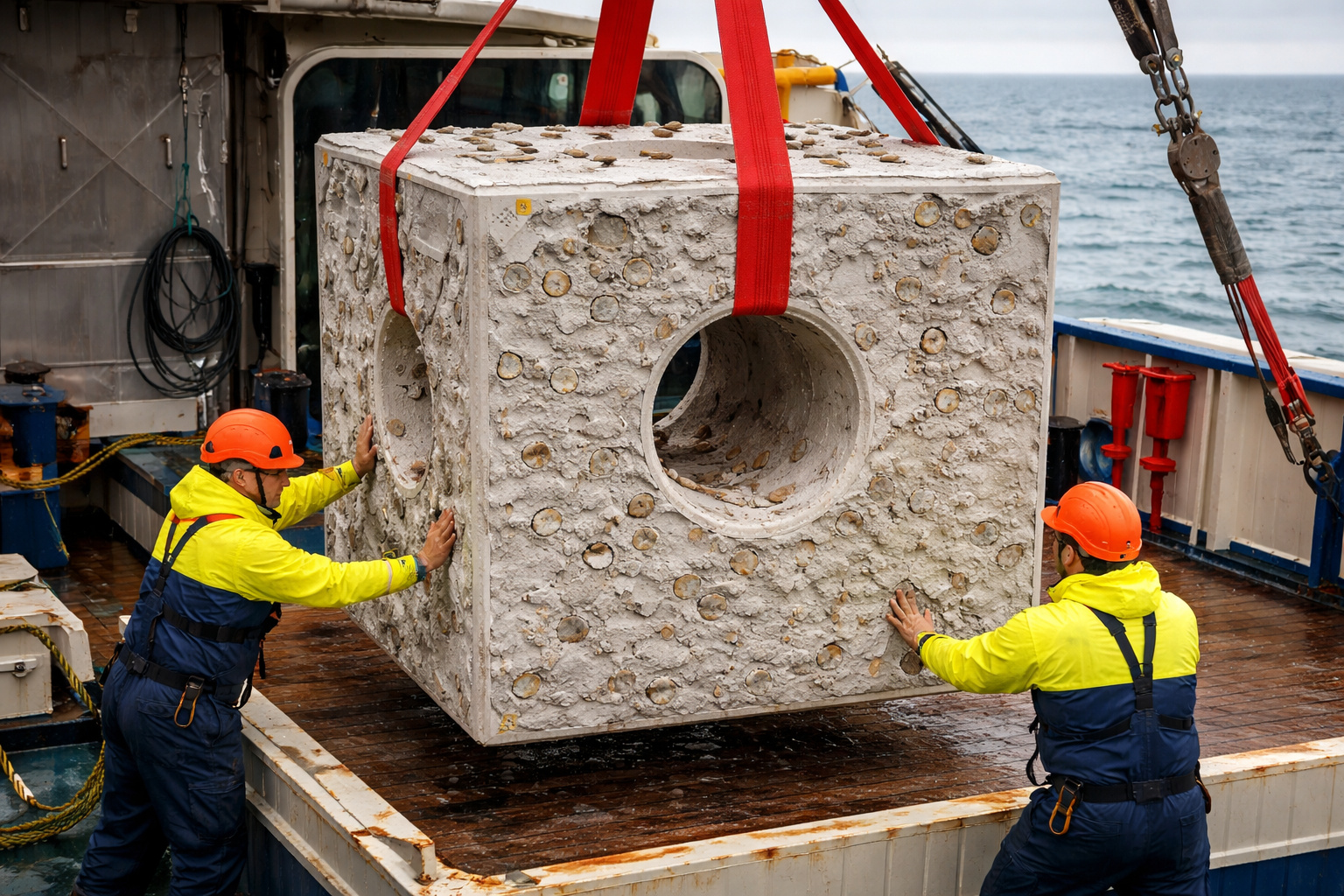
United Kingdom clears 40 tons of shells and concrete into the sea in an innovative project that promises to restore a marine ecosystem lost for over 200 years and improve water quality.
-
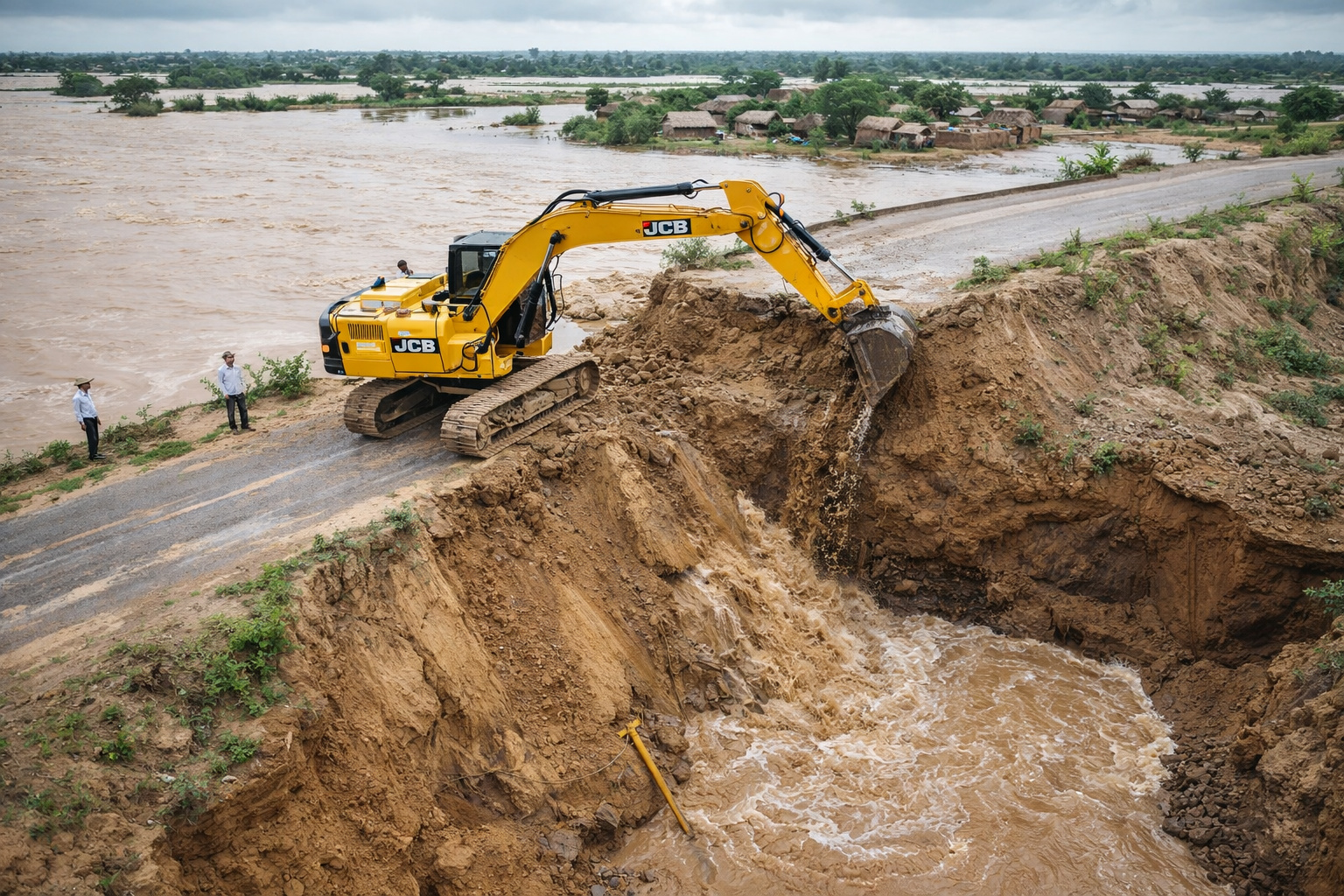
With emergency diversion to abandoned mining craters, engineers save villages from a devastating flood that was advancing through the desert and threatening to destroy entire communities in a matter of hours.
-
It seems simple, but it enriches: from R$ 500 to R$ 6,000 per piece and up to 10 days of handcrafted production, how is the couple from Praia Grande making a high income with hyper-realistic miniatures and turning a hobby into a money-making machine?


The difference between the Brazilian and Luxembourgish minimum wages is stark, even considering the higher cost of living in Europe.
With official minimums around R$ 16 thousand for unskilled positions and nearly R$ 19.5 thousand for qualified ones, the potential for savings and remittances back to family in Brazil becomes real.
The second factor lies in the orientation of immigration policy.
Luxembourg publicly admits to needing to attract foreign labor to sustain strategic sectors such as information technology, finance, and construction.
In practice, this means an openness to professionals from abroad, including Latin Americans, as long as they meet the basic requirement: having a formal job offer and the required documentation.
Minimum Wage, Qualification, and Direct Comparison with Brazil
The contrast with Brazil is what stands out most for those researching the topic.
While the Brazilian minimum wage in 2025 is R$ 1,518, in Luxembourg the base starts at over R$ 16 thousand and can reach close to R$ 19.5 thousand for qualified workers.
Even with high taxes and living costs, the net income is still far superior to the Brazilian reality.
Additionally, the Luxembourgish minimum wage is adjusted considering inflation and cost of living, which provides predictability for the worker.
For many professionals, this predictability, combined with the potential for career advancement, makes Luxembourg a coveted destination for Brazilians planning to migrate with a long-term perspective, rather than just for temporary experiences.
High-Demand Sectors and Most Sought-After Professional Profiles
The sectors most in demand today are IT, finance, and civil construction. Technology companies and banks are seeking developers, data analysts, information security specialists, and financial back-office professionals.
Meanwhile, civil construction absorbs engineers, foremen, technicians, and workers with experience in large projects.
Even with a focus on high qualification, there is also room for support roles.
Brazilians with experience in services, logistics, customer service, and operations can find opportunities, especially if they are proficient in English or French.
Proficiency in one of these languages is a decisive differential, both for hiring and for integration in the workplace and daily life outside of work.
Immigration, Documents, and Real Barriers
In practice, the path begins with a job offer.
Luxembourgers and companies established in the country typically require candidates to have their resumes aligned, proven experience, and often, professional references.
From there, the company assists with visa and authorization processing, following local immigration rules.
This doesn’t mean, however, that the process is simple.
The need to prove formal ties, present translated documents, and wait for bureaucratic analysis is still a barrier.
It is precisely because of this combination of high rewards and bureaucratic demands that Luxembourg becomes a coveted destination for Brazilians willing to undertake more structured planning, rather than improvisational moves.
Quality of Life, Integration, and Support for Foreigners
Another component that weighs in the decision is the social stability and quality of public services. Luxembourg invests in health, education, and infrastructure, reinforcing the perception of material and institutional security.
For those arriving from more unstable economies, this predictability is often just as important as the salary amount.
The country also offers integration programs for foreigners, which include language courses and guidance on the job market, making it easier for newcomers to adjust.
For families, the combination of structured schools, a safe environment, and high income reinforces Luxembourg’s image as a coveted destination for Brazilians thinking about their children’s education and the future of the entire household.
Is It Worth Facing the Move to Luxembourg?
The answer depends on each professional’s profile.
Those qualified in in-demand areas, willing to learn French or English, and able to organize documents carefully tend to find a stable work environment, high income, and a real perspective for growth.
On the other hand, the cultural shock, high cost of living, and distance from Brazil cannot be ignored.
The decision to migrate to a small, multilingual, and highly competitive country requires emotional and financial preparation.
Even so, the figures regarding minimum wage and labor demand show why Luxembourg has established itself as one of the main coveted destinations for Brazilians on the journey of those looking to restart abroad.
In your case, would you take on the challenge of moving to Luxembourg in exchange for a minimum wage in this range and the living conditions the country offers?







Como funciona?
Sim, eu vou.
Tranquilo