





 Portuguese
  English
  Spanish
  7 min of reading
  6 comments


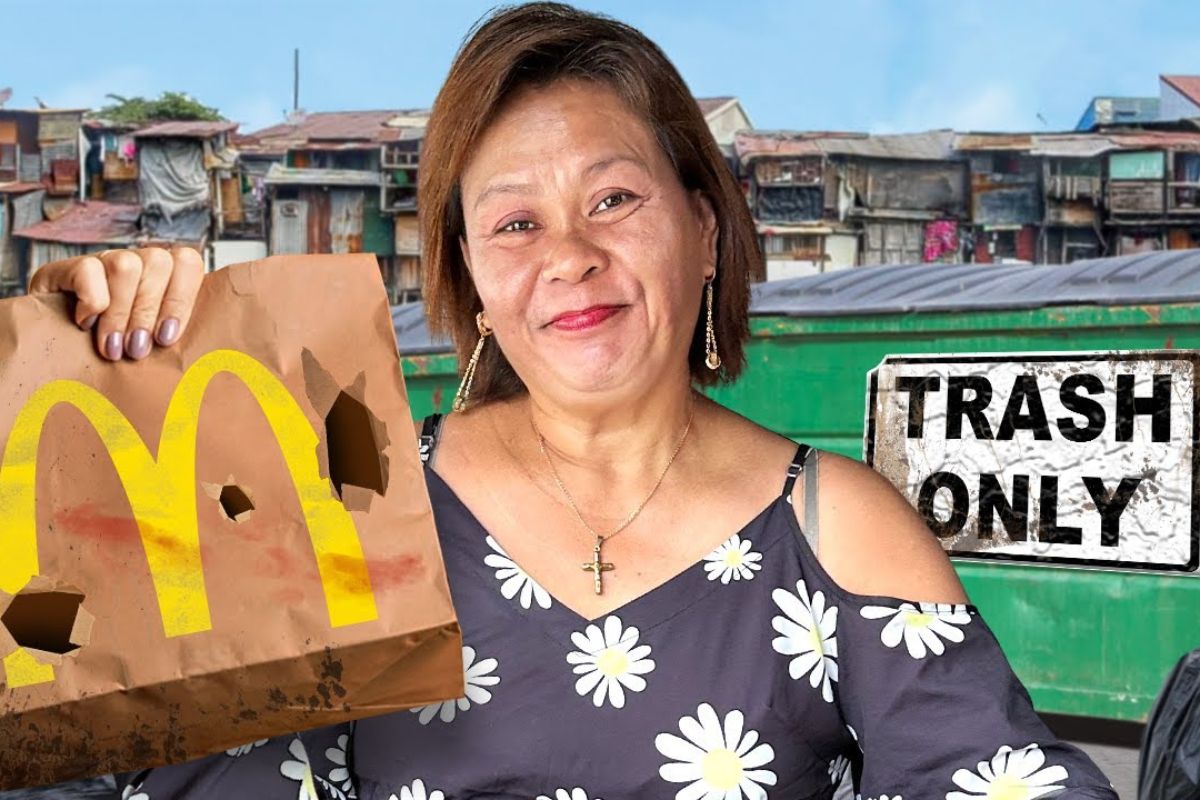


With Leftovers from McDonald’s Taken from the Trash, Evelyn’s Pagpag Becomes a Profitable Business, Supporting Five Employees, Paying for Her Children’s College, and Symbolizing Survival in Tondo, a Slum in Manila
Using leftovers from McDonald’s collected from trash bags, Evelyn transforms pagpag into a meal, selling each dish for about 30 pesos, employs five staff, ensures a daily income greater than formal jobs, and still pays for her children’s college. In the Tondo slum of Manila, the micro-entrepreneur reorganizes what would be waste into a work chain, supplies neighbors living on limited money, and becomes a symbol of survival, resilience, and creativity amidst extreme poverty. All of this stems from an improvised kitchen, utensils, and an agreement with scavengers who collect scraps from fast food chains.
In Manila’s largest slum, Tondo, where over 1 million people squeeze into less than 2 square kilometers surrounded by trash, Evelyn found an unlikely way out of poverty: transforming leftovers from McDonald’s and other fast food chains into her own business. Instead of merely competing for scraps to stave off hunger, she reorganized the same reality into a system of buying, cleaning, cooking, and selling pagpag, the dish made from discarded food.
The routine seems brutal, but the result is striking. With dishes sold for about 30 pesos, Evelyn today can employ five people, cover her children’s college, pay the bills, and still have a higher income than many formal workers in Manila. In the heart of an area marked by gangs, extreme precarity, and homes built practically on mountains of trash, this cook’s story has become a symbol of survival, work, and reinvention within the Philippine urban poverty.
-
Archaeologists find a colossal 2,000-year-old vessel at the bottom of the sea near Alexandria linked to the elite of Egypt and reveal a pleasure barge from the last dynasty of the pharaohs that the sea has hidden for centuries.

-
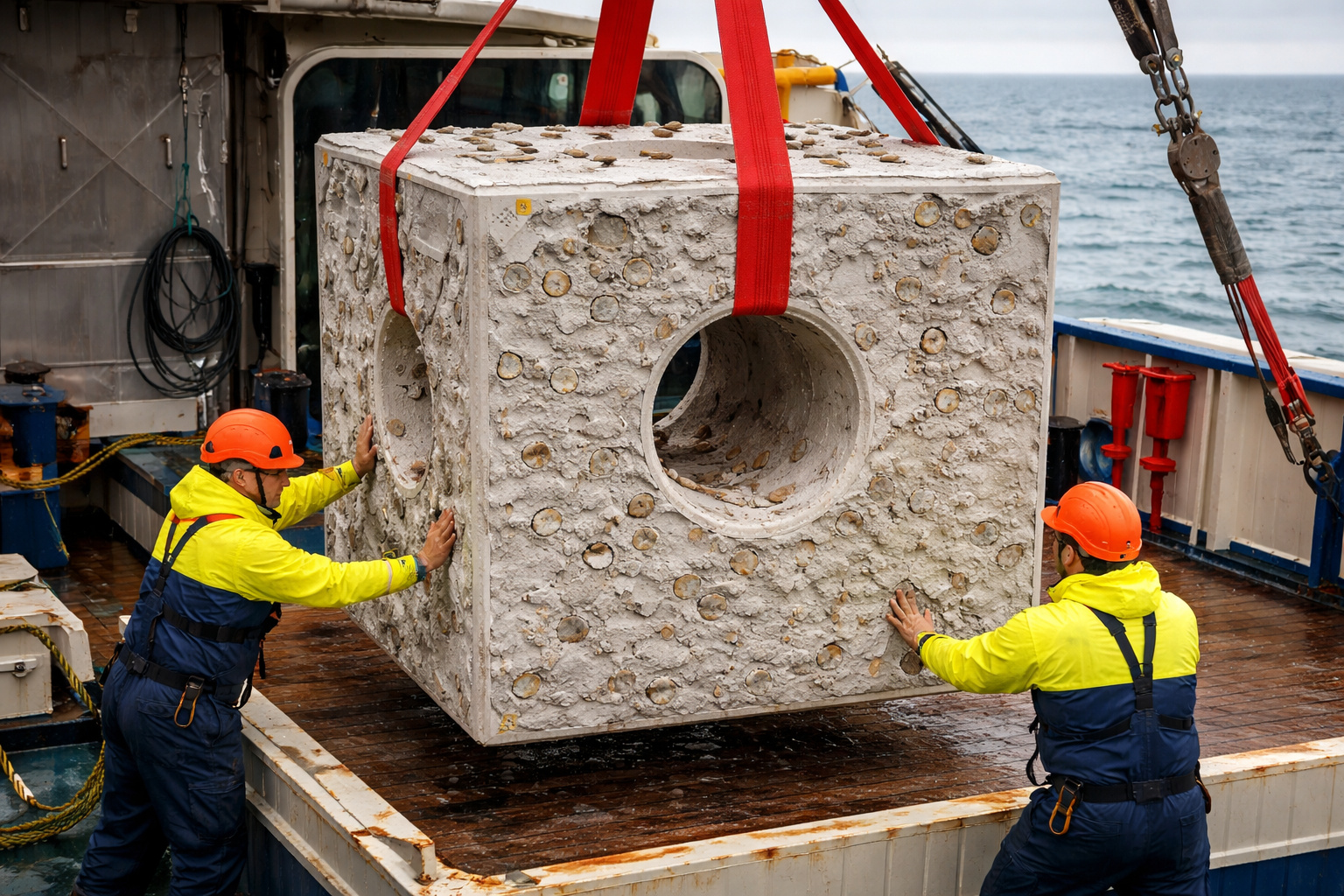
United Kingdom clears 40 tons of shells and concrete into the sea in an innovative project that promises to restore a marine ecosystem lost for over 200 years and improve water quality.
-
With emergency diversion to abandoned mining craters, engineers save villages from a devastating flood that was advancing through the desert and threatening to destroy entire communities in a matter of hours.

-
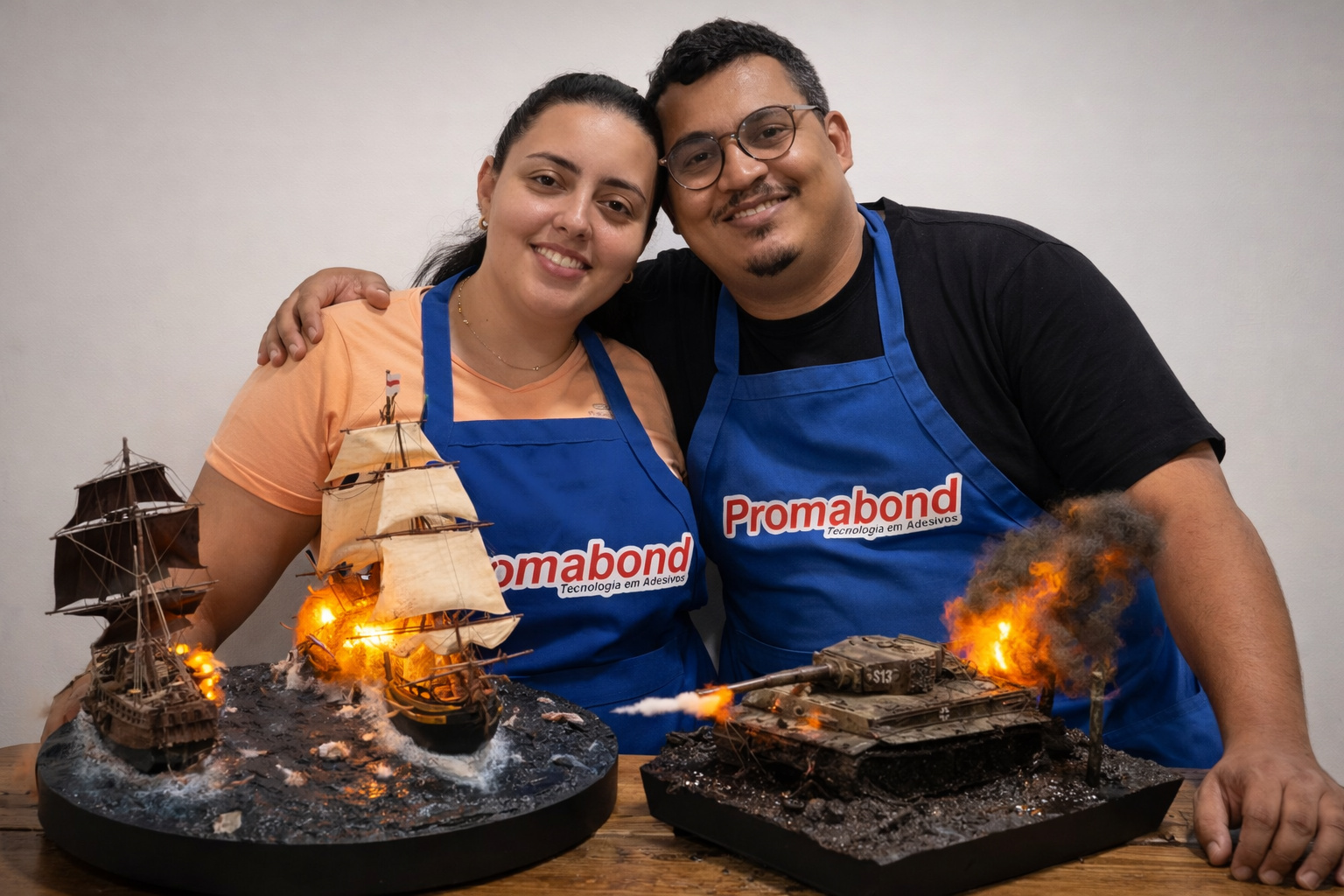
It seems simple, but it enriches: from R$ 500 to R$ 6,000 per piece and up to 10 days of handcrafted production, how is the couple from Praia Grande making a high income with hyper-realistic miniatures and turning a hobby into a money-making machine?

From Organic Trash to Commodity: How Evelyn’s Pagpag is Born

The cycle begins far from Evelyn’s kitchen.
At various outlets of chains like McDonald’s and Jollibee, food scraps are discarded in trash bags mixed with packaging, plastics, and various remnants.
Scavengers circulate through the city collecting this material and take the bags to Tondo, where the contents cease to be mere refuse and transform into the raw material for pagpag.
It is at this point that Evelyn’s operation comes into play.
Every morning, she and an assistant separate the leftovers from McDonald’s, from fried chicken to hamburgers and pieces of meat, from the mix of waste.
In basins and buckets, the food is washed in running water, the rice grains stuck to the chicken are removed, and what is still usable is reserved for cooking.
What for many would be the end of the food chain becomes the first stage of a small street business.
The Improvised Kitchen That Became a Production Line

Inside her house, the environment is minimal but organized to extract the maximum possible from the leftovers from McDonald’s.
Evelyn boils the pieces of meat in large containers, sanitizes the remnants, and sorts everything into categories: meaty parts for fried chicken, bones and trimmings for stews, hamburgers, and pieces of sausage for specific dishes.
From there, recipes come into play.
Part of the pagpag takes on the appearance of fried chicken, another part becomes something akin to adobo, with thick broth and spices, and there are also combinations with plenty of sauce, recycled ketchup, and inexpensive seasonings.
With few additional ingredients, her unique technique, and lots of time on the stove, Evelyn transforms what was trash into steaming trays ready to be sold.
Everything is prepared in full view of customers, at the door of her home, reinforcing the sense of transparency in a business that deals with such a sensitive origin.
Low Price, High Volume, and Five Jobs Sustained by Pagpag

Each pagpag dish costs about 30 pesos, an affordable price for Tondo residents who live on very little each day.
In practice, this price allows entire families to eat for less than they would spend on conventional meals, at the expense of accepting a production chain based on scraps.
The flow is constant: breakfast, lunch, and intermediate meals keep the movement at Evelyn’s door.
Over time, the volume grew to the point where she could support five permanent employees, responsible for helping with cleaning, sorting, cooking, and serving.
According to Evelyn herself, the daily income can reach around a thousand pesos net, a level higher than the salary of many workers employed in formal companies.
The seed capital for the business, about 3,000 pesos borrowed from family, was quickly repaid, and the operation established itself as a stable source of income in the slum.
Children’s Education and Financial Independence in Tondo
Perhaps the most symbolic aspect of Evelyn’s journey is the destination of the money generated from leftovers from McDonald’s.
A significant portion of the income is being used to pay for her children’s college, something rare in a territory where most struggle to secure the basics.
In a scenario of extreme informality, managing to finance higher education from a trash food business reveals the magnitude of the rupture she has achieved in her own story.
In addition to tuition, pagpag covers household bills, home maintenance, supply costs, and small improvements to the selling point.
The ability to remain as “her own boss,” without depending on precarious and poorly paid jobs, has given Evelyn financial and emotional independence, after a broken marriage and years of vulnerability.
The improvised kitchen has also become a living testament to the past: she can support her family on her own.
Pagpag as a Culture of Survival and Trash Economy
In Tondo, pagpag is not just Evelyn’s product, but part of a broader culture of survival.
The entire slum revolves around recycling and revaluing waste, whether in the form of scrap sold by the kilo, reused utensils, or ultimately, reprocessed food.
Since the years when the dish began appearing in the region, the habit of consuming repurposed scraps has incorporated into daily life in neighborhoods where almost nothing is wasted.
Thus, the leftovers from McDonald’s and other chains cease to be mere symbols of urban excess and begin to represent a kind of raw material for a parallel economy.
Scavengers, cooks like Evelyn, neighbors who buy cheap dishes, and even scrap dealers who resell packaging participate in the same chain.
It is a harsh logic, where hunger, necessity, and creativity meet in an arrangement that would hardly be accepted in other areas of the city.
Sanitary Contradictions and Perception of Risk
Pagpag is, at once, a solution and a risk.
From a sanitary perspective, cooking leftovers from McDonald’s and other networks that have already gone to the trash involves uncertainties about contamination, exposure time, and storage conditions, even with boiling, cleaning, and re-cooking.
To outsiders, the rejection is immediate, fueled by the idea of poisoning, the presence of bacteria, or unknown substances in the journey from the trash bin to the plate.
For many residents of Tondo, however, the equation is different.
When the priority is not going hungry, the fear of the origin gives way to necessity, and trust is transferred to the cook.
Evelyn tries to taste her own food, reinforce possible hygiene, and demonstrate care in sorting, but none of these practices completely eliminate the risk.
Still, for a large part of the customers who return to the counter daily, pagpag is first perceived as food and only afterwards as controversy.
Image, Stigma, and the Symbolic Weight of McDonald’s Leftovers
It is no coincidence that leftovers from McDonald’s carry such symbolic weight in this story.
The brand is associated with a global standard of fast consumption, accessible to those with some money but distant from those living on cents a day.
When the same food appears reconfigured in trays of pagpag, it carries the irony of a recycled luxury, of a fast food that only reaches the table after being discarded by another social class.
At the same time, the presence of such recognizable elements – breaded chicken, hamburgers, industrial ketchup – helps make pagpag more desirable than other improvised meals.
Customers know they are eating scraps, but they also recognize familiar flavors.
It is a tense meeting between the global logic of consumption and the local reality of the slum, condensed into dishes sold for 30 pesos at the door of a house.
A Story of Poverty, but Also of Agency and Protagonism
Evelyn’s journey does not erase the gravity of poverty in Manila, nor does it substitute for public policies or basic infrastructure.
Tondo remains an area with extreme population density, precarious services, and insecurity. Still, the story of the cook who built a small business from leftovers from McDonald’s shows how individuals can create gaps of protagonism even in very adverse scenarios.
Instead of merely appearing as a victim, Evelyn emerges as an agent: she builds a network of suppliers, organizes production, sets prices, negotiates with customers, and transforms trash into income.
Around her, employees, neighbors, and children become part of an economic circle that, though fragile, expands horizons and demonstrates how creativity can reshape the use of discarded urban resources.
In the end, Evelyn’s pagpag exposes a brutal contradiction: the same system that produces surplus on a large scale also pushes millions of people to depend on these leftovers to eat and survive.
In Tondo, this reality has been converted into business, employment, and higher education for one family, but it remains a symptom of extreme inequality in large metropolises.
Given this story, here’s a question for you to comment on: upon learning about the pagpag of McDonald’s leftovers in Tondo, what impacts you more, Evelyn’s entrepreneurial creativity or the fact that so many people literally depend on trash to feed themselves?








Não real esse fast foods poderiam separar essas sobras de alimentos do lixo comum ,seria digno e de fácil acesso ao reaproveitamento.A fome dói.
Eeee mundão véio sem porteira.As únicas palavras que definem isso é:triste,muito triste.O ser humano passa fome a séculos. E não sei se um dia será erradicada.Infelizmente.
A criatividade é q impressionante, mas essas fast foods poderiam adotar outro meio de organizar o “lixo”, afinal manter restos para outro se alimentar é de um egoismo só.