





 Portuguese
  English
  Spanish
 4 min of reading
  0 comments


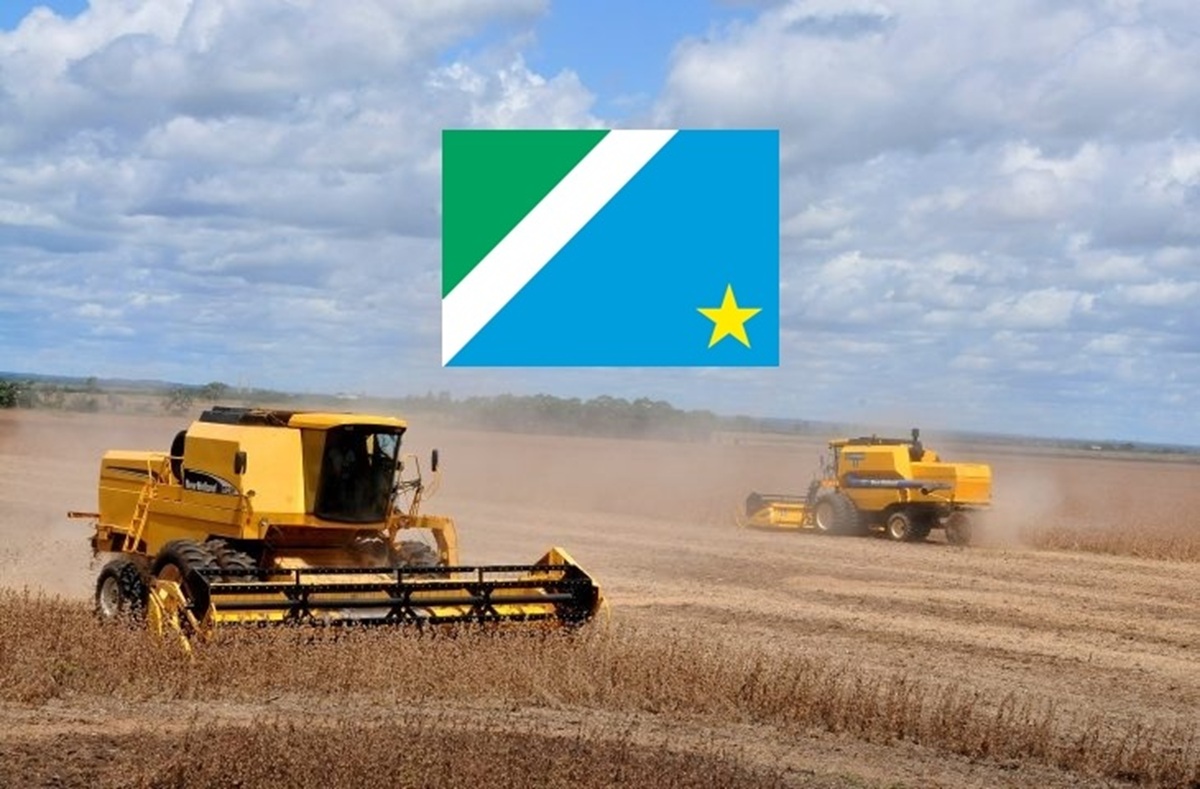
With Emphasis on Soy, Meat, Cellulose, and Ethanol, Mato Grosso do Sul Expands Its Presence in Global Trade, Reaches Over 120 Countries with Exports of US$ 7.5 Billion, and Consolidates Its Position as One of the Largest Agro-Industrial Powers in Brazil
Mato Grosso do Sul has expanded its presence in international trade by diversifying agro-industrial production and increasing exports.
The state has strengthened its position as one of Brazil’s main suppliers of food, raw materials, and forest products, reaching over 120 countries and maintaining a steady economic growth rate.
Economic Growth and International Relevance
The economy of Mato Grosso do Sul continues to expand, driven by agribusiness and the forest-based industry.
-
The water that almost everyone throws away after cooking potatoes carries nutrients released during the preparation and can be reused to help in the development of plants when used correctly at the base of gardens and pots, at no additional cost and without changing the routine.

-
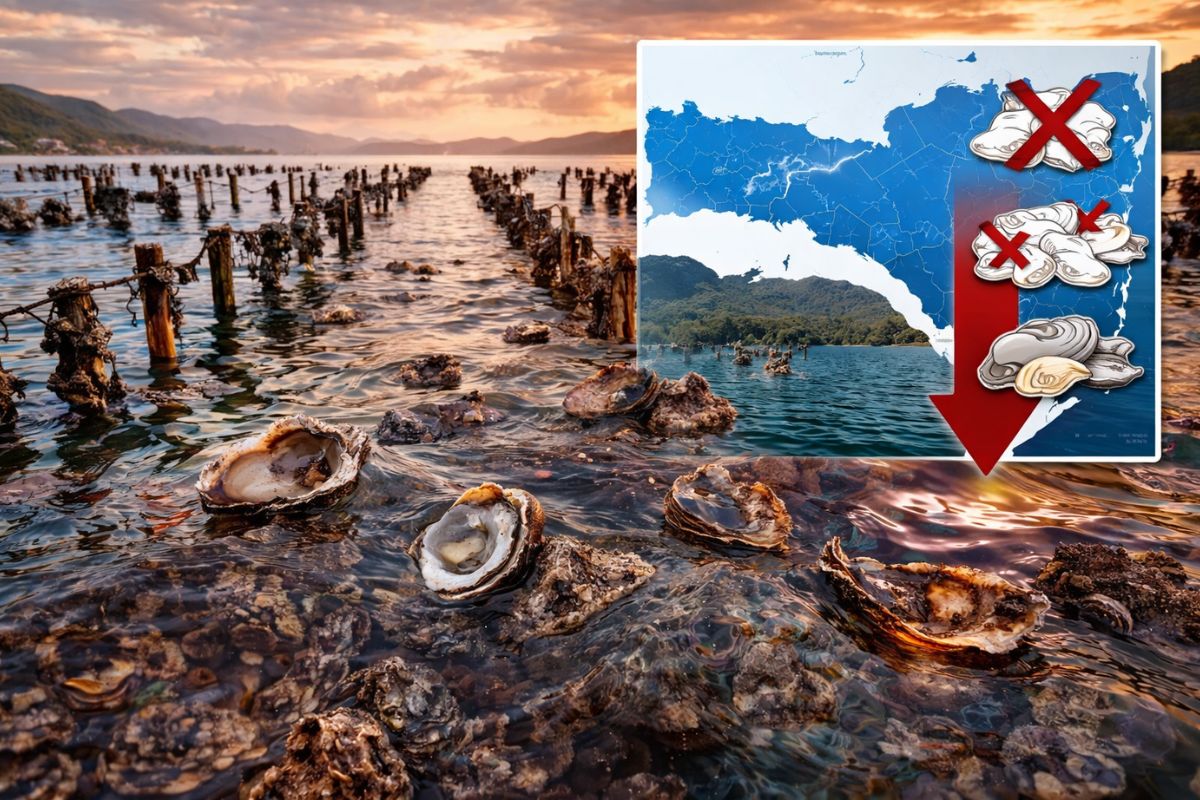
The sea water temperature rose from 28 to 34 degrees in Santa Catarina and killed up to 90% of the oysters: producers who planted over 1 million seeds lost practically everything and say that if it happens again, production is doomed to end.
-
An Indian tree that grows in the Brazilian Northeast produces an oil capable of acting against more than 200 species of pests and interrupting the insect cycle, gaining ground as a natural alternative in soybean, cotton, and vegetable crops.

-
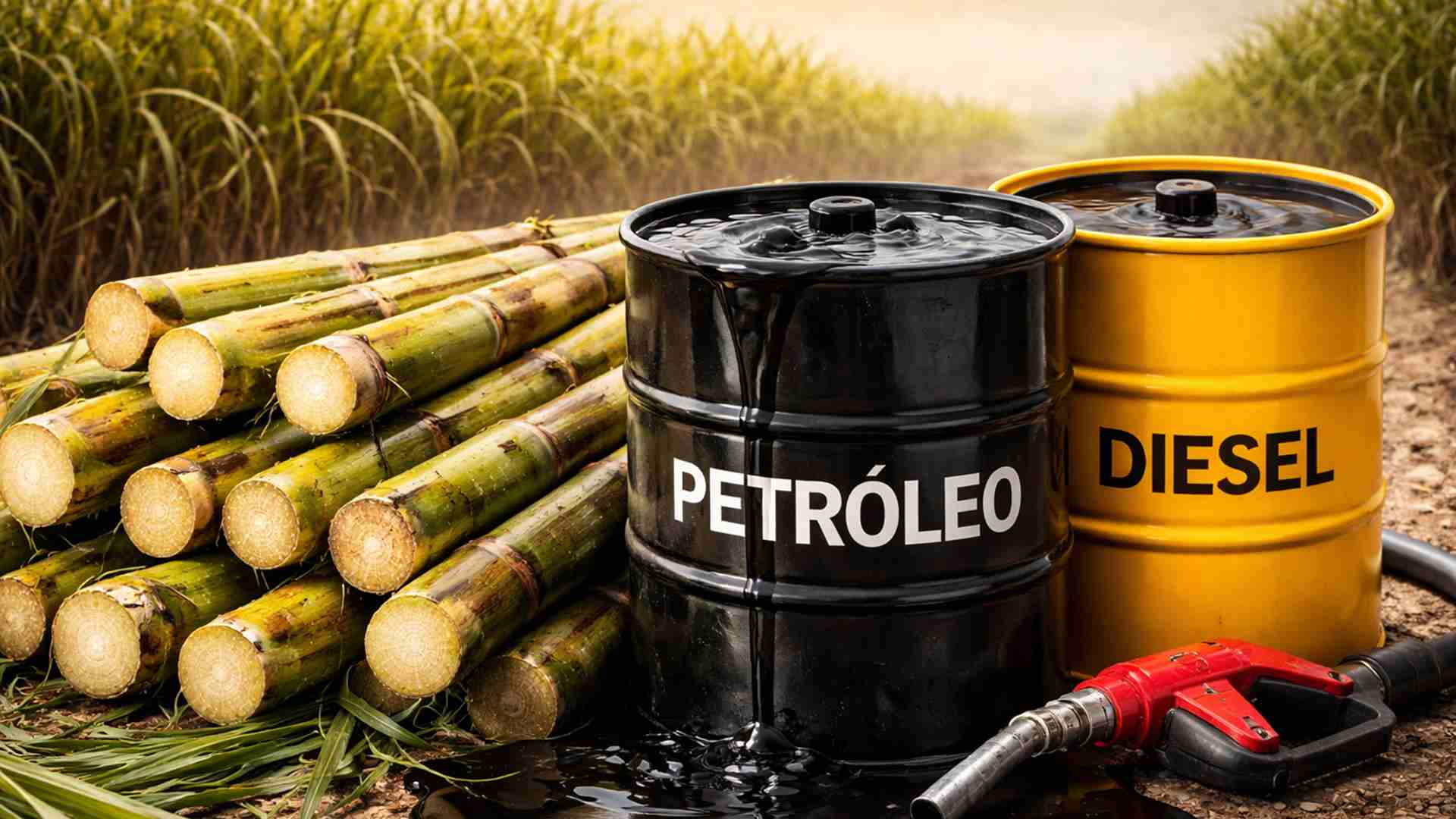
The rise in oil prices in the Middle East is already affecting Brazilian sugar: mills in the Central-South are seeing their margins shrink just as ethanol gains strength.

The expectation of recording the third highest GDP growth in the country in 2025, at 5.3%, according to analysis from the Regional Review of Banco do Brasil, reflects the consolidation of this scenario.
The state maintains trade partnerships with different regions of the world and has become a business hub for national and foreign companies.
The main destinations for exports are China, United States, Netherlands, Indonesia, Italy, Chile, Argentina, United Arab Emirates, Turkey, and India, accounting for over 85% of the export value.
Logistics and Sustainability as Pillars of Foreign Trade
The expansion of logistical infrastructure, with the implementation of projects such as the Bioceanic Route and the Cellulose Route, has contributed to reducing transportation costs and facilitating access to strategic markets.
Alongside this, policies aimed at energy transition, sustainable agriculture, reducing deforestation, and food security are part of the state plan for “Carbon Neutral,” which seeks to associate production and sustainability.
These initiatives add to the significance of the agricultural and industrial products from the state, which include beef, pork, and chicken, soy, corn, forest products, sugarcane, peanuts, citrus fruits, and minerals.
Exports and Main Products
In 2024, Mato Grosso do Sul exported around US$ 7.5 billion, establishing itself as one of the largest exporters in the Midwest. According to the Ministry of Agriculture, Livestock and Supply (Mapa), the main exported products were soybeans (US$ 3.68 billion), forest products (US$ 2.67 billion), meat (US$ 1.71 billion), and cereals, flours, and preparations (US$ 222.85 million).
China absorbed 47.09% of exports, followed by the European Union (11.89%), United States (5.71%), and Indonesia (2.96%). Other relevant destinations included Chile, United Arab Emirates, Turkey, India, Egypt, and Algeria.
Soybeans accounted for more than 5.6 million tons exported, with a value of approximately US$ 2.4 billion. In addition to soybeans, cellulose, and beef, the state exports iron, iron or steel powder, soybean meal, sugar, molasses, corn, leather, and iron ore.
Products reach countries in South and North America, Europe, Africa, and Asia, demonstrating the international reach of Mato Grosso do Sul’s production.
Performance and Diversification of the Sector
According to Secretary Jaime Verruck of Semadesc, the state’s export performance has remained positive even in the face of instabilities in international trade, especially regarding beef and the expansion of markets.
Mato Grosso do Sul ranks fourth nationally in beef production, with 3.96 million cattle, and also holds the fourth position in the product’s export ranking. In the forest sector, it is the second largest producer and the first in exports, with 1.75 million hectares of eucalyptus, rubber trees, and pine.
Cellulose leads the export agenda, followed by soy and meat. The state also ranks third among Brazil’s largest ethanol exporters, with US$ 98 million in sales to 35 countries, including the Netherlands, Canada, China, Egypt, Iraq, Portugal, Russia, Uruguay, and Bangladesh.
Bioenergy and Sustainability
Bioenergy production plays a significant role in the state’s economy and in reducing carbon emissions. The sector combines productive efficiency with the generation of fuels, food, and renewable energy, characteristics that contribute to the goal of the “MS Carbon Neutral 2030” program.
Economic Impacts and Regional Strengthening
The increase in exports has a direct effect on the trade balance and helps maintain exchange rate stability, attract investments, and generate jobs. It also supports productive chains related to transport, storage, and trade support services.
The favorable scenario encourages new investments and stimulates the adoption of technologies aimed at increasing productivity and quality. Consolidated productive chains—soy, meat, and cellulose—represent about 70% of export revenue and contribute to sector stability.
Municipalities such as Campo Grande, Dourados, Corumbá, Três Lagoas, and Ribas do Rio Pardo have established themselves as hubs for the production, processing, and distribution of strategic raw materials. This dynamic favors the attraction of foreign investments, increases state and municipal revenue, and stimulates the expansion of logistical and energy infrastructure.
International Insertion and Perspectives
Foreign trade has proven to be an important vector for Mato Grosso do Sul’s competitive insertion in the global economy. The combination of agribusiness, industrialization, and technological innovation supports wealth generation and contributes to macroeconomic stability.
With exports to over 120 countries and a solid presence in major international markets, the state reinforces its role as an important supplier of agricultural, industrial, and energy products.
The continuation of investment in infrastructure, diversification of destinations, and pursuit of sustainability indicate that Mato Grosso do Sul is likely to maintain a prominent position in Brazilian foreign trade.








Seja o primeiro a reagir!