





 Portuguese
  English
  Spanish
  5 min of reading
  0 comments


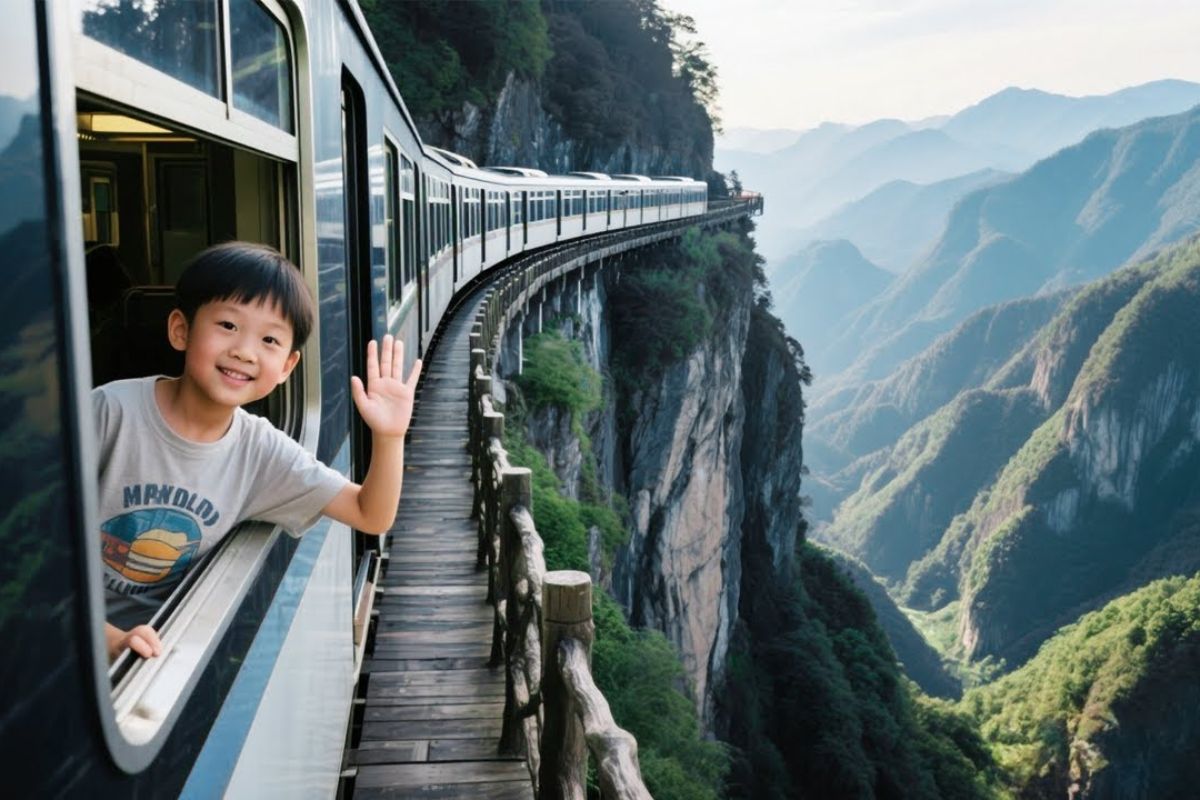
Electric Train on the Cliffs of Dajue Mountain Takes Tourists to 1,200 Meters in Height with Breathtaking Views
With a route of 13.14 km over cliffs at 1,200 meters, the electric train of Dajue Mountain, in Fuzhou, Jiangxi province, offers a mountain experience that combines panoramic tourism, comfort, and adrenaline in a single trip.
Along the way, the electric train passes by dizzying cliffs, observation platforms, a historically unique city, a temple nestled among rocks, a glass bridge, and an adventurous outdoor cable car, creating a complete circuit for those who want epic views without facing long uphill trails. It’s the kind of attraction that allows you to “fly” through the landscape without leaving the track.
Where the Electric Train of Dajue Mountain Is Located

The electric train operates at Dajue Mountain, in the city of Fuzhou, Jiangxi province, in an area that has been developed for tourism.
-
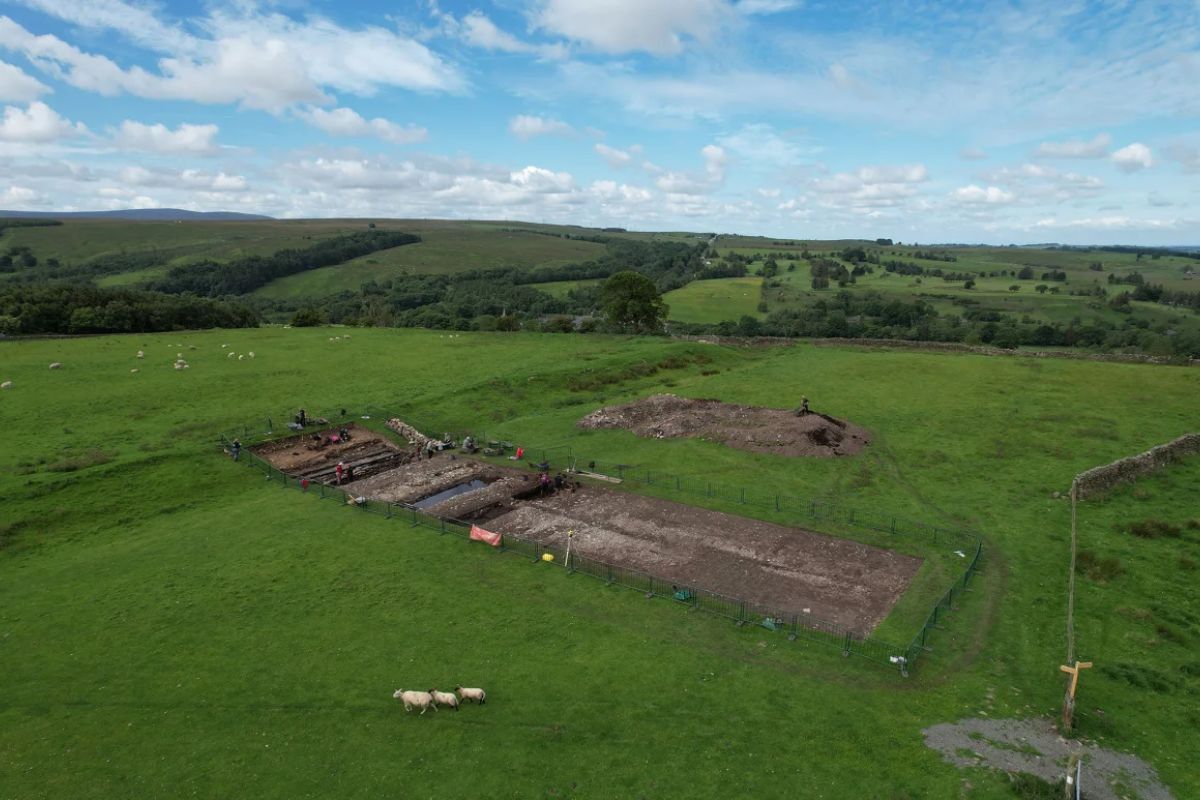
Archaeologists found giant shoes over 30 centimeters near Hadrian’s Wall that survived nearly two thousand years buried and now raise a mystery: who were these Roman soldiers so different from the others?
-
Meta’s new smart glasses are not just for seeing; they use artificial intelligence, analyze your food, summarize messages, and can even change the way you work in professions like engineering.

-
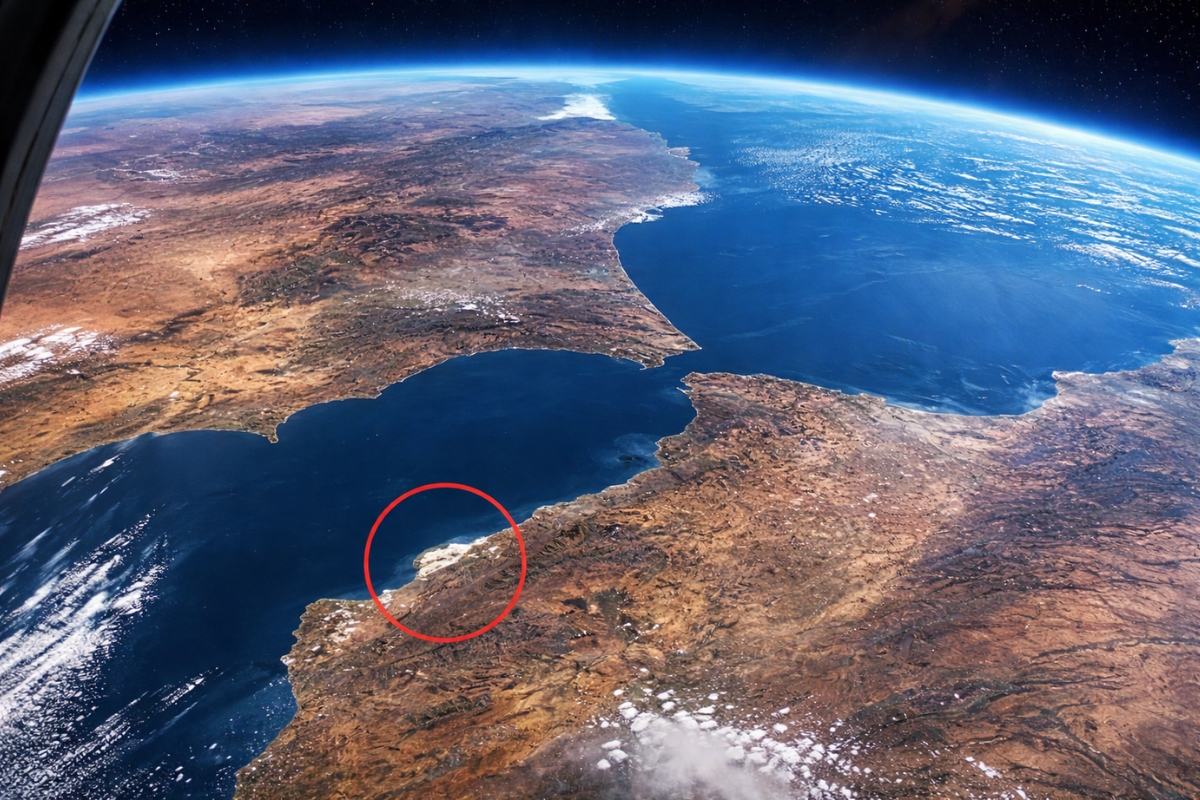
According to an analysis by NASA, only one human-made structure is visible from space, and it is not the Great Wall of China or the Pyramids of Egypt.
-
After 377 years of history, the Brazilian Army will have its first female general: Colonel Claudia Cacho has been promoted to brigadier general by Lula and will receive the sword and command baton this Wednesday in Brasília.


Access is organized around a small town called Dajue Town, located at the foothills, with its own architecture and a historic city atmosphere.
Upon arrival, visitors encounter an urban area designed to cater to those traveling exclusively for the electric train and other local attractions.
The feeling is of a destination still in development, as many facilities are under construction, but there is enough infrastructure for a restaurant, shops, and basic support services for visitors.
What Is the 13.14 Km Route Like Over the Cliffs

The itinerary of the electric train spans 13.14 km, always following the cliffs at around 1,200 meters in altitude.
Besides being a technical detail, the number has become part of the local narrative, as 1314 is interpreted in Chinese as a reference to “forever,” a symbolic element that adds romance to the experience.
The trains are entirely electric, with each car accommodating up to 55 passengers.
The speed is intentionally low so that tourists can enjoy the scenery at a leisurely pace, breathing in the mountain air and capturing the scenery in photos and videos.
There are two types of trains in operation, both designed for medium-sized groups, with open views to the valleys.
Those who have made the journey recommend sitting in the last car of the electric train, where the view of the curves, cliffs, and suspended structures is even more impressive.
In certain sections, the combination of track, cliff, and vegetation creates the sensation of literally “flying” alongside the mountain.
Historical City and Electric Train Station

Before reaching the electric train station, visitors pass through the small Dajue Town, set up like an ancient mountain town.
Streets, façades, and squares compose a photogenic setting, with a calm atmosphere and a mix of tourism and local commerce.
Most of the original residents have moved to other areas, and those who remain have started operating shops and services aimed at tourists.
The atmosphere is described as peaceful, with a slower pace and strong visual appeal, inviting leisurely walks through the town before heading to the train station.
The electric train station is located just behind the town. From there, trains depart that travel along the mountain’s edge, with organized boarding and continuous flow throughout the day.
The infrastructure includes signage in more than one language, reflecting a tourism sector that aims to welcome visitors from different countries.
Resting Platforms, Sea of Clouds, and Epic Views
Along the route, the electric train connects to resting platforms and viewpoints built atop the cliff itself.
At one of these intermediate points, visitors can descend, explore the structure, and observe the region’s sculpted topography, even though not all areas are fully completed.
A recurring recommendation is to check the weather forecast before visiting.
After a day of rain, there is a possibility of observing a sea of clouds the following day, a phenomenon that transforms the view into an even more dramatic scene, with peaks emerging from white shrouds.
During these moments, the integration between the suspended track, the void below, and the layer of clouds enhances the feeling of being in an aerial viewpoint.
Nantian Gate and Temple Nestled Between Rocks
At a certain point in the circuit, visitors can proceed toward Nantian Gate, associated with Chinese mythology and often depicted as a passage to the realm of immortals.
The Nantian Gate area features an elevated observation deck with views of a lake with an intense color, compared to a gemstone seen from above.
From there, access to the next temple involves very steep stairs, with an estimated incline of around 75 degrees, requiring caution and some physical preparedness.
Those who prefer to avoid this level of effort can remain in the flatter areas and continue enjoying the view from the viewpoints connected to the electric train’s route.
The Dajue Temple, another notable point, was built in the space between large rocks, literally nestled in a crevice of the mountain.
The complex includes figures from Chinese Buddhism, study rooms, and a “Cave of Reading,” where monks dedicate themselves to studying and chanting scriptures.
The architecture takes advantage of the terrain, making the temple appear to emerge directly from the stone.
Glass Bridge, Daring Cable Car, and Return to the Valley
At the highest point of the mountain, the circuit is complemented by a glass bridge, a glass cable car along the cliff, and an outdoor cable car.
The bridge shakes when people run, creating a combination of an open view of the void with a dose of controlled adrenaline.
On the bridge and cable car side, a giant statue represents a figure linked to the local imagination, described as a possible immortal or sacred maternal figure.
The outdoor cable car departs from one of the highest points of the route and descends the mountain’s elevation with a broad view of the valley.
For those afraid of heights, the recommendation is clear: hold on tightly to the handrail and avoid looking down too much.
In the view of some visitors, the complete set of train, glass bridge, and cable car transforms Dajue Mountain into a sort of hidden gem among mountains, where the visual experience is as important as the journey itself.
Experience Designed for Those Who Do Not Want to Climb Too Much
One of the differentiators of the electric train at Dajue Mountain is the profile of the audience it serves.
The circuit is constantly described as a paradise for travelers who prefer to avoid exhausting climbs, whether due to age, mobility issues, or simply a choice of comfort.
By combining the electric train, resting platforms, accessible temples, glass bridge, and cable cars, the destination allows visitors to traverse different altitudes with minimal direct climbing.
The proposal is clear: to offer access to typical views of advanced trails using tourist transport infrastructure, without sacrificing the feeling of being immersed in high mountain scenery.
With this combination of elements, Dajue Mountain consolidates the electric train as the central axis of an itinerary that blends contemplation, religiosity, mythology, adrenaline and comfort in a single excursion.
And you, would you have the courage to face this electric train on the cliffs and cross the glass bridge at 1,200 meters in height?






-

-

-

6 pessoas reagiram a isso.