





 Portuguese
  English
  Spanish
  4 min of reading
  0 comments


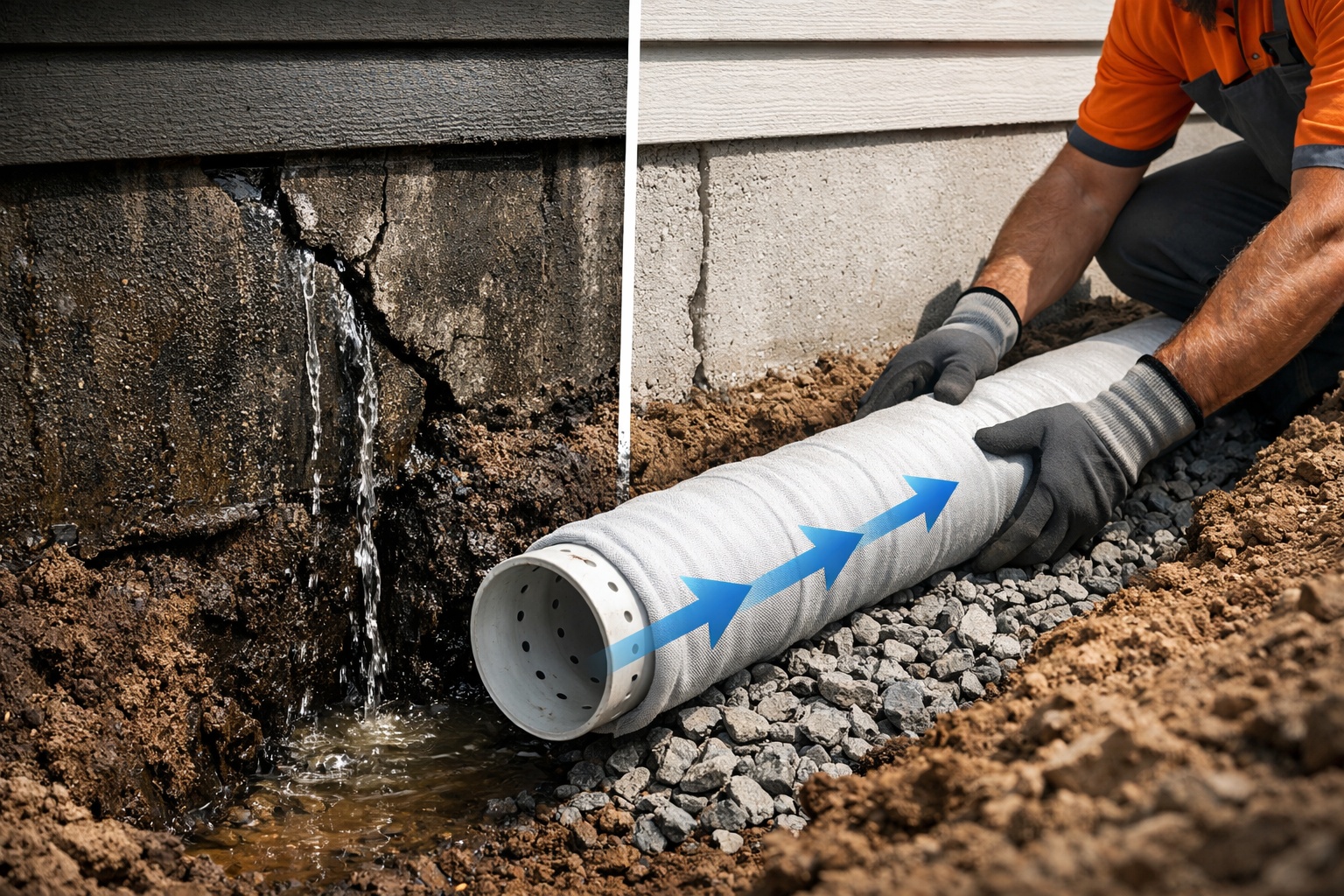
Peripheral Drainage with 100 mm Perforated Pipe, Washed Gravel, and Geotextile Membrane Reduces Soil Moisture and Helps Protect Foundations Against Infiltration at Low Cost.
Infiltration close to the foundation is one of the most common causes of persistent moisture in homes. In many cases, the problem is not just with the wall waterproofing, but with the accumulation of water in the soil around the structure. When the ground remains saturated after rains, the hydrostatic pressure increases and facilitates the entry of moisture through cracks and vulnerable points.
Peripheral drainage arises as a technical solution to reduce this saturation, creating a preferred path for the drainage of water before it reaches the foundation.
What Is Peripheral Drainage and How Does It Work
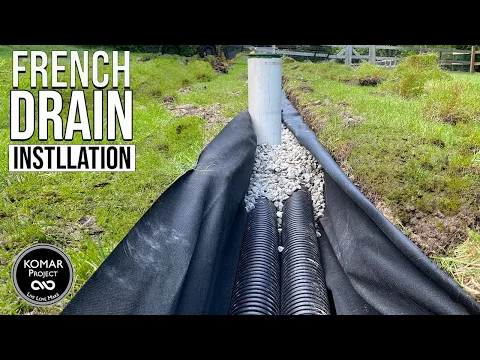
Peripheral drainage consists of digging a trench around the building, positioned close to the base of the foundation, where a perforated pipe is installed surrounded by drainage material and geotextile membrane.
-
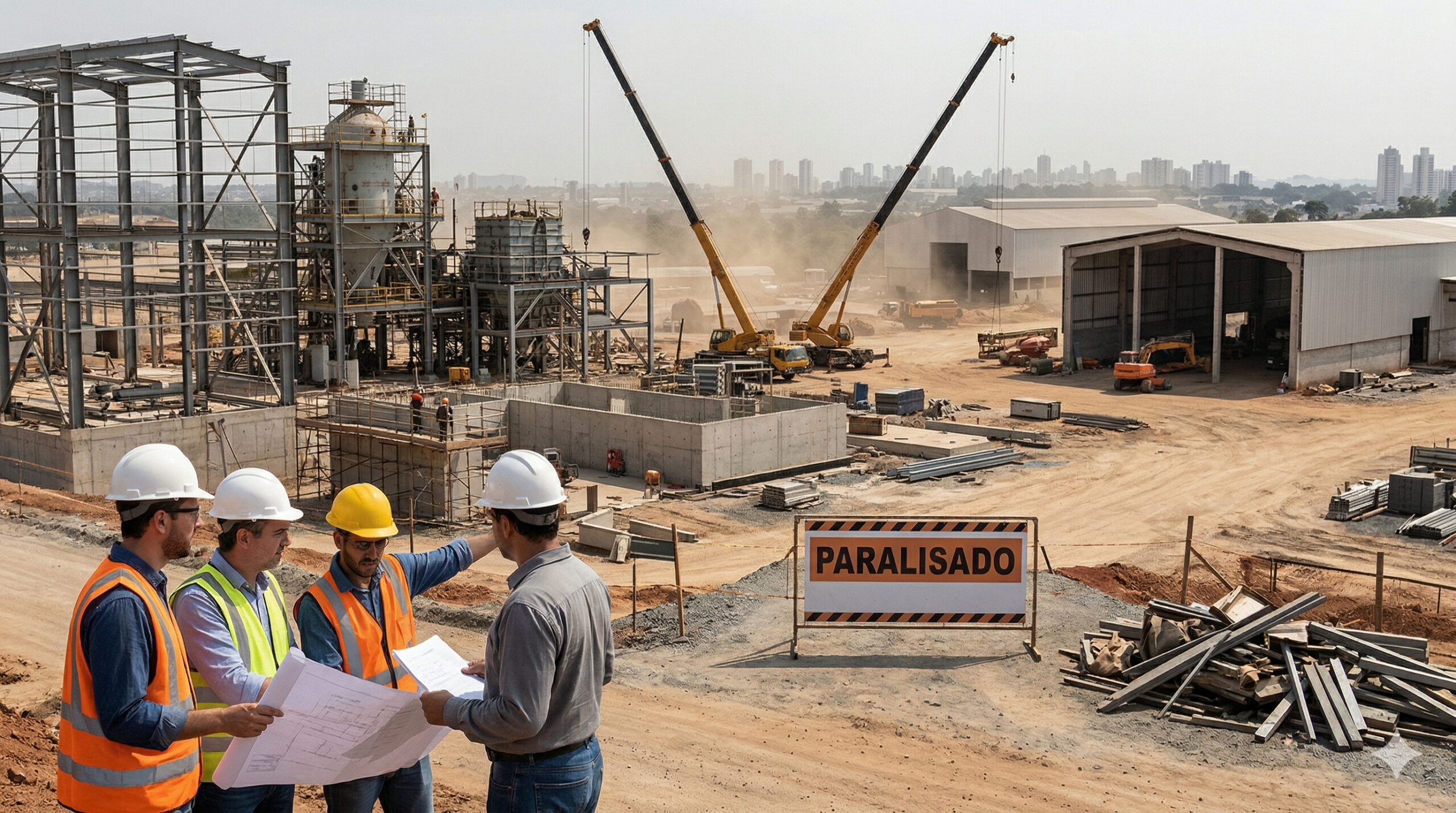
The lack of welders, electricians, and operators becomes a structural threat in 2025, with the construction industry and manufacturing already suffering from delays, cost pressures, and labor shortages in Brazil.
-
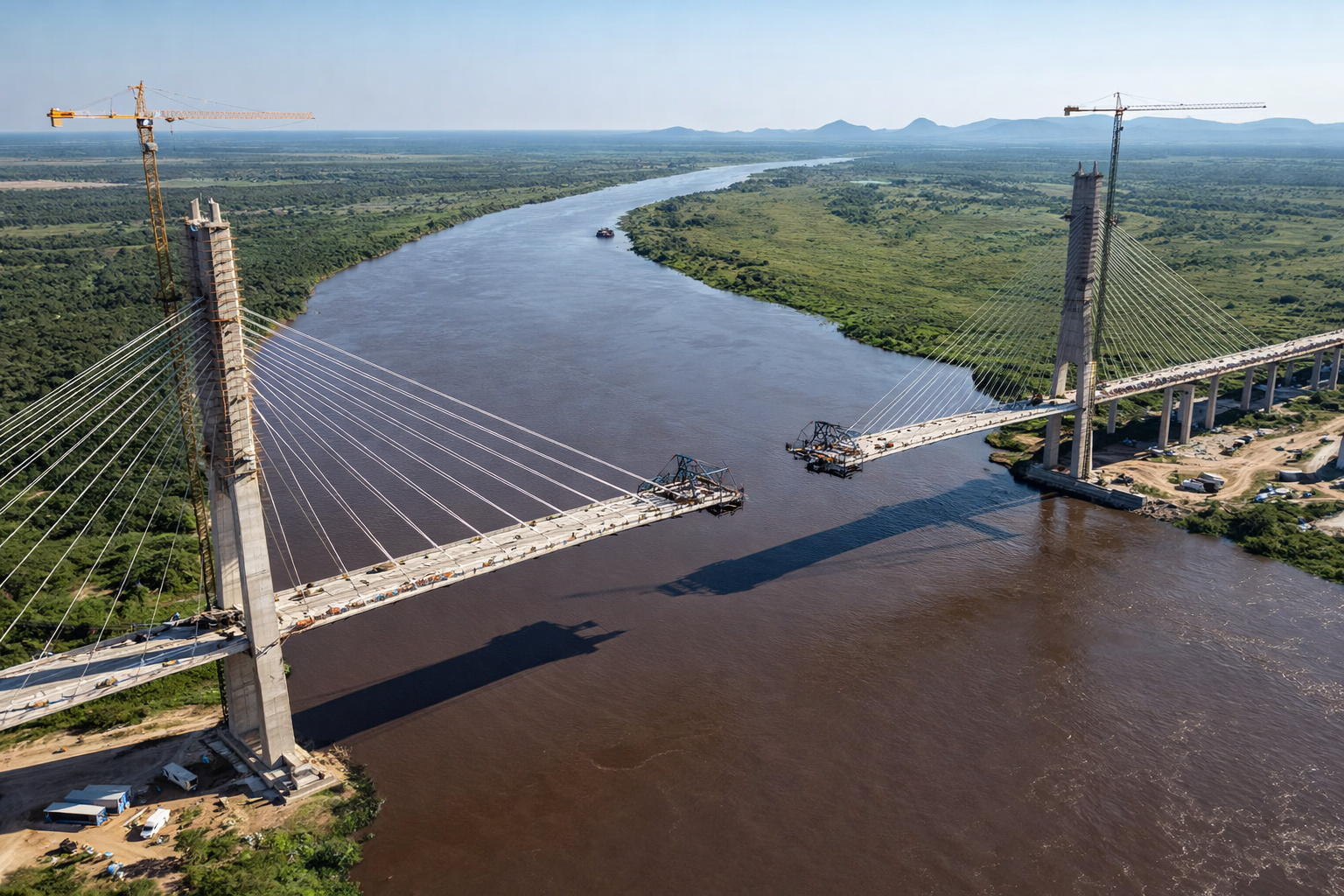
Brazil and Paraguay are just 46 meters away from a historic union on the bioceanic bridge that promises to revolutionize trade between the Atlantic and the Pacific.
-
With 55 km over the sea, a cost of US$ 20 billion, and enough steel to build 60 Eiffel Towers, China’s largest project has connected Hong Kong, Zhuhai, and Macau in a colossal bridge that defies the logic of engineering.

-
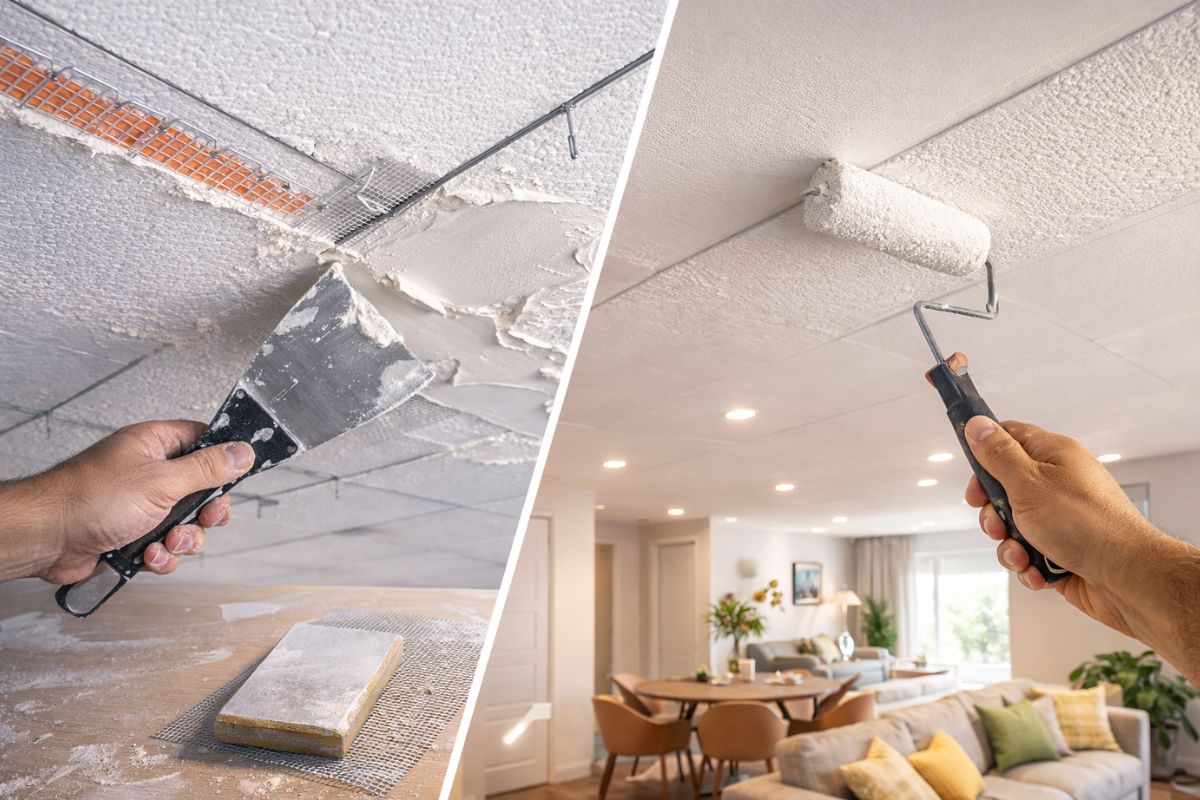
A trick with joint compound transforms a Styrofoam ceiling into a plaster-like ceiling: leveled panels, wires and mesh at the joints, sand, paint, and change the environment while spending little today.

The principle of operation is physical: water infiltrates the soil and, upon encountering a more permeable medium — such as gravel surrounded by geotextile — begins to drain through this path of least resistance until it reaches the perforated pipe, where it is then carried by gravity to a safe disposal point.

This system is widely known in engineering as a “French drain” and is used in foundations, retaining walls, and infrastructure works.
Why the 100 mm Pipe Is the Most Used
The 100 mm (4 inches) drain pipe is the most common size in residential drainage because it offers a balance between flow capacity and ease of installation.
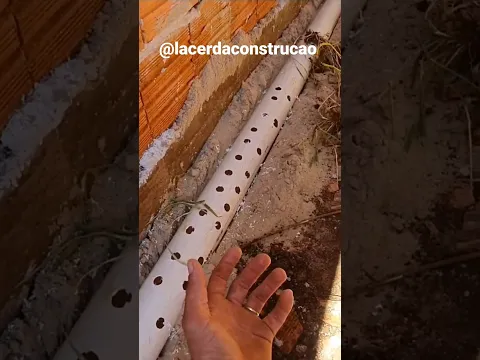
Perforated corrugated pipes made of HDPE or PVC are used to allow water to enter along the entire length of the trench. This feature increases the efficiency of the system, as the capture occurs in a distributed manner, not just at a specific point.
The appropriate flow rate depends on the slope of the pipe and the amount of water to be drained, but the 100 mm diameter meets most residential applications.
The Importance of Geotextile Membrane in Drainage
The geotextile membrane is the element that ensures the durability of the system. Without it, fine soil particles migrate into the gravel and pipe, gradually reducing the drainage capacity.
The geotextile acts as a filter: it allows the passage of water while retaining solid particles, preventing the clogging of the drain.

Technical manuals on drainage and infrastructure recommend the use of geotextiles precisely to prolong the lifespan of the system and maintain the permeability of the whole over the years.
Typical Structure of the Drainage System
The most common configuration involves:
- Excavation of a trench with depth close to the base of the foundation.
- Initial layer of washed gravel to form a draining bed.
- Installation of the perforated pipe with continuous slope.
- Encasement of the assembly with geotextile membrane.
- Covering with more gravel before backfilling.
The slope is a decisive element. The pipe must direct the water to an appropriate disposal point, such as an outflow at a lower level of the ground or a soakaway.
Without sufficient elevation, the system loses efficiency.
Estimated Costs for Small Residential Section
For short stretches, such as the sides of a residence with 10 to 15 linear meters, costs may include:
- 100 mm drain pipe.
- Geotextile membrane.
- Washed gravel.
- Connections and outlet terminal.
Under simple soil and manual excavation conditions, the investment can remain below R$ 500. The cost increases with the footage, difficulty of excavation, or the need for inspection boxes.

Still, the cost is considerably lower than that of subsequent corrective interventions, such as breaking the floor, removing coverings, and structural reconstitution.
Common Mistakes That Compromise Drainage
- The absence of geotextile is one of the main factors of premature failure.
- The use of gravel with excessive fines reduces the permeability of the system.
- Lack of slope prevents proper drainage.
- Improper connection of roof water to the perforated pipe can overload the system.
These factors must be observed for drainage to work effectively and continuously.
When Is Peripheral Drainage Recommended

The technique is especially recommended in:
- Homes with a history of rising or lateral moisture.
- Land with low natural permeability.
- Areas prone to water accumulation near walls.
- Retaining walls with frequent hydrostatic pressure.
In situations of severe structural infiltration, drainage should be combined with appropriate waterproofing.
Peripheral drainage with a 100 mm perforated pipe, washed gravel, and geotextile membrane is a well-established technical solution to reduce moisture around the foundation.
By creating a controlled path for water in the soil, the system reduces hydrostatic pressure and contributes to the preservation of the structure.
When executed correctly and with adequate slope, the solution presents an affordable cost and consistent performance, being an effective preventive alternative against more complex and costly structural repairs.









-

-

-

-

6 pessoas reagiram a isso.