





 Portuguese
  English
  Spanish
  5 min of reading
  1 comment


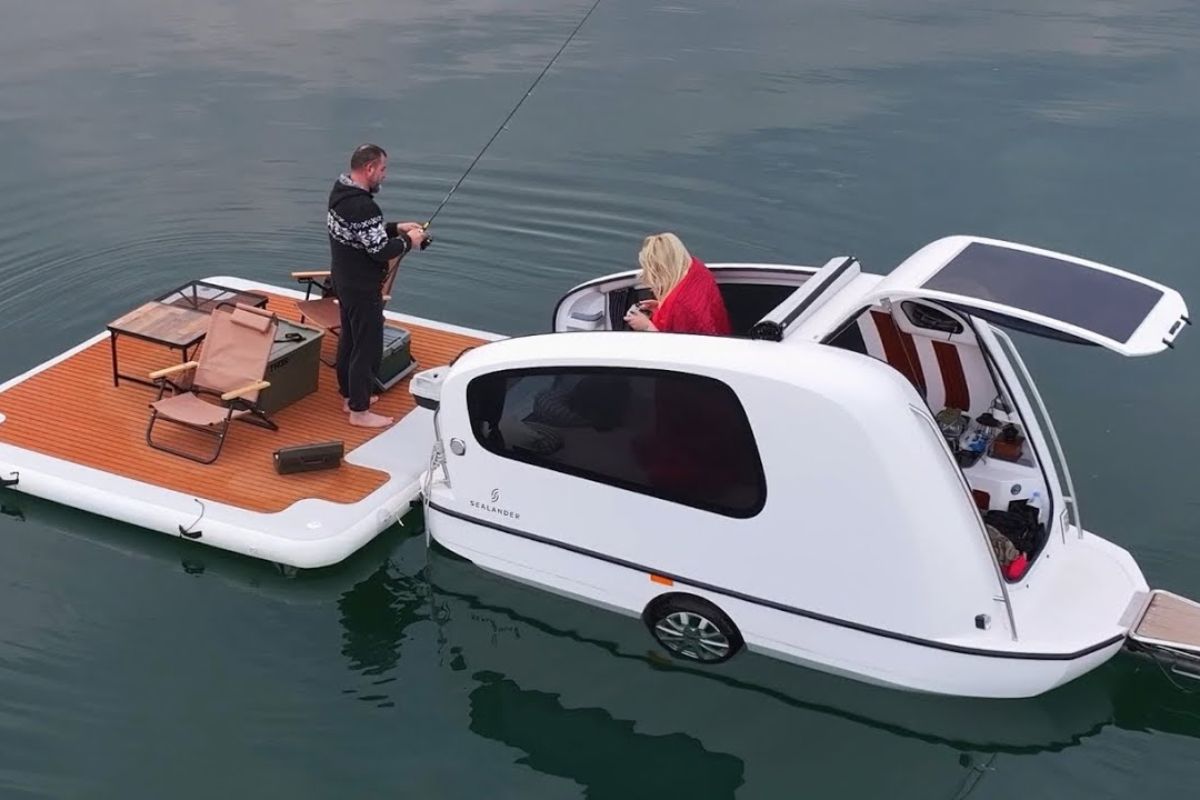


In 24 Hours Of Constant Instability, The Floating Caravan Anchored In Deep Waters Exposed Real Routine Of Light Survival On A Lake In The Bolu Province Located In Turkey: Intermittent Rain, Gusts, Improvised Cooking, Uncertain Fishing, And Fragmented Rest. The Experiment Showed How Comfort, Safety, And Planning Change When The Floor Never Stops Oscillating During Long Night And Morning.
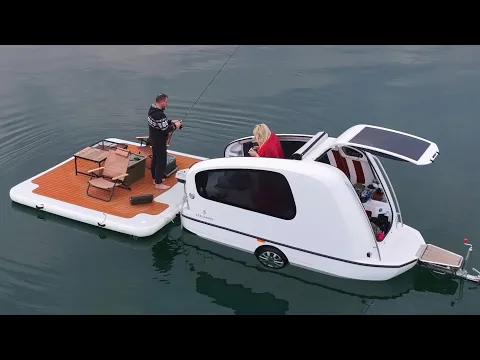
The floating caravan was the center of a 24-hour experience in which a couple faced, without an idealized script, the most basic variables of camping on water: wind changing direction, rain coming in and out in short cycles, waves hitting the structure, and household tasks performed with the floor in motion. The proposal seemed simple at first but quickly turned into a test of continuous adaptation.
In the middle of a vast lake, deep enough for safe anchoring, the couple alternated moments of control and discomfort. Cooking, fishing, organizing the space, and trying to sleep required repeated adjustments because nothing stayed truly stable for long. What became apparent was less of a “showcase adventure” and more of a technical routine of micro-decisions to maintain safety, hygiene, food, and rest.
Preparation On The Lake And Choice Of Anchorage Point

The setup began with a step that is often underestimated: choosing the right spot on the lake. They sought a deeper area with good visibility around, which helps reduce the risk of contact with shallow obstacles and improves control of the platform in changes of wind. The position on the water surface defines the rest of the experience: comfort, balance, access, and even the risk of internal soaking.
-
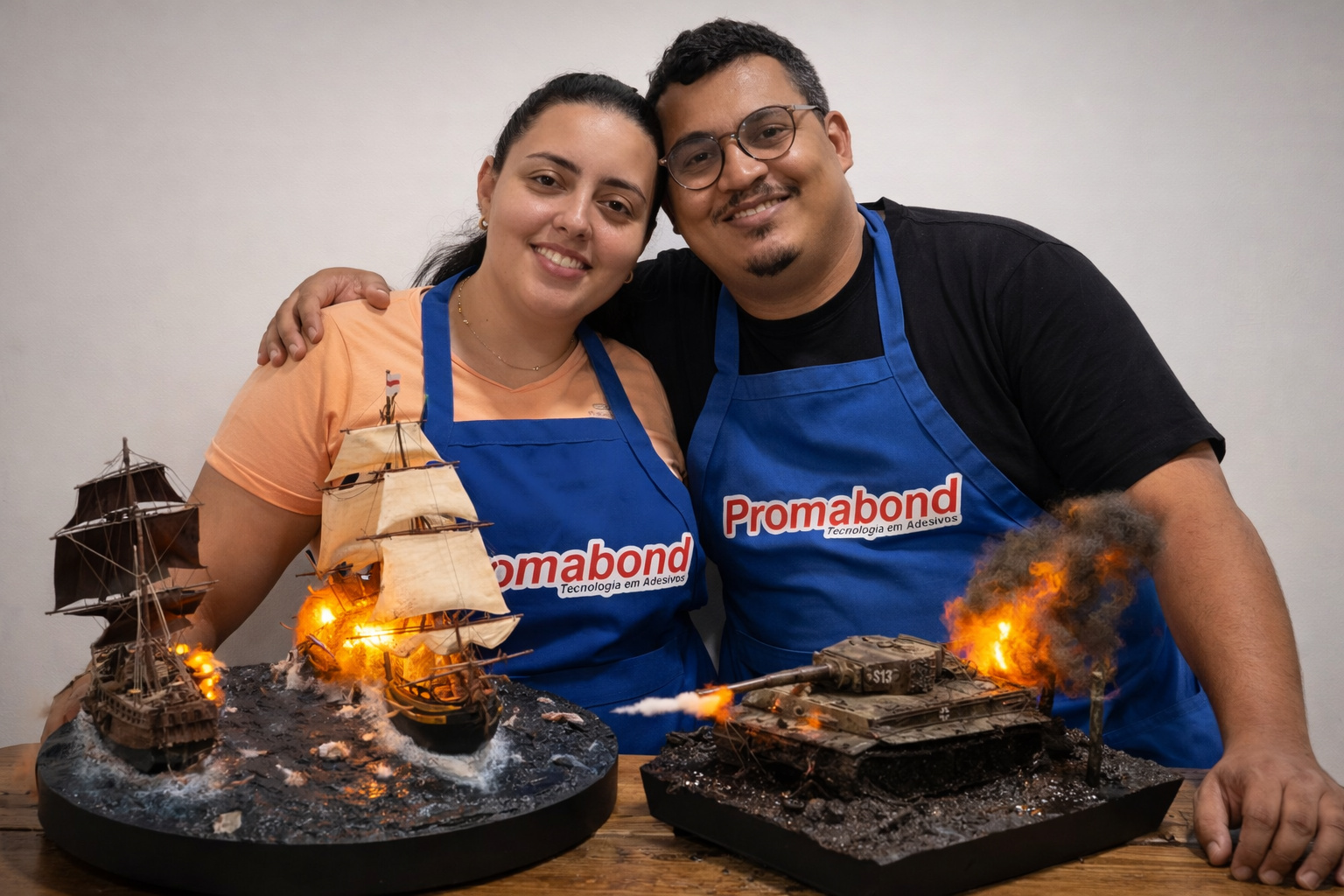
It seems simple, but it enriches: from R$ 500 to R$ 6,000 per piece and up to 10 days of handcrafted production, how is the couple from Praia Grande making a high income with hyper-realistic miniatures and turning a hobby into a money-making machine?
-
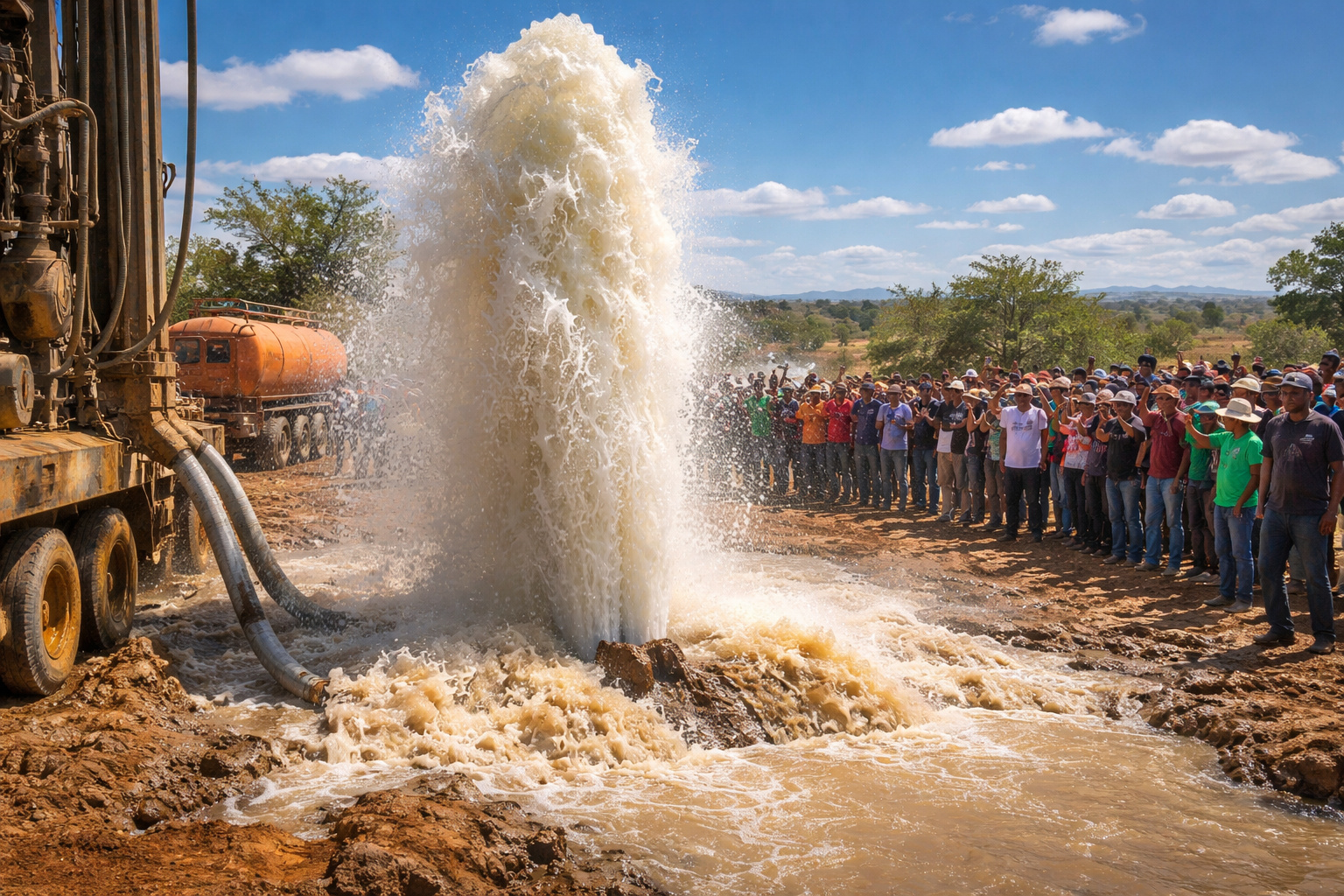
Artisanal well erupts with water in the sertão of Bahia, revealing a surprising flow with six active fissures underground and changing the landscape in the Bahian semi-arid region.
-
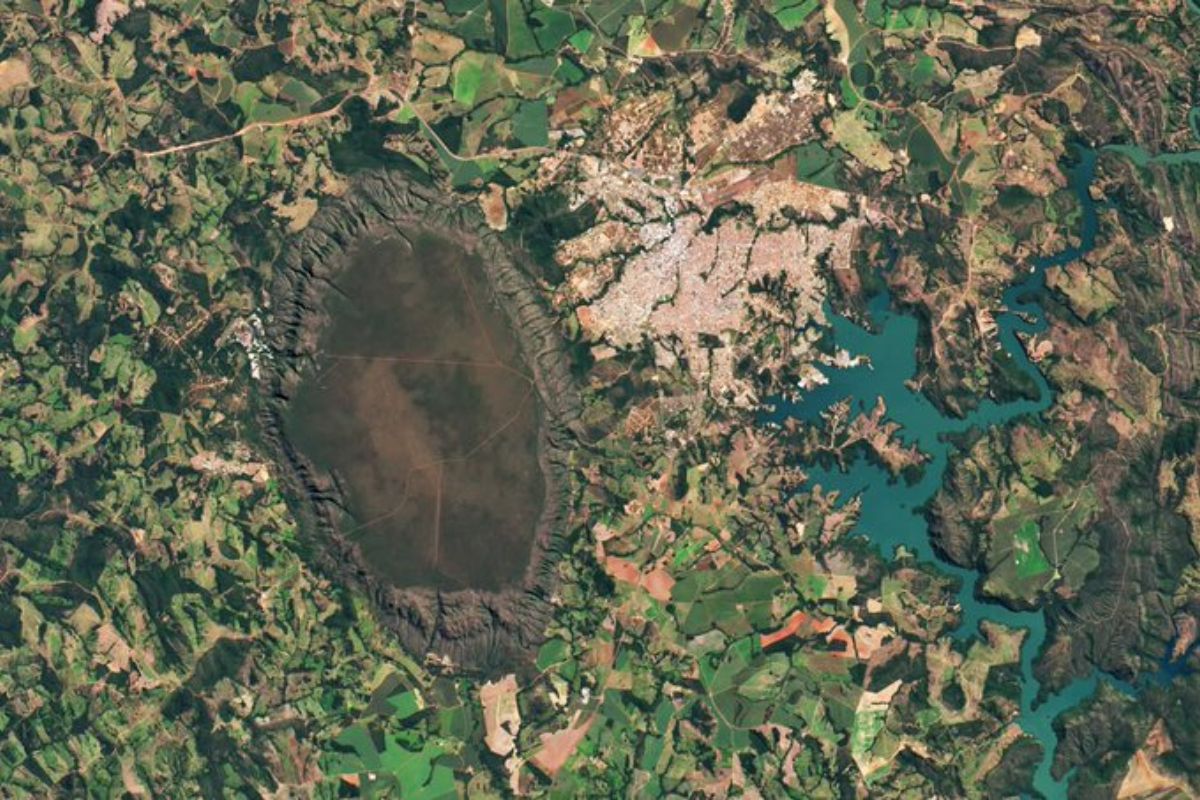
NASA published a photo taken from space of a mountain range in the interior of Goiás, and the whole world wanted to know what it was: beneath it lies the largest hot water spring on the planet, with temperatures reaching 70 degrees in the middle of the Cerrado.
-
A thermal block costing only R$ 0.40 catches attention by reducing heat by up to 80% using recycled styrofoam, a common kitchen ingredient, and a manual technique capable of producing 50 blocks from a single bag of cement.

In practice, the floating caravan required internal organization before any external activity. Loose items were stored, water entries were checked, and parts of the structure were secured to prevent sudden movements. With intermittent rain, each opening of the balcony turned into a tactical decision: ventilate and enjoy the view or close to contain splashes and drafts.
The Behavior Of The Platform Under Rain, Wind, And Wave

Throughout the day, the couple realized that instability did not only come from large waves. Small ripples, combined with lateral wind, created a constant vibration on the floor. The feeling of “living ground” is more tiring than it seems, as it requires continuous muscle tension to maintain balance in simple tasks, like carrying a cup, stirring a pot, or walking from the inside to the balcony.
Another important point was the change in wind direction. In such environments, the platform can “align” differently over hours, altering the pattern of sway and splash of the water. This explains why, at some moments, the couple felt comfortable sitting outside and, shortly after, preferred to return inside. It was not a contradiction: it was a direct response to a system that changed without warning.
Cooking And Fishing Routine In Unstable Environment

Food served as a thermometer for the operation. Even with a simple menu, cooking on an oscillating base requires control of heat, protection against water, and attention to sharp or hot utensils. When the platform sways, the most common mistake is to speed up the preparation; they did the opposite on several occasions: slowed down the pace, closed open areas, and adapted the pace to the behavior of the water.
In fishing, the expectation of catching fish ended up sharing space with the reality of the lake in that stretch. There were attempts with bait, waiting, strategy changes, and even an unexpected catch of mussels, demonstrating how the local dynamics can deviate from the initial plan. Still, the practice served to keep the routine active and transform anxiety into concrete tasks — something useful when the external environment imposes constant uncertainty.
Sleep, Nausea, And Fatigue: The Hidden Cost Of 24 Hours Floating
The most challenging part appeared during the transition to night. Reports of nausea and insecurity when lying down were not details; they were predictable consequences of the combination of oscillation, humidity, and accumulated fatigue. Sleeping on a floating platform does not only depend on tiredness but on trust in stability. Without that trust, the body takes longer to relax, even when there is relative silence.
Moreover, the midnight hours tend to amplify perceptions: noise of water, structural vibration, and feeling of isolation. Although the couple managed to get through the night, the rest was fragmented, with short awakenings and constant attention to the surroundings. In the morning, the classic effect came: less energy, more sensitivity to movement, and the need to reorganize everything before concluding the experience.
What The Floating Caravan Reveals About Real Planning
The experience showed that the floating caravan can be functional and enjoyable, but it depends on method, not pure improvisation. Choosing the point, checking the mooring, managing rain, food routine, and rest strategy form a unique set. Removing a piece of this system increases the risk of discomfort and may compromise safety.
It also became clear that romanticizing the scenario distorts reality. The lake is beautiful, the sky changes, there are moments of contemplation and connection, but the environment demands attention all the time. In 24 hours, the couple confirmed something simple and valuable: in open water, comfort is the result of operational discipline, not luck.
The crossing ended with a sense of achievement, but also with practical learning about physical and emotional limits.
If you have ever tried camping on an unstable surface, what was the most difficult point for you: cooking with sway, dealing with nausea, or managing to sleep properly when the floor doesn’t stop moving?






Every change in life, however brief, comes with a period of getting used to it..
this intermediate period tests the patients of everyone involved to different degrees.
Other people may have enjoyed these 24 hrs without any issues tremendously.
Or they may have disliked the time there so much, that canceling the vacation seemed like the only way to escape the discomfort