





 Portuguese
  English
  Spanish
  6 min of reading
  38 comments


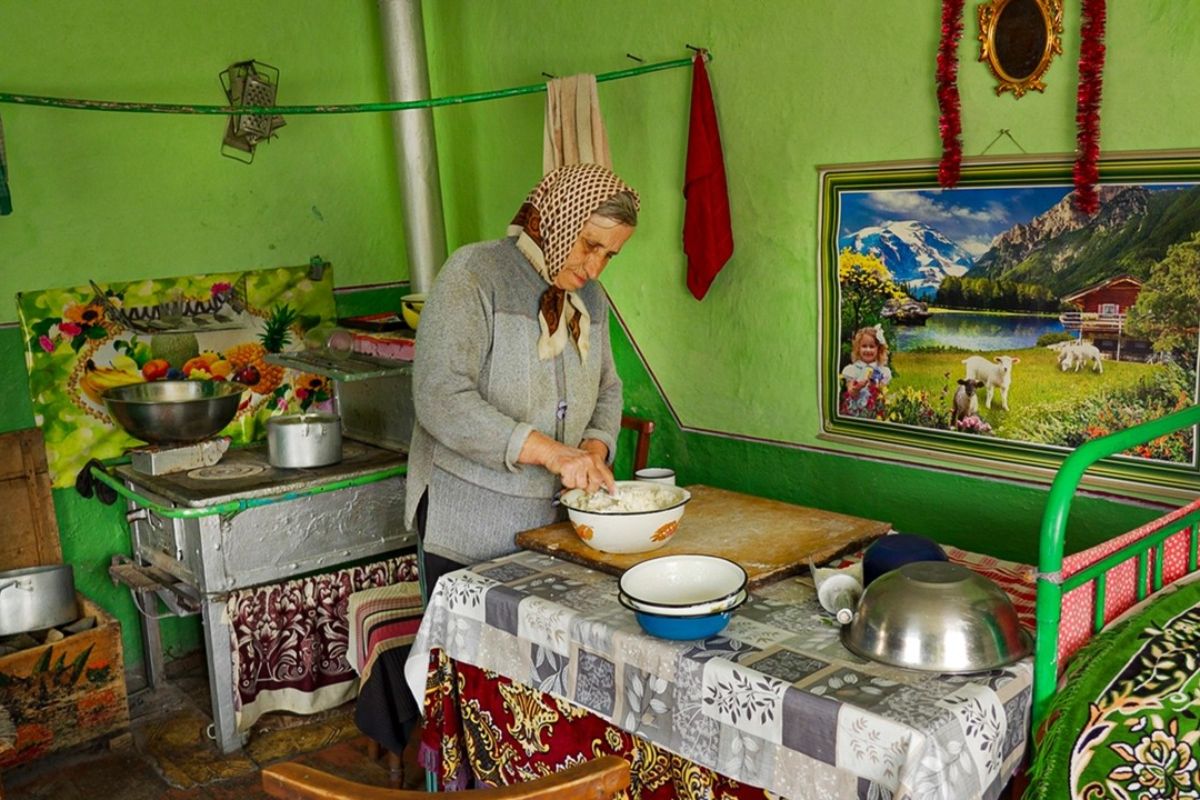


No Easy Road or Neighbors Nearby, the Isolated Wooden House in the Mountains Lives by Lantern Light and Solar Panel, Where Maria Talks to the Cow, Chickens, Dog, and Cat to Fill the Silence That Her Distant Children and the Static Radio Cannot Break at the End of the Day
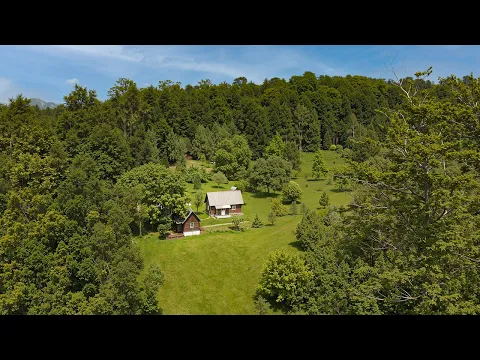
The scene seems to be from another century. High on the slope, surrounded by dense forest and thick silence, an isolated wooden house in the mountains withstands without electricity, without asphalt, without neighbors in sight. The day begins when the sun hits the window and ends when the flame of the lantern starts to flicker. Between the sunrise and total darkness, Maria organizes her entire life around a few certainties: chopped firewood, guaranteed bread, fed animals, and a crackling radio as her only direct line to the rest of the world.
There, where many would see only abandonment, she sees routine, purpose, and a form of peace that the city no longer offers. The children visit rarely, the grandchildren even less, and what for others would be suffocating loneliness turns into an intimate pact with the place. The isolated wooden house in the mountains has become the axis of her story: a setting of mourning, hard work, longing, and at the same time, a radical freedom that only exists far from civilization.
The Extreme Geography of the House and the Weight of Silence

Maria’s house is tucked away among dense mountain forests, far from any power line.
-
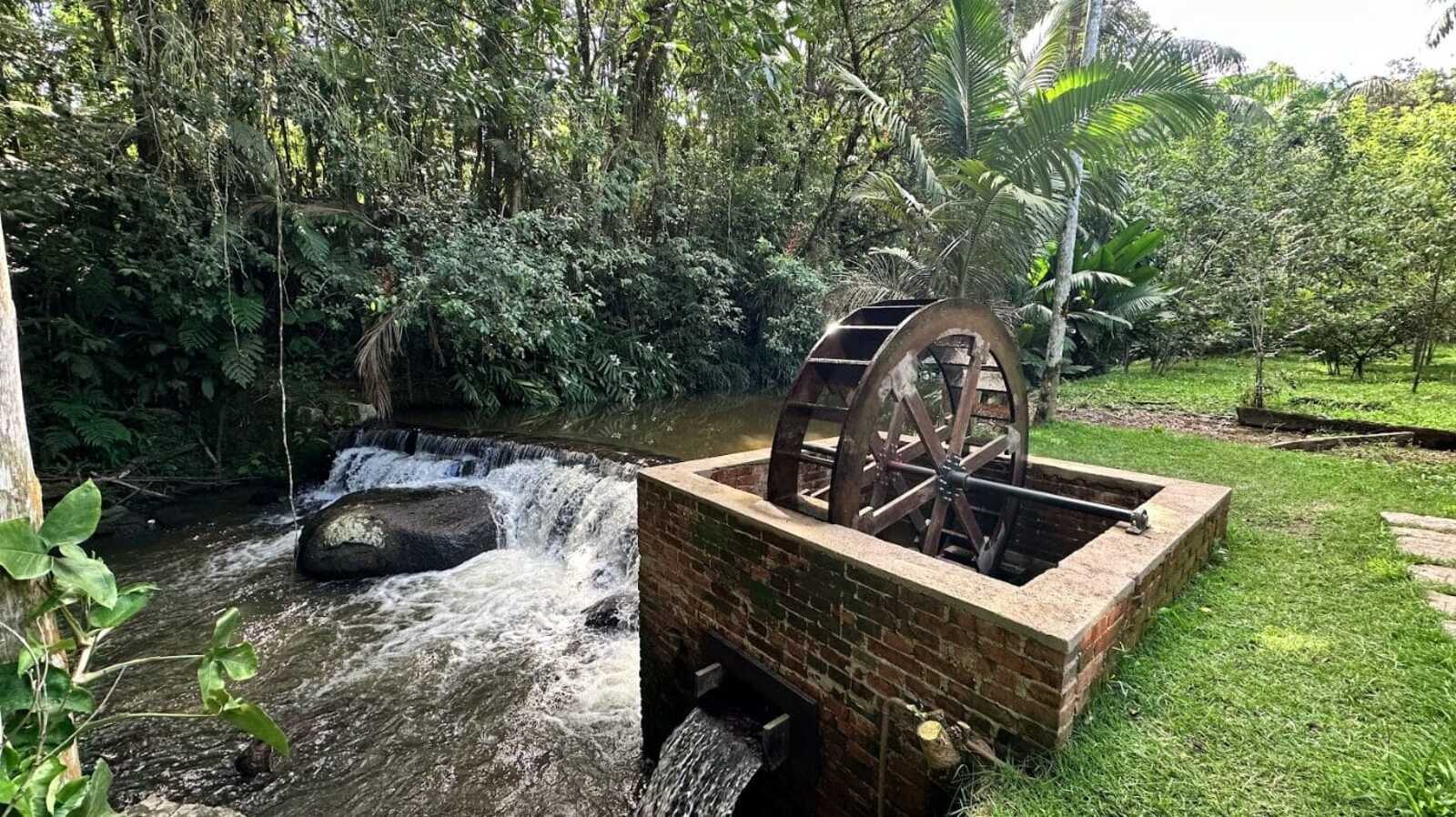
While restoring a historic mansion from 1910, a brick structure with an old turbine that generated energy from the Rio do Testo emerged, along with a hidden door and a rare floor concealed under layers of wax.
-
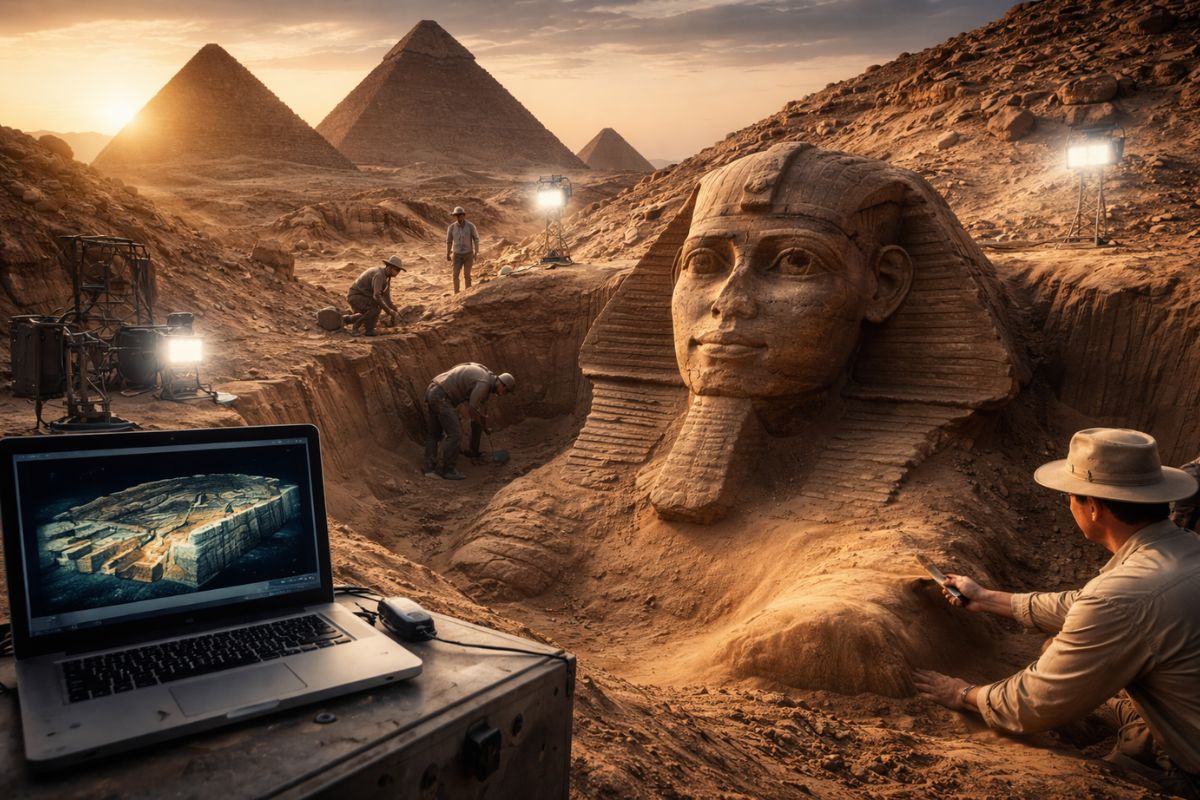
Italian researchers have detected what appears to be a second Sphinx buried under the sands of Egypt, and satellite scans reveal a gigantic underground megastructure hidden beneath the Giza Plateau for over 3,000 years.
-
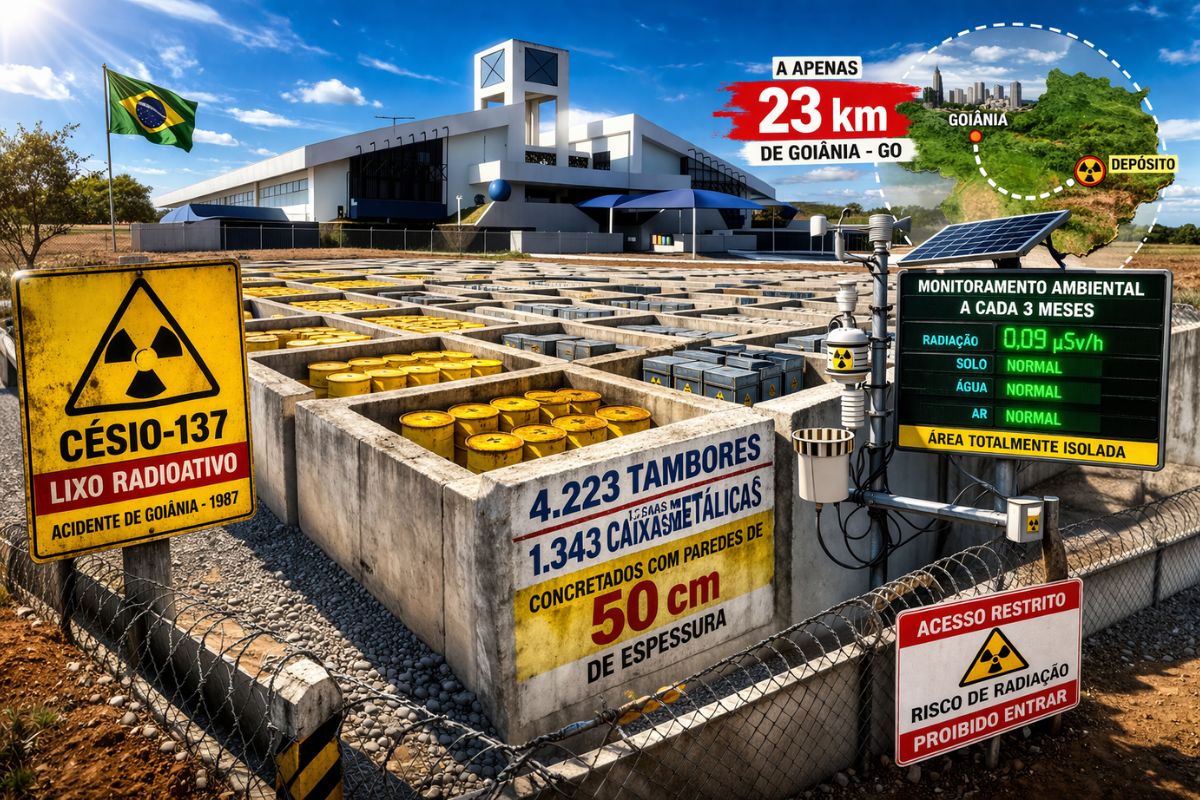
There are 4,223 drums and 1,343 metal boxes concreted with 50-centimeter walls that store the radioactive waste from Cesium-137 in the worst radiological accident in Brazil, just 23 kilometers from Goiânia, with environmental monitoring every three months.
-
Giant Roman treasure found at the bottom of Lake Neuchâtel in Switzerland reveals an advanced trade system, circulation of goods, and armed escort in the Roman Empire about two thousand years ago.

When neighboring communities received energy, hers was left out.
The justification was simple and brutal: it would be necessary to cut down forest to run the poles, and no one wanted to take on that political and environmental cost.
The light went to others, darkness remained for her.
Without electricity, the daily routine is dictated by the weather.
Heavy rain on the roof means another day indoors, knitting, reading in dim light, the radio on when the batteries hold out. Clear skies mean garden work, pasture, firewood, hiking up the steep slope.
The silence is almost absolute.
There is no traffic noise, no neighbor arguing, no sound of commerce in the distance.
What breaks the quiet are the mooing of the cow, the clucking of the chickens, the barking of the dog, the meowing of the cat, and sometimes, the metallic voice of the announcer on the radio.
Distant Children, Present Memories

Maria had two children. They grew up, studied away, went to the Army, built lives far from the mountains.
Visits happen, but they are rare, spaced out, filled with urban haste.
One of them hardly returns. The other has appeared a few times, enough to maintain a thread of presence, never enough to completely dispel the feeling that the isolated wooden house in the mountains has been left behind on the family’s mental map.
The mother who was once young, who spent her life caring for her sick father and her husband, now faces old age with a harsh lucidity: she knows that age weighs, she knows that her body fails, she knows that no one likes to depend on others.
She reads stories about grandmothers kicked out of their homes, pushed away from family and thanks, in a low voice, for still being able to decide where to sleep, what to plant, and whom to talk with.
The longing for her children and grandchildren is always there, but it is not enough to break the bond with this piece of land that merges with her own identity.
Animals as Family and Antidote Against Loneliness

In the absence of people, the animals occupy a central place. The cow, the chickens, the dog, the cat, all have names, routines, and conversations.
Maria talks to them as if she were conversing with old neighbors.
She complains about the lack of time, comments on the weather, shares concerns about the harvest, about the milk that spoils quickly in the heat, about the fear of losing another dog to some hidden predator in the forest.
When she enters the barn with the hanging lantern, it is not just to milk.
It is to “talk to them, because there’s no one else to talk to.”
The cow responds with heavy breathing and slow movements, the chickens circle her feet, the cat appears curious, the dog guards the door.
This small herd is the social network of the mountain, the family nucleus that never discusses inheritance, never cancels visits, never fails to show up for dinner.
Work Without Pause: Firewood, Garden, Milk, and Preserves
In an isolated wooden house in the mountains, those who do not work do not survive.
The phrase is not a metaphor.
Maria organizes the entire year around concrete tasks: chopping wood, drying wood, storing wood. Wood is warmth, it is a lit stove, it is hot water, it is security in winter.
The day is divided between the cattle, the garden, the barn, and the kitchen.
There is flour for bread, stored meat and lard, preserves lined up on shelves, cheese divided between personal consumption and generosity for those who stop by.
When she talks about income, Maria does not mention numbers; she mentions priorities: “The main thing is bread, the main thing is having flour, having bread, and everything else being there.”
The heavy, repetitive work without breaks is also what sustains her health and her sense of utility. She admits: if she stops working, the mountain swallows her half.
Lantern Light, Crackling Radio, and Books as a Window
Without electricity, the isolated wooden house in the mountains lives in a radical economy of light. At night, the kerosene lantern is the center of everything.
Near it, Maria knits slippers, mends clothes, organizes her thoughts. Reading, almost never. The flame is weak, her eyes tire, the newspaper becomes a rare luxury.
When curiosity speaks louder, another element of her routine comes into play: a battery-powered lantern, bought in bulk at the city market.
The lantern lights the way to the barn, ensures safety in the dark yard, allows for a few lines of newspaper or magazine about the lives of other grandmothers, other families, other dramas.
Maria is especially interested in stories of elderly people pushed out of their homes, of survival narratives where old age must learn to negotiate with the modern world.
The battery-operated radio is the second thread that connects the mountain to the rest of the planet.
Amidst crackles and disappearing stations, news emerges of distant wars, elections, market prices, urban tragedies.
She searches for her own station as one searches for company, patiently adjusting the dial, accepting that sometimes silence is greater than any frequency.
Old Age, Faith, and the Choice to Stay
Maria talks about old age without romanticism.
“Old age is not very pleasant,” she states bluntly. The body is slower, climbing the slope requires breath, carrying water and wood gets heavier each year.
Yet, she sees a kind of settlement with time in her own story: she lived working, took care of her parents, supported her husband, raised her children.
Arriving here, in the midst of the mountains, is something she interprets as grace granted, not punishment imposed.
Faith is not displayed; it is lived in simple phrases: asking for help, not getting offended by God, being thankful for still being able to plant, harvest, cook, and walk alone.
Moving to the city would mean trading the isolated wooden house in the mountains for a strange room, noisy neighbors, schedules that are not hers.
For now, the choice is clear: to stay. To stay close to the forest that they did not want to cut down, to the path she knows by heart, to the animals that respond to the call of the bucket, to the radio that insists on working, and to a peace that only exists in this specific slice of the world.
Would you be able to find peace living like Maria, in an isolated wooden house in the mountains, or do you need the noise of the city to avoid going crazy?







Vontade de sentar , tomar um café e prosear com essa lindeza !!!!!
Onde fica essse paraiso ! Parabéns para essa resistência,uma decisão dela ,isso é cura !
Linda matéria. Ela deu um sentido para sua vida. É assim porque é. Tem um para quê viver dessa forma, não um porquê. Para ela o melhor dos mundos. Vida longa e feliz.