





 Portuguese
  English
  Spanish
  8 min of reading
  7 comments


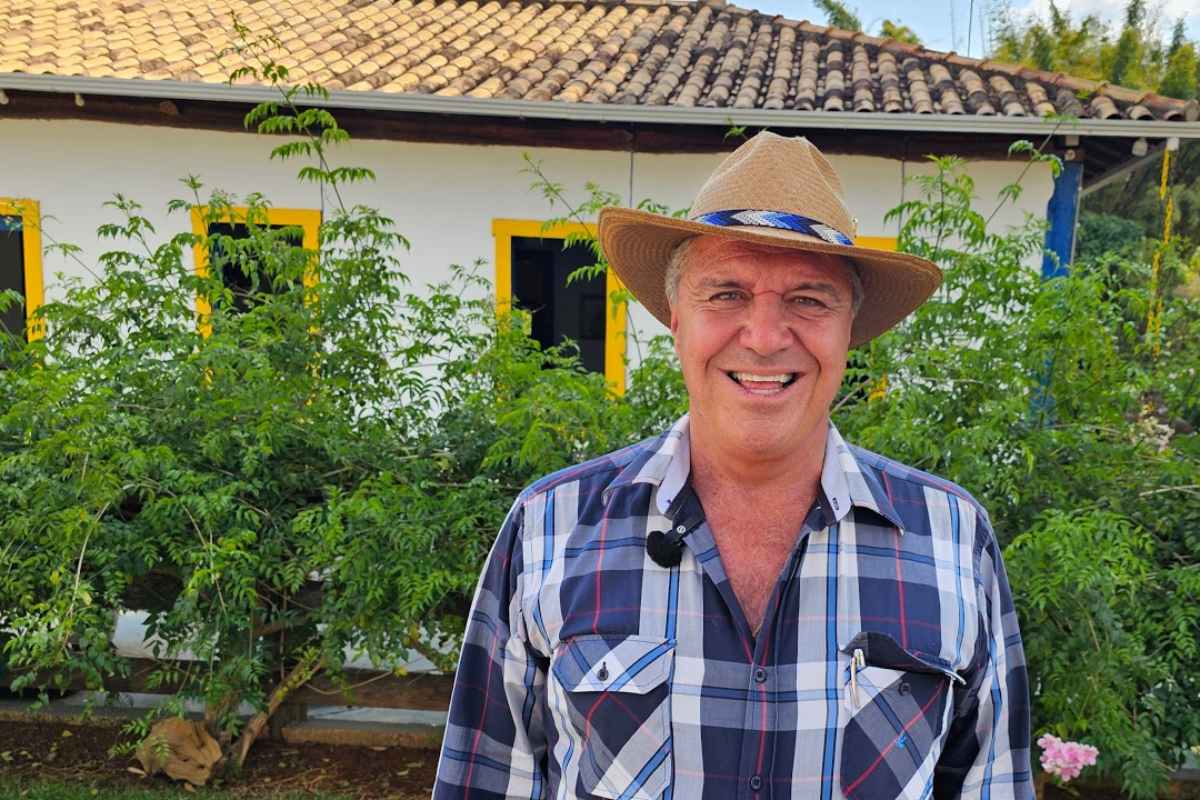


At The Centenary Farm, Located In Lagoa Da Prata In MG, Where Employees Like Family Share Routines With Elite Genetics Cattle, Stories That Cross Generations Reveal A Rural Life Marked By Faith, Collective Work, Preservation Of The 300-Year-Old House And A Sustainable Milk Production Model That Inspires Other Rural Properties Throughout Brazil
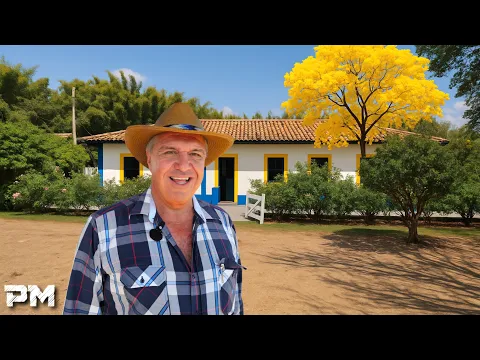
The centenary farm depicted in this report is not just an old rural property. It is a living organism, where the house, nearly 300 years old, the cattle with million-dollar genetics, the chapel built in memory of a centennial tree, and the chalets built for the owner’s siblings intersect in stories that cross generations and shape a rural life that blends tradition and professionalism.
In this scenario, employees like family is no empty phrase. It is a concrete form of management and affection: the man who wakes up at 3 a.m. to light the wood stove, the couple that transforms the porch into a garden of succulents and desert roses, the mechanic who refurbishes old tractors, the genetics consultant who selects elite cows. All are part of a system where the financial result of the elite genetics cattle exists only because there are bonds of trust as old as the pink lapacho wood of the chapel.
A Centenary Farm Where The 300-Year-Old House Remains At The Center Of The Story

The centenary farm has its backbone in a mansion that is approximately 300 years old, where two generations have already been born: first, the great-grandfather’s children, and then the current owner’s grandmother’s children.
-
With nearly 500 thousand tons per year, barley production is growing in Brazil, while a decline in beer consumption among Generation Z raises alarms in the sector.

-
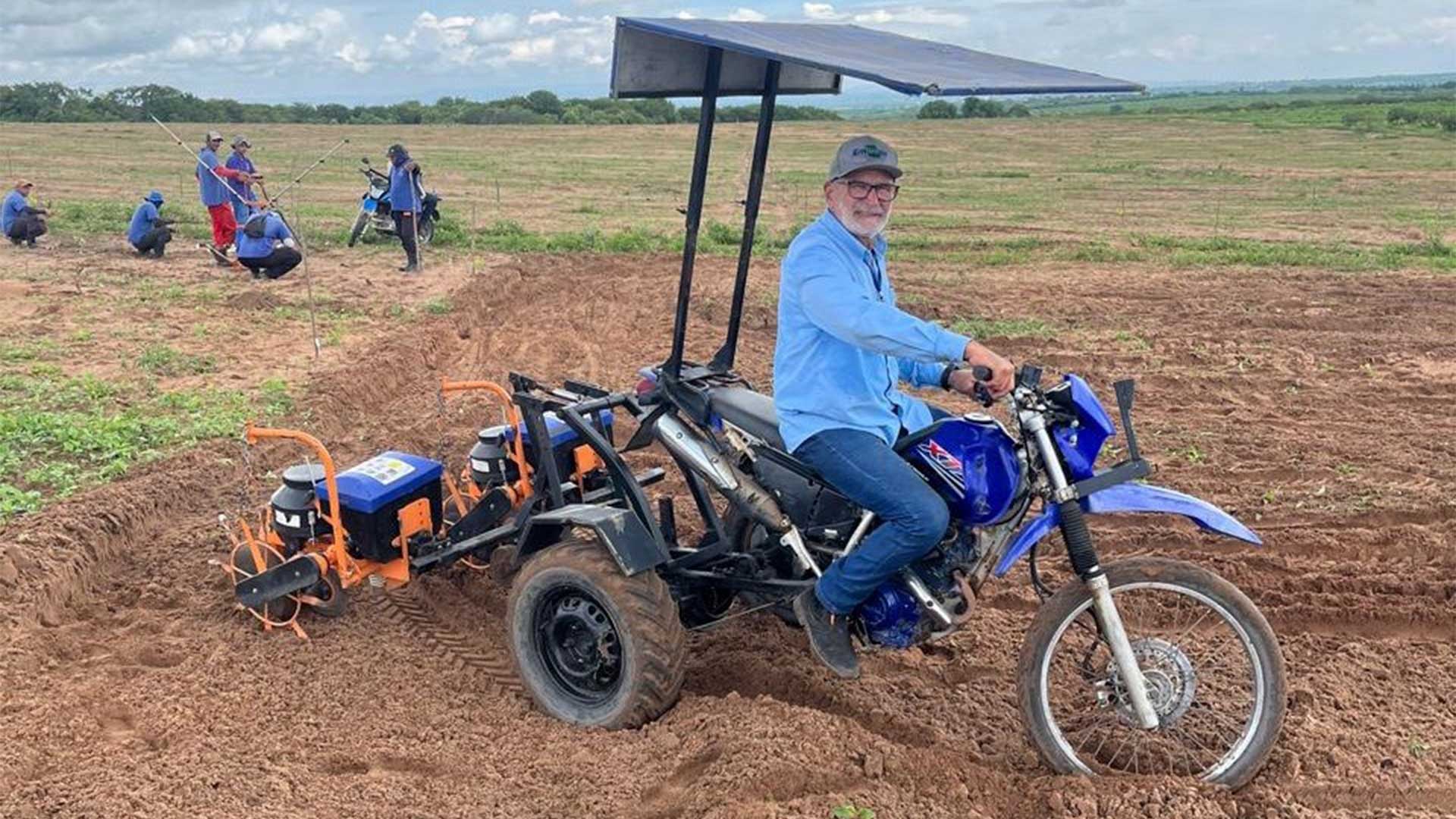
With tractors out of reach for small producers, a tricycle created by Embrapa Algodão becomes a cheap and efficient solution and gains national prominence.
-
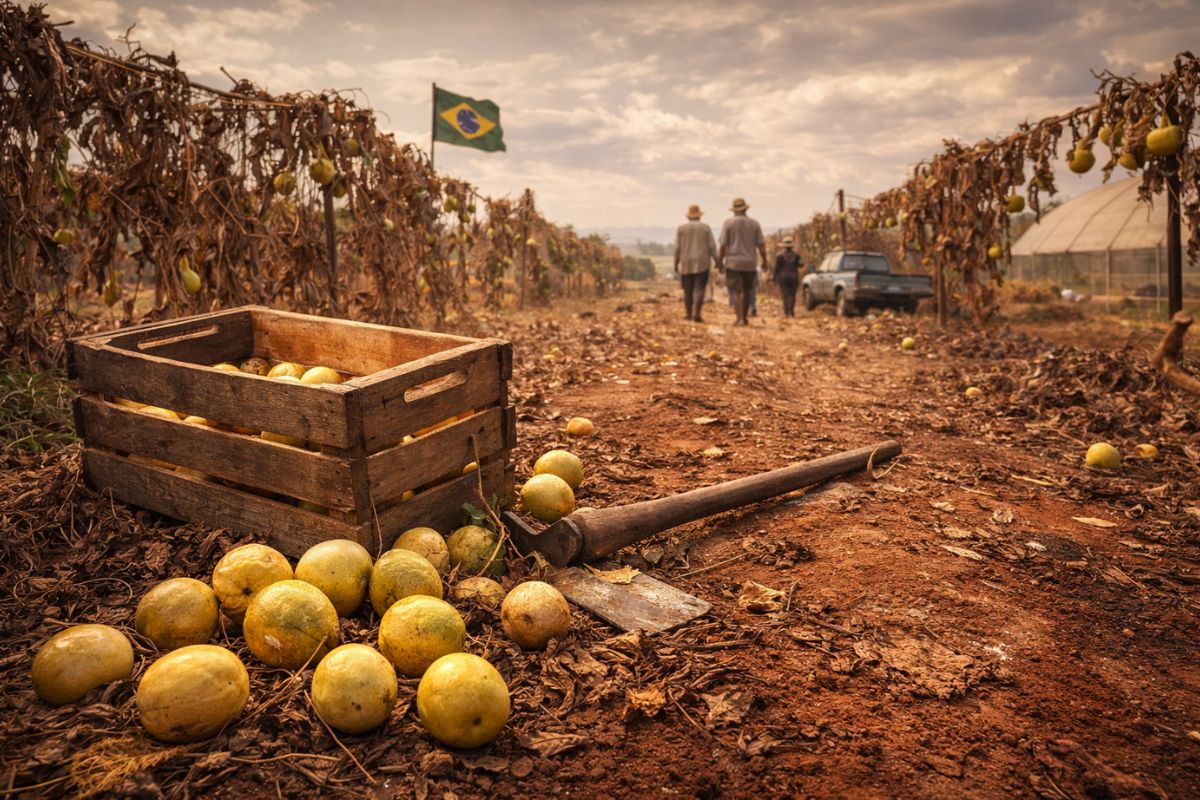
From 130 producers in the year 2000 to just 15 today: the dramatic decline of passion fruit in Araguari shows how the lack of labor in the Brazilian countryside is killing a decades-old agricultural tradition, even with Brazil being the largest producer in the world.
-
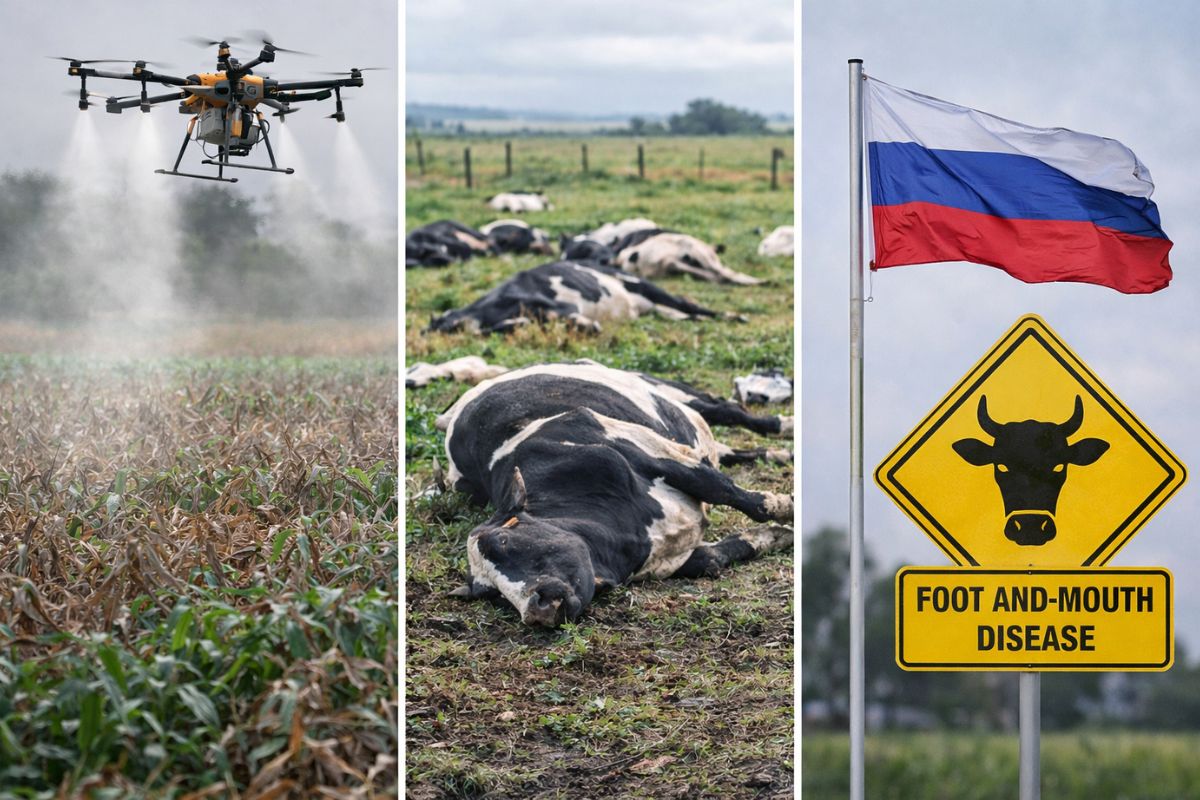
Agricultural drone sprayed poison into the air and destroyed the neighbor’s crops, causing 1 million in damages; 48 cows died from nitrite poisoning in the pasture, and Russia is hiding a possible outbreak of foot-and-mouth disease: the week was brutal for the rural sector.

The house has been restored but retains windows, floors, and wooden structure that hold stories that cross generations, reinforced by portraits, paintings by the grandmother, and old photos at the entrance.
The great-grandfather, a colonel in an era of large properties, managed about 5,000 hectares.
Amid a financial crisis, he made a promise: if he could recover, he would build a house and a church in a village, offering lots for anyone who wanted to live around.
He fulfilled the promise, built the church, formed the village, and decades later, part of the farm was bought back by the descendants until the current owner consolidated about 1,000 hectares again.
Today, when he says that the centenary farm is more than a business, it shows in the details: chalets built for each sibling, so that everyone can always return; bamboo groves planted back in the grandfather’s time, used as natural protection against the wind; and a barn integrated into the mansion, where rural life is organized without separating work, memory, and family coexistence.
Employees Like Family At The Heart Of The Farm

In practice, employees like family starts with the routine.
The caretaker who cares for the mansion refers to the house as “the house with love” and says he will never leave, even after receiving a more comfortable chalet.
He wakes up at 3 a.m., keeps the wood stove burning 24 hours, prepares snacks for the farm bar, cares for the garden surrounded by screens, plants cabbage, cherry tomatoes, rosemary, and maintains a jabuticaba tree full of fruit for the children and visitors.
This same employee describes the owner and his siblings as “second family”.
He performs services at their house, cares for the chalets, helps in the kitchen on busy days, and gets emotional when he says he sees the owner’s children as if they were his.
It is the concrete translation of employees like family: rights, trust, and freedom to come and go, but also clear responsibilities, hard work, and daily presence in rural life.
In the machine sector, another example: the operator who, during his time off, disassembles, paints, and refurbishes tractors and implements.
The bucket of a piece of equipment is refurbished within the farm itself; an old tractor receives a new coat of paint; the forage harvester is operated by a lightweight but highly trained employee on a machine that only works with the operator seated, for safety.
The owner insists that the secret is in valuing labor, and gets emotional when criticizing those who merely “complain about employees”, remembering that “those guys are the ones who help us.”
With the couple Felipe and his wife, the concept employees like family gains an aesthetic layer.
Their house, within the property, has become a showcase of ornamental plants, highlighting desert roses and other specimens.
The wife, who started out influenced by her mother-in-law, now speaks of gardening as therapy and how plants change the environment.
The owner encourages her: he asks her to sell, suggests putting it online, and sees in the activity another way to add value to the centenary farm.
Million-Dollar Genetics Cattle And Pasture Management In Rural Life

If the human side catches attention, the milk business is the economic engine that sustains rural life.
The herd has ceased to be ordinary cattle and has become cattle with selected genetics, with a strong basis in the Gir breed and in half-blood crosses designed to produce a lot of milk with gentleness and hardiness.
Before, the producer worked with various types of Girolando, extracting about 30,000 liters of milk per day.
Upon identifying reproductive problems in a large batch of Zebu heifers, he opted for a leap in technology: he bought top-breed donors, initiated an intense embryo transfer program, and began to invest in high-level genetics cattle, with cows that can cost hundreds of thousands of reais and embryos generated from bulls whose semen dose reaches elite values.
At auctions, some reference cows have been sold for more than 1 million reais.
A cow purchased for 220 thousand reais, coming from one of the most traditional Gir dairy herds, illustrates the herd’s level.
Daughters of renowned donors win awards at exhibitions, such as Mega Leite, and generate new generations of donors.
Selected heifers for replacement, many still at the silo’s feet, reach values in the tens of thousands of reais each, reinforcing the million-dollar character of this genetic cattle.
Despite the values, the production system maintains the simplicity of rural life.
The focus is on pasture-based milk: rotated paddocks of Mombaça grass, intensive use of manure for fertilizing crop and forage areas, annual planting of about 400 hectares dedicated to silage, including with millet and Brachiaria consortia.
Protein comes from well-managed grass; concentrates provide energy. In rainy seasons, the herd reaches approximately 20,000 liters of milk per day with only half-blood cattle under pasture management, something that the owner attributes to the balance between genetics cattle and simple yet rigorous management.
Faith, Chapel, And Celebrations That Produce Stories That Cross Generations
On the spiritual terrain, the farm holds another powerful symbol of stories that cross generations.
In the past, a large gameleira tree marked the highest point of the yard. When the secular tree was attacked by pests and died, it opened space for a difficult decision: to build a chapel there.
The project was discussed with a priest uncle, who reminded a simple rule: wherever there is a church, it must be the first visual reference for those who arrive.
The chapel, made of pink lapacho wood reused from an old barn, was built on an elevated position, visible right at the entrance of the centenary farm.
The roof, mounted without visible nails, with traditional joints, reinforces the sense of handcrafted work.
Every year, in October, the month of the owner’s mother’s birthday, the chapel hosts a mass in her honor.
The village community is invited, friends gather, and about 400 people are served a typical lunch, in a structure that combines the grandmother’s wood stove with current organization.
Another significant event is the day dedicated to “a thousand Hail Marys,” when the producer’s wife gathers friends to pray and celebrate, connecting local devotion to a religiosity that is also part of these stories that cross generations.
The mother, who lived for 101 years, is remembered in testimonials from people who say she “got tired of feeding” many, bringing food and help without fuss.
Her name baptizes the brand of ceramics and porcelain created by her daughter-in-law, reinforcing how faith and family memory intertwine in the emotional architecture of rural life on this property.
Art, Kitchen, And Simple Routine That Define Rural Life
There, rural life is not romanticized, but it is also not just a cost spreadsheet.
In the grandfather’s old shop, transformed into a bar, shelves display wines, cachaças, liqueurs, and various bottles.
The little bell hanging from the roof is the invitation for the gathering: friends, family, and employees mingle, eat snacks prepared on the wood stove, and circulate between the bar and the grandmother’s kitchen, still preserved.
The menu follows the logic of abundance: tropeiro, free-range chicken, roasted pork, tutu, mayonnaise, fried biscuits in the afternoon.
The caretaker responsible for the kitchen takes pride in being the official “snack maker”.
For him, cooking for everyone is a natural extension of being part of employees like family, a role that is not limited to wages but translates into real belonging to the centenary farm.
On the other end, the owner’s wife, a former lawyer, transformed the forced pause of the pandemic into an opportunity.
She sought pottery courses, learned glazing techniques on clay, moved on to porcelain, and today signs author pieces under a brand that honors her mother-in-law.
Some pieces are still awaiting firing, others already adorn Instagram, and part of the collection decorates the chapel, the bar, and communal spaces.
Art, thus, also translates into stories that cross generations, recorded not only in photos but in physical objects that remain on the farm.
Conclusion: Why The Centenary Farm Became A Reference For Rural Life
Overall, it is clear why this centenary farm escapes the stereotype of merely productive rural property.
It combines a relevant scale of pasture milk production, high-value genetics cattle, a chapel built over the memory of a gameleira, a bar installed in the grandfather’s old shop, chalets for siblings, and complete houses for collaborators who have become employees like family.
This arrangement transforms rural life into a system of belonging and management, where figures are important but coexist with religious celebrations, jabuticabas picked from the tree with children, paintings by the grandmother, porcelain sculptures made by the daughter-in-law, and investment decisions in genetics made with expert consulting.
Instead of choosing between tradition and technology, the family opted to combine both, producing stories that cross generations without compromising competitiveness.
In a country where many rural properties are lost over time, the case of this centenary farm raises a direct question to the reader: what stories from your own family deserve to be preserved with the same care that this rural life holds its home, its cattle, and its people?







História linda que atravessa a história…
Quanta empatia… Que maravilhoso !
Ainda existe gente honesta, que bom